 Pin it
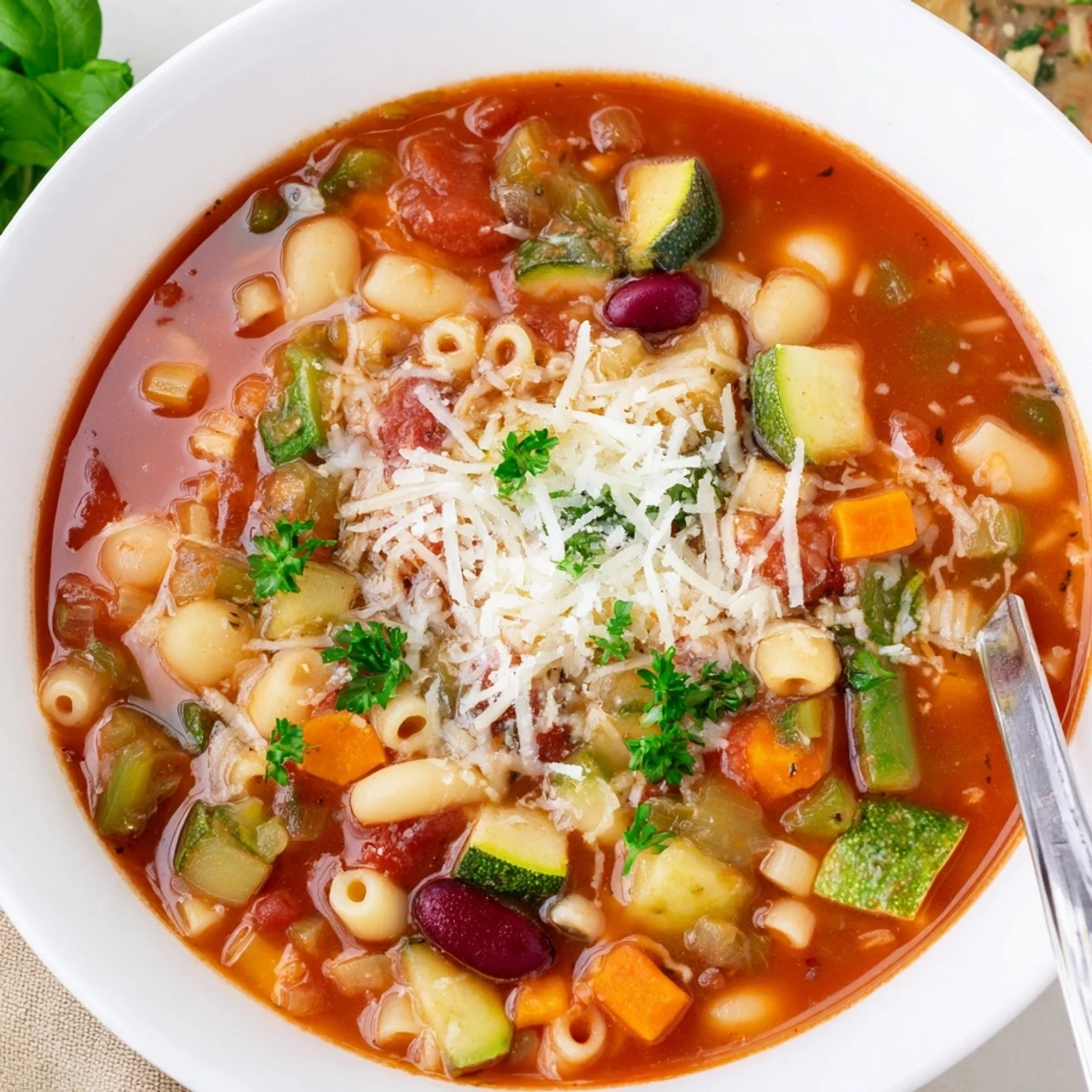
 Start by sautéing onion, carrots and celery in olive oil until softened, then add garlic, zucchini and potato. Stir in green beans, diced tomatoes and vegetable broth, then add cannellini and kidney beans plus oregano, basil and a bay leaf. Simmer to meld flavors, add small pasta and cook until tender. Finish by removing the bay leaf and brightening with chopped parsley; serve with grated Parmesan or a plant-based alternative. Leftovers deepen overnight.
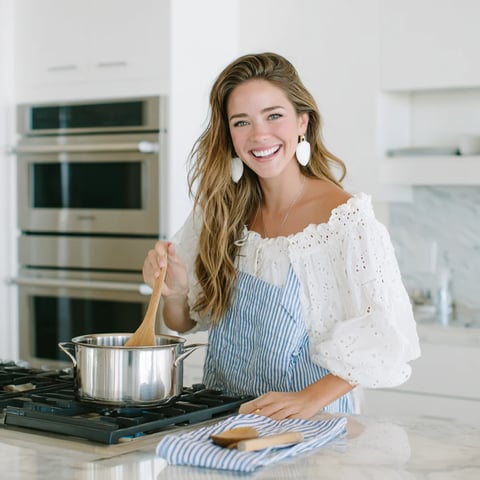
The rain was hammering against the kitchen window so hard that October evening that I could barely hear the pot bubbling on the stove, and honestly that was fine by me because minestrone was doing its quiet, magical thing underneath the lid. I had grabbed whatever vegetables looked tired in the crisper drawer, which is honestly the true spirit of this soup. It turned out so deeply satisfying that I made it again three nights later, this time on purpose.
My neighbor Luca stopped by once while I was making this, peered into the pot, and declared it almost Italian enough. That remains the highest compliment my cooking has ever received.
Ingredients
- Olive oil (2 tbsp): Use a good quality one here because it is the foundation of every flavor that follows.
- Onion (1 medium, diced): Take the time to dice it evenly so every spoonful gets the same gentle sweetness.
- Carrots (2 medium, diced): They add natural sweetness and a lovely pop of orange that makes the bowl beautiful.
- Celery (2 stalks, diced): This is the quiet backbone of the flavor base, so do not skip it even if you are tempted.
- Garlic (2 cloves, minced): Fresh garlic only, and add it after the other aromatics so it does not burn and turn bitter.
- Zucchini (1 small, diced): It melts into the broth beautifully and thickens everything without any cream.
- Potato (1 small, peeled and diced): A waxy variety holds its shape best and gives each bite satisfying substance.
- Green beans (1 cup, chopped): Snap them fresh and they will stay tender with just enough bite.
- Diced tomatoes (1 can, 14 oz): The juices are liquid gold here, so pour every drop into the pot.
- Vegetable broth (6 cups): A rich, seasoned broth makes all the difference, so taste yours before committing.
- Cannellini beans (1 can, 15 oz): Creamy and mild, they soak up the broth like little sponges.
- Red kidney beans (1 can, 15 oz): Their firm texture holds up perfectly through simmering and reheating.
- Small pasta (3/4 cup): Ditalini is classic, but any tiny shape works, and kids love picking their favorite.
- Dried oregano and basil (1 tsp each): Rub them between your palms as you add them to wake up the essential oils.
- Bay leaf (1): Just one does the job, and remember to fish it out before serving.
- Salt and pepper: Season gradually and taste often because broth saltiness varies wildly between brands.
- Fresh parsley and Parmesan (optional): The parsley adds brightness and the Parmesan adds a salty, nutty finish worth every calorie.
Instructions
- Build the flavor base:
- Warm the olive oil in your largest pot over medium heat, then add the onion, carrots, and celery. Stir them around until they soften and smell sweet, about 5 minutes.
- Invite the rest of the vegetables:
- Toss in the garlic, zucchini, and potato, giving everything a good stir for 3 minutes so the edges just start to soften.
- Add the tomatoes and green beans:
- Pour in the diced tomatoes with all their juices and drop in the green beans, stirring so everything gets acquainted.
- Create the broth:
- Pour in the vegetable broth, add both cans of beans, and sprinkle in the oregano, basil, bay leaf, salt, and pepper. Bring it to a lively boil, then dial it back to a gentle simmer for 15 minutes.
- Cook the pasta:
- Stir in the pasta and let it cook for about 10 more minutes until tender. Keep an eye on it and stir occasionally so nothing sticks to the bottom.
- Finish and serve:
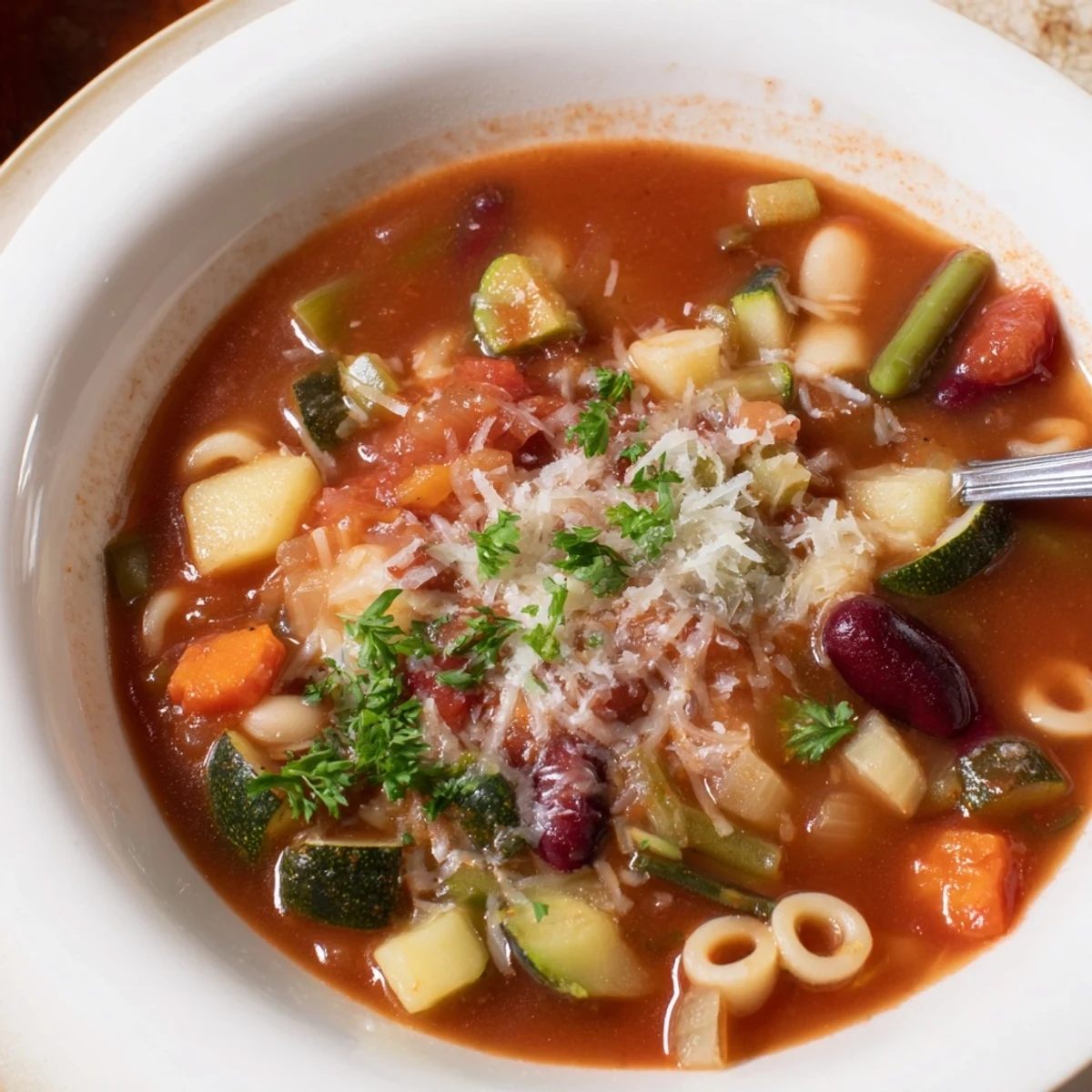
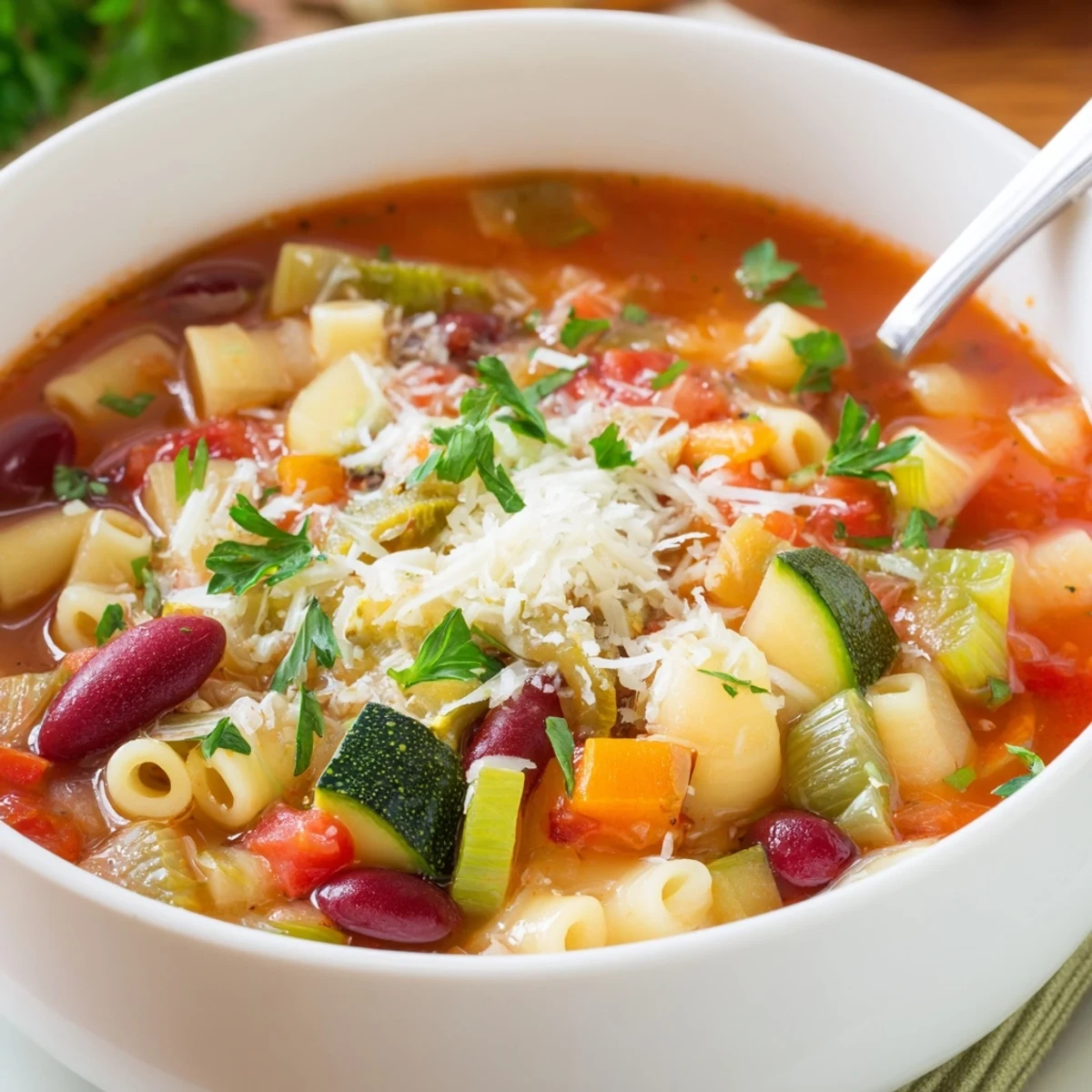
- Remove and discard the bay leaf, taste the broth, and add more salt or pepper if it needs it. Ladle into deep bowls and shower with parsley and Parmesan if you are so inclined.
 Pin it
 There was a Sunday when I brought a thermos of this to a friend recovering from surgery, and she called it a hug in a bowl. That is honestly the best way I can describe it.
What to Serve Alongside
A chunk of crusty bread is really all you need, though a simple arugula salad with lemon and olive oil makes it feel like a proper Italian dinner. I once served it with garlic bread and realized that was probably redundant, but nobody complained.
Storing and Reheating
This soup keeps beautifully in the refrigerator for up to four days, and the flavors deepen overnight in a way that makes you look forward to lunch. It also freezes well for up to three months, though the pasta may soften slightly upon thawing, which I actually prefer.
Making It Your Own
Part of the joy of minestrone is that it bends to whatever you have on hand, so treat the ingredient list as a friendly suggestion rather than a law. Every cook in Italy has a different version, and yours deserves to be just as personal.
- Swap the zucchini for a handful of chopped spinach or kale in the last few minutes of cooking.
- Toss in a Parmesan rind while simmering for an umami boost you will not believe.
- Remember that the best soup you make is the one using what is already in your kitchen.
 Pin it
 This is the kind of soup that makes your kitchen smell like home, no matter where home happens to be. Share it generously and often.
Recipe FAQs
- → Can I use other vegetables?
-
Yes. Swap in seasonal greens like spinach, cabbage or chopped kale, or use squash and bell peppers to vary texture and flavor while keeping the broth balanced.
- → How do I prevent pasta from getting mushy?
-
Add small pasta toward the end of cooking and boil just until al dente. Alternatively, cook pasta separately and combine at serving to preserve firmness.
- → How can I make this dairy-free?
-
Omit the grated Parmesan or use a plant-based alternative. A drizzle of good olive oil and extra parsley adds richness without dairy.
- → Is it possible to make this gluten-free?
-
Yes. Substitute regular pasta with a certified gluten-free small pasta or use cooked rice or quinoa for a gluten-free option while keeping the same cooking times.
- → How long does it keep and reheat best?
-
Stored in the fridge, it keeps 3–4 days. Reheat gently on the stove; add a splash of broth or water if the pasta has absorbed excess liquid. Flavor often improves after resting overnight.
- → Can I freeze the soup?
-
Freeze best without pasta to avoid texture loss. Thaw, reheat and add freshly cooked pasta when warmed through for best results.