
 Pin it
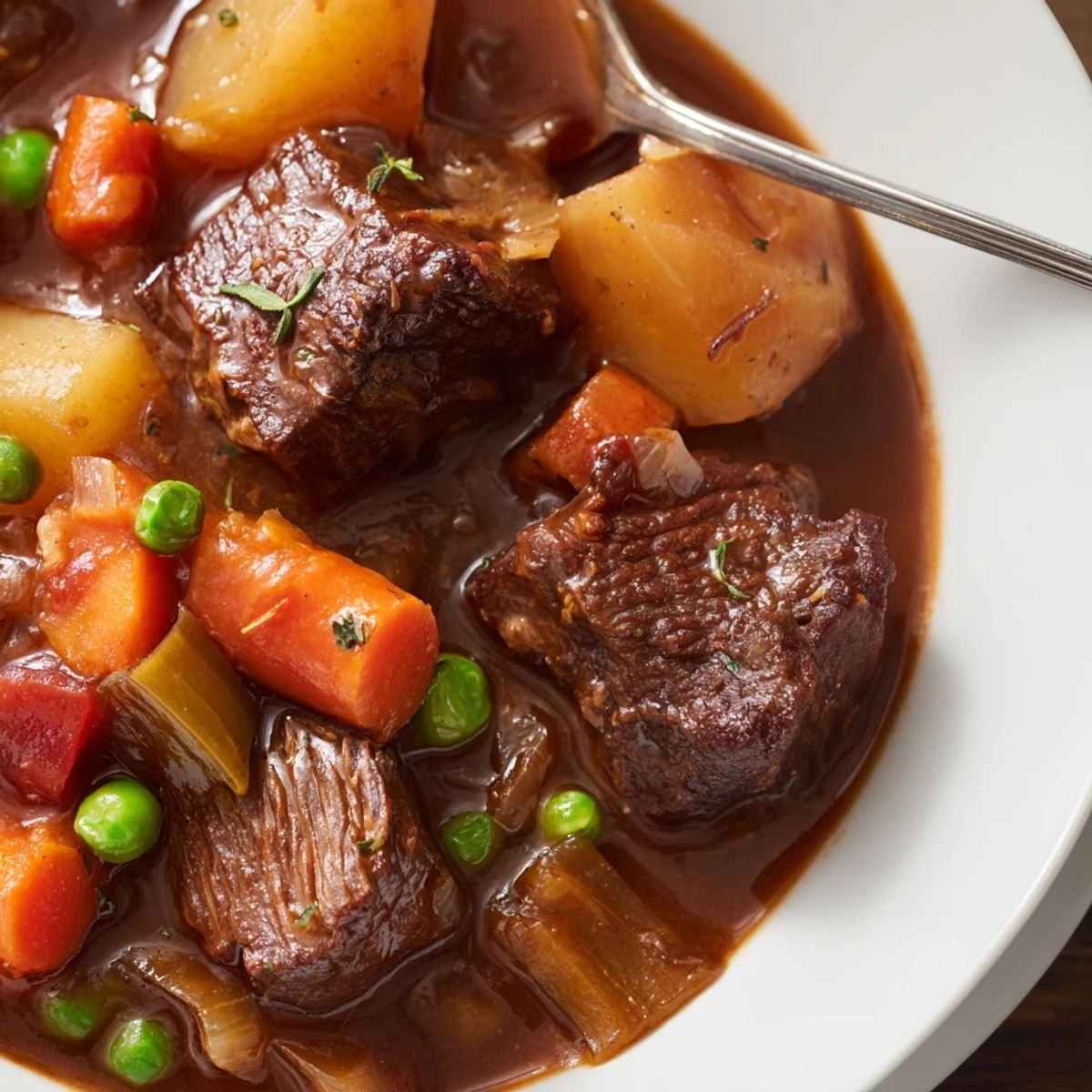
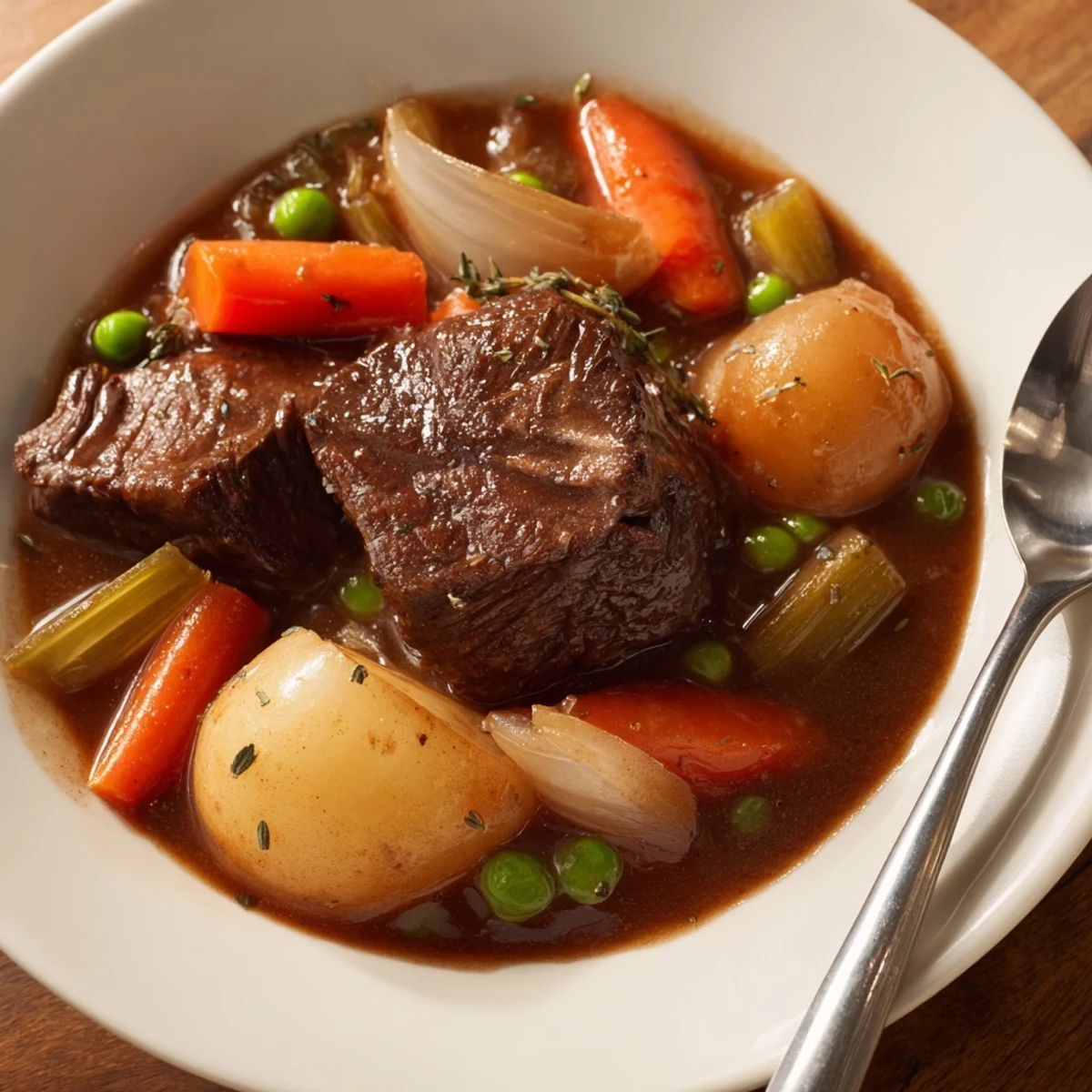
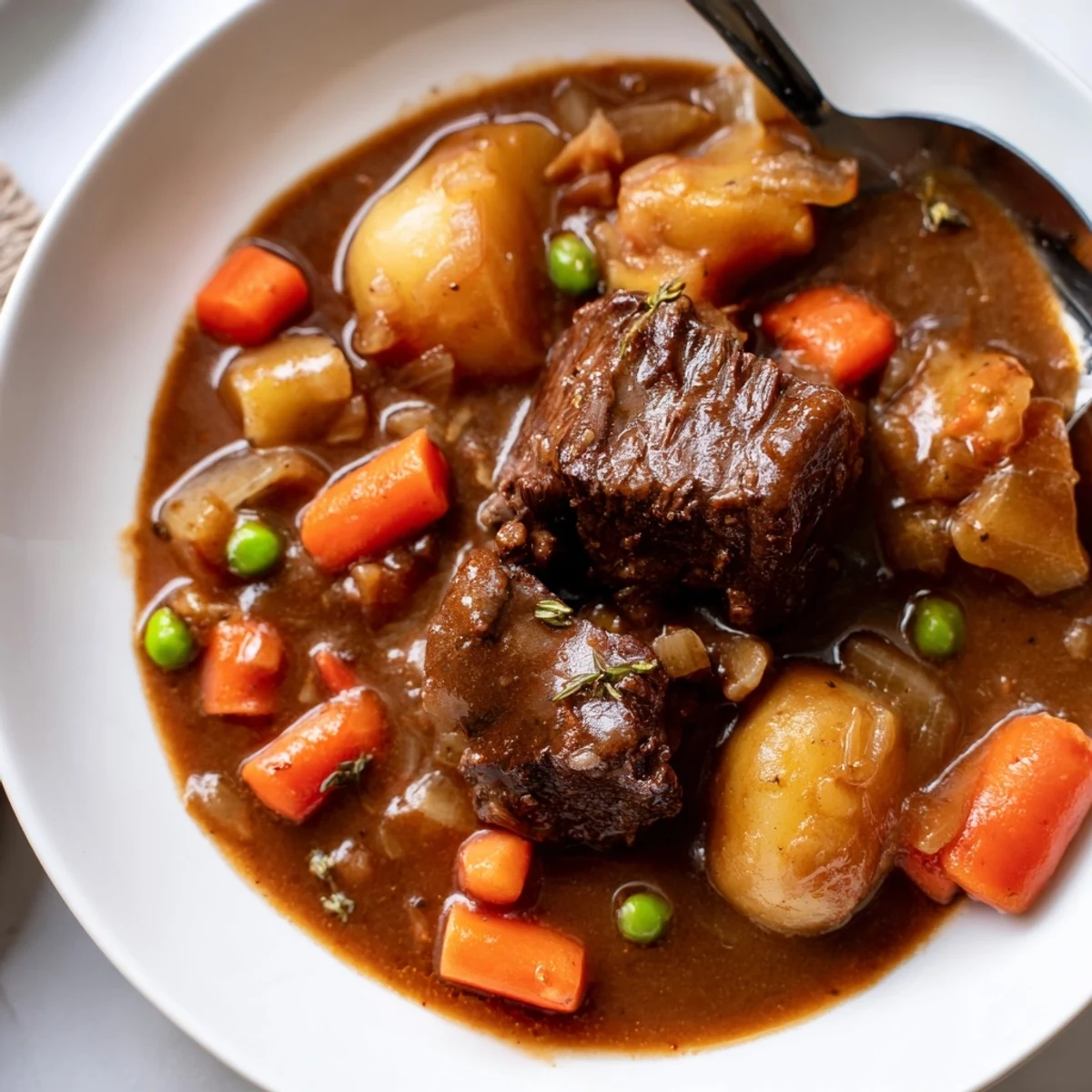
 This hearty stew calls for beef chuck browned in batches, then simmered low and slow with carrots, potatoes, celery, onion, garlic, red wine and beef stock. Tomato paste and flour (or cornstarch) help thicken the broth; bay leaves and thyme add depth. Simmer covered about 2 hours, finish with peas, adjust seasoning, and serve with crusty bread or buttered noodles. Flavors deepen overnight.
The rain was hammering against the kitchen window so hard I could barely hear the radio, and the only thing that felt right was pulling out the biggest pot I own and filling it with beef and vegetables until the whole house smelled like someone elses grandmother lived here.
My neighbor Dave knocked on the door that evening asking if I had a power tool he could borrow, and he ended up staying for two bowls and asking if I could teach his wife the recipe.
Ingredients
- Beef chuck: Two pounds cut into one and a half inch cubes, and please do not trim every last bit of fat because that marbling is where the tenderness comes from after a long simmer.
- Carrots: Four medium ones peeled and sliced into thick coins that hold their shape instead of turning to mush.
- Potatoes: Three large ones peeled and diced, and starchy varieties like russet will break down beautifully to thicken the broth naturally.
- Celery: Two stalks sliced thin, adding an earthy backbone that you might not notice on its own but would absolutely miss if it were gone.
- Onion: One large one chopped, cooked down until sweet and golden before anything else goes in.
- Garlic: Three cloves minced fine, added later so it never gets bitter or burnt.
- Frozen peas: One cup stirred in at the very end for a pop of bright green and sweetness.
- Beef stock: Three cups of good quality stock, and if yours tastes flat, add a splash of Worcestershire to wake it up.
- Dry red wine: One cup, and you do not need anything expensive, just something dry you would actually drink.
- Tomato paste: Two tablespoons stirred into the onions, building a savory foundation that makes the broth taste like it simmered twice as long.
- Vegetable oil: Two tablespoons for browning, and use one with a high smoke point so the beef sears rather than steams.
- Salt and black pepper: Season the beef generously before browning, because that early seasoning penetrates deeper than salt added at the end.
- Bay leaves: Two leaves dropped in whole and removed before serving, working quietly in the background like good stage lighting.
- Dried thyme: One teaspoon, rubbing it between your palms before dropping it in to release the oils.
- Paprika: Half a teaspoon for subtle warmth and a faintly ruddy color in the broth.
- All purpose flour: Two tablespoons to thicken, or swap in cornstarch if you need it gluten free.
Instructions
- Get that sear locked in:
- Heat the oil in a Dutch oven over medium high heat until it shimmers, then brown the seasoned beef cubes in batches without crowding the pot, letting each side develop a deep crust before removing to a plate.
- Wake up the aromatics:
- Drop the heat to medium, add the onion and garlic, and stir until the onions soften and turn translucent, about three minutes, then dump in the flour and tomato paste and cook for one minute until everything smells toasty and rust colored.
- Build the broth:
- Pour in the wine slowly, scraping up every last brown bit stuck to the bottom because that is concentrated flavor, then return the beef along with the carrots, celery, potatoes, stock, bay leaves, thyme, and paprika, stirring until it all comes together.
- Let time do the work:
- Bring everything to a boil, then drop the heat to low, clamp on the lid, and let it simmer for two hours, stirring once in a while so nothing catches on the bottom, while your kitchen fills with the kind of smell that makes people wander in asking when dinner is ready.
- Finish with peas and adjust:
- Take off the lid, stir in the frozen peas, and let it bubble uncovered for fifteen more minutes until the broth coats the back of a spoon, then fish out the bay leaves, taste, and add more salt and pepper until it sings.
 Pin it
 I packed the leftovers into a container for Dave, and he texted me the next morning at seven saying he was already eating it for breakfast.
Serving Suggestions
Crusty bread is the obvious and correct choice because you need something sturdy enough to soak up every drop of that broth, but buttered egg noodles work beautifully if you want something heartier beneath each spoonful.
Making It Ahead
Cool the stew completely before refrigerating, and the fat will rise to the top and solidify so you can lift it off in one sheet if you prefer a lighter broth, though I usually leave it because fat carries flavor.
Storage and Reheating
It keeps in the fridge for up to four days and freezes for three months, and the best way to reheat it is low and slow on the stove with a splash of water loosening things up.
- Freeze in individual portions so you never have to thaw more than you need.
- Gentle heat on the stove preserves the texture of the vegetables better than the microwave.
- Always taste and reseason after reheating because cold storage dulls saltiness.
 Pin it
 Some recipes are just dinner, but this one is the reason people linger at the table long after the bowls are empty, talking and laughing while the pot sits on the stove still warm and waiting.
Recipe FAQs
- → What cut of beef works best?
-
Choose beef chuck for its marbling and connective tissue; it becomes tender and flavorful after long, gentle simmering.
- → How do I thicken the broth?
-
Toss flour with sautéed onions or stir in a cornstarch slurry near the end of cooking. Simmer a few minutes to reach desired body.
- → Can I skip the wine?
-
Yes. Replace the wine with extra beef stock for an alcohol-free version; a splash of balsamic or Worcestershire adds similar depth.
- → How to make it gluten-free?
-
Use cornstarch instead of all-purpose flour to thicken and verify any packaged ingredients are labeled gluten-free.
- → Can this be prepared ahead?
-
Absolutely. Refrigerate overnight—the flavors mellow and intensify. Reheat gently on the stove; add a little stock if it thickens too much.
- → What should I serve with it?
-
Classic pairings include crusty bread, buttered noodles, mashed potatoes, or a simple green salad to balance the richness.