 Pin it
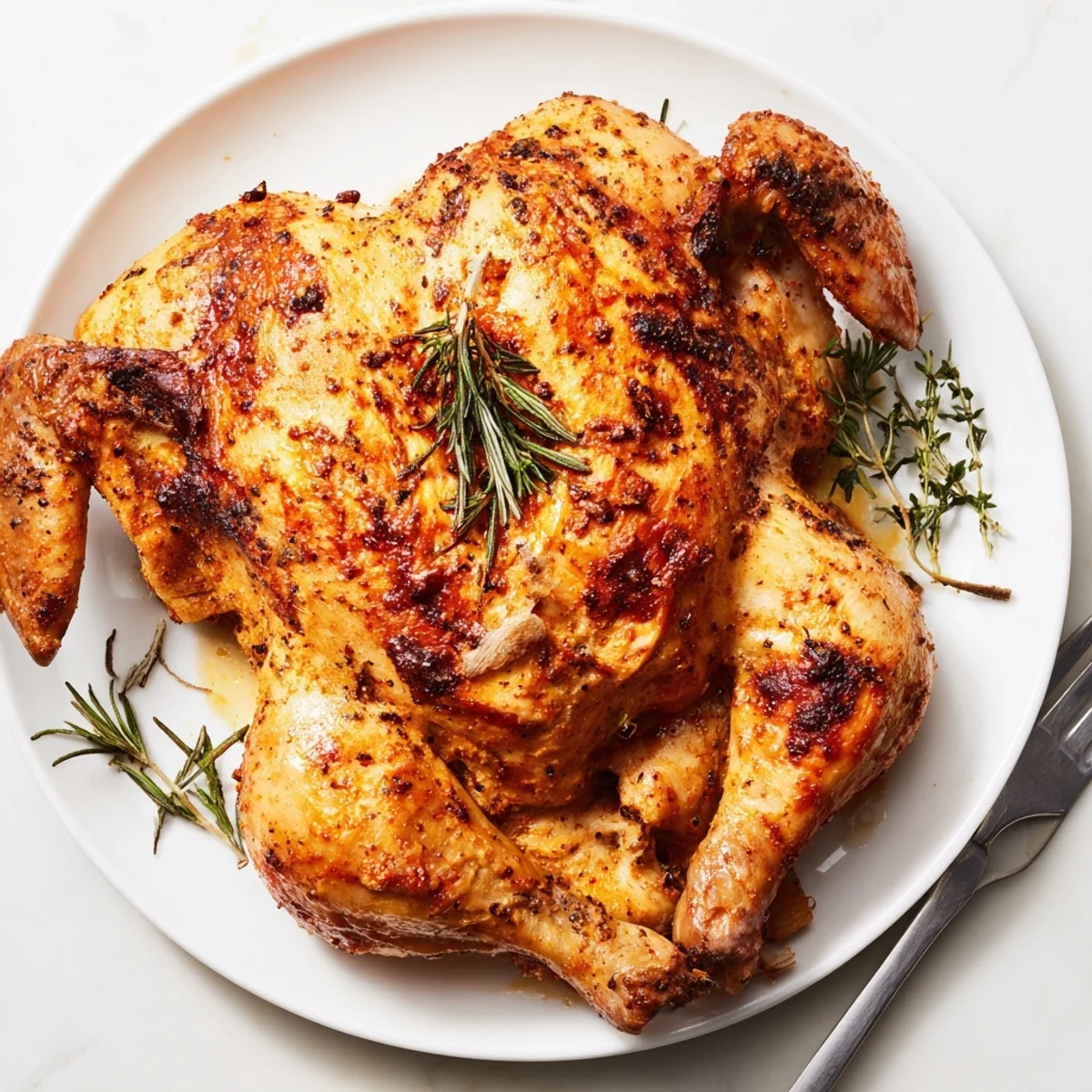
 Marinate a spatchcocked or cut chicken in tangy buttermilk with garlic, lemon, paprika and thyme for at least 8 hours to tenderize and infuse flavor. Pat dry, brush with oil and roast at 425°F (220°C) on a rack until skin is deep golden and internal temp reaches 165°F (74°C). Rest 10 minutes before carving for juicy, crisp results.
The screen door slammed shut behind me as I carried a glass of lemonade into my friends kitchen, where a whole chicken sat submerged in something cloudy and suspicious looking in her fridge. She swore it was the best thing shed ever learned to cook, and honestly, I thought she was exaggerating until I tasted it that evening, the meat practically falling off the bone with a tangy richness I couldnt stop thinking about for weeks. I went home and made it the very next weekend, calling her three times during the process to ask questions she found hilarious. That chicken converted me into a buttermilk believer forever.
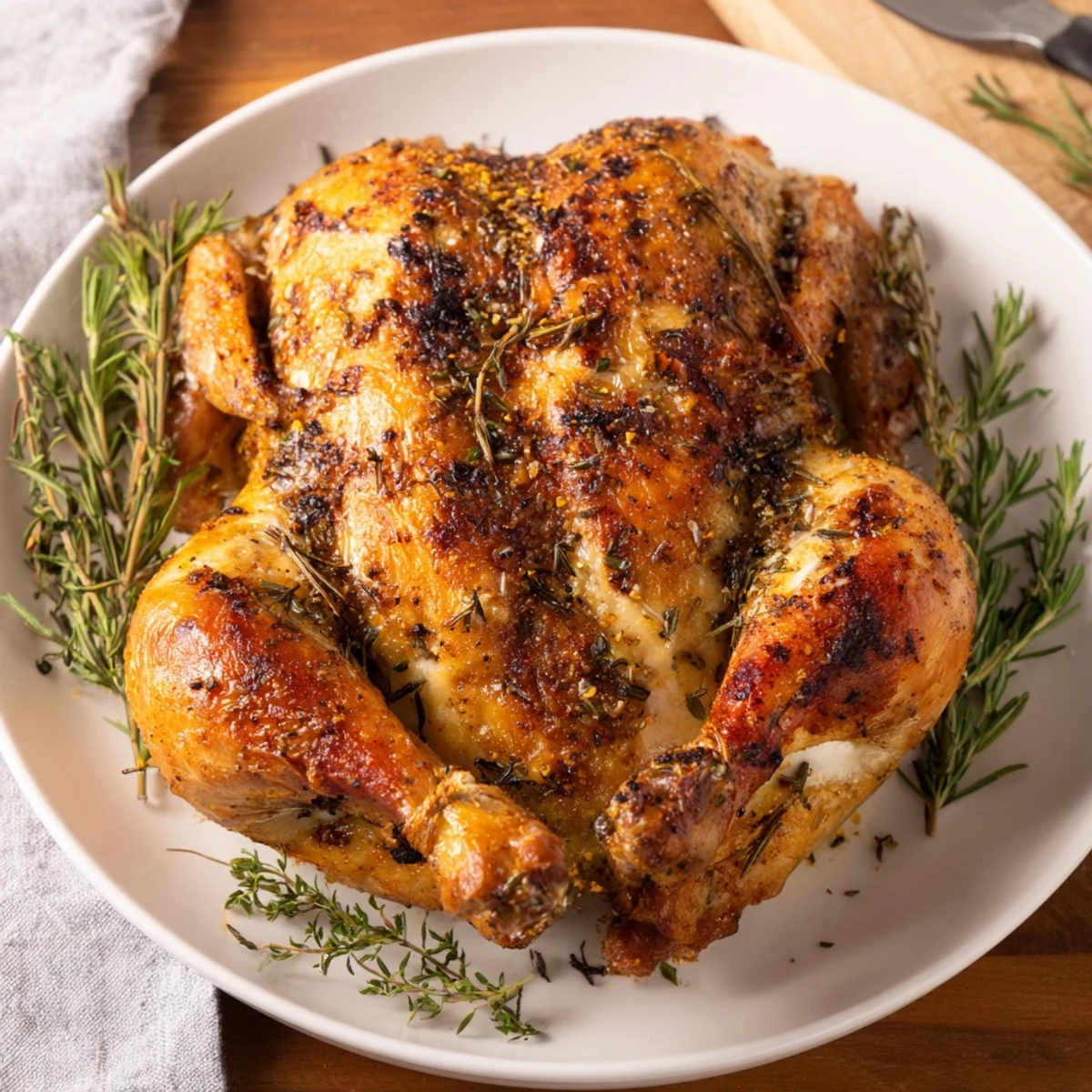
One rainy Sunday I pulled this chicken out of the oven right as my neighbor knocked on the door to return a borrowed ladder. The aroma hit him so forcefully he stood in the doorway speechless for a moment, and I ended up inviting him to stay for dinner. We sat at the kitchen counter tearing pieces off with our fingers, and he told me stories about his grandmothers fried chicken that I still think about whenever I make this.
Ingredients
- 1 whole chicken (about 3.5 to 4 lbs), spatchcocked or cut into 8 pieces: Spatchcocking helps it cook evenly and gives you more surface area for that glorious crispy skin.
- 2 cups buttermilk: This is the star of the show, and you cannot skip it or the texture will not be the same.
- 2 tbsp olive oil plus 1 tbsp for brushing: Use a decent quality oil since it carries flavor into the meat.
- 4 garlic cloves, minced: Fresh garlic only, the jarred stuff lacks the punch that makes this marinade sing.
- 1 tbsp kosher salt: Kosher salt distributes more evenly than table salt, which matters when you are seasoning a whole bird.
- 2 tsp black pepper: Freshly cracked always, the pre ground version tastes flat here.
- 1 tbsp paprika (sweet or smoked): Smoked paprika gives a campfire depth that is absolutely worth trying at least once.
- 2 tsp dried thyme: Rub it between your palms before adding to wake up the oils.
- Zest of 1 lemon and 1 tbsp lemon juice: The zest brings brightness while the juice adds just enough acid to balance the richness.
Instructions
- Build the marinade:
- Whisk together the buttermilk, olive oil, garlic, salt, pepper, paprika, thyme, lemon zest, and lemon juice in a large bowl until everything is smoothly combined and fragrant.
- Submerge the chicken:
- Plop the chicken into a large zip top bag or a non reactive container and pour the marinade over it, massaging the bag to make sure every crevice is coated before sealing and refrigerating for at least eight hours or preferably overnight.
- Prep for roasting:
- Take the chicken out of the marinade and let the excess drip off, discarding whatever is left behind, then preheat your oven to 425 degrees Fahrenheit while you pat the bird lightly with paper towels and brush it with olive oil.
- Roast until golden:
- Set the chicken on a rack over a rimmed baking sheet and roast for 45 to 60 minutes until the skin turns a deep gorgeous amber and a thermometer reads 165 degrees in the thickest part.
- Rest and serve:
- Let the chicken rest for a full ten minutes before carving so the juices redistribute, then garnish with fresh herbs if you have them and serve warm to anyone lucky enough to be in your kitchen.
 Pin it
 The first time I served this to my mother in law she closed her eyes after the first bite and I genuinely could not tell if she was impressed or disappointed. Then she asked for seconds and I quietly exhaled in relief, realizing this simple preparation had somehow won over the toughest critic at my table.
What to Serve Alongside It
I almost always roast whatever vegetables I have sitting around right alongside the chicken, tossing carrots, onions, and halved potatoes in a little olive oil and salt. The chicken drippings flavor everything on the sheet pan below, creating a side dish that tastes like you put far more effort into it than you actually did.
No Buttermilk, No Problem
If you open the fridge and realize you forgot to buy buttermilk, pour two cups of regular milk into a measuring cup and stir in two tablespoons of lemon juice or white vinegar. Let it sit for about ten minutes until it thickens and curdles slightly, and it will work beautifully in this recipe.
Leftovers Worth Fighting Over
Cold buttermilk chicken straight from the fridge the next morning is one of lifes most underrated pleasures, and I will not be convinced otherwise. If you want something slightly more civilized, shred the leftover meat into a salad or tuck it into a sandwich with good bread and a smear of mayonnaise.
- The skin loses its crunch overnight so either embrace the softer texture or reheat it briefly in a hot oven.
- Leftover meat freezes well in an airtight container for up to three months.
- Always save the bones for stock if you have the time.
 Pin it
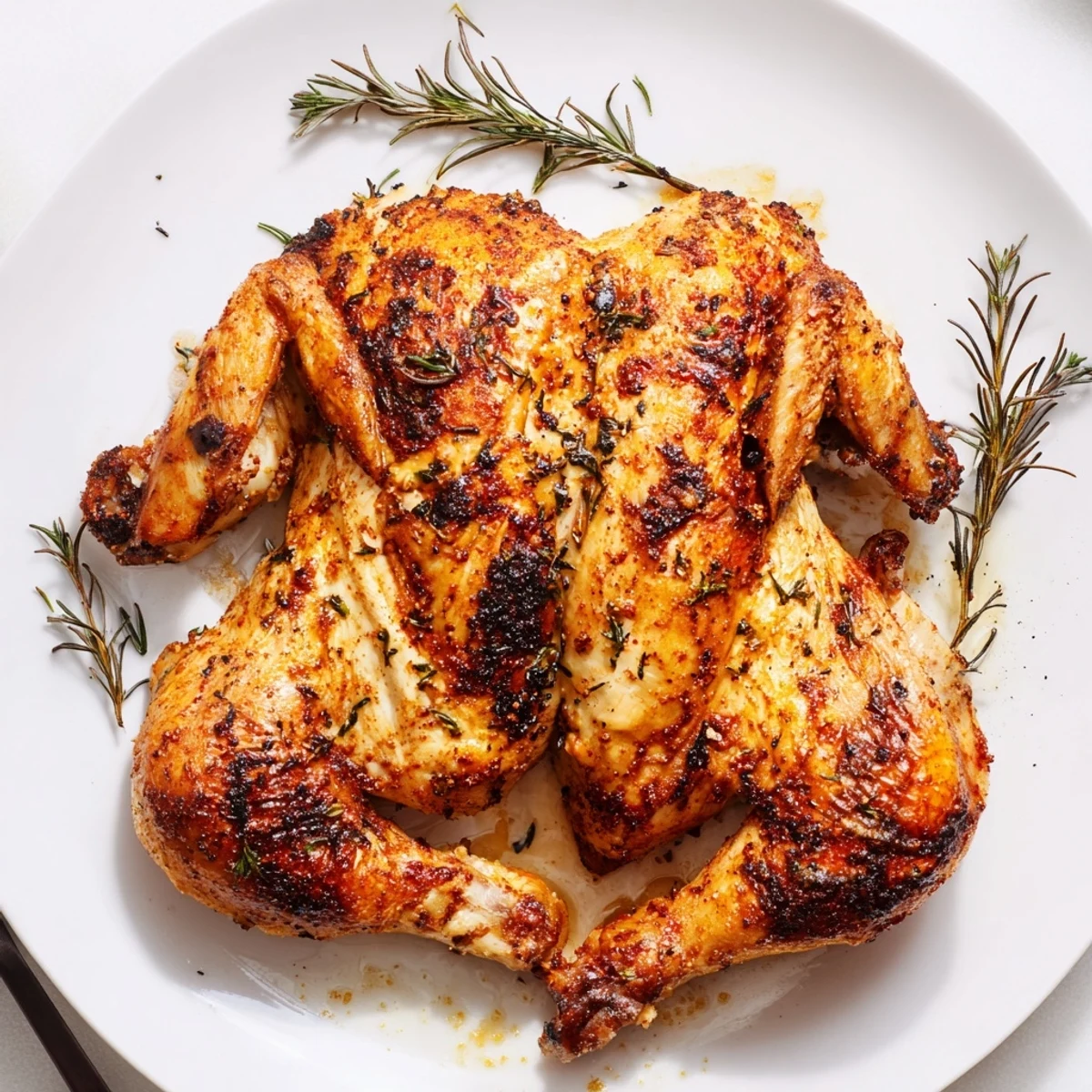
 Some recipes come and go from my weekly rotation, but this buttermilk roasted chicken has earned a permanent spot because it asks so little and delivers so much. Make it once and you will understand why I keep a jug of buttermilk in my fridge at all times.
Recipe FAQs
- → How long should the chicken marinate?
-
Marinate for at least 8 hours or overnight for best tenderness and flavor penetration; extending to 24 hours deepens the tang without compromising texture.
- → Can I substitute buttermilk?
-
Yes—mix 2 cups milk with 2 tablespoons lemon juice or white vinegar, let sit 5 minutes, then use as the buttermilk substitute to achieve similar acidity and tenderizing effects.
- → Why spatchcock the chicken?
-
Spatchcocking flattens the bird for even heat exposure, shortens roasting time, and helps the skin across the surface crisp more uniformly than a whole, unflattened bird.
- → How do I get extra-crispy skin?
-
Pat the skin dry before roasting, place the bird on a rack, roast at high heat (425°F/220°C), and brush lightly with oil. Let the chicken rest uncovered briefly to preserve crispness.
- → How do I check for doneness?
-
Use a meat thermometer in the thickest part of the thigh without touching bone; the internal temperature should read 165°F (74°C) and juices should run clear.
- → What is the best way to store and reheat leftovers?
-
Refrigerate cooled chicken in an airtight container for up to 3–4 days. Reheat gently in a 350°F (175°C) oven until warmed through to retain moisture and help revive the skin’s texture.