
 Pin it
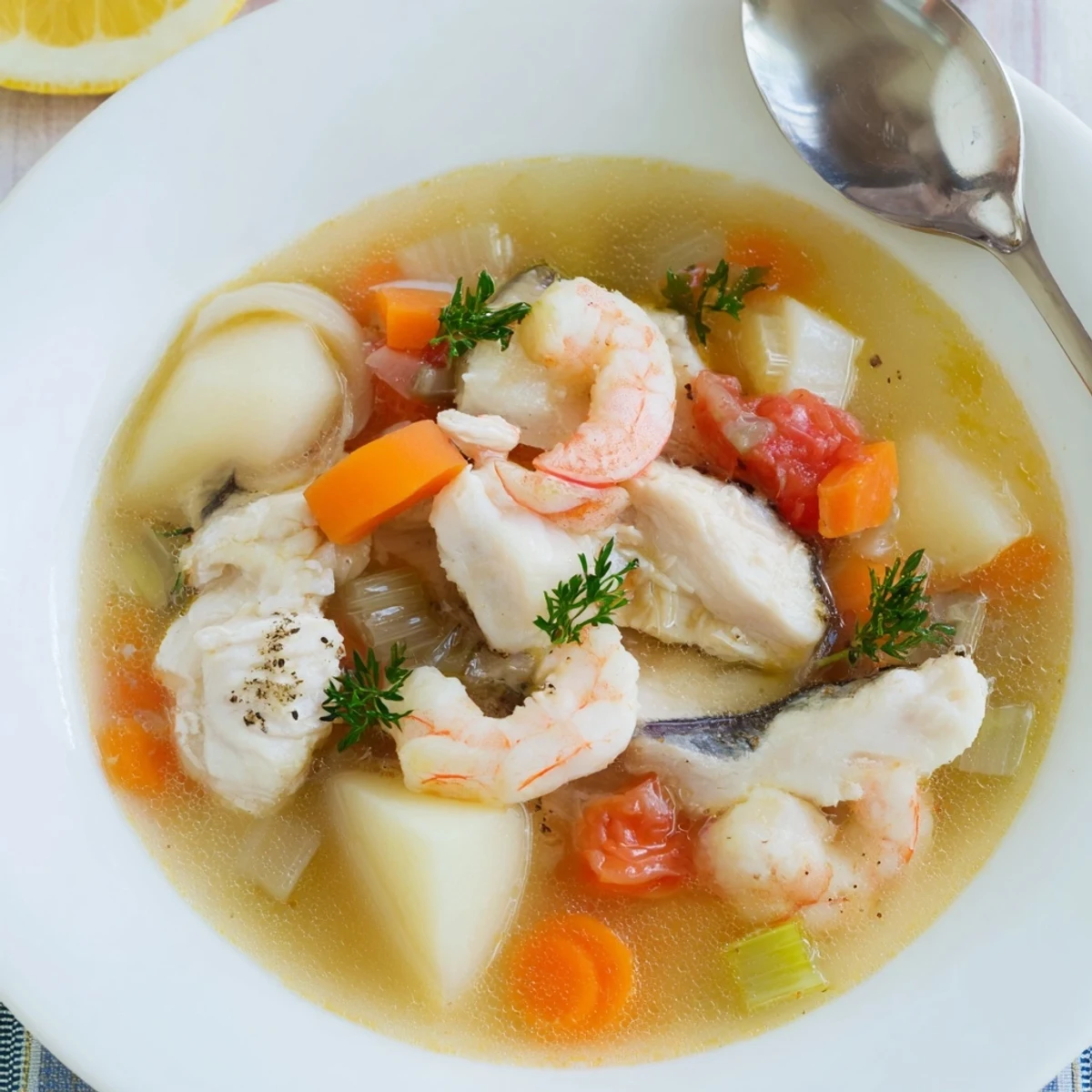
 Start by softening onion and leek in olive oil, then add garlic, carrots, celery and potatoes and cook briefly. Deglaze with dry white wine, stir in chopped tomatoes, fish stock and herbs, and simmer until vegetables are tender (about 15 minutes). Add white fish and shrimp and poach gently 5–7 minutes until the fish flakes. Finish with chopped parsley and lemon wedges; serve warm with crusty bread.
The rain was hammering against the kitchen window the afternoon I threw together whatever the fridge offered and stumbled onto the best fish soup I have ever tasted. A half used bottle of white wine sat next to leftover cod from the night before, and the smell of sautéed leeks filled the room almost immediately. My neighbor knocked on the door to return a borrowed bowl, took one sniff, and refused to leave until she got a taste. That pot barely lasted the evening.
I started making this regularly after a trip to a small fishing town in Portugal where every cafe had a pot simmering behind the counter. The locals kept it simple: fresh fish, humble vegetables, and patience. Back home I realized the secret was never about fancy seafood but about building layers of flavor slowly in one pot.
Ingredients
- 400 g white fish fillets: Cod or haddock work beautifully and their flaky texture soaks up the broth without falling apart.
- 150 g shrimp: Entirely optional but they add a sweetness that rounds everything out.
- 1 large onion: The foundation of every great soup so chop it small and let it melt down properly.
- 2 garlic cloves: Fresh is non negotiable here because the jarred stuff gets lost in the broth.
- 2 carrots: Slice them thin so they cook evenly and bring a gentle sweetness.
- 1 leek: Clean it thoroughly because grit hiding between the layers will ruin the entire pot.
- 2 medium potatoes: They thicken the broth slightly as they break down and make the soup hearty.
- 2 celery stalks: An underrated player that adds a savory depth most people cannot quite identify.
- 1 can chopped tomatoes: They provide acidity and body so do not drain them before adding.
- 1 L fish stock: Homemade is ideal but a good quality store bought version works fine on busy days.
- 100 ml dry white wine: Something you would actually drink because cooking wine is a lie.
- 2 tbsp olive oil: Use a decent one since it is the first thing to hit the pot.
- 1 bay leaf, dried thyme, and dried oregano: A humble trio that does heavy lifting behind the scenes.
- Salt and pepper: Season gradually and taste as you go.
- Fresh parsley and lemon wedges: Never skip these because the bright finish transforms the bowl.
Instructions
- Soften the aromatics:
- Warm the olive oil in a large pot over medium heat and cook the onion and leek until they turn translucent and fragrant, about five minutes.
- Build the vegetable base:
- Stir in the garlic, carrots, celery, and potatoes, letting them sweat together for another five minutes until the edges begin to soften.
- Introduce the liquids:
- Pour in the white wine and let it bubble for two minutes to cook off the harsh alcohol, then add the tomatoes, fish stock, bay leaf, thyme, and oregano.
- Simmer until tender:
- Bring everything to a boil, lower the heat, cover the pot, and let it simmer gently for fifteen minutes until the vegetables yield easily to a fork.
- Add the seafood:
- Gently lower the fish chunks and shrimp into the broth and simmer for five to seven minutes, just until the fish flakes and the shrimp curl pink.
- Season and finish:
- Taste the broth and adjust salt and pepper as needed, then fish out the bay leaf before anyone finds it the hard way.
- Serve with care:
- Ladle into warm bowls, scatter fresh parsley over the top, and hand everyone a lemon wedge to squeeze over their portion.
 Pin it
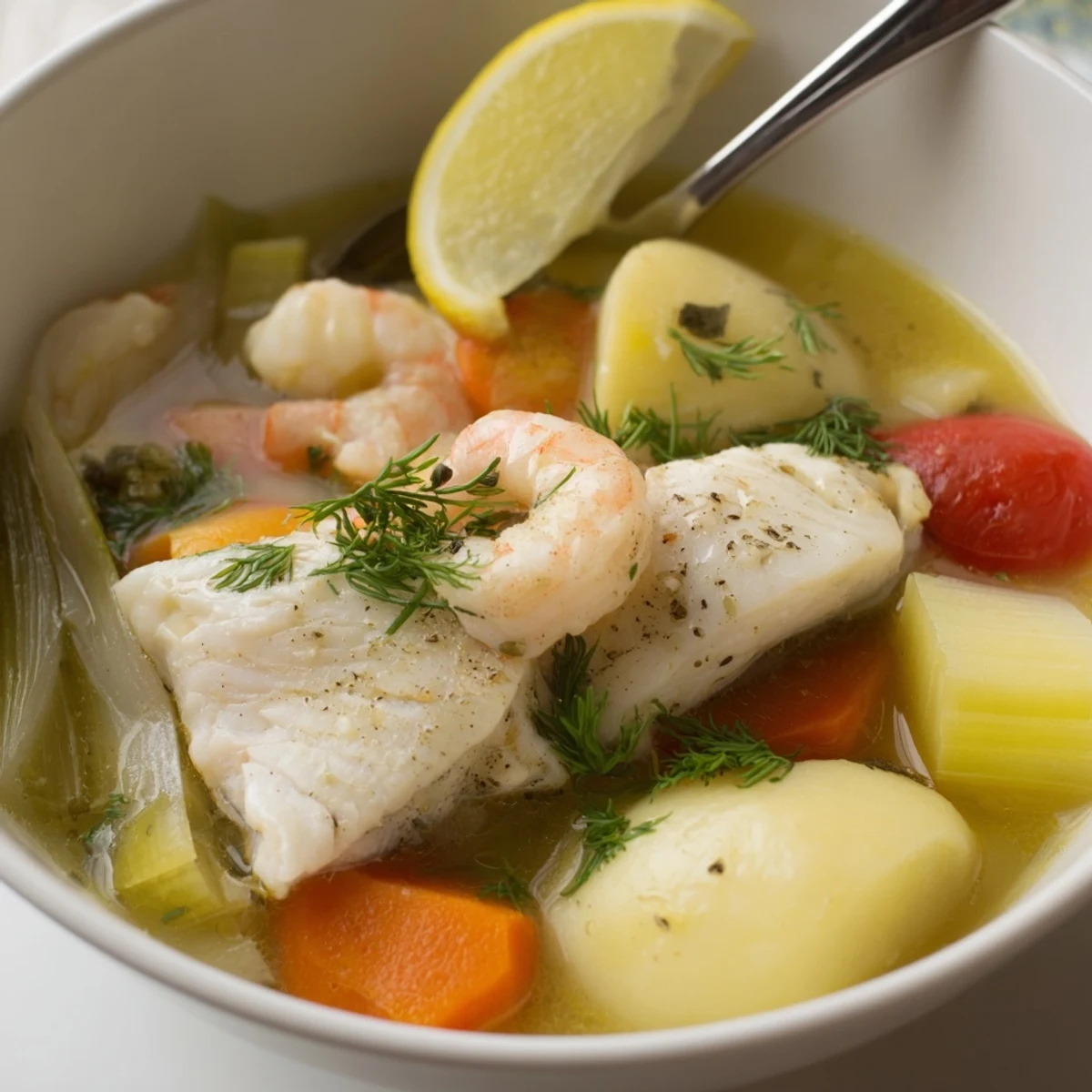
 There is something quietly powerful about placing a steaming bowl of fish soup in front of someone who has had a long day.
Getting the Broth Right
The broth is the soul of this dish and it rewards patience more than skill. Letting the wine reduce fully before adding the stock removes any sharpness and leaves behind a subtle richness. If your stock tastes flat on its own, a splash of lemon juice at the end can wake it up instantly.
Choosing Your Fish
Firm white fish holds up best during simmering and cod is the most forgiving option for beginners. Salmon works if you want something richer but it changes the character entirely. Smoked fish is a wild card that turns the broth into something deeply savory and almost addictive.
Serving and Storing
This soup is best the day it is made but the flavors deepen overnight in the fridge if you store the broth and fish separately. Reheat gently on the stove because boiling will toughen the seafood.
- Crusty bread is not optional in my house because it is the only proper tool for soaking up every drop.
- A pinch of chili flakes on top changes the entire experience for those who like heat.
- Always taste the broth one last time before serving because salt needs adjust after refrigeration.
 Pin it
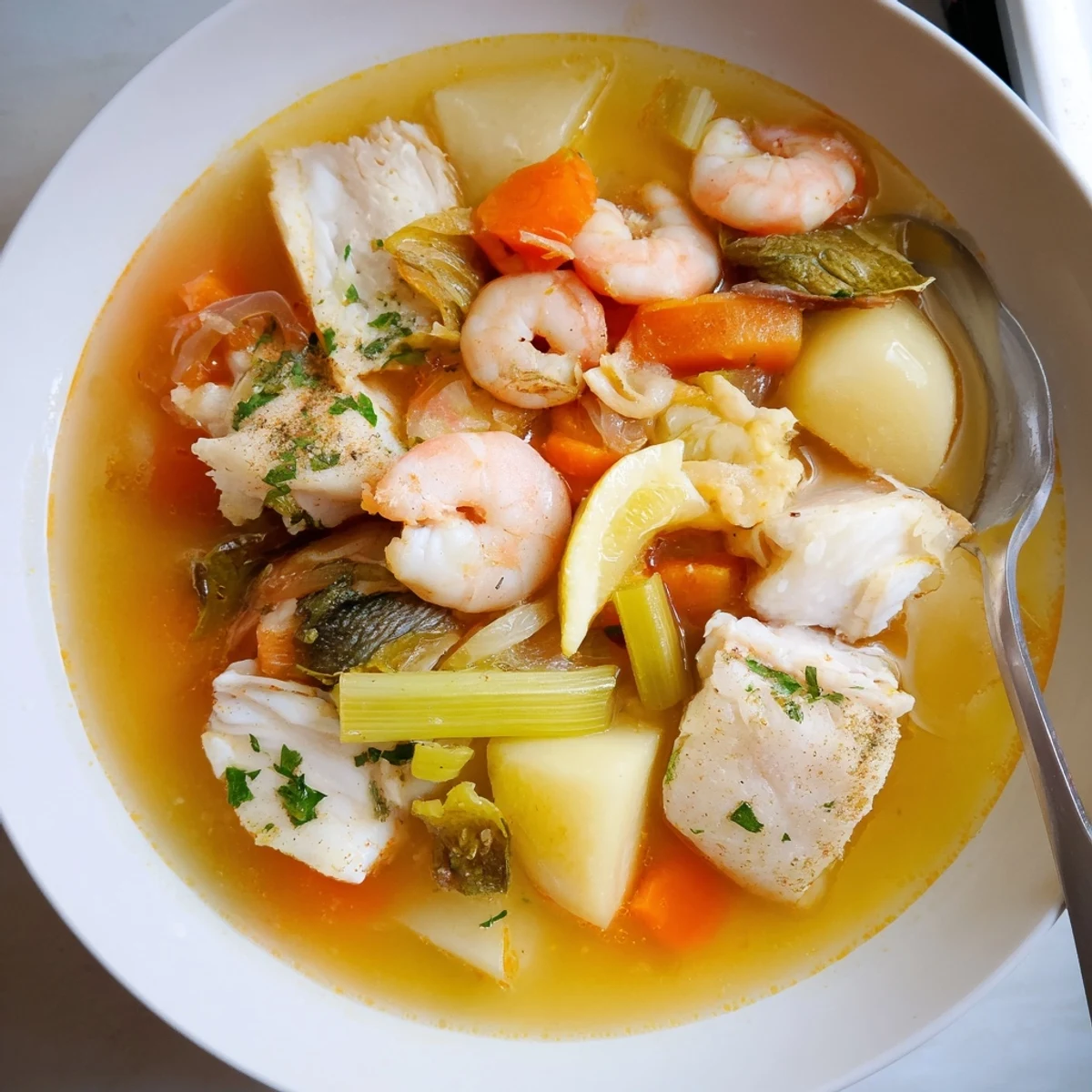
 Keep this recipe close because it will rescue you on rainy evenings, surprise guests, and nights when nothing complicated will do.
Recipe FAQs
- → How long should the fish cook in the broth?
-
Poach fish pieces gently for 5–7 minutes, or until they flake easily with a fork. Thicker fillets may need an extra minute or two—watch closely to avoid overcooking.
- → Can I substitute other seafood for the white fish?
-
Yes. Salmon, pollock or halibut work well; add delicate shellfish like mussels or clams near the end. Smoked fish can be used for a deeper flavor but should be added late to prevent drying.
- → How can I make the broth richer or creamier?
-
For a richer finish, stir in a splash of cream at the end (if not avoiding dairy) or mash a few cooked potatoes into the broth. Blending a cup of the soup and returning it will also thicken and enrich the texture.
- → What wine is best for deglazing?
-
Use a dry white such as Sauvignon Blanc or Pinot Grigio. Add it after the vegetables soften and simmer briefly to reduce sharp alcohol notes while preserving acidity.
- → How should I store and reheat leftovers?
-
Cool quickly and refrigerate up to 2 days. Reheat gently over low heat to avoid overcooking the fish—add a splash of stock or water if the broth has reduced.
- → Any tips for boosting flavor without extra salt?
-
Use a good-quality fish or vegetable stock, add a squeeze of lemon at the end to brighten flavors, and finish with fresh parsley. A small pinch of chili flakes can also lift the profile without salt.