
 Pin it
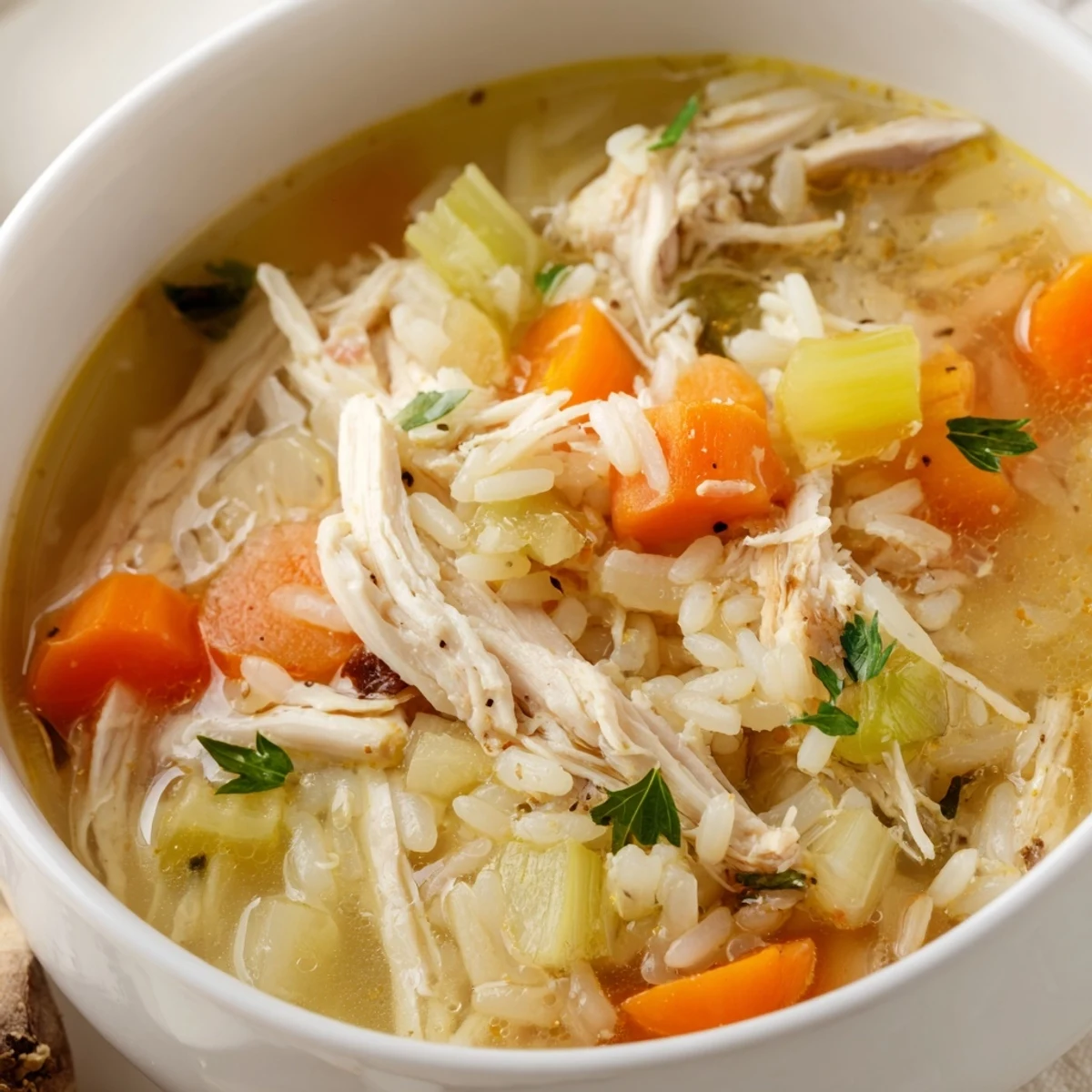
 This classic preparation begins by simmering a whole chicken or bone-in thighs with carrots, celery, onion, garlic, bay leaves and thyme in cold water or low-sodium broth. Skim foam, simmer gently 45–60 minutes, then remove, shred the meat and return it to the pot. Optional noodles or rice cook briefly in the broth. Finish with fresh parsley or dill and adjust seasoning.
Sautéing the vegetables first adds depth, and flavors deepen overnight—use gluten-free pasta or rice to keep it gluten-free.
The screen door slapped shut behind me and the smell hit before I even got my boots off, a deep golden steam curling through my grandmothers kitchen like it owned the place. She never measured anything, just tipped vegetables into the pot with a shrug and said the soup knows when its ready. Thirty years later I still hear her voice every time I skim foam off a simmering pot of chicken soup.
One January my daughter came home from school with a raspy cough and flushed cheeks, and I made this soup while she napped on the couch wrapped in a quilt. She ate two bowls standing at the counter because she said she was too tired to sit down, then asked for a third.
Ingredients
- 1 whole chicken cut into pieces or 800 g chicken thighs and breasts, bone in, skin on: The bones are the whole point here, they give the broth body and richness that boneless meat simply cannot provide.
- 3 medium carrots, sliced: Cut them on a slight angle for prettier bowls and watch them sweeten the broth as they soften.
- 2 celery stalks, chopped: Do not skip these, they form the aromatic backbone alongside the onion.
- 1 large onion, diced: A rough chop is fine since it will melt into the broth over the long simmer.
- 3 garlic cloves, minced: Fresh garlic stirred in at the start adds a subtle warmth that powder never replicates.
- 2 bay leaves: Remember to fish them out before serving because biting into one is an unpleasant surprise.
- 1 parsnip, peeled and sliced: Optional but worth trying for a faint sweetness that most people cannot quite identify but always enjoy.
- 2 liters cold water or low sodium chicken broth: Starting with cold liquid helps the proteins release slowly for a clearer, cleaner tasting soup.
- 1 tsp whole black peppercorns: Whole peppercorns flavor the broth gently without leaving gritty specks in every spoonful.
- 1 small bunch fresh parsley: Add the stems to the pot early and save the leaves for garnish.
- 1 tsp dried thyme or 3 sprigs fresh thyme: Thyme and chicken are old friends and you taste that connection immediately.
- 1 and a half tsp salt: Start here and adjust at the end because you can always add more but never take it away.
- 150 g egg noodles or rice: Noodles turn this from a broth into a full meal but add them close to serving so they do not go mushy.
- Fresh dill, chopped: A handful at the end makes the whole bowl smell like a garden.
Instructions
- Start the broth:
- Nestle the chicken pieces into a large pot and pour in the cold water or broth. Bring it to a gentle simmer over medium heat and use a spoon or skimmer to clear away the gray foam that rises, since leaving it makes the soup cloudy and slightly bitter.
- Build the flavor:
- Drop in the carrots, celery, onion, garlic, parsnip if you are using one, bay leaves, peppercorns, thyme, and salt. Let everything simmer uncovered for about 45 to 60 minutes until the chicken is cooked through and the vegetables yield easily when you press them with a fork.
- Pull the chicken:
- Lift the chicken out carefully with tongs and set it on a plate to cool just enough to handle. Discard the skin and bones, then tear or chop the meat into bite sized pieces.
- Add noodles or rice:
- If you want something heartier, stir in the noodles or rice now and let them cook for about 8 to 10 minutes until tender. Drop the shredded chicken back in to warm through.
- Finish and taste:
- Remove the bay leaves and any thick herb stems floating around. Taste the broth and add more salt if it needs it, since properly seasoned soup should make you close your eyes on the first sip.
- Serve with love:
- Ladle into deep bowls, scatter fresh parsley and dill over the top, and carry them to the table while the steam is still rising.
 Pin it
 There is a specific kind of quiet that settles over a table when everyone is eating good chicken soup, spoons moving in unison, nobody talking much because their mouths are full and the warmth has softened the edges of the day.
Making It Ahead Changes Everything
Let the soup cool completely uncovered before transferring it to containers, because sealing hot soup traps condensation and waters down the flavor overnight. The broth will thicken slightly in the refrigerator as the collagen sets, which is completely normal and actually a sign you did it right.
Storage That Actually Works
Keep the soup in the fridge for up to four days, but if you added noodles store them separately because they drink up broth like sponges and turn to mush by day two. For freezing, portion into flat freezer bags, squeeze out the air, and lay them flat so they stack neatly and thaw fast when you need them.
Tools Worth Having
A heavy bottomed pot distributes heat evenly and reduces the chance of scorching on the bottom during that long simmer. A skimmer or slotted spoon makes foam removal almost effortless.
- A sharp knife makes quick work of all those vegetables and saves your wrists.
- A ladle with a pour spout makes serving cleaner and less frustrating.
- Taste the broth before serving because refrigeration dulls salt and you may need one final pinch.
 Pin it
 Some recipes you follow out of curiosity and some you cook because they feel like home, and this is the one I reach for when nothing else will do. May your pot always bubble gently and your bowls always be warm.
Recipe FAQs
- → How long should I simmer the chicken?
-
Simmer gently for 45–60 minutes until the chicken is fully cooked and vegetables are tender. Bone-in pieces yield a richer broth.
- → Can I make the broth richer?
-
Sauté the vegetables in a little olive oil before adding liquid, and use bone-in chicken or add a few extra simmering minutes to extract more collagen and flavor.
- → How do I store and reheat leftovers?
-
Cool to room temperature, refrigerate in an airtight container for 3–4 days or freeze for up to 3 months. Reheat gently on the stove, adding a splash of water if the broth concentrates.
- → Can I use noodles or rice?
-
Yes. Add egg noodles or rice in the final 8–10 minutes of cooking. For a gluten-free version, choose rice or gluten-free pasta and cook until tender.
- → How should I shred the chicken?
-
Remove meat from bones after cooling slightly, discard skin and bones, then shred with two forks or chop to preferred bite size before returning to the broth.
- → How do I adjust seasoning?
-
Taste after returning the shredded chicken and cooked starches. Add more salt and freshly ground pepper as needed; finish with chopped parsley or dill for brightness.