 Pin it
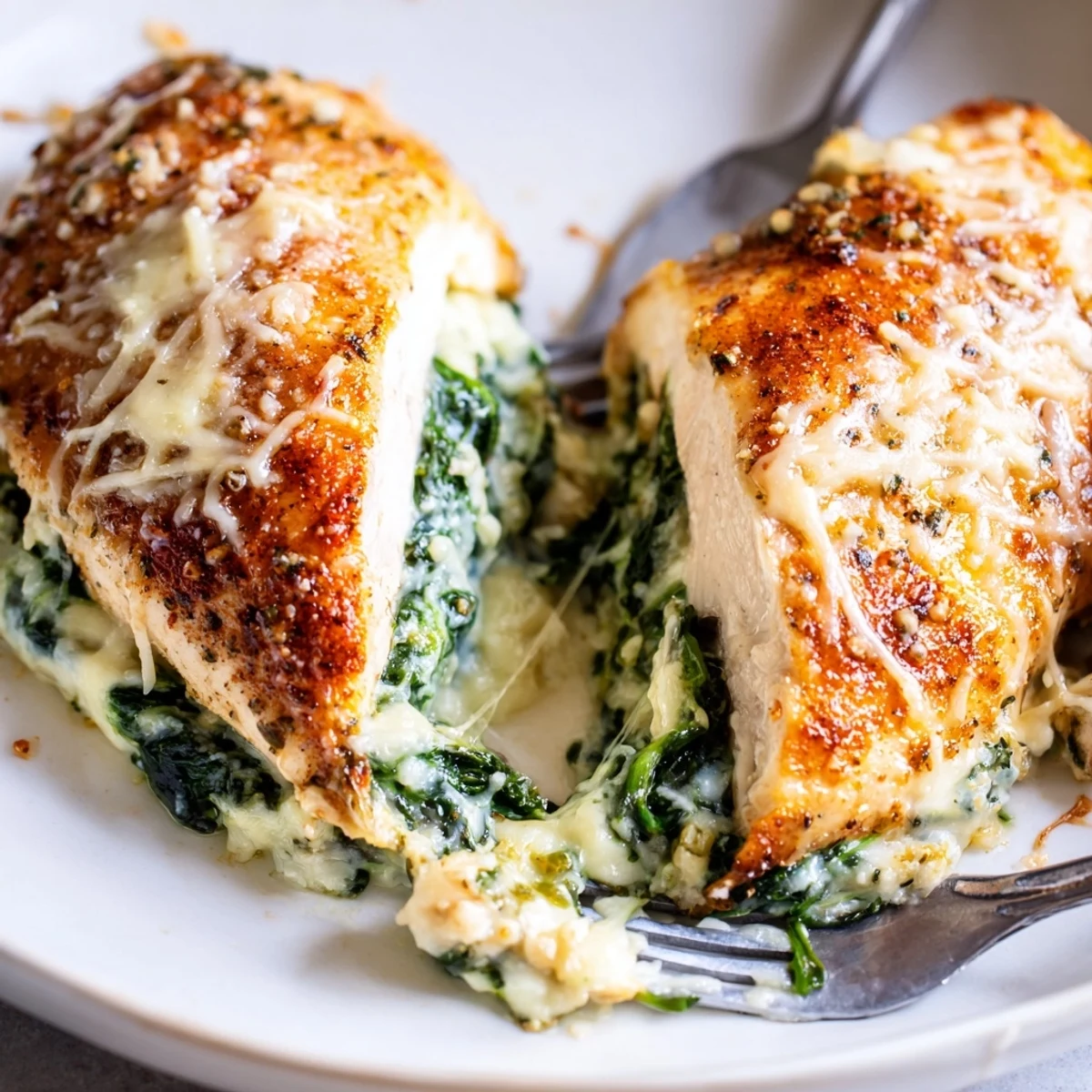
 Prep a creamy filling by combining ricotta, chopped spinach, Parmesan, minced garlic and Italian herbs. Slice pockets into boneless breasts, season, and stuff evenly; secure if needed. Quickly sear in a hot skillet for color, transfer to a baking dish, top with mozzarella and bake until cooked through. Rest briefly before serving. Tip: drain spinach well and add sun-dried tomatoes or basil for brightness.
The sizzle of chicken hitting a hot skillet on a rainy Tuesday evening is one of those sounds that instantly makes a kitchen feel alive. I had a tub of ricotta sitting in the fridge and a bag of spinach that was one day away from becoming compost, so necessity handed me this recipe. What started as a frantic fridge cleanout became the dinner my roommate still texts me about every few months. Sometimes the best dishes find you, not the other way around.
I brought this to a potluck once and watched three people hover near the baking dish pretending to chat while loading second helpings onto their plates. There is something deeply satisfying about stuffing anything with cheese and watching people lose their composure over it.
Ingredients
- 4 boneless skinless chicken breasts: Pick ones that are roughly the same thickness so they cook evenly and the pocket is easier to cut.
- 1 tablespoon olive oil: A good glug for searing, and honestly a little extra never hurt anyone.
- Salt and black pepper: Season generously on both sides because the chicken itself needs flavor, not just the filling.
- 1 cup ricotta cheese: Whole milk ricotta makes the creamiest filling, but part skim works if that is what you have.
- 1 cup fresh spinach chopped: Fresh wilts beautifully into the filling, though frozen spinach that has been squeezed absolutely dry in a towel works in a pinch.
- 1/4 cup grated Parmesan cheese: This adds a salty depth that the ricotta alone cannot achieve.
- 1 garlic clove minced: One is enough here because raw garlic in the filling can overpower the delicate spinach and cheese balance.
- 1/2 teaspoon dried Italian herbs: A blend of basil, oregano, or thyme brings everything into Italian territory without masking the other flavors.
- 1/4 teaspoon nutmeg optional: A tiny pinch is a quiet trick borrowed from Italian cooking that makes spinach taste richer.
- 1/2 cup shredded mozzarella cheese: For the golden bubbly topping that makes this dish impossible to resist.
- 2 tablespoons grated Parmesan cheese: Mixed with the mozzarella for a topping that browns beautifully and tastes complex.
Instructions
- Preheat and prepare your baking dish:
- Set your oven to 200 degrees Celsius or 400 degrees Fahrenheit and lightly grease a baking dish with olive oil or cooking spray so nothing sticks later.
- Create the pocket in each chicken breast:
- Lay the chicken flat on a cutting board and carefully slice a deep pocket into the thickest side, stopping before you cut all the way through, because an open pocket means lost filling.
- Season the chicken inside and out:
- Sprinkle salt and pepper over both sides and gently inside each pocket so every layer of the dish carries seasoning.
- Mix the spinach ricotta filling:
- Combine the ricotta, chopped spinach, Parmesan, minced garlic, Italian herbs, nutmeg if you are using it, and a pinch of salt and pepper in a bowl until it looks like a thick, creamy green paste.
- Stuff each breast generously:
- Spoon the filling evenly into each pocket, pressing gently so it reaches deep inside, and secure the opening with a toothpick if the chicken tries to spill its secrets.
- Sear for a golden crust:
- Heat olive oil in a skillet over medium high heat and sear the stuffed breasts for about two minutes per side until you see a light golden color that promises texture and flavor.
- Top with cheese and bake:
- Transfer the seared chicken to your baking dish, pile mozzarella and the remaining Parmesan on top of each breast, and bake for 20 to 25 minutes until the cheese is bubbling and the internal temperature hits 74 degrees Celsius.
- Rest and serve:
- Remove the toothpicks, let the chicken rest for five minutes so the filling settles, and serve while everything is still hot and gooey.
 Pin it
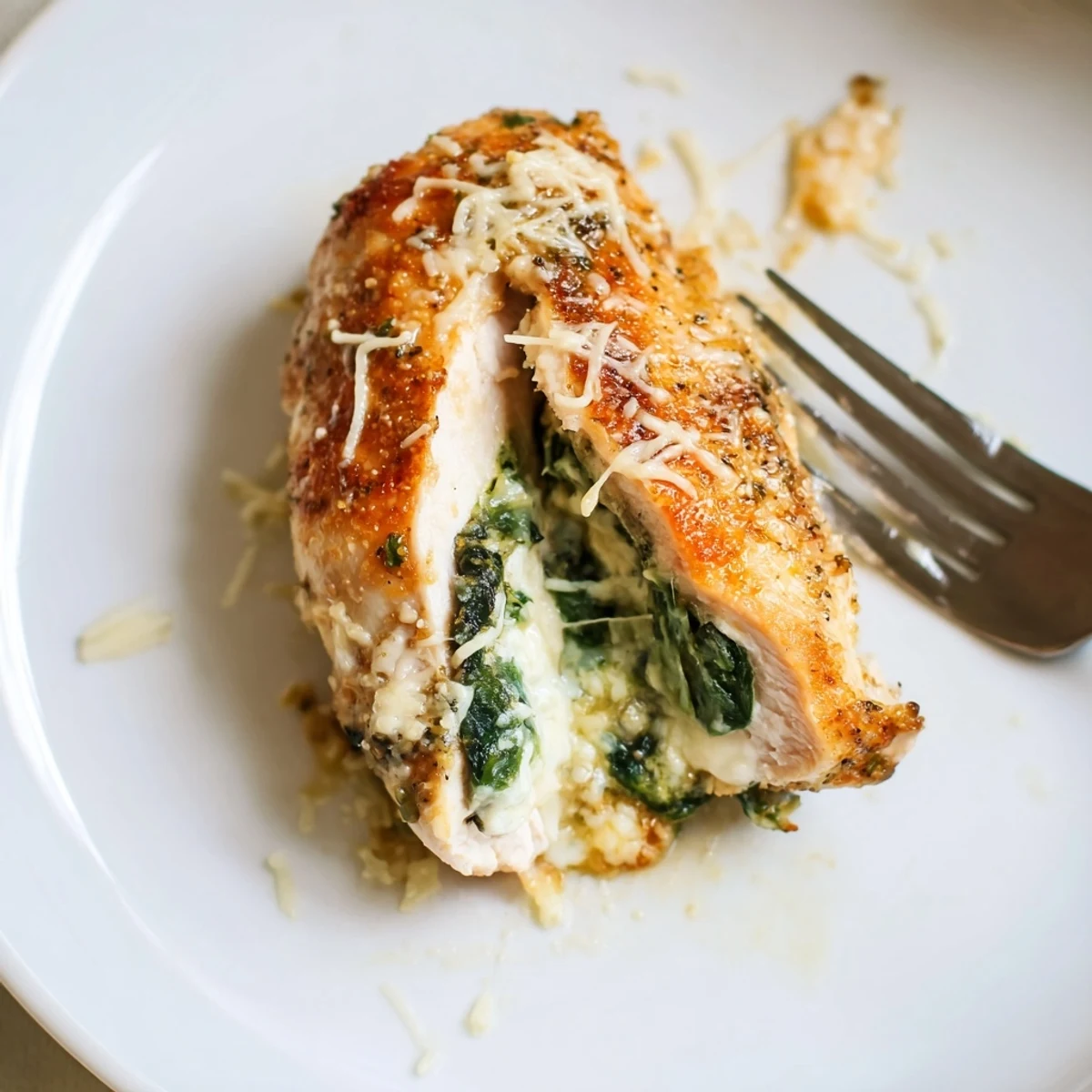
 One cold evening I made this for a friend who had just gone through a rough breakup, and she sat at my kitchen counter eating it in complete silence for ten minutes before finally saying that everything was going to be okay. Food does that sometimes.
What to Serve Alongside
This chicken is rich enough on its own but truly shines next to something bright and acidic that cuts through the cheese. A simple arugula salad with lemon juice and olive oil, or some roasted broccoli with a little garlic, creates the kind of balance that makes you go back for seconds without feeling heavy.
Making It Your Own
Sun dried tomatoes chopped and folded into the filling add a tangy sweetness that completely changes the character of the dish in the best way. Fresh basil leaves layered inside the pocket before closing bring a summery freshness, and a pinch of red pepper flakes in the filling gives it a gentle warmth that does not overpower but keeps things interesting.
Getting Ahead and Storing Leftovers
You can stuff the chicken breasts hours ahead and keep them covered in the fridge until dinnertime, which makes this surprisingly practical for entertaining. Leftovers reheat well in the oven at a low temperature, though the microwave works if you accept that the crust will soften.
- Assemble everything in the morning and sear right before baking for the freshest result.
- Leftovers keep in an airtight container in the fridge for up to three days and make an excellent cold lunch the next day.
- Always check that the reheated chicken reaches 74 degrees Celsius internally before serving again.
 Pin it
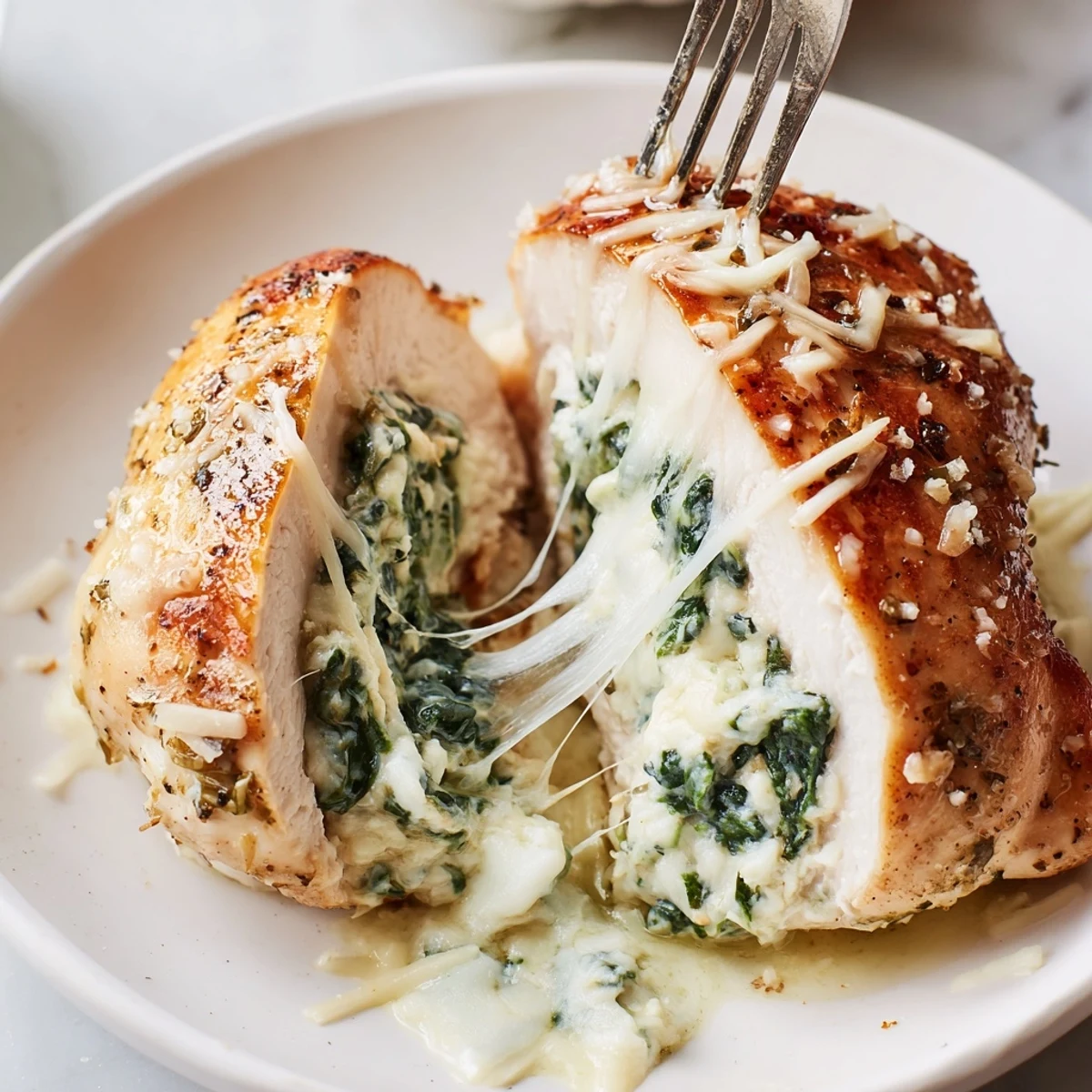
 This is the kind of recipe that earns a permanent spot in your rotation because it rewards you with far more than the effort you put in. Share it with someone who needs a good dinner and a little warmth tonight.
Recipe FAQs
- → Can I use frozen spinach instead of fresh?
-
Yes. Thaw fully and squeeze out as much liquid as possible to avoid a wet filling. Chop if needed and fold into the ricotta once dry.
- → How do I prevent the filling from falling out during cooking?
-
Don't overfill the pocket and press the edges gently closed. Secure with toothpicks if needed and sear seams first to help seal before baking.
- → What is the best way to know when the chicken is done?
-
Use an instant-read thermometer: the internal temperature should reach 74°C (165°F). Alternatively, slice into the thickest part to ensure juices run clear and no pink remains.
- → Any good cheese substitutions for ricotta?
-
Cottage cheese (drained) or mascarpone can work if you want a silkier texture; mix with grated Parmesan to boost savory flavor and adjust salt accordingly.
- → Should I sear the chicken before baking?
-
Yes—searing for a minute or two per side adds color and extra flavor. Finish in the oven so the filling cooks through and the cheese on top melts evenly.
- → What sides and beverages pair well with this dish?
-
Serve with a crisp green salad or roasted vegetables. A light white wine, such as Pinot Grigio, complements the creamy filling and bright herbs.