
 Pin it
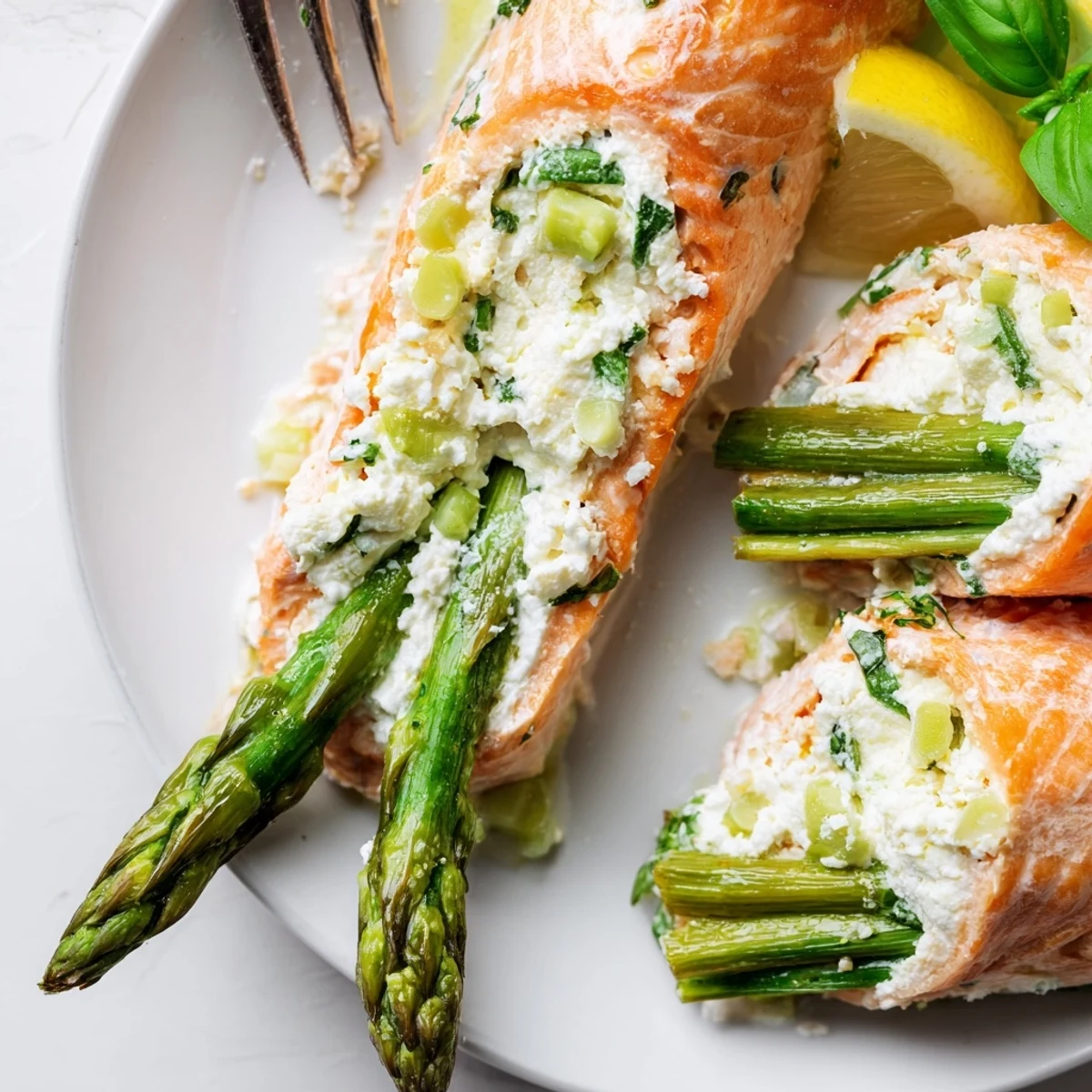
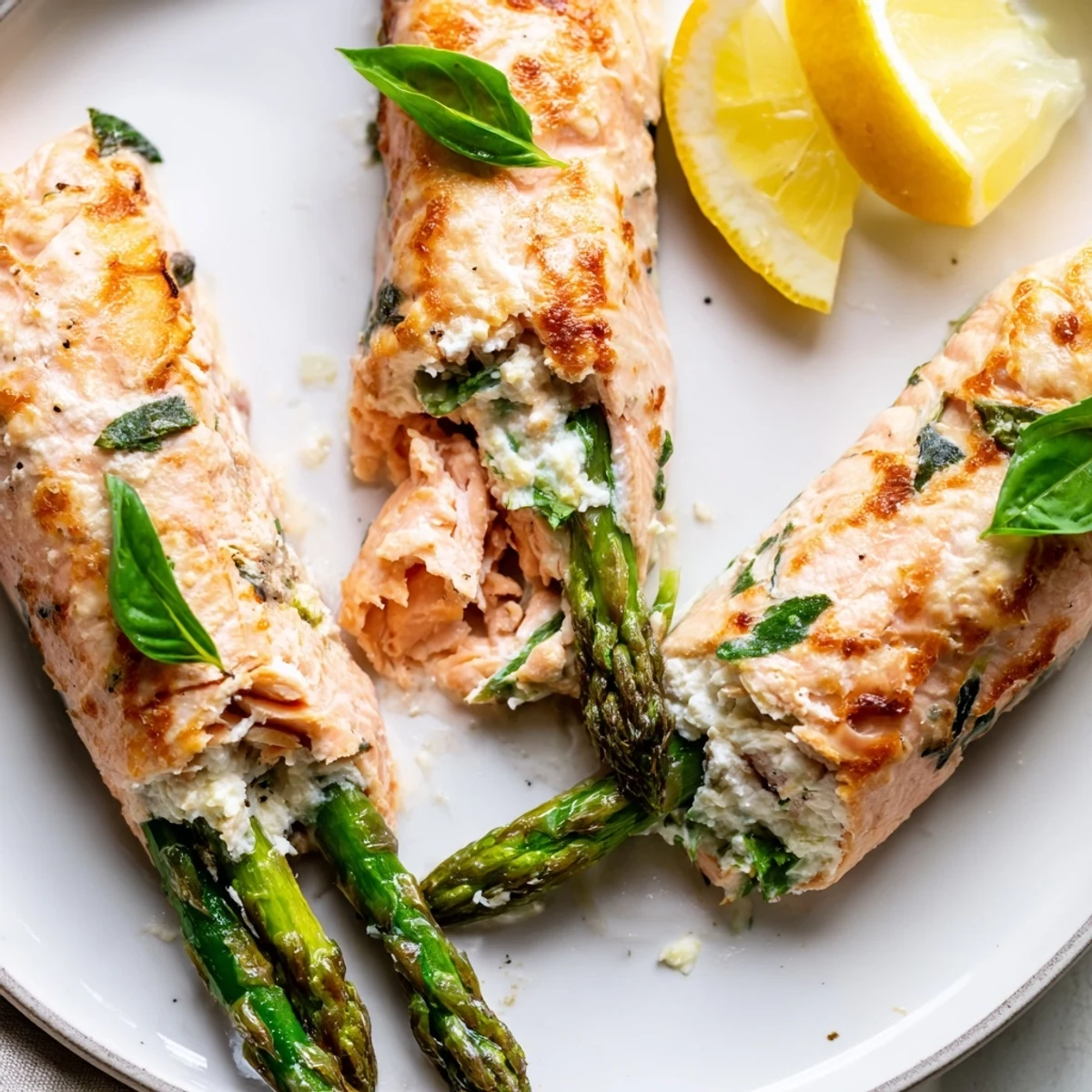
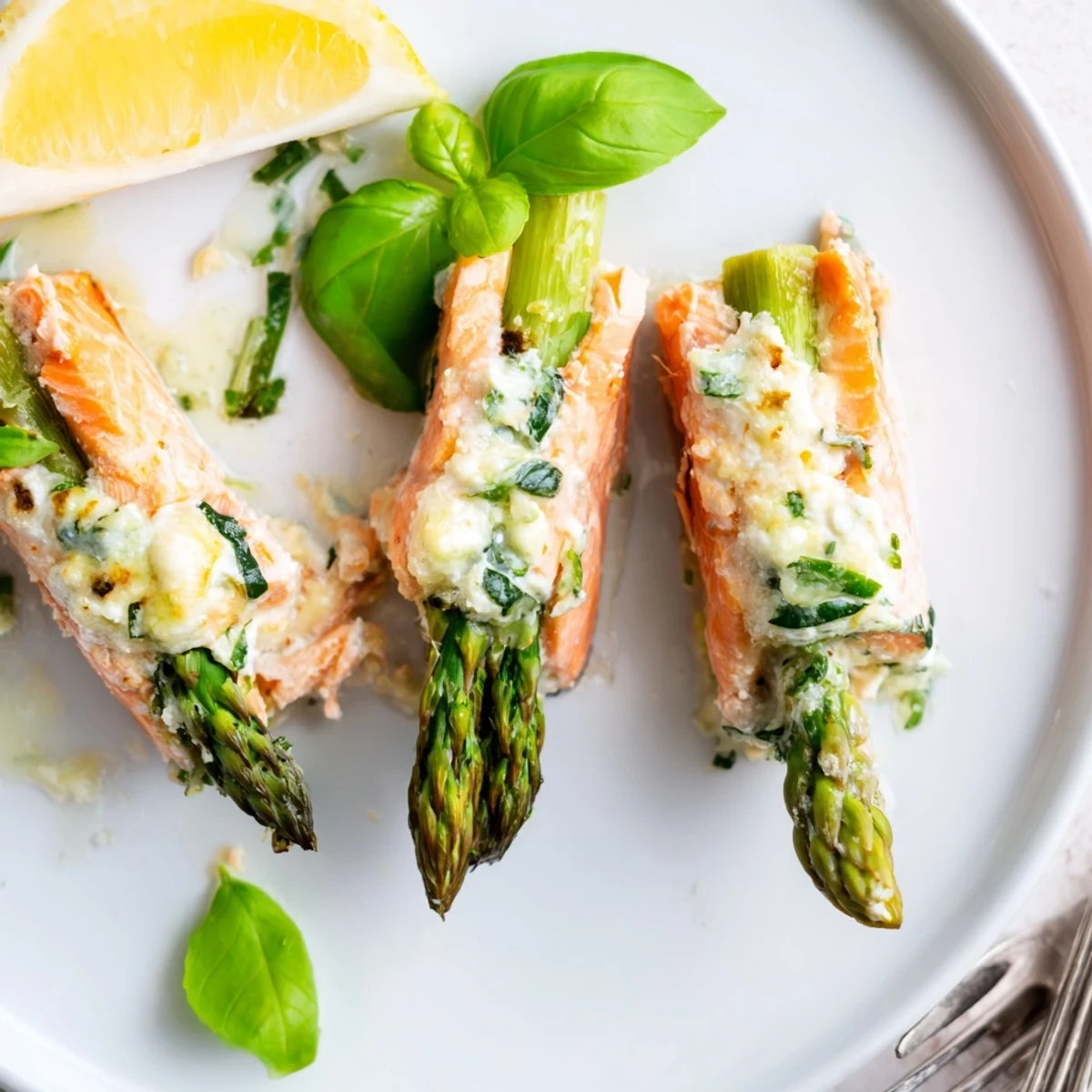
 Roll salmon fillets around a lemon-basil ricotta filling with blanched asparagus, secure with twine or toothpicks, brush with olive oil and bake at 200°C until flaky. Prep takes about 25 minutes and baking 18–20 minutes. Variations include swapping spinach for basil or goat cheese for ricotta; serve with lemon wedges and fresh basil for brightness.
The farmers market had piles of thin asparagus that Saturday morning, and the fish monger was cutting salmon fillets to order right in front of me, so the idea for these rolls practically wrote itself on the walk home. Lemon and basil from my windowsill garden joined a tub of ricotta I had been meaning to use, and suddenly lunch turned into something far more exciting than I had planned. The whole kitchen smelled like spring had walked through the door and stayed for dinner.
My neighbor Claire stopped by unannounced just as I was rolling the fourth fillet, and she stood in the kitchen doorway watching with her coffee mug, asking if I always made lunch this elaborate on a random Tuesday. I handed her a lemon wedge and told her to sit down because the rolls only look fancy.
Ingredients
- 4 skinless salmon fillets, about 180 g each: Ask your fish counter to remove the skin for you and choose fillets of even thickness so they roll without cracking.
- 200 g ricotta cheese: Drain it in a fine mesh sieve for ten minutes first because excess moisture will make the filling slip right out during rolling.
- 1 lemon for zest and 2 tbsp juice: Roll the lemon hard on the counter before zesting to release the most fragrant oils from the rind.
- 2 tbsp fresh basil leaves, finely chopped: Tear rather than cut if you want to avoid bruising the leaves and turning them dark.
- 1 small garlic clove, minced: One small clove is enough here because raw garlic can easily overpower the delicate lemon basil balance.
- 1 tbsp grated Parmesan cheese: This small amount adds a savory depth that pulls the whole filling together without making it heavy.
- Salt and pepper to taste: Season the filling a little more boldly than you think because the salmon itself will mellow the flavor.
- 16 thin asparagus spears, ends trimmed: Thin spears are essential because thick ones will not bend inside the roll and will force the salmon open.
- 1 tbsp olive oil: A light brush on top helps the salmon develop a beautiful golden sheen in the oven.
- Fresh basil leaves for garnish and lemon wedges to serve: These final touches make the plate look finished and give everyone a burst of freshness right before eating.
Instructions
- Preheat and prepare your baking sheet:
- Set the oven to 200°C (400°F) and line a baking sheet with parchment paper so the salmon lifts off cleanly without sticking.
- Build the lemon basil ricotta filling:
- In a mixing bowl, combine the ricotta, lemon zest, lemon juice, chopped basil, garlic, Parmesan, salt, and pepper, stirring until everything is evenly distributed and the mixture looks creamy and fragrant.
- Blanch the asparagus:
- Drop the trimmed spears into boiling water for exactly two minutes, then scoop them straight into a bowl of ice water so they stay bright green and tender crisp.
- Stuff and roll the salmon:
- Lay each fillet flat with what was the skin side facing down, spread a quarter of the ricotta mixture along one long edge, lay four asparagus spears on top, and roll the salmon tightly around everything.
- Secure and arrange the rolls:
- Place each roll seam side down on the baking sheet, tucking a toothpick or tying with kitchen twine if the fish wants to spring open, then brush the tops with olive oil and a crack of pepper.
- Bake until perfectly cooked:
- Slide the tray into the oven for 18 to 20 minutes, checking at the 18 minute mark by gently flaking the thickest part with a fork to see if it is opaque and tender.
- Rest, garnish, and serve:
- Remove any toothpicks or twine, scatter fresh basil over the rolls, and serve with lemon wedges pressed alongside so everyone can squeeze their own bright finish over the top.
 Pin it
 Claire took one bite, closed her eyes, and said nothing for a full ten seconds, which is the highest compliment any cook can receive. She now texts me every Saturday asking what the market inspired me to make this week.
What to Serve Alongside
A simple arugula salad dressed with nothing more than olive oil and lemon lets the salmon stay the star of the plate while adding a peppery crunch. Roasted baby potatoes with rosemary work beautifully if you want something heartier, especially on a cool evening when a light main needs a little more weight. A chilled glass of Sauvignon Blanc or Pinot Grigio alongside ties everything together with crisp citrus notes that echo the filling.
Making Peace with Rolling
The first time I tried rolling salmon I was convinced I had chosen the wrong shaped fillet and nearly gave up, but it turns out most fillets will cooperate if you work with the natural curve of the fish. Cold fillets roll better than room temperature ones, so if yours are being stubborn pop them in the fridge for ten minutes and try again. The filling acts like glue once it warms slightly against the fish, so even messy looking rolls bake up looking quite handsome.
Storage and Gentle Reheating
Leftover rolls keep well in the refrigerator for up to two days, though the asparagus loses some of its snap and the filling softens a bit. Reheat gently in a low oven around 150°C (300°F) covered loosely with foil rather than using the microwave, which will cook the salmon further and dry it out. If you want to prepare ahead, make the filling and blanch the asparagus the day before, then assemble and bake right before serving.
- Assemble the rolls on the baking sheet, cover tightly, and refrigerate for up to four hours before baking.
- Freeze unbaked rolls on the sheet first, then transfer to a freezer bag for longer storage of up to one month.
- Always bake from frozen for an extra five to seven minutes rather than thawing, which makes the filling watery.
 Pin it
 These salmon rolls turned a casual Saturday into a meal worth remembering, and they will do the same for you with barely any effort. Serve them to someone you like and watch the room go quiet.
Recipe FAQs
- → How can I tell when the salmon is done?
-
Cook until the flesh flakes easily with a fork and is uniformly opaque; an instant-read thermometer should read about 60–63°C (140–145°F) for a moist, fully cooked interior.
- → Is blanching the asparagus necessary?
-
Blanching for 1–2 minutes softens the spears so they roll easily and keeps their bright color; shock in ice water to stop cooking and retain texture.
- → Can I swap the ricotta for another cheese?
-
Yes — goat cheese, mascarpone or a light cream cheese work well. Adjust seasoning since tangier cheeses may need less lemon or salt.
- → What’s the best way to secure the rolls?
-
Use kitchen twine for a neat hold or toothpicks to anchor seams; remove toothpicks before serving. Alternatively, lay seam-side down so they hold without fasteners.
- → How should leftovers be stored?
-
Cool to room temperature, then refrigerate in a sealed container for up to 2 days. Reheat gently in a low oven to avoid drying the salmon.
- → Any tips for keeping the filling from leaking?
-
Pat salmon dry and use a relatively firm ricotta mixture (drain excess liquid first). Place filling away from the very edge and roll tightly to minimize leaks.