
 Pin it
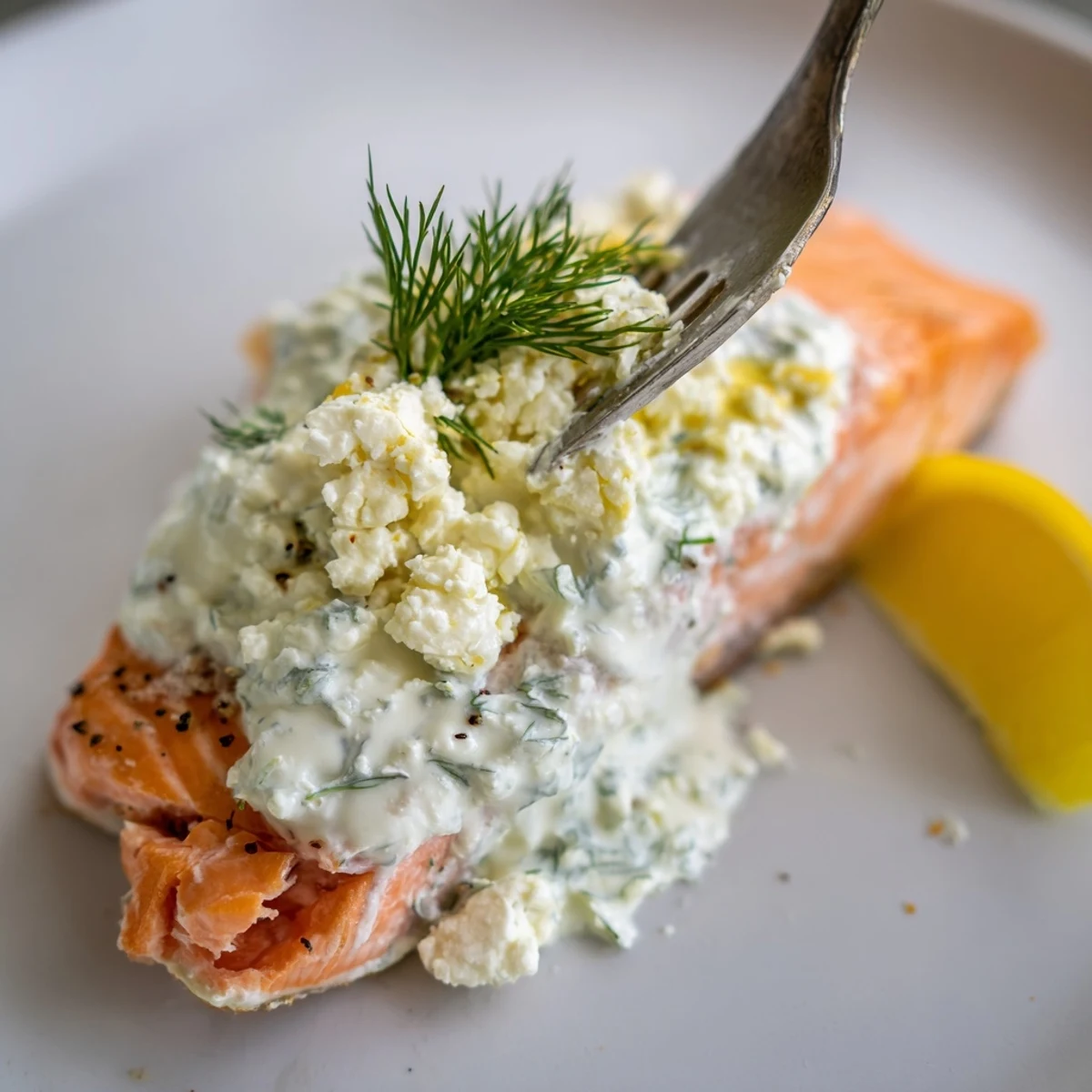
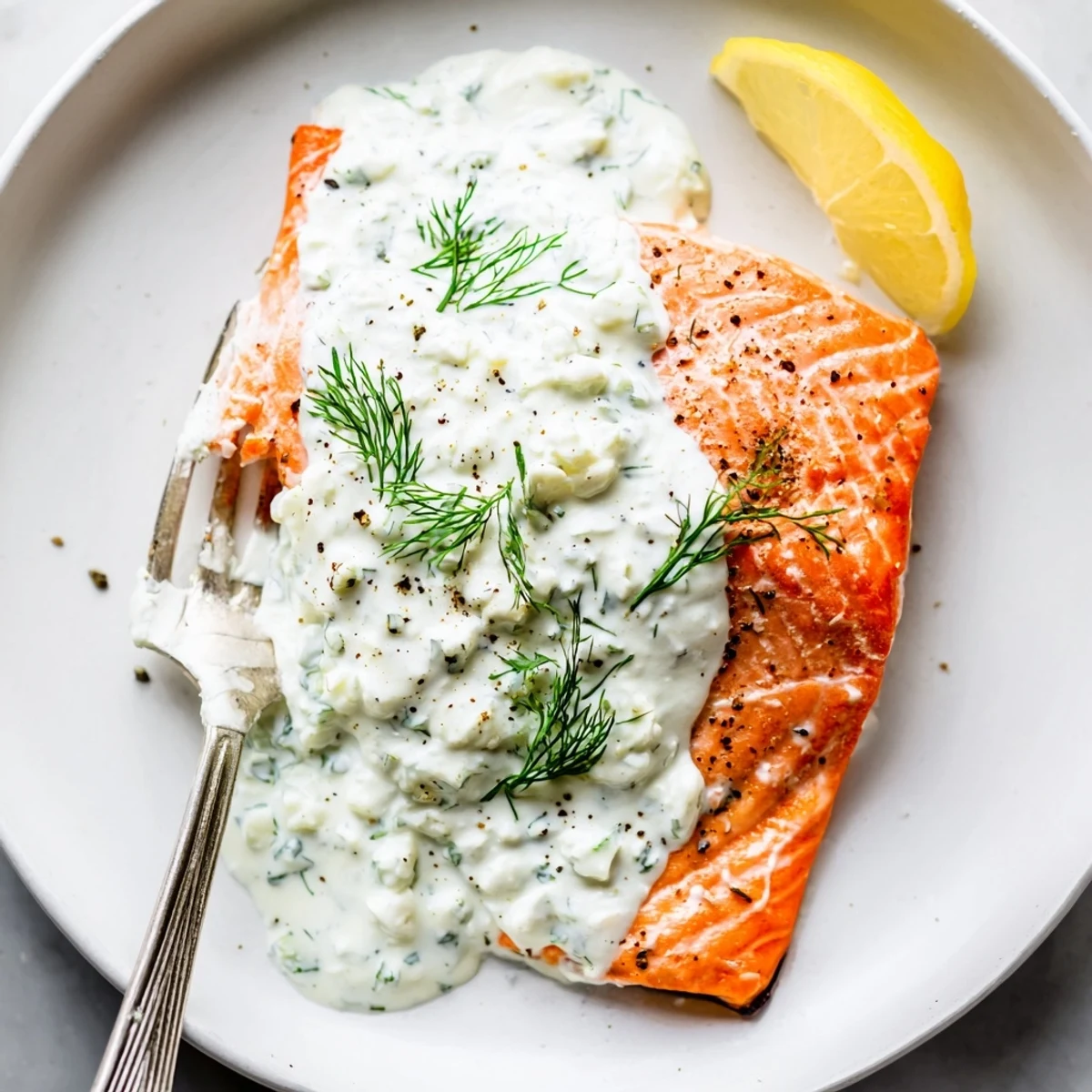
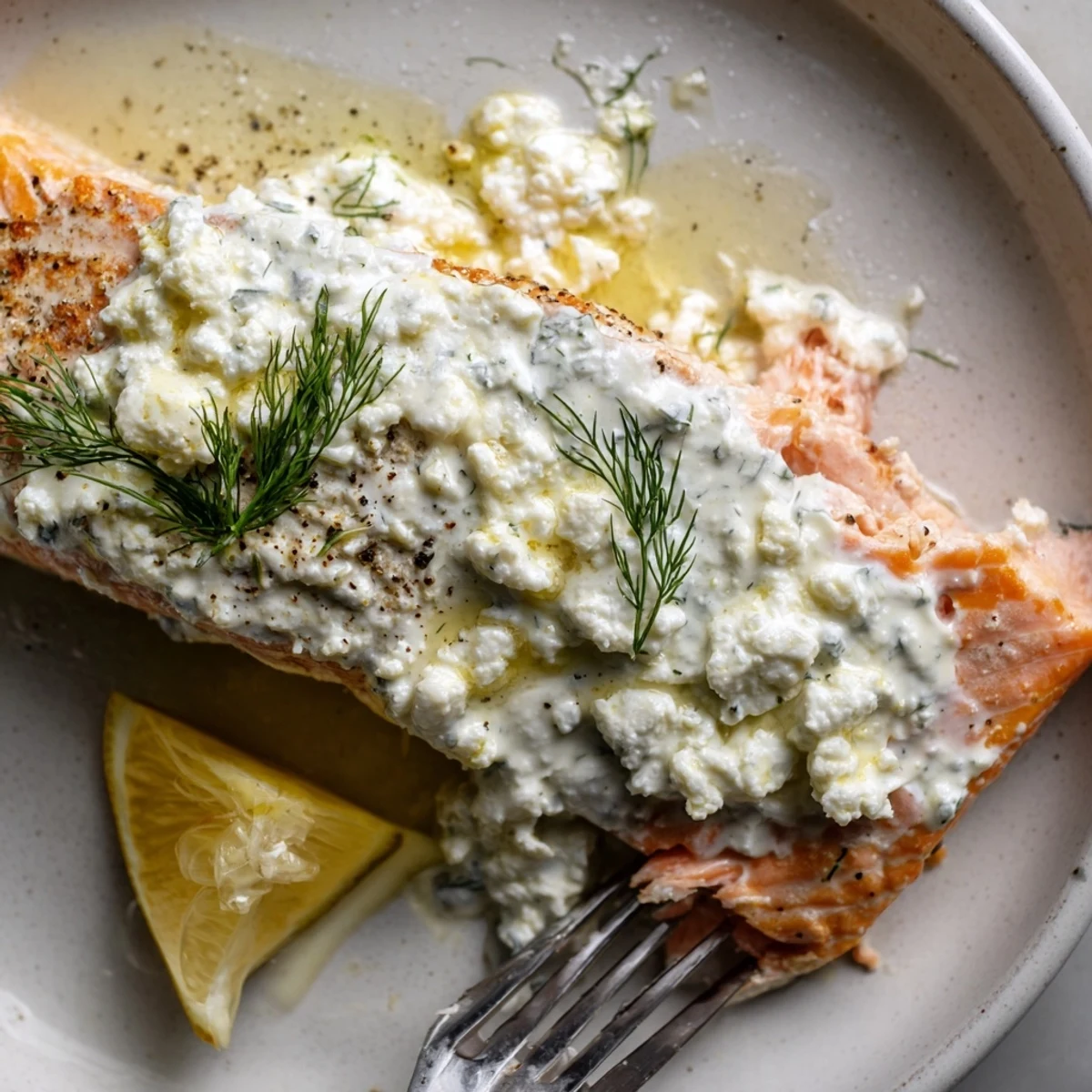
 Preheat oven to 400°F. Pat four salmon fillets dry, brush with olive oil, and season with salt and pepper. Bake skin-side down 12–15 minutes until opaque. Meanwhile whisk crumbled feta with Greek yogurt, chopped dill, lemon juice, minced garlic and olive oil until creamy but textured. Spoon the sauce over warm fillets and garnish with lemon and extra dill.
Serve with roasted vegetables or new potatoes; swap yogurt for sour cream for extra richness. Pair with a crisp white wine and keep sauce tangy by adding more lemon to taste.
The smell of salmon hitting a hot oven always sends me straight back to a tiny rented kitchen in Athens where the window stayed open and the evening breeze carried salt air indoors. I had bought a block of feta from a market stall that afternoon and thought crumbling it over fish with whatever herbs I could find would be a passing experiment. That impulsive dinner became the thing I cooked for almost every guest who visited me that summer. It still tastes like freedom and green olive trees.
My neighbor Clara stopped by one Tuesday with a bottle of Sauvignon Blanc and zero expectation of dinner. I threw this together from whatever lingered in the fridge and she sat at the counter eating it straight off the baking sheet, declaring it the best thing I had ever made. We finished the wine standing up and she left with the recipe scribbled on the back of a receipt. I have never been more complimented by such effortless cooking.
Ingredients
- Salmon fillets, 6 oz each (4 total): Skin on works best here because it acts as a natural barrier between the fish and the hot pan keeping the flesh incredibly moist.
- Olive oil (1 tablespoon for fish plus 2 tablespoons for sauce): A good fruity oil makes the sauce sing so save the expensive bottle for this rather than cooking.
- Crumbled feta cheese (3/4 cup): Seek out block feta packed in brine rather than the pre crumbled kind because the texture is creamier and the salt balance is noticeably better.
- Plain Greek yogurt (1/2 cup): Full fat is nonnegotiable here since it gives the sauce body and a slight tang that balances the salty cheese perfectly.
- Fresh dill, chopped (2 tablespoons): If you cannot find fresh use 2 teaspoons dried but add it to the sauce a few minutes early so it rehydrates and releases flavor.
- Lemon juice (1 tablespoon): Fresh squeezed only since the bottled version tastes flat and metallic beside the bright Mediterranean flavors.
- Garlic, minced (1 small clove): One clove is enough because raw garlic can easily hijack the delicate fish and you want it as a whisper not a shout.
- Salt and pepper: Season the fish generously before baking and taste the sauce separately before adjusting since feta already brings significant salt.
- Lemon wedges and dill sprigs for garnish (optional): A squeeze of lemon at the table brightens every bite and fresh sprigs make it look like you tried harder than you did.
Instructions
- Prepare your oven and pan:
- Heat the oven to 400 degrees F and line a baking sheet with parchment paper so cleanup is effortless and the fish releases without sticking.
- Season the salmon:
- Pat the fillets thoroughly dry with paper towels then place them skin side down on the sheet, drizzle with olive oil, and season generously with salt and pepper, pressing gently so the seasoning adheres.
- Bake until just right:
- Slide the pan into the oven and bake 12 to 15 minutes until the thickest part of the fillet is opaque and flakes easily with a fork but still glistens slightly at the center.
- Whisk the sauce together:
- In a bowl combine the crumbled feta, yogurt, dill, lemon juice, garlic, and olive oil then stir with a fork until creamy but still retaining some lovely chunks of cheese for texture, seasoning with salt and pepper to taste.
- Rest and assemble:
- Let the salmon rest for a minute or two outside the oven so the juices redistribute, then spoon the feta dill sauce generously over each fillet and finish with lemon wedges and dill sprigs if you are feeling festive.
 Pin it
 I once served this to my notoriously picky father who treats fish with deep suspicion and he went back for seconds without saying a word. That silence spoke louder than any compliment I have ever received in a kitchen.
What to Serve Alongside It
Roasted cherry tomatoes burst alongside the salmon beautifully and their juices mingle with the feta sauce in a way that feels intentional. A pile of simply dressed arugula or shaved cucumber salad brings crunch and lightness that keeps the plate from feeling heavy. New potatoes roasted with rosemary are wonderful if you want something more filling.
Making the Sauce Your Own
Sour cream swaps in seamlessly for the Greek yogurt if you prefer a richer and slightly less tangy profile. A spoonful of capers chopped fine folded into the sauce adds a briny punch that regulars at my table have started requesting by name. A pinch of red pepper flakes scattered over the finished plate gives the whole dish a gentle warm edge.
Storing and Reheating Leftovers
The salmon keeps well in the refrigerator for up to two days though the sauce is best stored separately so it maintains its fresh texture. Gently reheat the fish in a low oven around 275 degrees F rather than microwaving which turns the delicate flakes rubbery and sad.
- Store the feta dill sauce in a sealed jar in the fridge and it doubles as a phenomenal dip for raw vegetables or pita the next day.
- The sauce also makes an incredible spread for sandwiches especially with leftover cold salmon and cucumber slices.
- Never freeze the sauce since the yogurt will separate and the texture will never recover no matter how vigorously you stir.
 Pin it
 This is the kind of recipe that makes you look like you planned a whole elegant dinner when really you just trusted good ingredients to do their job. Keep it in your back pocket and it will never let you down.
Recipe FAQs
- → How can I tell when the salmon is done?
-
Look for opaque flesh that flakes easily with a fork and a slight firmness in the center. A skewer inserted into the thickest part should feel warm and the flesh should separate along the muscle lines.
- → Can I make the feta-dill sauce ahead of time?
-
Yes. The sauce holds well refrigerated for up to 2 days. Stir before serving; you may need to thin it with a squeeze of lemon or a splash of olive oil to restore a creamy pourable texture.
- → What can I substitute for Greek yogurt?
-
Sour cream makes the sauce richer, while crème fraîche adds a silky tang. For a lighter option, use a drained plain yogurt or a soft cottage cheese blended until smooth.
- → Is there an alternative cooking method to baking?
-
Pan-searing over medium-high heat gives a crisp exterior; cook skin-side down first, then finish in the oven for a few minutes if needed. Grilling on high heat also works well for a smoky finish.
- → How do I keep the sauce from becoming too salty?
-
Taste the feta mixture before adding salt; feta can be quite salty on its own. Balance with extra yogurt or lemon juice, and add salt sparingly at the end if necessary.
- → What side dishes pair best with this dish?
-
Roasted seasonal vegetables, new potatoes, or a crisp green salad complement the rich fish and tangy sauce. A light, acidic white wine enhances the lemon and feta notes.