
 Pin it
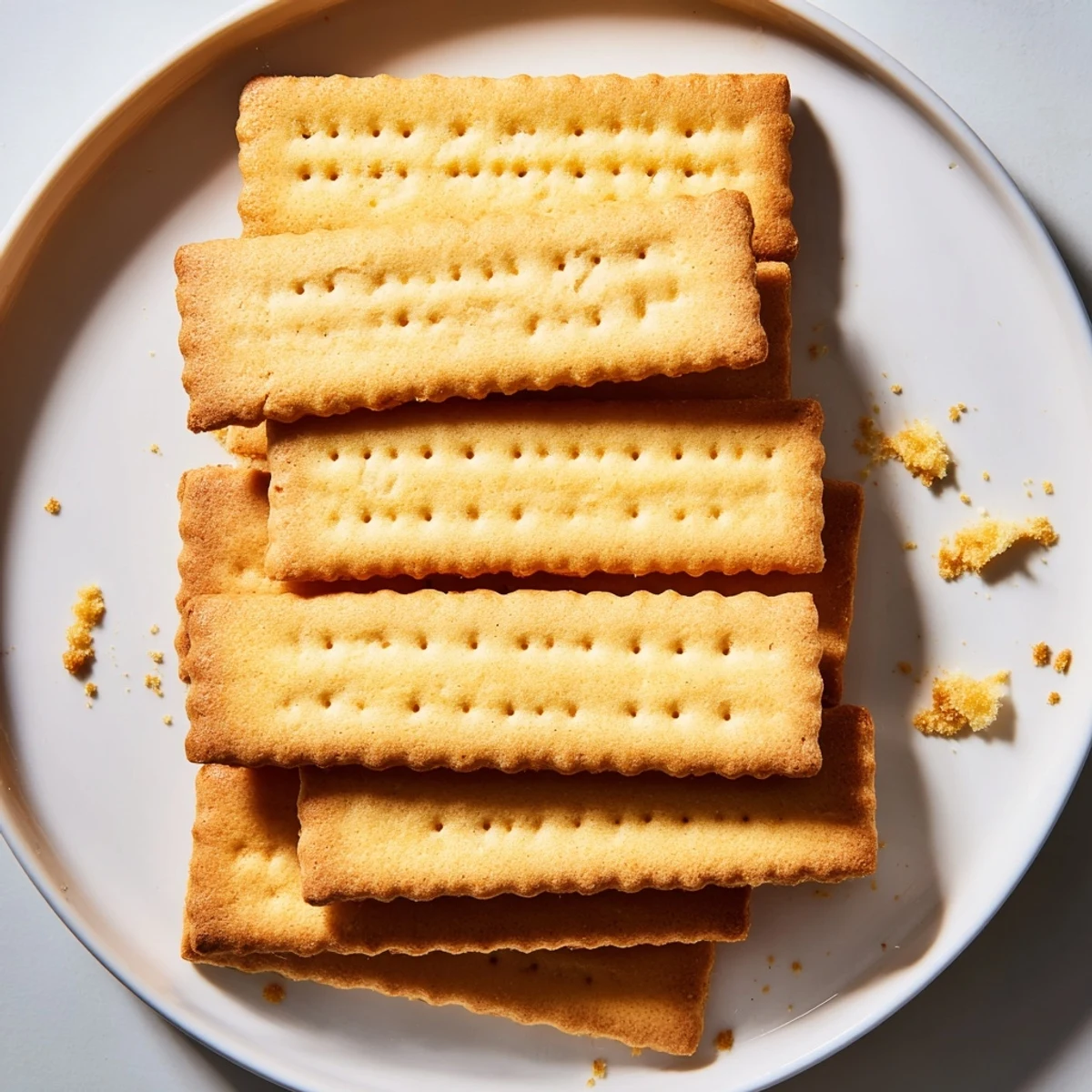
 Les petits beurres sont des biscuits français classiques, reconnaissables à leur texture dorée et craquante. Préparés avec du beurre doux, du sucre, du lait et de la farine, ils se dégustent à tout moment de la journée.
Avec un temps de préparation de 20 minutes et 12 minutes de cuisson, vous obtiendrez environ 40 biscuits légers et savoureux. La pâte, après un repos de 30 minutes au réfrigérateur, s'étale facilement pour être découpée à l'emporte-pièce.
Parfaits pour l'heure du thé ou du café, ces biscuits se conservent jusqu'à une semaine dans une boîte hermétique. Pour une variante gourmande, trempez-les dans du chocolat fondu ou parfumez la pâte à la vanille ou au citron.
The crackling sound of butter hitting a warm pan on a Sunday morning in Lyon taught me more about Petit Beurre than any cookbook ever could. My host mother Madeleine never measured anything, yet every batch came out with that perfect golden edge and satisfying snap. I scribbled her approximations on a napkin, then spent years refining them into this precise formula. Forty little biscuits later, you will understand why France has loved these since 1886.
I baked a double batch for my neighbor Isabelle the week she had her second child, forgetting she was avoiding dairy. She ate six of them anyway, standing right at my kitchen counter, and told me they reminded her of her grandmother in Bordeaux. That moment taught me that some flavors simply override all willpower. She now requests them every Christmas without a hint of shame.
Ingredients
- 100 g unsalted butter: Use good quality European butter if you can find it, because the higher fat content creates a richer crumb and deeper golden color.
- 100 g granulated sugar: Standard white sugar dissolves perfectly into the warm butter mixture without leaving any gritty texture.
- 60 ml whole milk: Whole milk adds tenderness, and I learned the hard way that skim milk leaves the dough dry and crumbly.
- 1 pinch of salt: Just a pinch sharpens the butter flavor and keeps the sweetness balanced and never cloying.
- 250 g all purpose flour: Spoon the flour into your measuring cup rather than scooping directly to avoid a dense, heavy biscuit.
- 5 g baking powder: Half a standard sachet gives just enough lift to keep the texture light without puffing away the classic shape.
Instructions
- Melt and blend the base:
- In a saucepan over low heat, melt the butter with the milk, sugar, and salt, stirring gently until the butter disappears completely and the mixture looks silky. Let it cool until it feels just warm to the touch, not hot, or you will cook the flour in the next step.
- Combine the dry ingredients:
- In a large bowl, whisk the flour and baking powder together until evenly distributed. This takes only a few seconds but prevents those bitter pockets of leavening that can ruin a bite.
- Form the dough:
- Pour the warm butter mixture into the flour and stir with a wooden spoon until a shaggy mass forms, then knead lightly with your hands until the dough comes together smooth and homogeneous. Stop as soon as it holds together because overworking makes the biscuits tough.
- Rest the dough:
- Shape the dough into a ball, wrap it tightly in plastic wrap, and refrigerate for 30 minutes so the butter firms up and the dough becomes easy to roll without sticking. This patience is the difference between frustration and a pleasant rolling experience.
- Preheat the oven:
- Set your oven to 180 degrees Celsius with conventional heat, giving it a full 15 minutes to reach temperature before the first tray goes in. An oven that is not truly hot enough leads to pale, soft biscuits that spread instead of holding their shape.
- Roll and cut the shapes:
- On a lightly floured surface, roll the chilled dough to exactly 5 millimeters thick, then cut with a Petit Beurre cutter or a simple knife into rectangles about 5 centimeters long. Lift each biscuit gently with a spatula to avoid stretching the dough and distorting the edges.
- Decorate and arrange:
- Place each biscuit on a baking sheet lined with parchment paper and dock the surface with a fork in neat rows, which is not just decorative but helps steam escape for even crispness. Leave a small gap between each one because they spread slightly during baking.
- Bake until golden:
- Slide the tray into the oven and bake for 12 minutes, watching for the edges to turn a warm amber while the centers stay pale. Your kitchen will fill with the most comforting buttery fragrance right at the 10 minute mark.
- Cool completely:
- Transfer the biscuits to a wire rack immediately and let them cool until they reach room temperature and crisp up fully. Eating one too early is tempting but you will miss that signature snap.
 Pin it
 The afternoon I spent teaching my nephew to make these, he poked fork holes in the shape of a smiley face on every single biscuit before I could stop him. We laughed so hard that we forgot to set a timer and slightly overbaked the last tray, yet those were the ones he proudly took home to his parents. Sometimes the imperfect batches carry the best memories.
Flavor Variations Worth Trying
Add a half teaspoon of vanilla extract or the finely grated zest of one lemon into the warm butter mixture for a fragrant twist that makes these feel entirely new. A pinch of cinnamon in the flour transforms them into something reminiscent of winter holidays and pairs beautifully with afternoon tea. For an indulgent finish, melt dark chocolate and dip each biscuit halfway, then let them set on parchment until the shell hardens into a satisfying snap.
Storage and Freshness
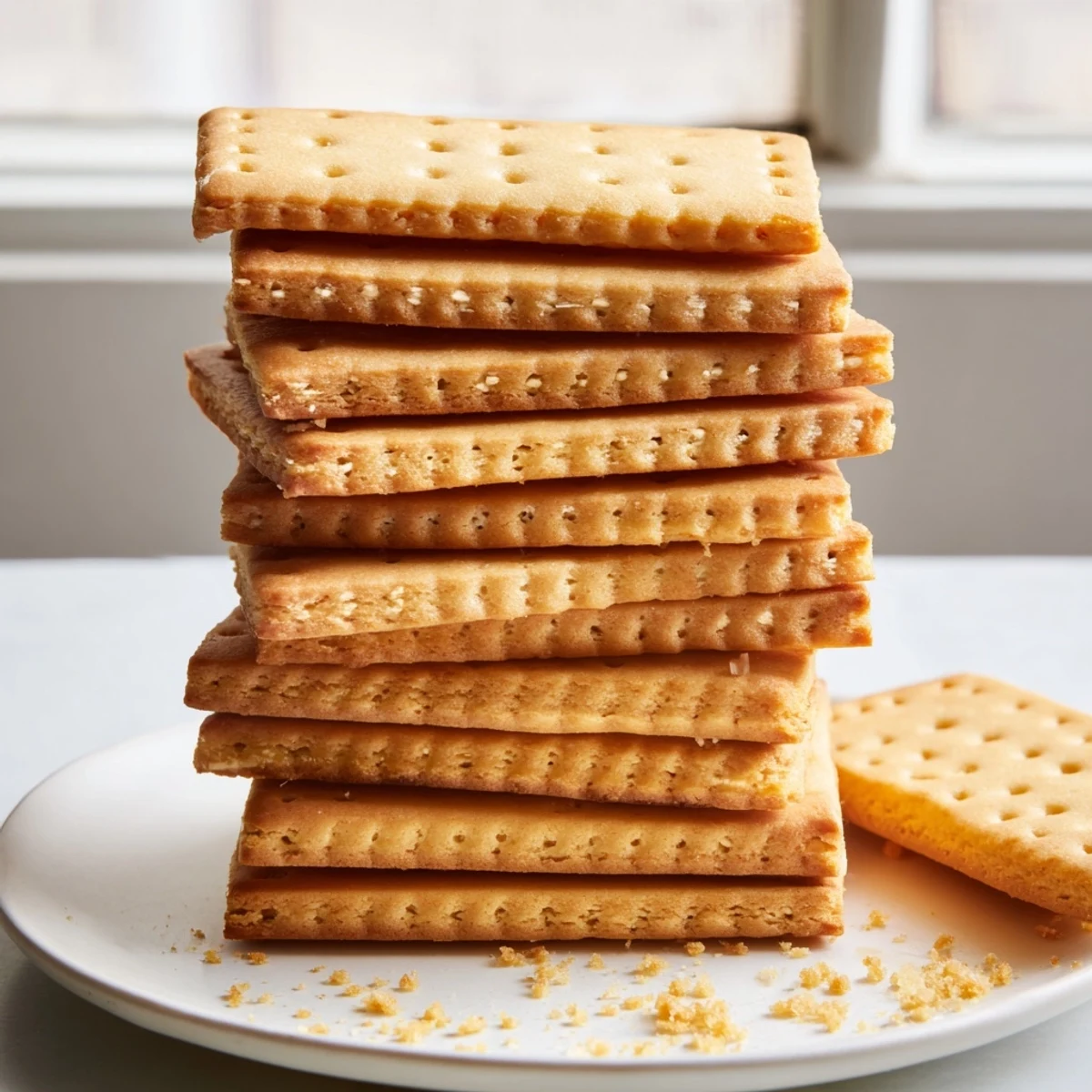
Once completely cooled, store your Petit Beurre in an airtight tin at room temperature where they will stay perfectly crisp for up to one week. Avoid stacking them in plastic bags because trapped humidity softens that beautiful crunch within hours. If you live in a humid climate, tuck a small piece of parchment between layers and they will thank you for it.
Serving Suggestions and Final Thoughts
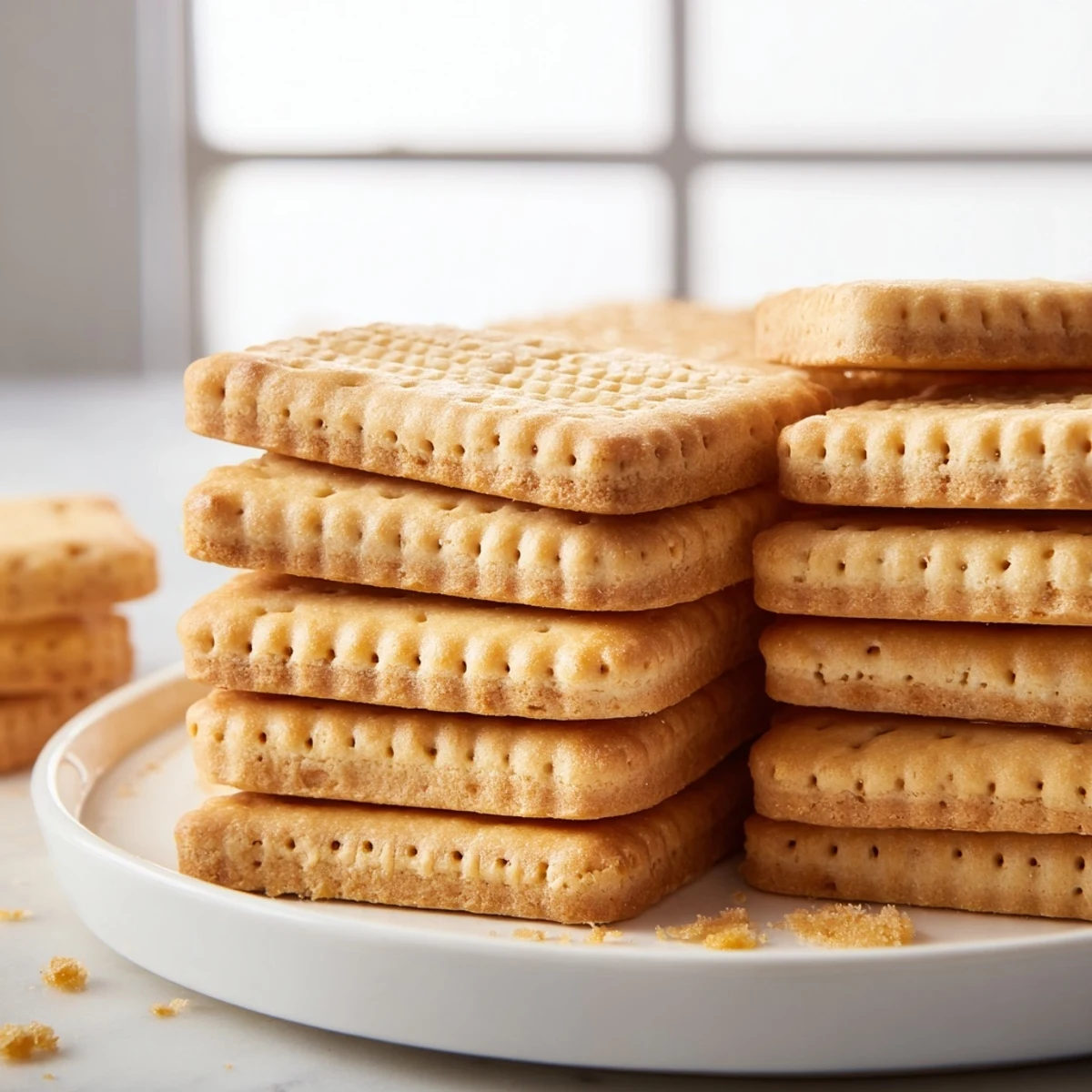
Petit Beurre are at their finest when paired with a hot beverage, because the warmth softens the biscuit just enough to release a burst of buttery flavor without making it soggy. Arrange them on a simple plate next to espresso for an afternoon pause that feels distinctly French.
- Try crumbling two biscuits over vanilla ice cream for a quick textural contrast that feels intentional.
- Pack them in a clean glass jar with a handwritten label for a gift that costs almost nothing but feels deeply personal.
- Always bake a double batch because they disappear faster than you expect.
 Pin it
 Keep these simple, keep them honest, and share them generously, because that is exactly what Madeleine would have wanted you to do.
Recipe FAQs
- → Pourquoi faut-il laisser reposer la pâte au réfrigérateur ?
-
Le repos de 30 minutes au réfrigérateur permet au beurre de se solidifier, ce qui rend la pâte plus ferme et plus facile à étaler et à découper. Cela permet également aux saveurs de se développer et à la pâte de gagner en homogénéité.
- → Peut-on congserver les petits beurres plus d'une semaine ?
-
Dans une boîte hermétique à température ambiante, les petits beurres se conservent environ une semaine en conservant leur croquant. Vous pouvez également les congeler jusqu'à 3 mois en les plaçant dans un sac congélation bien fermé.
- → Comment obtenir des biscuits bien uniformes ?
-
Utilisez un emporte-pièce spécial petit-beurre pour des formes régulières. Étalez la pâte sur une épaisseur uniforme de 5 mm et veillez à espacer les biscuits sur la plaque de cuisson pour une cuisson homogène.
- → Par quoi peut-on remplacer le lait entier ?
-
Vous pouvez utiliser du lait demi-écrémé sans grande différence de résultat. Pour une version sans lactose, optez pour une boisson végétale comme le lait d'avoine ou d'amande, tout en gardant à l'esprit que le goût sera légèrement différent.
- → Pourquoi piquer les biscuits à la fourchette ?
-
Le piquage à la fourchette est une tradition française qui empêche les biscuits de gondoler pendant la cuisson en permettant à la vapeur de s'échapper. C'est également ce qui donne aux petits beurres leur aspect décoratif caractéristique.
- → Comment varier les saveurs des petits beurres ?
-
Ajoutez une pincée de vanille en poudre, du zeste de citron ou d'orange dans la pâte. Vous pouvez aussi Incorporer des épices comme la cannelle ou le gingembre, ou encore tremper les biscuits refroidis dans du chocolat fondu noir ou au lait.