
 Pin it
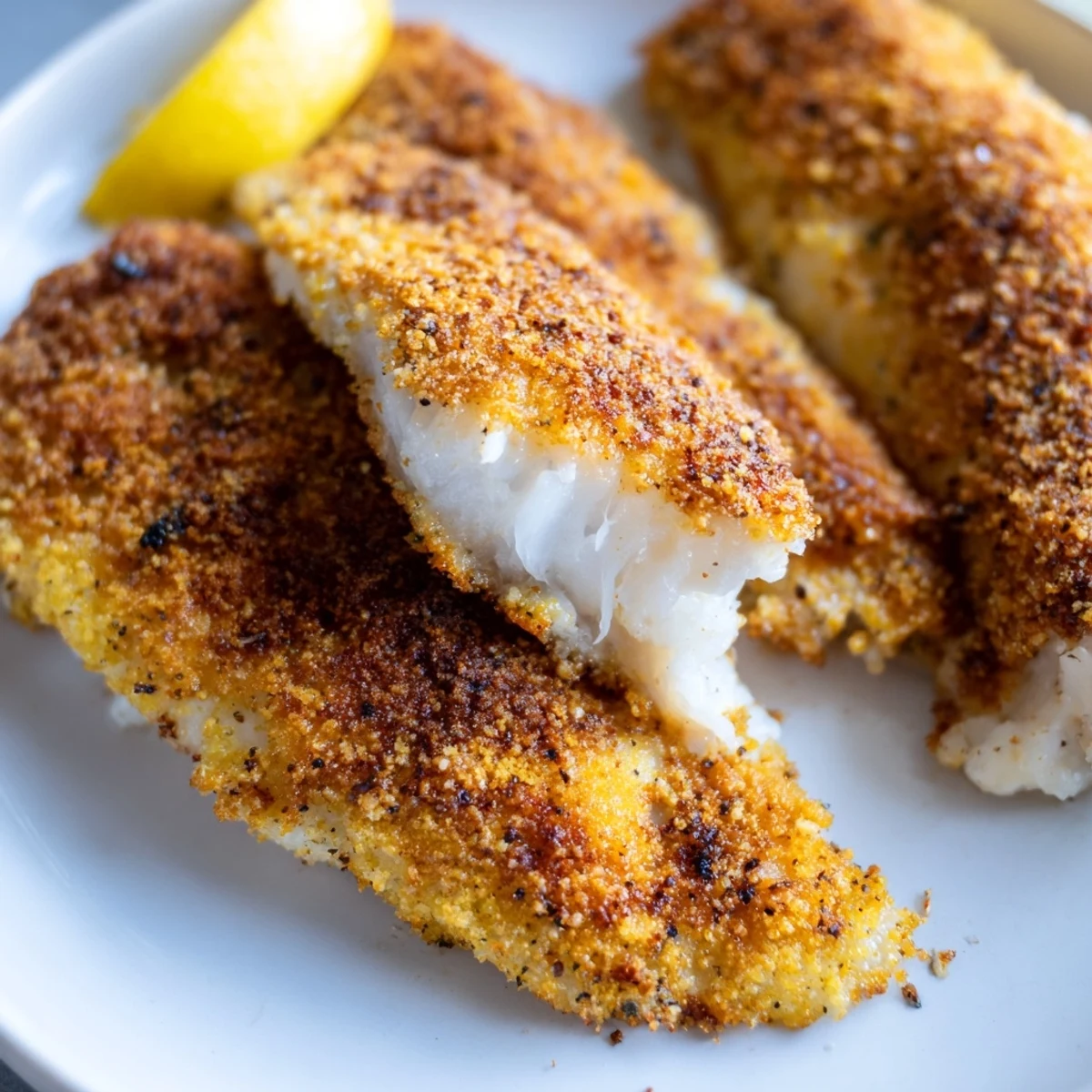
 This pan-fried tilapia delivers perfectly golden, crispy fillets in just 20 minutes from start to finish. The mild white fish is coated in a flavorful blend of paprika, garlic powder, and onion powder, then seared in olive oil or butter until the outside is delightfully crunchy and the inside remains tender and flaky.
An optional cornmeal dredge adds extra crunch, while a squeeze of fresh lemon brightens every bite. At just 210 calories per serving with 32 grams of protein, this dish fits perfectly into gluten-free and low-carb lifestyles.
The sizzle of fish hitting a hot pan is one of those sounds that instantly makes a kitchen feel alive. I discovered pan fried tilapia during a phase when I was trying to eat more fish but kept overcomplicating things with marinades and breading stations. This stripped down approach changed everything for me, just a few spices and a hot skillet standing between dinner and chaos.
My neighbor walked over one Tuesday evening while I was cooking these and the aroma drifting through the open window had already won her over before she even tasted it. We ended up standing in the kitchen eating straight from the skillet with paper towels instead of plates.
Ingredients
- 4 tilapia fillets, about 150g each: Pat them thoroughly dry with paper towels because moisture is the enemy of a good sear.
- 1 tsp salt: Distributes evenly and draws out just enough surface moisture for better browning.
- 1/2 tsp freshly ground black pepper: Pre ground tastes flat here so grab the peppermill if you can.
- 1/2 tsp paprika: Adds a subtle sweetness and that inviting golden color.
- 1/4 tsp garlic powder: Delivers savory depth without the risk of minced garlic burning in the pan.
- 1/4 tsp onion powder: Rounds out the flavor profile quietly but you would miss it if it were gone.
- 1/4 cup cornmeal or gluten-free flour, optional: Creates an extra crunchy crust but skip it entirely for a lighter finish.
- 2 tbsp olive oil or unsalted butter: Butter gives richer flavor while olive oil handles higher heat more gracefully.
- 1 lemon, cut into wedges: A squeeze at the end brightens everything and balances the richness.
Instructions
- Mix your seasoning blend:
- Stir together the salt, pepper, paprika, garlic powder, and onion powder in a small bowl until evenly combined. Take a moment to really blend them because uneven seasoning leads to bites that taste completely different from each other.
- Season the fillets:
- Sprinkle both sides of each tilapia fillet generously and evenly with the spice mix. Use your fingers to gently press the seasoning into the flesh so it adheres rather than falling off in the pan.
- Optional coating for crunch:
- Lightly dredge the seasoned fillets in cornmeal or gluten-free flour, then shake off every bit of excess. Too much coating turns gummy instead of crispy so restraint is your friend here.
- Heat the pan:
- Warm the olive oil or butter in a large nonstick skillet over medium-high heat until it shimmers and just begins to barely smoke. This is the moment where patience pays off because a properly hot pan is what creates that beautiful golden crust.
- Cook the first side:
- Lay the fillets in carefully without crowding, working in batches if your skillet demands it. Let them cook undisturbed for 3 to 4 minutes until the edges turn golden and the fish releases naturally from the surface.
- Flip and finish:
- Turn each fillet gently with a fish spatula and cook another 2 to 3 minutes until the center is completely opaque and flakes apart easily with a fork. Serve immediately with fresh lemon wedges pressed over the top.
 Pin it
 There is something deeply satisfying about a meal that needs nothing more than a hot pan and a few pantry staples to feel complete.
Choosing the Right Fish
Fresh tilapia should smell clean and faintly sweet, never fishy or sour. Frozen fillets work beautifully too, just thaw them overnight in the refrigerator and pat them aggressively dry before seasoning. I have used cod and catfish interchangeably with this same method and each one brings its own personality to the plate.
Getting That Perfect Crust
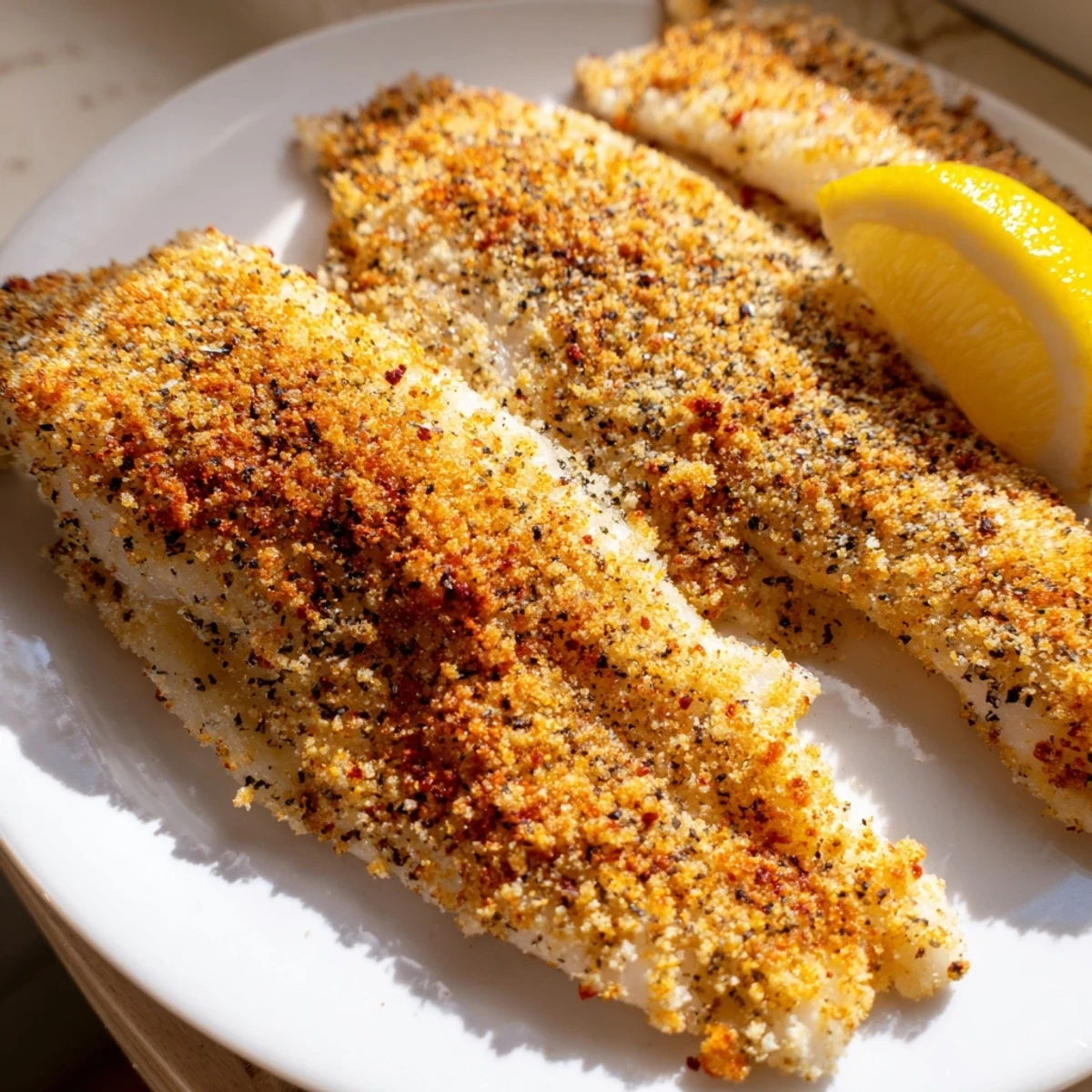
The biggest mistake I made early on was crowding the pan with all four fillets at once, which dropped the temperature and steamed the fish instead of searing it. Two at a time in a large skillet gives each piece the breathing room it needs to develop real color. A fish spatula with its thin flexible edge is worth owning just for this recipe.
Serving Suggestions
This fish pairs effortlessly with almost anything which makes it a reliable staple rather than a special occasion dish.
- Steamed green beans with a squeeze of lemon echo the brightness on the plate.
- A simple arugula salad dressed with olive oil and flaky salt makes it feel like a bistro meal.
- Leftover fillets flaked over rice the next day might actually be better than the original dinner.
 Pin it
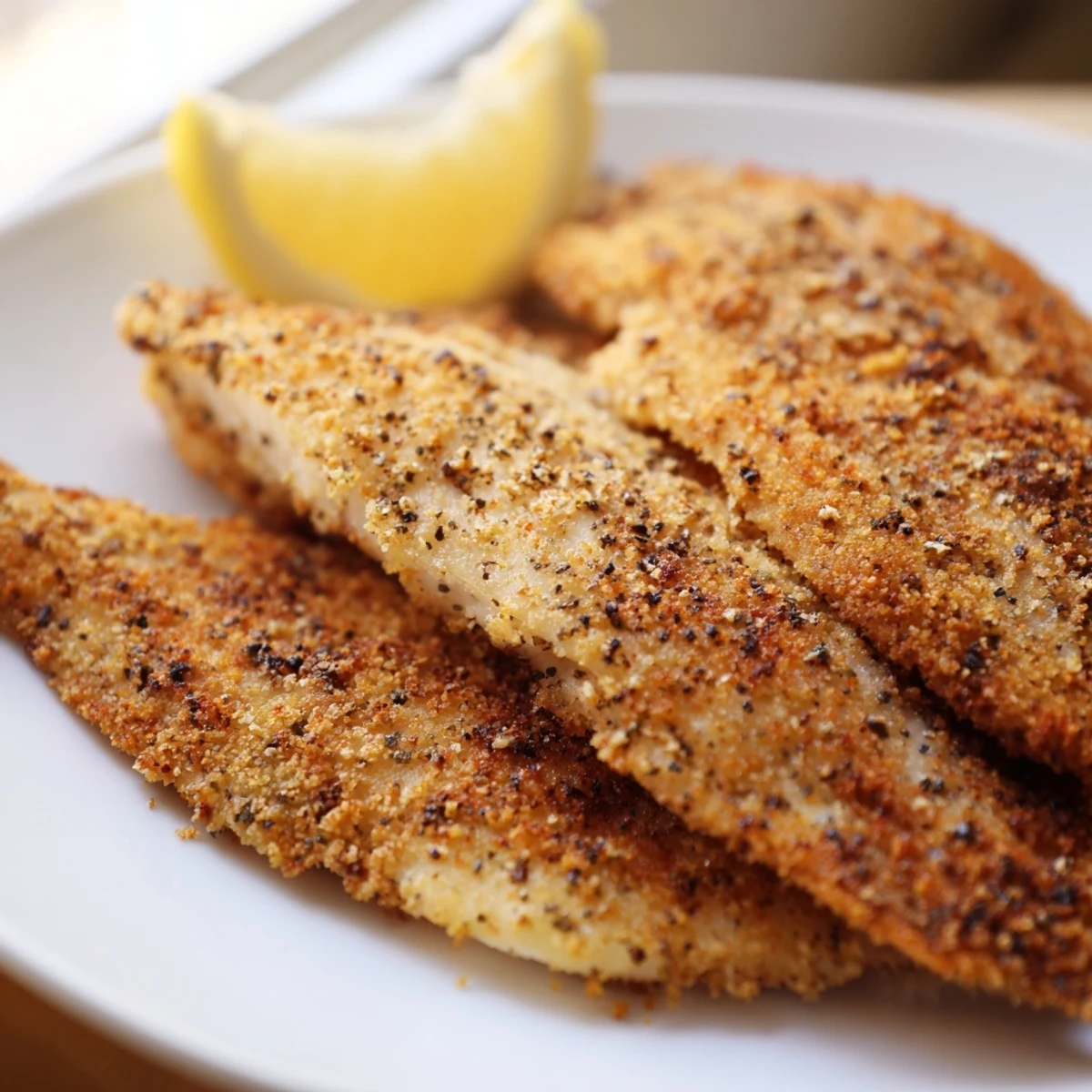
 Some recipes earn a permanent spot in your rotation not because they are impressive, but because they make an ordinary Tuesday feel a little more intentional.
Recipe FAQs
- → How do I know when tilapia is fully cooked?
-
Tilapia is done when the flesh turns completely opaque white and flakes easily when pressed gently with a fork. The internal temperature should reach 145°F (63°C). Typically, this takes about 3–4 minutes per side over medium-high heat.
- → Can I use frozen tilapia fillets?
-
Yes, but thaw them completely in the refrigerator overnight or under cold running water. Pat the fillets thoroughly dry with paper towels before seasoning, as excess moisture prevents a crispy golden crust from forming.
- → What can I substitute for tilapia?
-
Cod, catfish, sole, flounder, or mahi-mahi all work well with the same seasoning blend and cooking method. Adjust cooking time slightly depending on the thickness of the fillets you choose.
- → Do I need the cornmeal coating?
-
No, the cornmeal or flour coating is entirely optional. The seasoning alone creates delicious fillets. However, the dredge does add a satisfying crunch and helps the seasoning adhere better to the fish.
- → What sides go well with pan-fried tilapia?
-
Steamed vegetables, a fresh green salad, roasted asparagus, garlic mashed potatoes, or fluffy white rice all pair beautifully. A light coleslaw or cucumber salad also complements the crispy fish wonderfully.
- → How do I prevent the fish from sticking to the pan?
-
Make sure the skillet and oil are fully preheated before adding the fillets. Use a quality nonstick skillet or a well-seasoned cast iron pan. The fish will release naturally once a golden crust has formed — if it resists, give it another 30 seconds before trying again.