
 Pin it
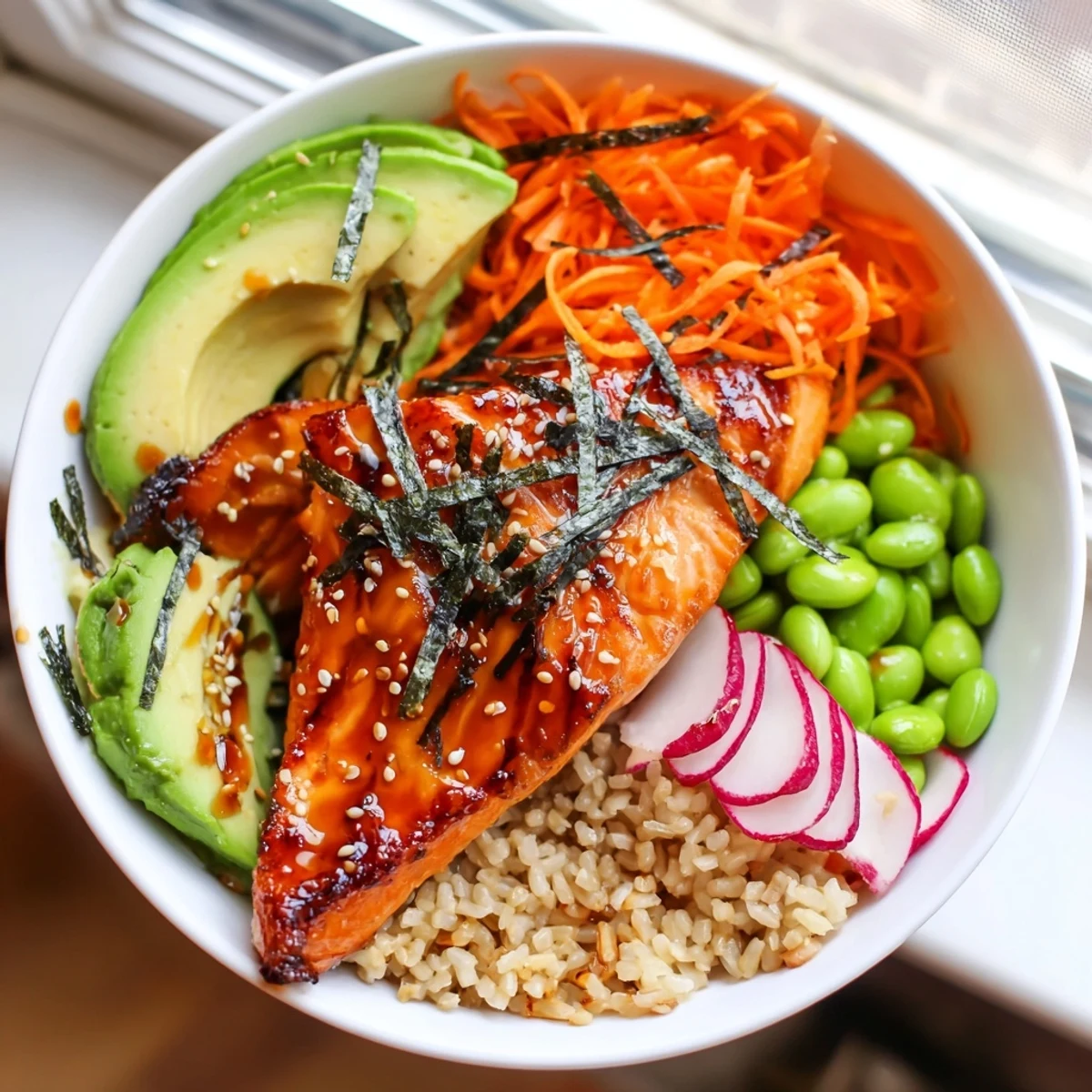
 This miso salmon grain bowl brings together Japanese-inspired flavors in a wholesome, balanced format. Succulent salmon fillets are brushed with a savory-sweet miso glaze made from white miso, soy sauce, mirin, and ginger, then oven-roasted to flaky perfection.
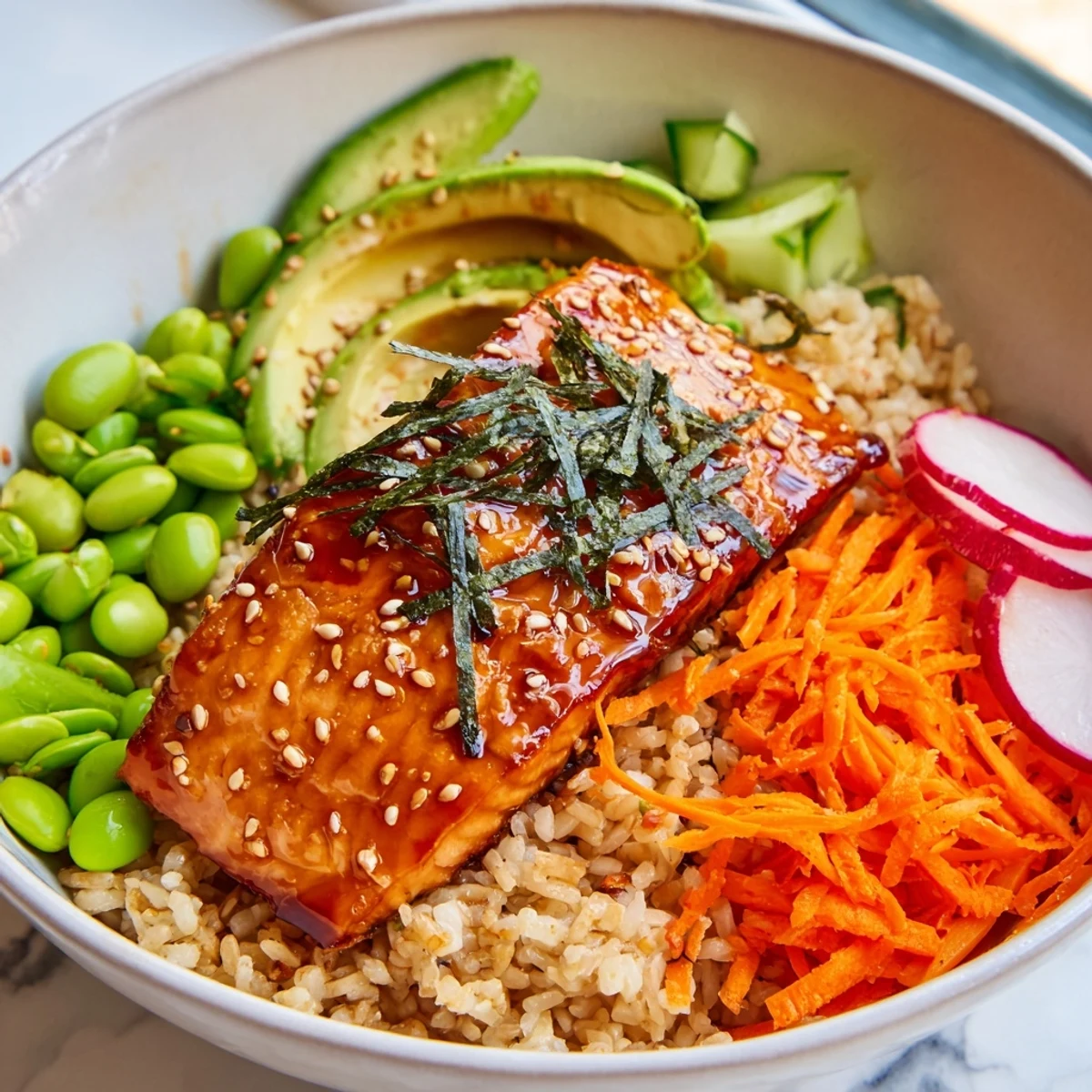
Served over a bed of nutty brown rice and topped with an array of colorful fresh vegetables including edamame, shredded carrots, cucumber, avocado, and radishes, each bowl is finished with a light rice vinegar dressing, toasted sesame seeds, and nori strips. Ready in about 40 minutes, it makes an ideal weeknight dinner that's as visually appealing as it is satisfying.
My kitchen still smelled like toasted sesame when my neighbor knocked on the door, drawn by whatever was happening in my oven on a random Tuesday night. That was the evening miso salmon grain bowls went from an experiment to the thing I crave most on busy weeks. The sticky, savory glaze caramelizing on fish while a rainbow of vegetables waits nearby is genuinely hard to resist.
I started making these bowls for friends after yoga on Saturday mornings, everyone still stretching their shoulders while I laid out toppings like a chaotic salad bar. Someone always tries to arrange their vegetables in perfect concentric circles, and someone else just piles everything into a beautiful mess. Both approaches taste identical and equally wonderful.
Ingredients
- 4 salmon fillets (about 150 g each, skin removed): Try to buy fillets of similar thickness so they finish cooking at the same time.
- 2 tbsp white miso paste: White miso is milder and sweeter than red, which is exactly what you want here.
- 1 tbsp soy sauce: It adds salt and umami depth to the glaze without overpowering the miso.
- 1 tbsp mirin: This sweet rice wine gives the marinade a subtle glossy finish when it bakes.
- 2 tsp sesame oil: A little goes a long way and brings a nutty aroma that ties everything together.
- 1 tsp honey (or maple syrup): Helps the glaze caramelize under heat and rounds out the salty elements.
- 1 tsp grated fresh ginger: Freshly grated is noticeably better than the jarred version for this recipe.
- 2 cups cooked brown rice (or quinoa, farro, or a grain blend): Use whatever grain you have ready, since the toppings carry most of the flavor.
- 1 cup shelled edamame (blanched): These add satisfying plant protein and a pop of bright green color.
- 1 cup shredded carrots: Shred them on the large holes of a box grater for the best texture.
- 1 cup cucumber, thinly sliced: English cucumbers work especially well because the seeds are small and tender.
- 1 avocado, sliced: Squeeze a little lemon juice on the slices if you are prepping ahead to prevent browning.
- 4 radishes, thinly sliced: They bring a peppery crunch that cuts through the richness of the salmon.
- 2 scallions, thinly sliced: Scatter these on last for a mild onion bite that does not overwhelm.
- 1 tbsp toasted sesame seeds: Toasting them in a dry pan for a minute makes them far more fragrant.
- 1 sheet nori, sliced into thin strips (optional): It adds a fun restaurant quality finish that makes the bowl feel special.
- 2 tbsp rice vinegar: The mild acidity here balances the salty, sweet, and rich components perfectly.
- 1 tbsp soy sauce (for dressing): Kept separate from the marinade to season the grains and vegetables directly.
- 1 tsp sesame oil (for dressing): This second dose of sesame oil dresses the whole bowl, not just the fish.
- 1 tsp honey or maple syrup (for dressing): A touch of sweetness in the dressing echoes the glaze on the salmon.
Instructions
- Heat the oven:
- Crank it to 400 degrees Fahrenheit and line a baking sheet with parchment so nothing sticks. You want the oven fully hot before the fish goes in.
- Build the miso glaze:
- Whisk miso paste, soy sauce, mirin, sesame oil, honey, and grated ginger in a small bowl until smooth. Brush it generously over each salmon fillet and let them sit for about ten minutes to absorb all that flavor.
- Roast the salmon:
- Place the fillets on your prepared sheet and roast twelve to fifteen minutes, until the fish flakes easily when you press it with a fork. The glaze should look golden and slightly caramelized at the edges.
- Prep the bowls:
- While the salmon works its magic in the oven, get your grains warm and arrange all the vegetables and toppings in little piles. This is the part that feels like painting a canvas.
- Whisk the dressing:
- Stir together rice vinegar, soy sauce, sesame oil, and honey in a small bowl until the honey dissolves. Taste it and adjust if you want it a little more tangy or sweet.
- Assemble everything:
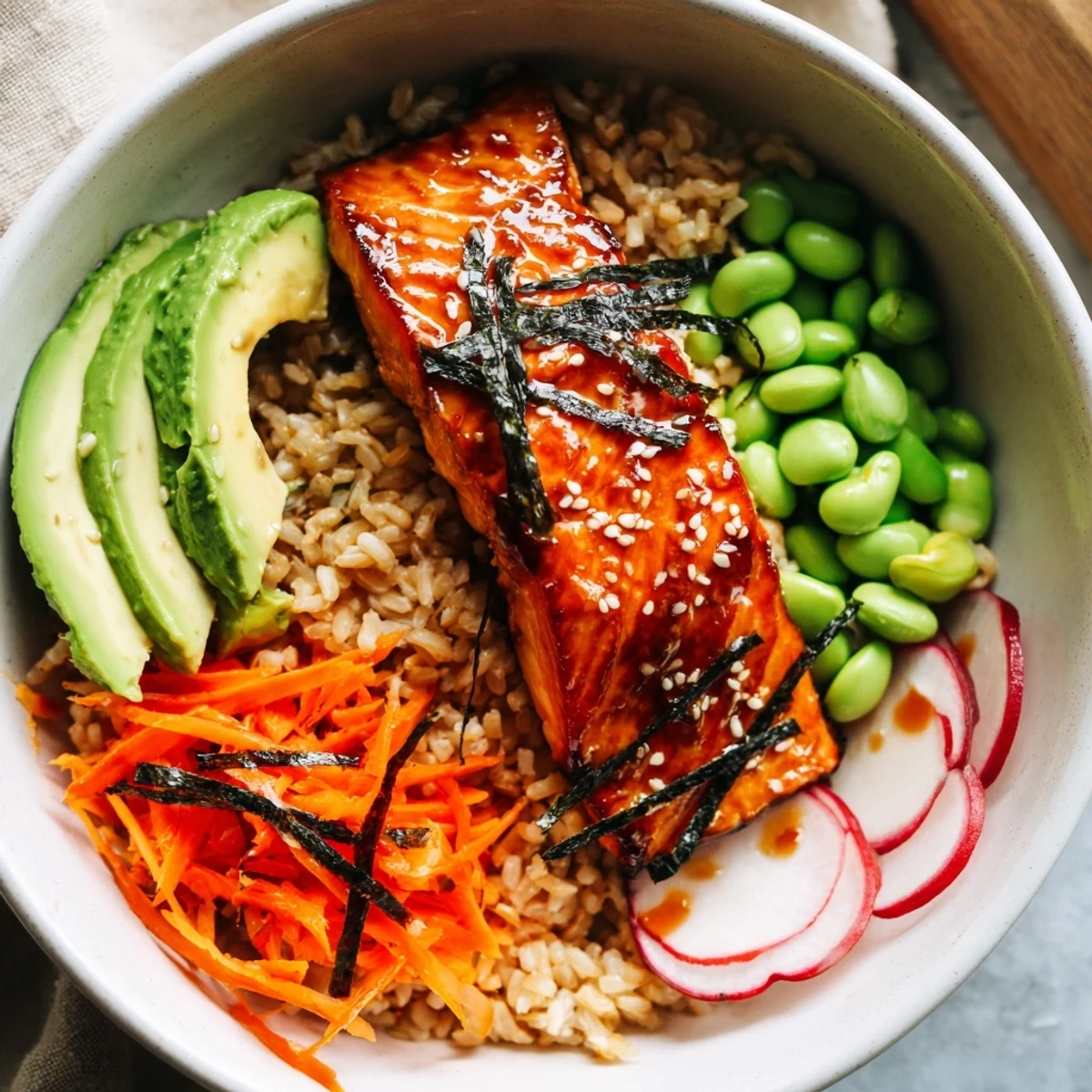
- Divide the warm grains among four bowls and arrange edamame, carrots, cucumber, avocado, radishes, and scallions around each one. Set a hot salmon fillet on top, drizzle with dressing, and finish with sesame seeds and nori strips.
 Pin it
 One of those yoga friends now makes this bowl for her family every week and texts me photos of her own riffs on it, sometimes with mango, sometimes with pickled jalapenos. Recipes are supposed to grow and change like that.
Choosing the Right Grain
Brown rice is my default because its chew holds up well under all those toppings and dressing, but farro brings a nutty personality that pairs beautifully with the miso. Quinoa cooks the fastest if you are really pressed for time, and a blended grain mix from the store can feel like a small luxury with zero extra effort. Cauliflower rice works too if you want something lighter, though you lose some of the comforting heft that makes this meal so satisfying.
Making It Your Own
The vegetables listed here are a starting point, not a rule book, and some of my favorite versions happened because I needed to use up whatever was in the crisper drawer. Roasted sweet potato, quick pickled red onion, or even a handful of shredded purple cabbage all have a place here. Think of the bowl as a framework and trust your instincts.
What to Serve Alongside
A glass of chilled Sauvignon Blanc or a tall iced green tea fits seamlessly alongside this bowl, especially in warmer weather when you want something refreshing. The meal is complete on its own, but a small cup of miso soup never hurt anyone either. A few things worth remembering as you put it all together:
- Pickled ginger on top adds a bright, sharp punch that wakes up every bite.
- Use tamari instead of soy sauce if you need the meal to be gluten free.
- Serve immediately because the salmon is best when the glaze is still warm and sticky.
 Pin it
 However you build your bowl, I hope it becomes the kind of meal you reach for without thinking, the way it has for me and everyone I have cooked it alongside. Good food does not need to be complicated to become a staple.
Recipe FAQs
- → What type of salmon works best for this grain bowl?
-
Fresh, skinless salmon fillets work best. Wild-caught sockeye or king salmon offer excellent flavor and texture. Aim for fillets around 150 g each for even cooking and proper portioning across four bowls.
- → Can I use a different grain instead of brown rice?
-
Absolutely. Quinoa, farro, or a mixed grain blend all work beautifully. For a low-carb alternative, cauliflower rice is a great substitute that still pairs well with the miso-glazed salmon and fresh toppings.
- → How do I know when the salmon is properly cooked?
-
The salmon is ready when it flakes easily with a fork, typically after 12 to 15 minutes in a 400°F oven. The internal temperature should reach 145°F. Avoid overcooking to keep the fish moist and tender beneath the miso glaze.
- → Can I prepare any components ahead of time?
-
Yes. The miso marinade can be mixed a day in advance and stored in the refrigerator. You can also cook the grains and prepare the vegetables ahead. Assemble the bowls and roast the salmon just before serving for the freshest result.
- → Is there a gluten-free version of this dish?
-
To make it gluten-free, substitute tamari for regular soy sauce in both the marinade and dressing. Also verify that your miso paste and mirin are certified gluten-free, as some brands may contain trace amounts of gluten.
- → What can I substitute for honey to make this fully plant-based?
-
Maple syrup is an excellent one-to-one substitute for honey in both the miso marinade and the rice vinegar dressing. It provides a similar sweetness and complements the savory umami flavors just as well.