 Pin it
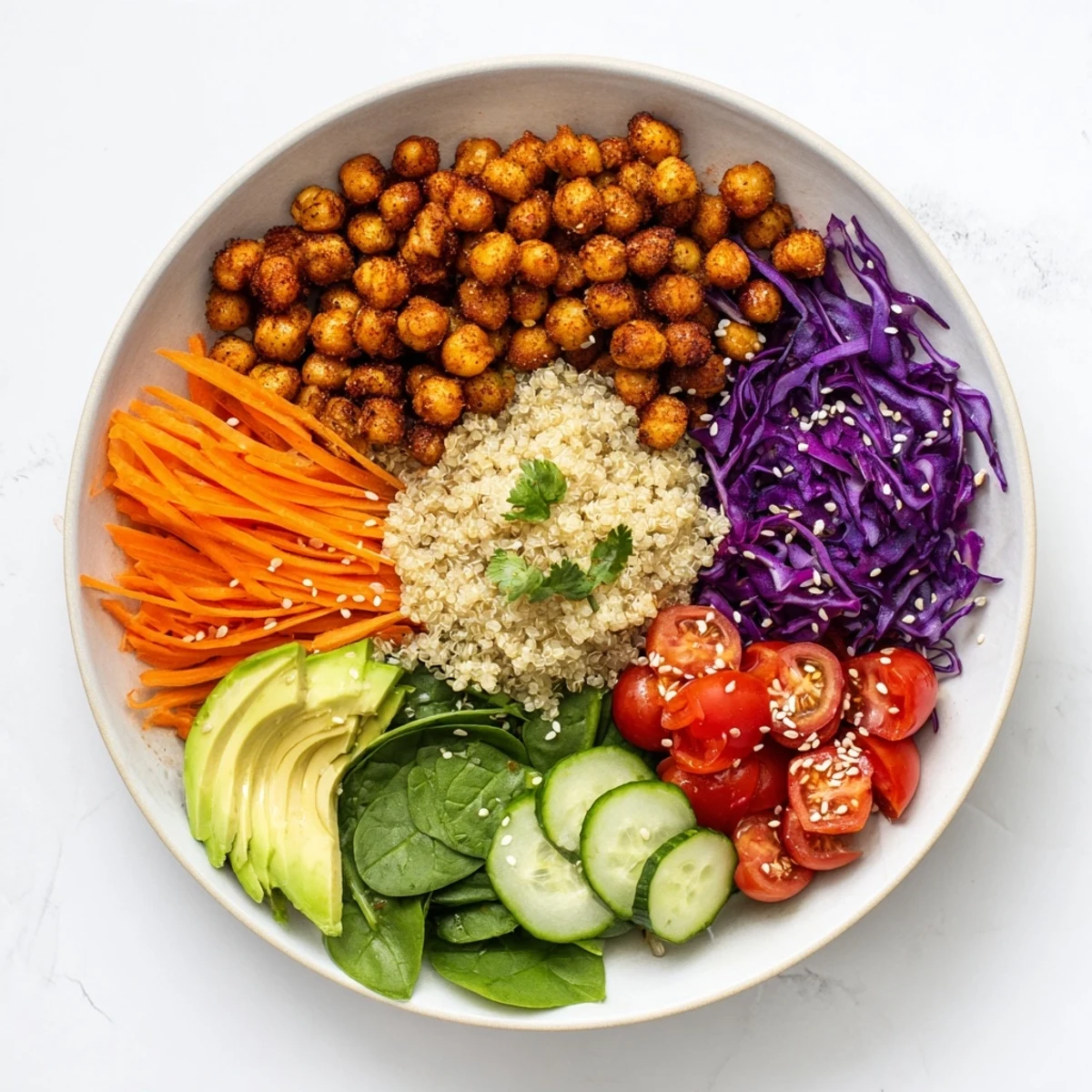
 This Buddha bowl brings together fluffy quinoa, crispy smoked paprika chickpeas, and a rainbow of fresh vegetables including carrots, avocado, cherry tomatoes, cucumber, red cabbage, and baby spinach.
Everything gets drizzled with a luscious tahini-lemon dressing that ties all the flavors together beautifully. Ready in just 45 minutes, it makes four generous servings perfect for meal prep or a satisfying weeknight dinner.
Naturally vegan and gluten-free, this bowl is as versatile as it is delicious—swap grains, rotate seasonal vegetables, or adjust toppings to your liking.
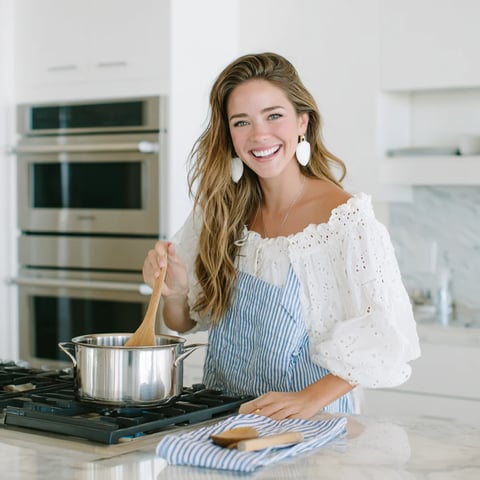
The kitchen smelled like smoked paprika and lemon, and my friend Lena looked at the bowl I handed her and said, quietly, that she had not eaten anything this colorful in months. That sentence stayed with me longer than any compliment I have ever received. A Buddha bowl is not really a recipe, it is a way of thinking about lunch that makes you feel like you took care of yourself. You layer grains, roasted things, raw things, something creamy, something crunchy, and then you pour a dressing over it all that ties every bite together.
I started making these bowls on Sunday afternoons as a way to use up whatever was left in the fridge before grocery shopping. What surprised me was how meditative the assembly became, lining up colors in a circle, making each bowl look intentional instead of thrown together.
Ingredients
- Quinoa (200 g, rinsed): Rinsing is not optional here, it removes the bitter coating called saponin and makes the grains fluffy instead of soapy.
- Carrots, julienned: Thin matchsticks give you crunch without jaw fatigue, and they catch the dressing in their grooves.
- Avocado, sliced: Adds the rich, creamy element that makes the whole bowl feel satisfying rather than virtuous.
- Cherry tomatoes, halved: Their slight acidity breaks through the earthiness of the grains and tahini.
- Cucumber, sliced: Cool and watery, it balances the warm roasted chickpeas beautifully.
- Red cabbage, finely shredded: The color alone justifies including it, but the crunch is what keeps you going back for another bite.
- Baby spinach: A tender green base that wilts slightly under warm quinoa if you are into that.
- Chickpeas (1 can, drained and rinsed): The protein anchor of the bowl, and they roast up incredibly crispy with almost no effort.
- Olive oil, smoked paprika, cumin, salt, pepper: This simple spice mix turns canned chickpeas into something you will snack on before they ever reach the bowl.
- Tahini, lemon juice, maple syrup, soy sauce, water: Whisked together, this dressing is thick, tangy, slightly sweet, and utterly addictive.
- Sesame seeds and fresh herbs (optional): Finish with these for a little visual drama and a final hit of flavor.
Instructions
- Cook the quinoa:
- Bring quinoa, water, and a pinch of salt to a boil in a medium saucepan, then reduce the heat to low, cover, and let it simmer for 15 minutes until the water disappears. Take it off the heat and let it sit covered for another 5 minutes before fluffing with a fork so each grain stays separate and tender.
- Roast the chickpeas:
- While the quinoa cooks, spread the seasoned chickpeas on a baking tray and slide them into a 200 degree C oven for 20 minutes, shaking the tray once halfway through. You want them golden and slightly crisp on the outside but still creamy within.
- Prep the vegetables:
- Wash, peel, slice, and julienne everything while the oven and stove do their work, laying each vegetable out in small piles so assembly is fast and intuitive. This is the part where the kitchen starts to feel like a little workshop.
- Whisk the dressing:
- In a small bowl, combine tahini, lemon juice, maple syrup, soy sauce, and water, whisking until the mixture goes from grainy to perfectly smooth and pourable. Taste it and adjust the lemon or water until it coats the back of a spoon without running off like soup.
- Build each bowl:
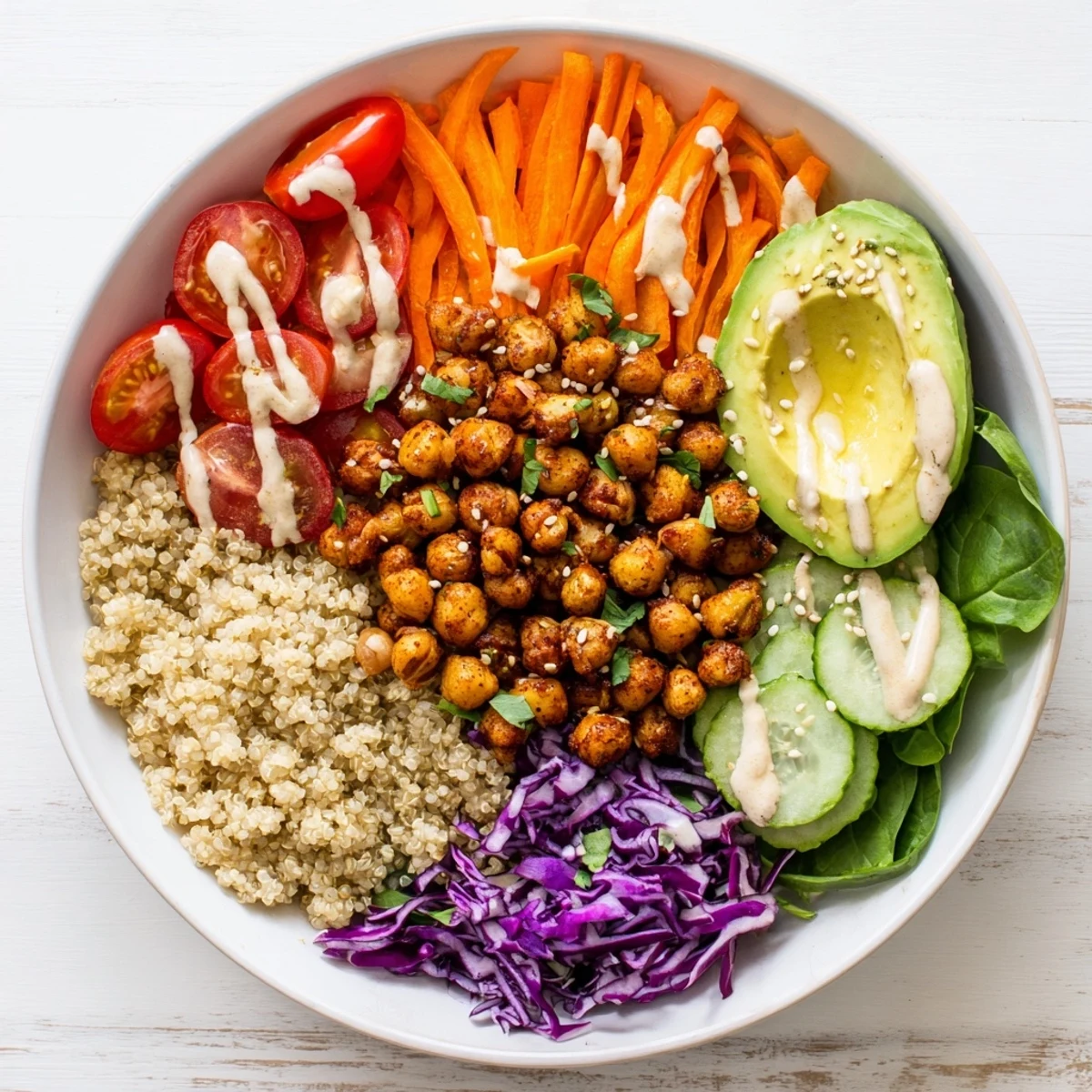
- Spoon warm quinoa into four bowls, then arrange the vegetables, spinach, and roasted chickpeas in sections around the grain so every spoonful offers something different. Drizzle generously with tahini dressing and finish with sesame seeds and fresh herbs if you have them.
 Pin it
 The first time I served these to a group, everyone held their phone over their bowl to take a photo before eating, and I realized the visual beauty of a Buddha bowl is part of why it nourishes you before you even take a bite.
Making It Your Own
The real magic of a Buddha bowl is that no two ever have to be the same, and once you understand the architecture, you stop needing a recipe entirely. Think of it as a formula: a grain, a green, something roasted, something raw, something creamy, a crunch, and a bold dressing to bring it all home.
Seasonal Swaps
In autumn I replace the cucumber with roasted sweet potato and swap the cherry tomatoes for pomegranate seeds, which changes the entire personality of the dish while keeping the same comforting structure. Winter calls for massaged kale instead of spinach and maybe some pickled red onion for brightness against heavier grains like brown rice.
Storing and Prepping Ahead
You can cook the quinoa and roast the chickpeas up to three days in advance and store them separately in airtight containers in the fridge. The dressing holds beautifully for five days and actually thickens in the cold, so just stir in a splash of water before using. Vegetables can be washed and cut the night before, but keep the avocado whole until the last minute.
- Keep the dressing in a separate jar so nothing gets soggy before its time.
- Crispy chickpeas lose their crunch after a day in the fridge, so reheat them briefly in a dry pan.
- Assemble each bowl right before eating for the best texture contrast.
 Pin it
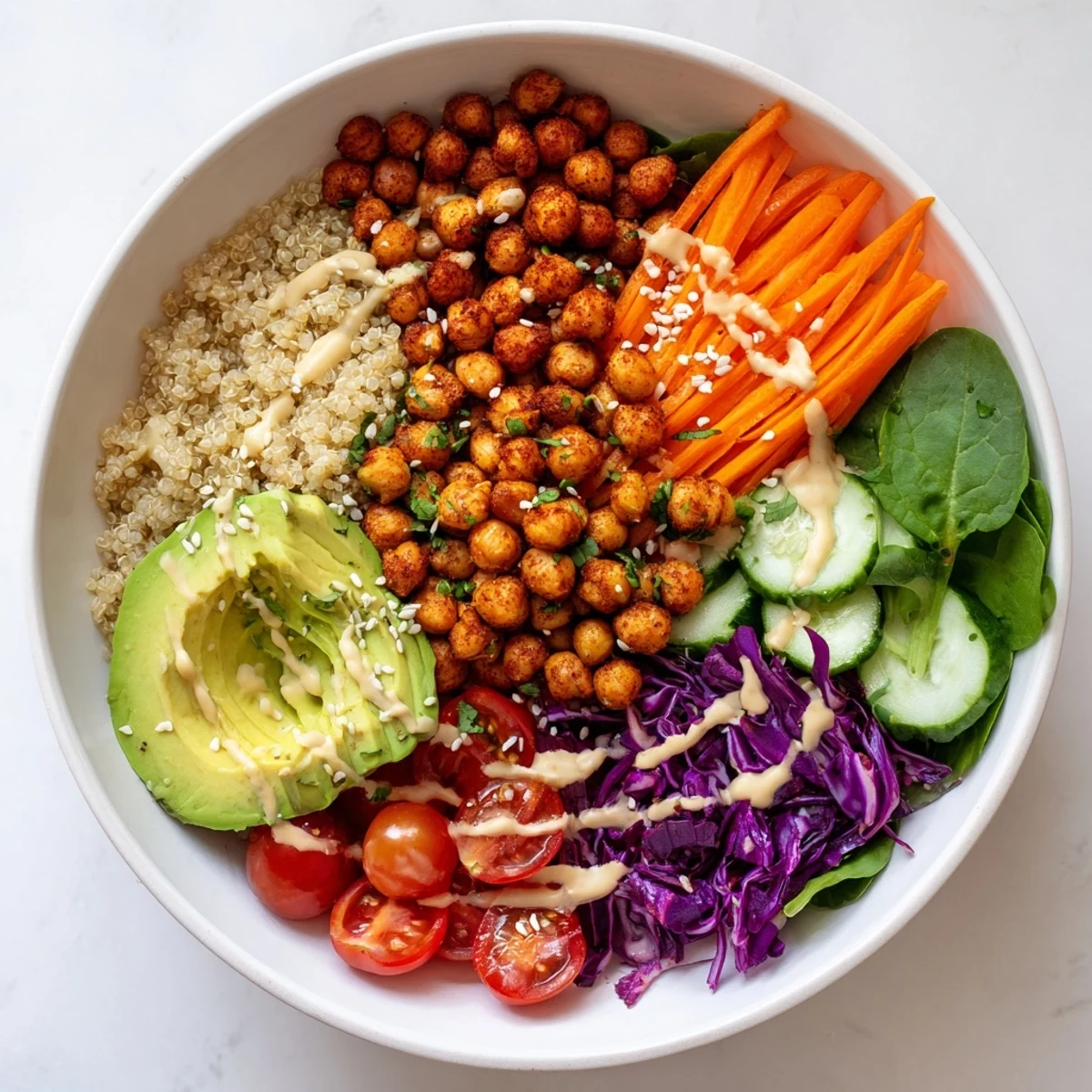
 A Buddha bowl is less a recipe and more a quiet agreement you make with yourself to eat something that feels like it cares about you. Make it once and you will find yourself reaching for this formula on the days you need it most.
Recipe FAQs
- → Can I prepare Buddha bowl components in advance?
-
Yes, quinoa and roasted chickpeas can be cooked up to three days ahead and stored in airtight containers in the refrigerator. The tahini dressing also keeps well for several days—just whisk again before using, as it may thicken when chilled.
- → What can I substitute for quinoa?
-
Brown rice, bulgur, couscous, or farro all work well as a base grain. Choose whatever you have on hand or prefer—each brings a slightly different texture and flavor to the bowl.
- → How do I keep the avocado from browning?
-
Slice the avocado just before serving and toss it gently with a squeeze of lemon juice. The citric acid helps slow oxidation and keeps it looking fresh and green.
- → Is this bowl suitable for meal prep?
-
Absolutely. Store each component separately in containers—grains, roasted chickpeas, chopped vegetables, and dressing. Assemble when ready to eat for the freshest results. Avoid freezing, as the fresh vegetables and tahini dressing don't thaw well.
- → How can I add more protein to this bowl?
-
Steamed edamame, roasted tofu cubes, tempeh, or grilled halloumi are excellent additions. You can also increase the chickpea quantity or sprinkle hemp seeds on top for an extra protein boost.
- → What other dressings pair well with a Buddha bowl?
-
Peanut sauce, balsamic vinaigrette, lemon-herb dressing, or a simple olive oil and lemon juice combination all complement the ingredients beautifully. Choose based on your flavor preference.