
 Pin it
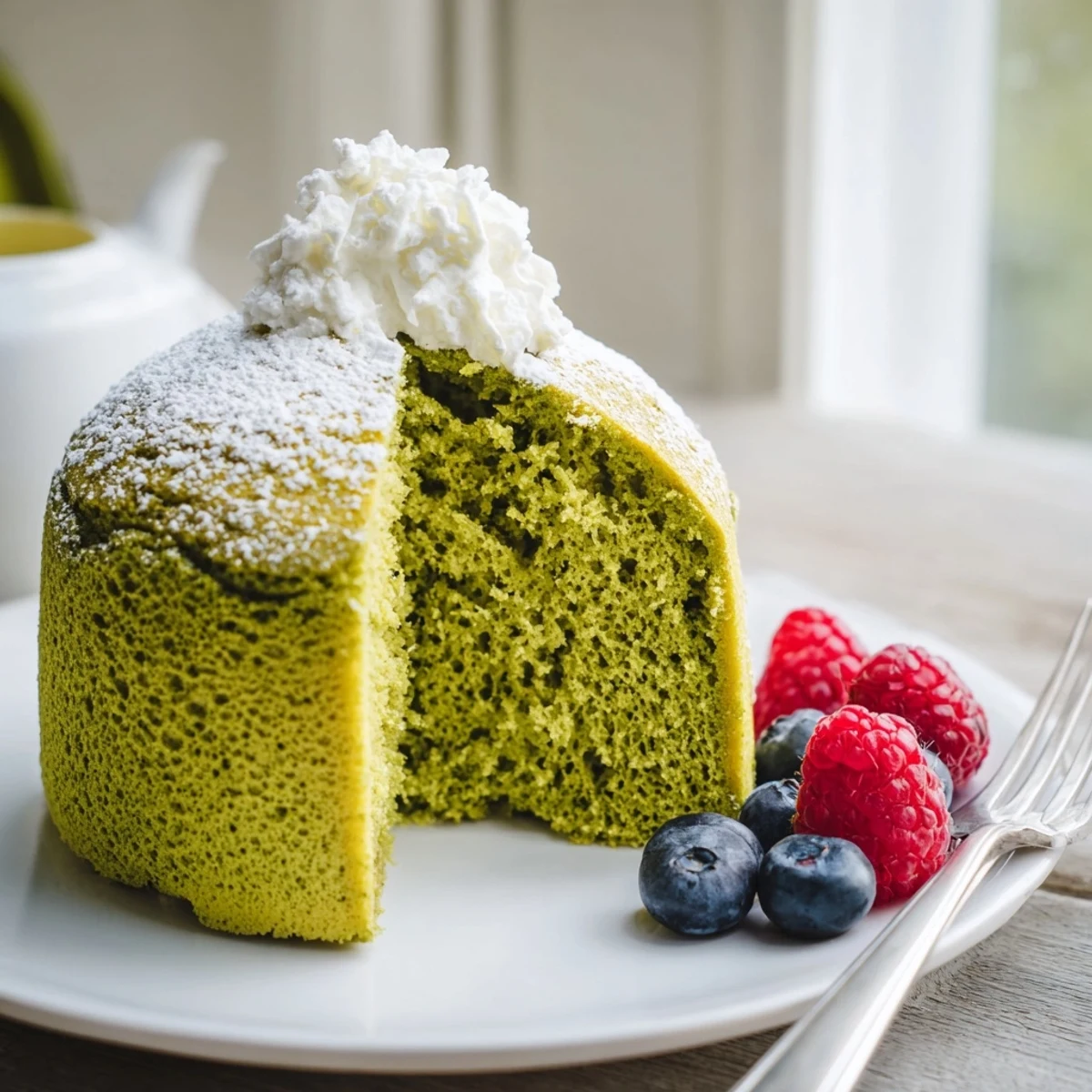
 This Japanese-inspired matcha sponge cake combines premium green tea powder with a classic butter-based batter for a delicately flavored treat.
The matcha imparts a beautiful green hue and earthy aroma that pairs wonderfully with the light, fluffy crumb.
Ready in under an hour, it serves 8 and can be finished with a simple dusting of powdered sugar, whipped cream, or fresh berries for an elegant presentation.
The afternoon light slanted through the kitchen window the color of honey, and somewhere between folding batter and watching matcha dust float in the air, I realized this cake was going to become a ritual. There is something about the earthy bitterness of green tea folded into something tender and sweet that makes you slow down. It demands nothing from you except a cup of something warm and a willingness to sit still for a moment.
I brought this to a friends potluck once, setting it on a table crowded with store bought pastries and elaborate dishes. Someone cut into it, paused, and looked at me with genuine surprise before asking where I had ordered it. That quiet moment of pride is why I keep coming back to this recipe.
Ingredients
- All purpose flour (1 1/2 cups, 180 g): The backbone of the sponge, and sifting it is non negotiable if you want that airy texture.
- Matcha green tea powder (2 tbsp): Use ceremonial grade if you can find it, the color and flavor are dramatically better than culinary grade.
- Baking powder (1 tsp): Gives the cake just enough lift without making it bready.
- Salt (1/4 tsp): A small pinch that wakes up every other flavor in the bowl.
- Granulated sugar (3/4 cup, 150 g): Not too sweet, just enough to balance the natural bitterness of the matcha.
- Whole milk, room temperature (1/2 cup, 120 ml): Cold milk will seize the melted butter, so let it sit out for a bit before starting.
- Unsalted butter, melted and slightly cooled (2/3 cup, 150 g): The melted butter keeps the crumb exceptionally moist without needing to cream butter first.
- Large eggs, room temperature (3): Room temperature eggs incorporate more air, which is the secret to that fluffy sponge.
- Vanilla extract (1 tsp): A quiet background note that rounds out the green tea flavor beautifully.
- Powdered sugar, whipped cream, or fresh berries for decoration (optional): A light dusting of powdered sugar over the top is elegant and effortless.
Instructions
- Set the stage:
- Preheat your oven to 350 degrees F (175 degrees C). Grease an 8 inch round cake pan and line the bottom with parchment paper so nothing sticks.
- Sift the dry ingredients together:
- In a medium bowl, sift the flour, matcha powder, baking powder, and salt. Watch the green bloom through the flour as you sift, and set the bowl aside.
- Whisk eggs and sugar into ribbons:
- In a large bowl, whisk the eggs and sugar together vigorously for about 2 to 3 minutes until the mixture turns pale yellow and falls in thick ribbons from the whisk.
- Add butter and vanilla:
- Pour in the melted butter and vanilla extract, folding gently until the mixture looks glossy and unified.
- Combine wet and dry with care:
- Alternate adding the dry ingredients and milk into the wet mixture, starting and ending with the dry. Fold just until combined, because overmixing will steal the lightness you just built.
- Pour and smooth:
- Transfer the batter into your prepared pan and use a spatula to smooth the top into an even layer.
- Bake until perfectly set:
- Bake for 30 to 35 minutes until a toothpick inserted into the center comes out clean and the top springs back lightly when touched.
- Cool with patience:
- Let the cake rest in the pan for 10 minutes, then turn it out onto a wire rack to cool completely before serving.
- Finish as you like:
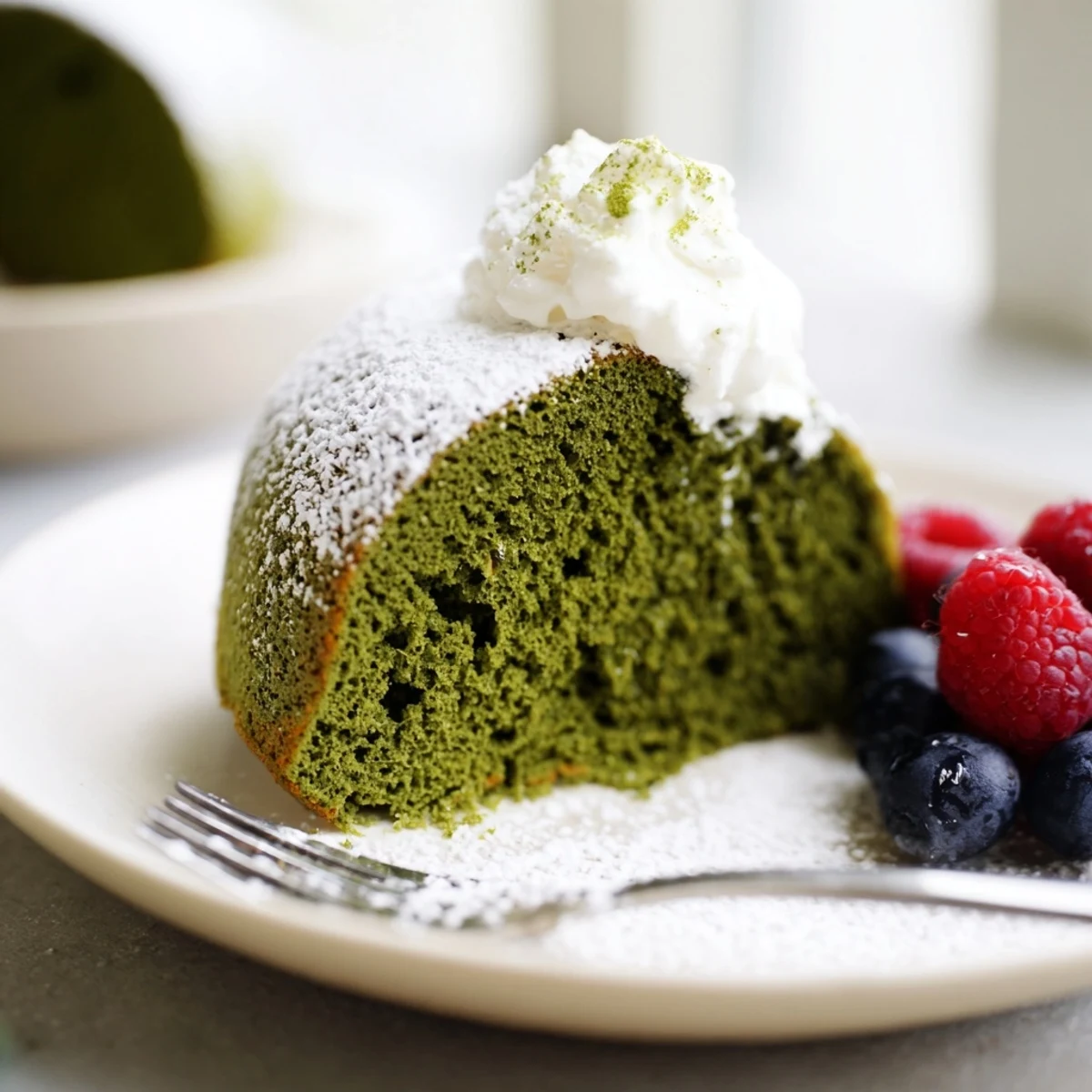
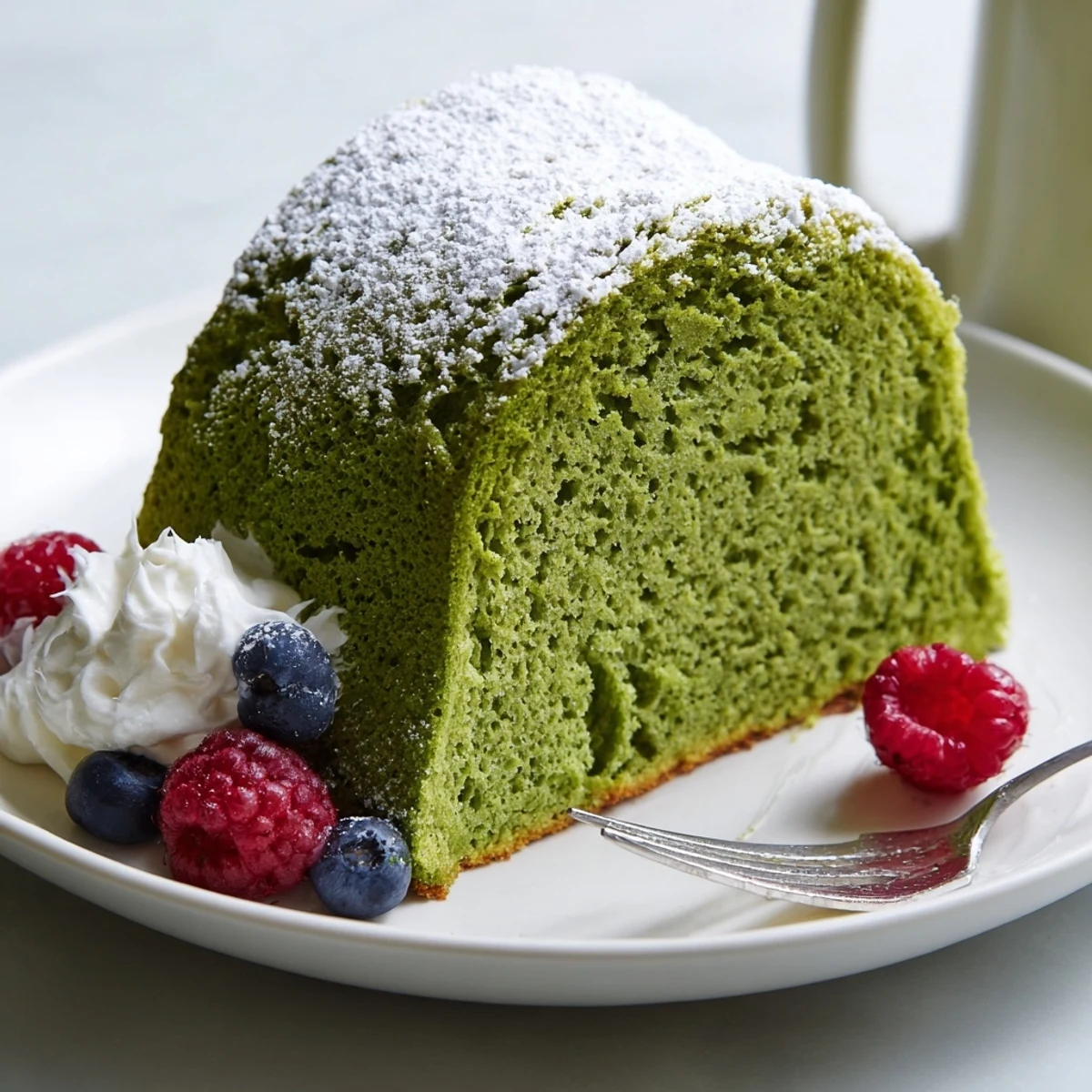
- Dust generously with powdered sugar and serve alongside whipped cream or fresh berries if the mood strikes.
 Pin it
 There was a rainy Tuesday when I baked this cake for no particular reason, set a pot of green tea on the counter, and sat alone in the kitchen listening to the rain tap against the window. The cake was still slightly warm, and the first bite tasted like someone had translated quiet contentment into something edible.
Choosing the Right Matcha Makes All the Difference
Not all matcha is created equal, and this recipe will expose the difference immediately. Ceremonial grade matcha has a vibrant emerald color and a smoother, less astringent taste that works beautifully in baked goods. Culinary grade will still work, but the color tends toward muddy olive and the flavor can be harsh. If your grocery store only carries one option, check a tea shop or order online for the best results.
Room Temperature Ingredients Are Not a Suggestion
I learned this the frustrating way one cold morning when I poured cold milk into warm melted butter and watched it seize into clumpy curds. Room temperature ingredients emulsify properly, which means a smoother batter and a more even crumb. Pull your eggs and milk out about thirty minutes before you plan to bake, and if you forget, submerge the eggs in warm water for ten minutes as a quick fix.
Simple Ways to Make It Your Own
This cake is a gentle canvas that welcomes experimentation without complaint. Once you feel confident with the base recipe, there are several ways to push it in new directions.
- Swap half the all purpose flour for almond flour to add a subtle nutty depth and even more tenderness.
- Fold in a handful of white chocolate chips for little pockets of sweetness scattered through each slice.
- Serve it slightly warm with a scoop of vanilla bean ice cream for a dessert that feels effortlessly elegant.
 Pin it
 Some cakes are for celebrations and some are for ordinary afternoons that deserve a small amount of beauty. This one belongs squarely in the second category, and that is exactly what makes it worth keeping close.
Recipe FAQs
- → What grade of matcha powder should I use?
-
Ceremonial grade matcha delivers the best flavor and brightest color, but culinary grade works well too. Avoid cooking-grade powders that appear dull yellowish-brown, as they will produce a flat taste.
- → Can I make this cake ahead of time?
-
Yes, it actually tastes better the next day. Wrap the cooled cake tightly in plastic wrap and store at room temperature for up to 2 days, or refrigerate for up to 5 days. Bring to room temperature before serving.
- → Why did my matcha cake turn out dense instead of fluffy?
-
Overmixing the batter is the most common culprit. Fold the dry and wet ingredients together gently until just combined. Also ensure your eggs and milk are at room temperature for better incorporation.
- → Can I substitute the all-purpose flour with a gluten-free blend?
-
A 1:1 gluten-free baking flour with xanthan gum can replace all-purpose flour. For extra moisture, add 1 tablespoon of sour cream or yogurt, as gluten-free batters tend to dry out faster.
- → How should I store leftover matcha cake?
-
Store in an airtight container at room temperature for up to 2 days. For longer storage, refrigerate for up to 5 days. You can also freeze individual slices wrapped tightly for up to 3 months.
- → What pairs well with matcha sponge cake?
-
Green tea, white tea, or sparkling wine complement the earthy matcha flavors beautifully. Fresh berries, a dollop of whipped cream, or a light vanilla bean glaze also make excellent accompaniments.