
 Pin it
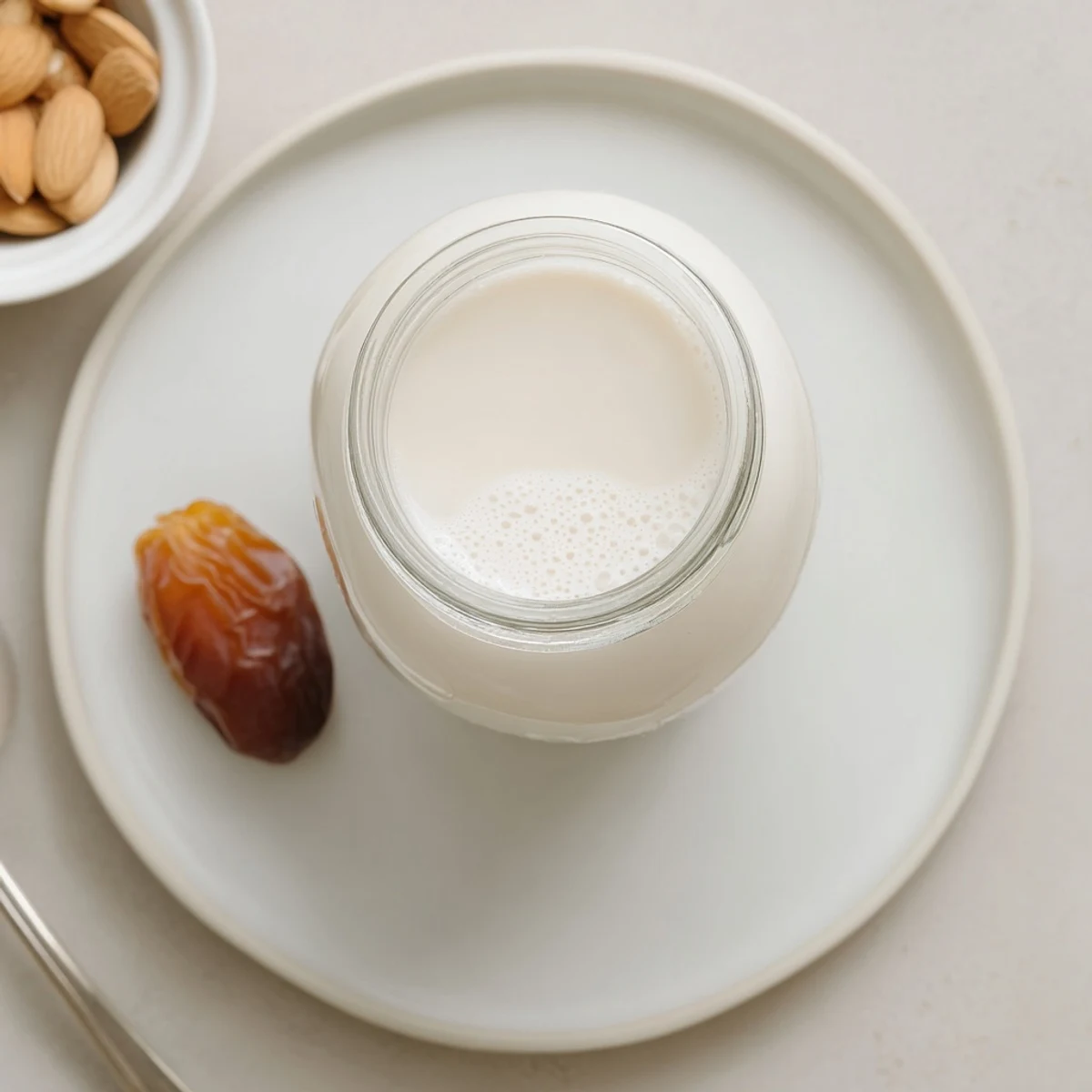
 Make 1 litre of creamy almond milk by soaking 1 cup (150 g) raw almonds for at least 8 hours, rinsing, then blending with 4 cups (1 L) filtered water. Sweeten with 1–2 dates or add 1 tsp vanilla if desired. Strain through a nut milk bag or cheesecloth, squeeze well, and refrigerate in a sealed jar; use within 3–4 days. Save the leftover almond pulp for baking, smoothies, or crackers.
There is something deeply satisfying about pouring a glass of milk you made yourself, watching the white liquid catch the morning light through the kitchen window. My blender had been sitting dusty on the shelf until a Tuesday evening when the grocery store was out of every brand I liked. What started as a desperate substitute turned into a weekly ritual I genuinely look forward to.
My neighbor walked in once while I was squeezing a nut milk bag over the sink and laughed out loud, asking if I had joined some kind of cult. She left twenty minutes later with a jar of her own and the recipe scribbled on the back of an envelope.
Ingredients
- Raw almonds (1 cup, 150 g): Use truly raw almonds, not roasted or salted, because the soaking process depends on them being unprocessed and their natural oils create that velvety texture.
- Filtered water (4 cups, 1 liter, plus more for soaking): Filtered water makes a noticeable difference since tap water minerals can mute the mild almond flavor.
- Dates, pitted (1 to 2, optional): One date adds a whisper of sweetness that feels natural, two will give you something closer to dessert milk.
- Vanilla extract (1 tsp, optional): A good quality extract rounds out the flavor and makes this feel like a treat poured over cereal or oatmeal.
- Sea salt (pinch, optional): Just a tiny pinch enhances everything else without making the milk taste salty at all.
Instructions
- Soak the almonds:
- Cover your raw almonds generously with water in a bowl and leave them on the counter for at least eight hours or tucked in the fridge overnight until they look plump and slightly bloated.
- Drain and rinse:
- Pour off the soaking water and give the almonds a thorough rinse under cool running water until they feel clean and no longer smell musty.
- Blend everything:
- Toss the soaked almonds into your blender with four cups of fresh filtered water plus any optional dates, vanilla, and salt, then blast on high for one to two minutes until the mixture looks uniformly creamy and no large chunks remain.
- Strain the milk:
- Pour the blended mixture through a nut milk bag or layered cheesecloth into a large bowl, gathering the edges and squeezing firmly with both hands to extract every last drop of liquid.
- Store and enjoy:
- Transfer your fresh almond milk into a clean bottle or jar, pop it in the refrigerator, and remember to give it a vigorous shake before each use since separation is completely natural.
 Pin it
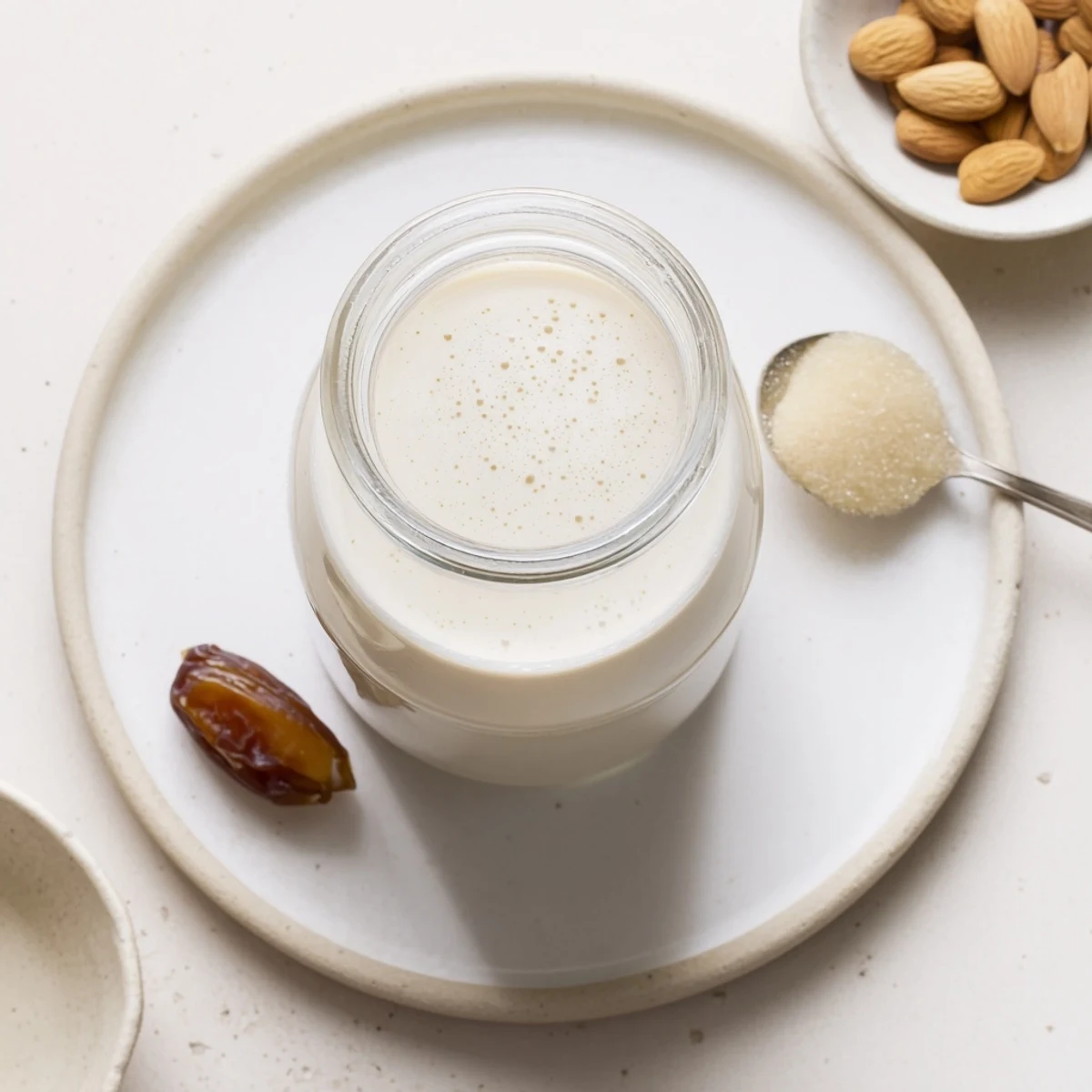
 Somewhere along the way this simple ten minute task became my Sunday evening reset, a quiet moment of preparation before the week begins.
Choosing Your Almonds
Not all almonds behave the same way, and I learned this after buying a bag from a bulk bin that produced grayish, flat tasting milk. Seek out almonds that are plump, pale, and clearly labeled raw, preferably from a source with good turnover so they have not gone rancid sitting in storage.
Getting The Texture Right
The ratio of almonds to water is your dial for thickness, and I usually nudge it depending on how I plan to use the milk. Four cups of water per cup of almonds gives you something wonderfully drinkable, but three and a half cups creates a richer pour that transforms a bowl of granola.
Storing Your Milk
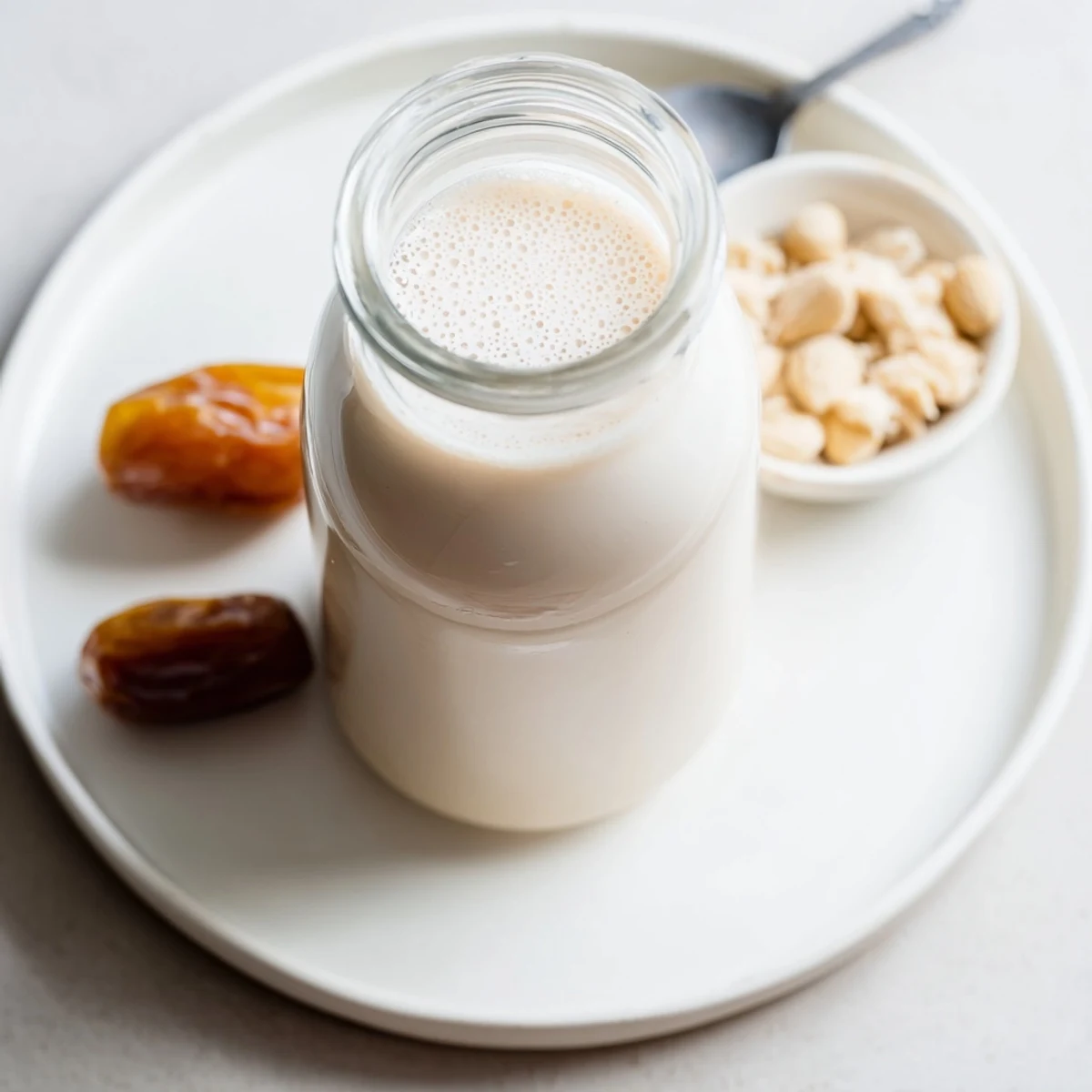
Glass bottles work best because they do not absorb odors and you can see the lovely separation happening, which is honestly part of the charm.
- Always use a perfectly clean container to avoid fermenting your batch prematurely.
- Label the jar with the date you made it so you remember to finish it within four days.
- If the milk smells sour or tastes off before day four, your container was not clean enough.
 Pin it
 Once you have tasted almond milk at its absolute freshest, the carton version starts to feel like a compromise you no longer need to make. Your morning coffee deserves this.
Recipe FAQs
- → How long should almonds soak?
-
Soak almonds for at least 8 hours or overnight to soften them fully; this allows smoother blending and a creamier milk.
- → Can I skip soaking the almonds?
-
Skipping soaking yields a grainier texture and less flavor extraction. Quick-soak (hot water, 1 hour) helps, but overnight is best for smoothness.
- → How do I sweeten or flavor the milk?
-
Add 1–2 pitted dates while blending for natural sweetness, or stir in 1 tsp vanilla extract. Maple syrup or cocoa powder can be used to vary flavor.
- → What is the best way to strain for smooth milk?
-
Use a nut milk bag, cheesecloth, or a fine mesh sieve and squeeze thoroughly; a nut milk bag typically yields the smoothest texture with minimal pulp.
- → How long does homemade almond milk keep?
-
Refrigerate in a sealed bottle or jar and use within 3–4 days. Shake well before each use, as separation is natural.
- → What can I do with the leftover almond pulp?
-
Dry or freeze the pulp for baking, add it to smoothies, make crackers, or incorporate into cookies and muffins to reduce waste and add fiber.
- → How do I adjust creaminess?
-
Reduce the water for creamier milk or increase it for a thinner pourable milk. Start with 4 cups (1 L) and tweak to taste.