
 Pin it
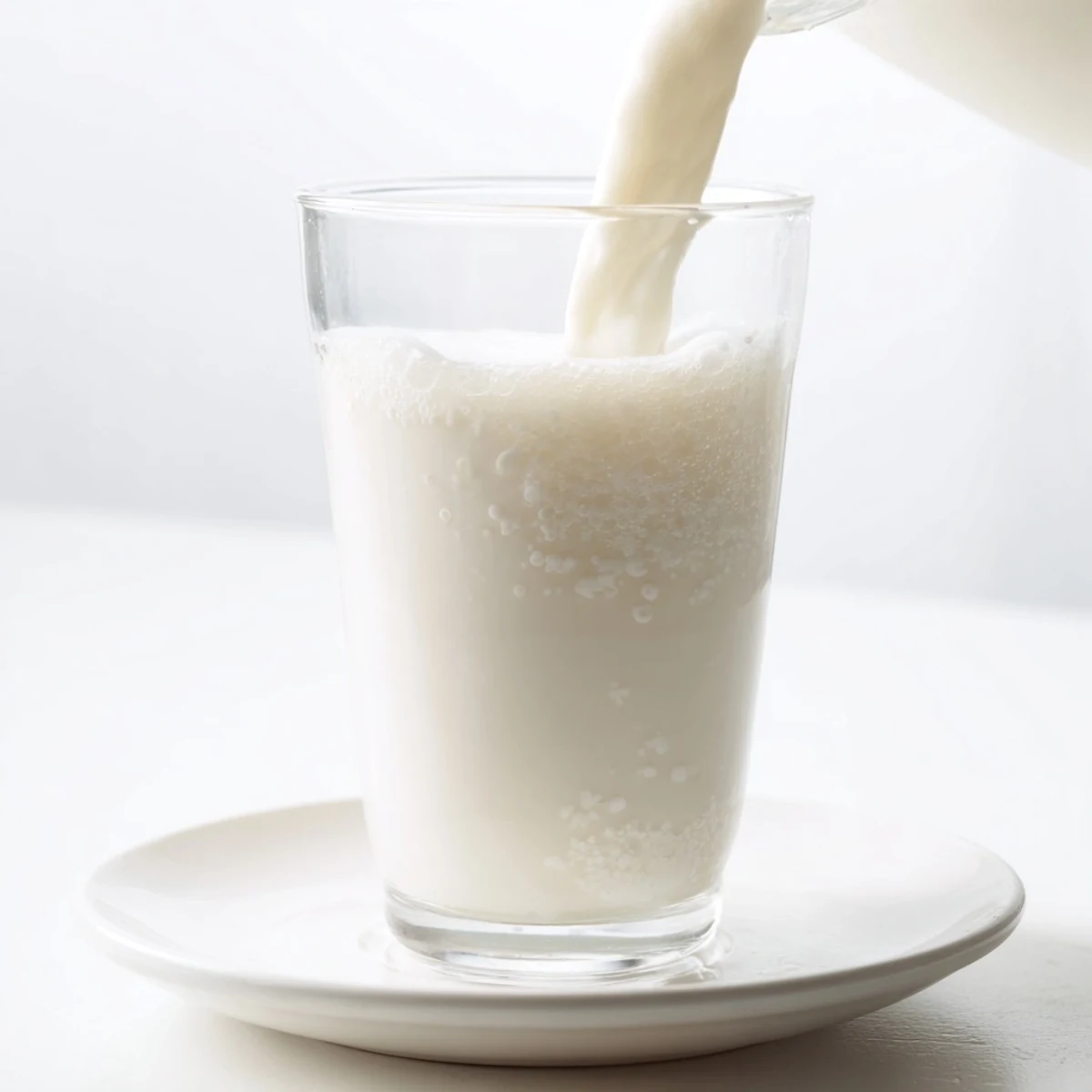
 Transform raw almonds into silky, refreshing plant-based milk with this straightforward method. After an overnight soak, blend the nuts with filtered water until completely smooth, then strain through a nut milk bag or cheesecloth for the creamiest results. This versatile beverage works beautifully in morning coffee, blended into smoothies, or simply enjoyed chilled. The process yields approximately one liter and keeps fresh for several days in the refrigerator. Save the leftover almond pulp for adding fiber to baked goods or energy bites.
The blender screamed at six in the morning and my roommate knocked on the kitchen door asking if everything was okay. That was my first attempt at homemade almond milk, standing barefoot on cold tiles, completely skeptical that cloudy liquid pouring through a nut milk bag could ever replace the store bought carton I had relied on for years. One sip changed everything. It was sweeter, lighter, and tasted genuinely like almonds instead of whatever happens inside a factory.
I started making weekly batches after my friend Elena complained that her smoothies always tasted flat. We spent a Saturday morning straining pulp together and laughing at how messy my tiny kitchen got, flour dusted counters suddenly covered in almond sediment instead. She texted me three days later asking for the exact ratio I used because her version turned out even better than mine.
Ingredients
- 1 cup raw almonds: Use truly raw unsalted almonds because roasted ones will give the milk a heavy, toasted flavor that overpowers everything else.
- 4 cups filtered water: The quality of your water matters here since it makes up the bulk of the final product.
- 1 to 2 tablespoons maple syrup: This is optional but a small amount of sweetness rounds out the flavor beautifully and feels more balanced than leaving it plain.
- 1 teaspoon vanilla extract: Optional but recommended, it adds a soft warmth that makes the milk feel like a treat rather than a utility ingredient.
- Pinch of sea salt: Just a tiny amount enhances the natural nuttiness without making it taste salty.
Instructions
- Soak the almonds:
- Cover the almonds with plenty of water in a bowl and let them soak at least eight hours or overnight until they look plump and you can squeeze them easily between your fingers.
- Blend until smooth:
- Drain the soaked almonds, toss them into your blender with four cups of fresh filtered water, and run it on high for one to two minutes until the mixture looks creamy and uniformly pale white.
- Add flavorings if desired:
- Pour in the maple syrup, vanilla extract, and a pinch of salt, then blend for just a few seconds to incorporate without overworking the mixture.
- Strain the milk:
- Drape a nut milk bag or cheesecloth over a large bowl or jug, slowly pour the blended mixture through it, and watch the liquid separate from the grainy pulp with surprising satisfaction.
- Squeeze out every last drop:
- Gather the bag or cloth and press firmly with your hands to extract as much milk as possible because there is always more hiding in that pulp than you expect.
- Store and enjoy:
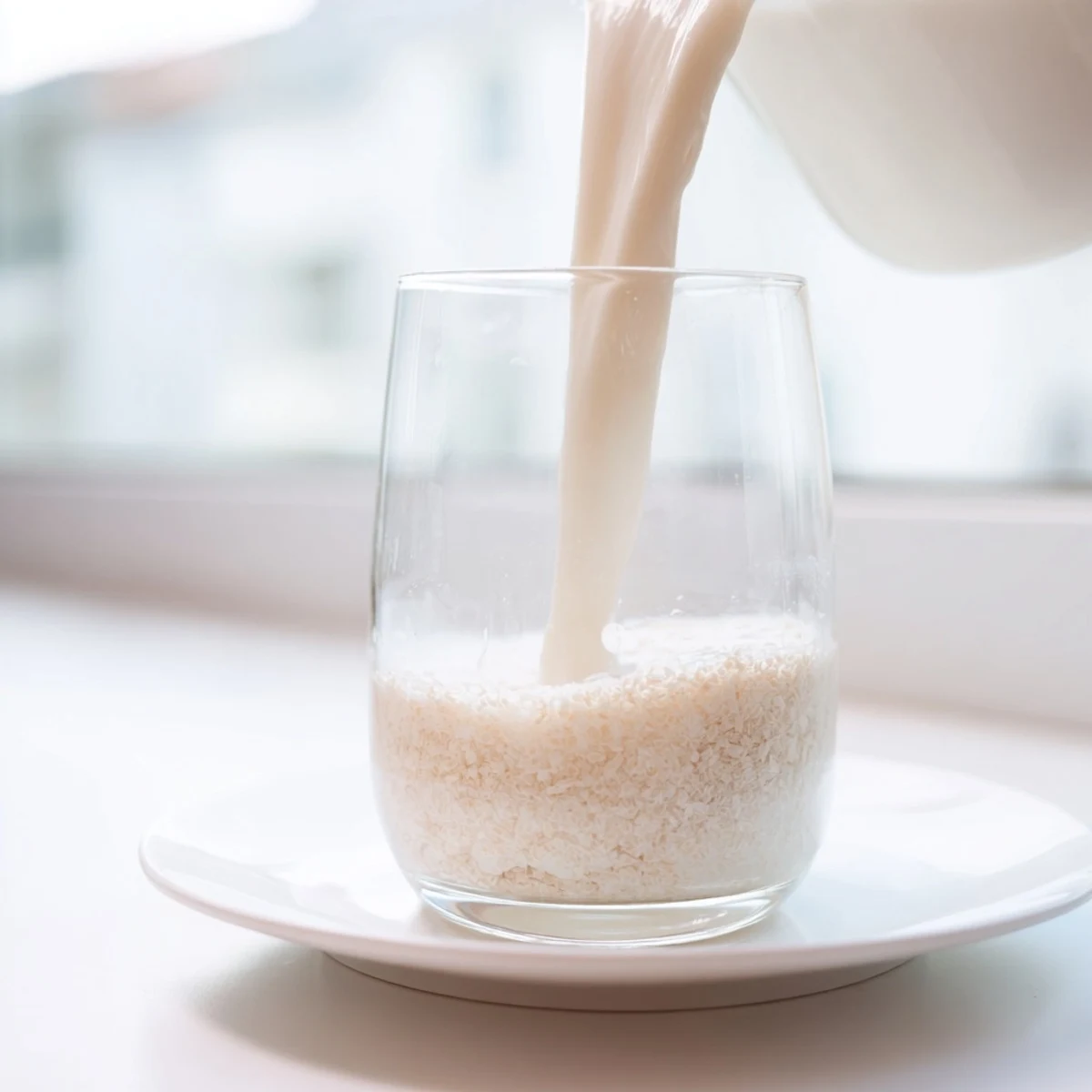
- Transfer your fresh almond milk into a clean bottle or jar, keep it refrigerated for up to five days, and remember to shake it well before each use since separation is completely natural.
 Pin it
 Somewhere between the second and third batch I stopped thinking of this as a recipe and started treating it as a weekly rhythm, like watering plants or folding laundry. The quiet act of squeezing something nourishing from scratch became its own small reward.
Making It Your Own
Stir in a tablespoon of cocoa powder after straining for rich chocolate almond milk that tastes indulgent enough to serve over ice as an afternoon pick me up. Drop a whole cinnamon stick into the storage jar for a gently spiced version that makes morning coffee feel like a small ceremony. You can even blend in a few soaked dates instead of maple syrup if you prefer sweetness that comes with caramel depth.
The Soaking Question
People often ask if the overnight soak is truly necessary and the honest answer is yes if you want smooth, digestible milk. Soaking softens the almonds so your blender can break them down completely, and it also reduces phytic acid which can interfere with nutrient absorption. Even a quick four hour soak in warm water works if you forgot to plan ahead.
Troubleshooting and Storage Tips
Fresh almond milk behaves differently from commercial versions and that is a sign you did it right, not a sign something went wrong.
- If your milk tastes slightly bitter, try blanching the almonds to remove the skins before blending.
- For a creamier result, reduce the water to three cups and blend a little longer than usual.
- Always label your jar with the date so you know when the five day window is closing.
 Pin it
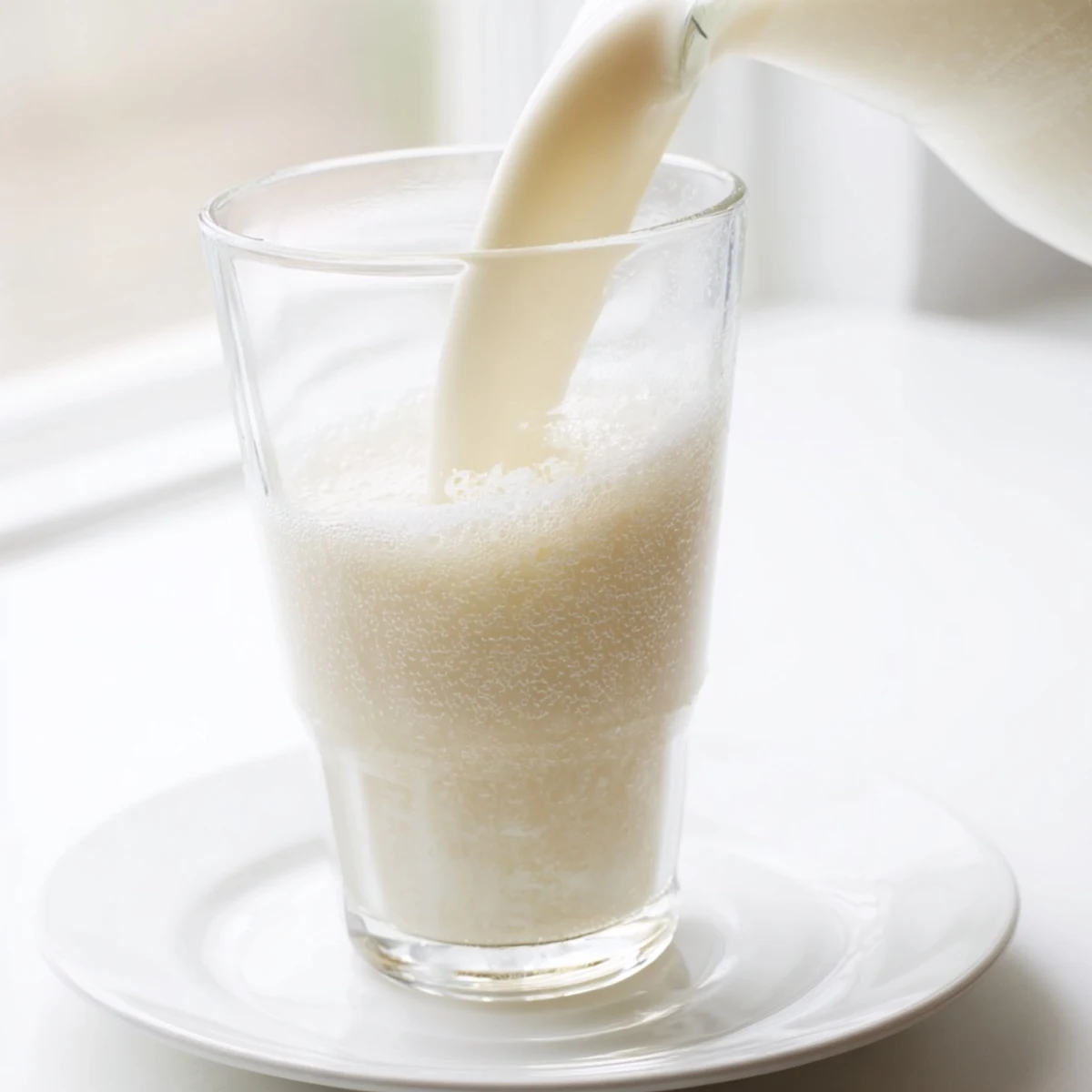
 Homemade almond milk is one of those small kitchen acts that quietly shifts how you think about everyday food. Once you experience the difference, the store bought carton simply stops being an option.
Recipe FAQs
- → How long does homemade almond milk last?
-
When stored properly in a sealed container in the refrigerator, homemade almond milk stays fresh for 4-5 days. Give it a good shake before each use, as natural separation occurs.
- → Why do I need to soak the almonds first?
-
Soaking softens the nuts, making them easier to blend thoroughly. This process also helps break down phytic acid and activates beneficial enzymes, improving digestibility and nutrient absorption.
- → Can I make almond milk without sweetener?
-
Absolutely. The sweetener is completely optional. Many prefer the pure, nutty flavor of unsweetened almond milk, especially for cooking or savory applications.
- → What can I do with leftover almond pulp?
-
The pulp is incredibly useful. Dry it in the oven at a low temperature to make almond flour, add fresh to smoothies for extra fiber, mix into energy bites, or incorporate into cookie and muffin batters.
- → Can I use roasted almonds instead of raw?
-
Raw almonds work best as they produce a neutral, fresh taste. Roasted almonds will yield a milk with a distinct roasted flavor that may not work well in all applications.
- → How can I make the milk even creamier?
-
Reduce the water ratio to 3 cups instead of 4, or blend a small handful of raw cashews with the almonds. This increases fat content for a richer mouthfeel.