
 Pin it
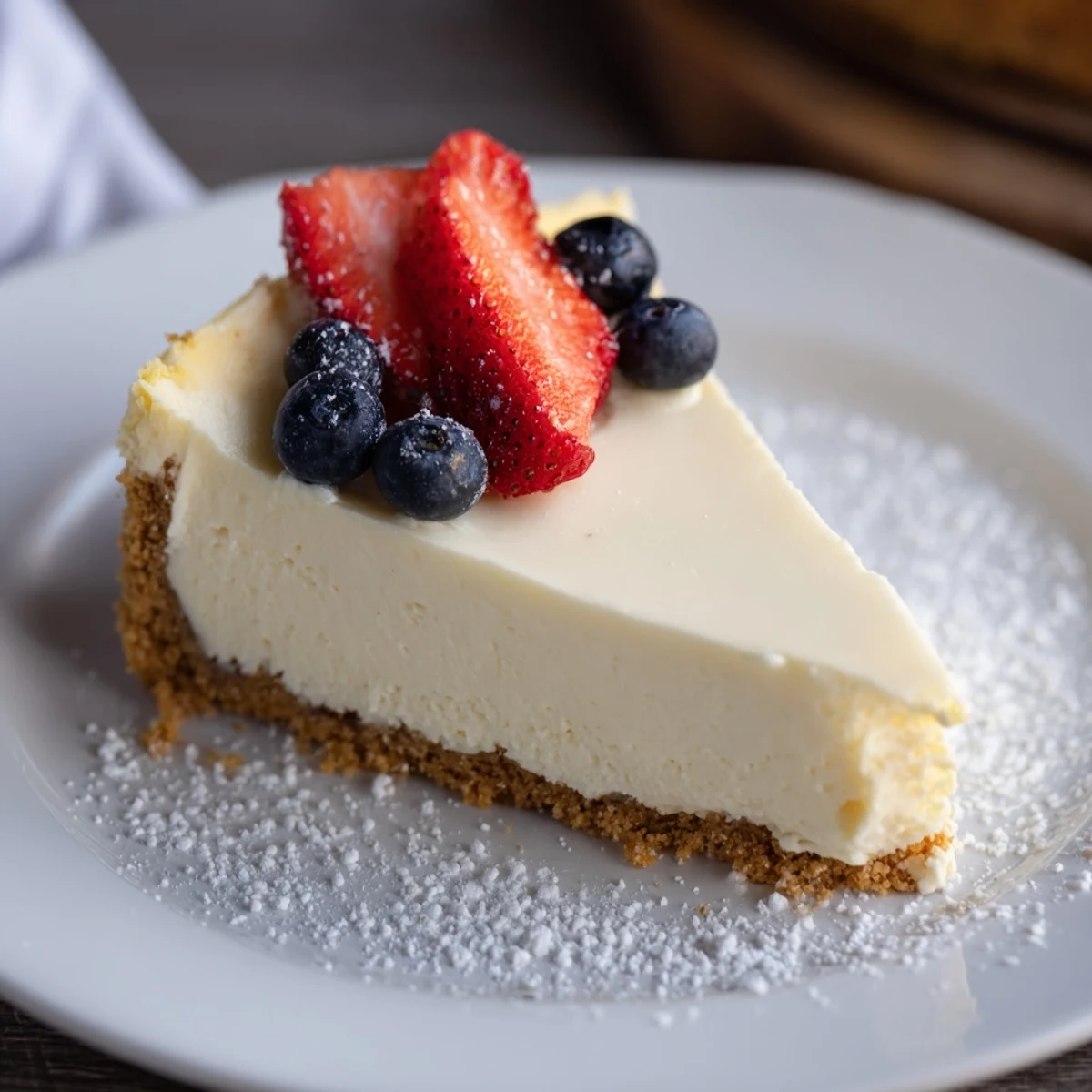
 This classic cheesecake features a buttery graham cracker crust and a silky cream cheese filling flavored with vanilla and a touch of lemon. Press and prebake the crust, then whisk softened cream cheese with sugar, eggs, sour cream, flour and lemon. Bake at 160°C until set but slightly wobbly, cool in the oven, then chill for at least 4 hours or overnight. Top with sweetened sour cream or fresh berries before serving.
The oven light clicked on and suddenly I was ten again, standing on a step stool watching my aunt press crumbs into a springform pan with the back of a spoon. Something about the smell of toasted graham crackers and melted butter will always mean celebration to me. Cheesecake has this reputation for being fussy, but honestly it is one of the most forgiving desserts once you understand its rhythm. This version is the one I have made for birthdays, potlucks, and quiet Tuesday nights when nothing but creamy silence on a fork would do.
I once brought this to a friend who had just moved into a new apartment with nothing but a folding table and two mugs in the kitchen. We ate it standing up with plastic forks and she laughed so hard she cried, saying it was the best housewarming gift anyone had ever given her.
Ingredients
- Graham cracker crumbs (200 g): The foundation of everything, so use fresh crumbs and pulse them yourself if possible for the best texture.
- Unsalted butter, melted (100 g): Helps the crust hold together when pressed firmly into the pan.
- Granulated sugar for crust (2 tbsp): Just enough sweetness to balance the buttery crumbs without making them cloying.
- Cream cheese, softened (900 g): The star of the show, and it must be fully softened or you will chase lumps forever.
- Granulated sugar for filling (200 g): Blends into the cream cheese to create that smooth, dense sweetness.
- Large eggs, room temperature (3): Added one at a time to keep the batter silky and prevent air pockets.
- Sour cream (240 ml): Gives the filling a subtle tang that cuts through the richness beautifully.
- Vanilla extract (2 tsp): Use the real stuff here because it shines through every single bite.
- All-purpose flour (2 tbsp): A tiny amount that helps stabilize the filling and prevent cracking.
- Lemon juice (1 tbsp): Brightens everything and balances the dairy so the cheesecake never feels heavy.
- Sour cream for topping (240 ml): Optional but adds a beautiful creamy layer on top that looks elegant.
- Powdered sugar (2 tbsp): Sweetens the topping just enough without making it gritty.
- Vanilla extract for topping (1 tsp): Rounds out the topping with warmth and fragrance.
Instructions
- Prepare the oven and pan:
- Preheat to 160 degrees C (325 degrees F) and line the bottom of a 23 cm springform pan with parchment paper so nothing sticks.
- Build the crust:
- Toss the graham crumbs, melted butter, and sugar together until everything feels like damp sand, then press firmly and evenly into the bottom of the pan. Bake for 10 minutes until fragrant and set aside to cool.
- Start the filling:
- Beat the cream cheese in a large bowl until completely smooth with no lumps hiding in the corners, then gradually add the sugar while the mixer runs.
- Add the eggs and flavorings:
- Crack in the eggs one at a time, mixing well after each, then fold in the sour cream, vanilla, flour, and lemon juice until just combined without overmixing.
- Assemble and bake:
- Pour the filling over the cooled crust and smooth the top with a spatula, then bake for 45 minutes until the edges are set but the center still has a gentle wobble when you shake the pan.
- Cool slowly in the oven:
- Turn off the oven, crack the door open, and let the cheesecake rest inside for one hour so it cools gently and avoids dramatic cracks.
- Chill thoroughly:
- Remove from the oven, let it reach room temperature, then refrigerate for at least four hours or preferably overnight for the best slice.
- Add the optional topping:
- Mix sour cream, powdered sugar, and vanilla together until smooth, then spread evenly over the chilled cheesecake before serving.
 Pin it
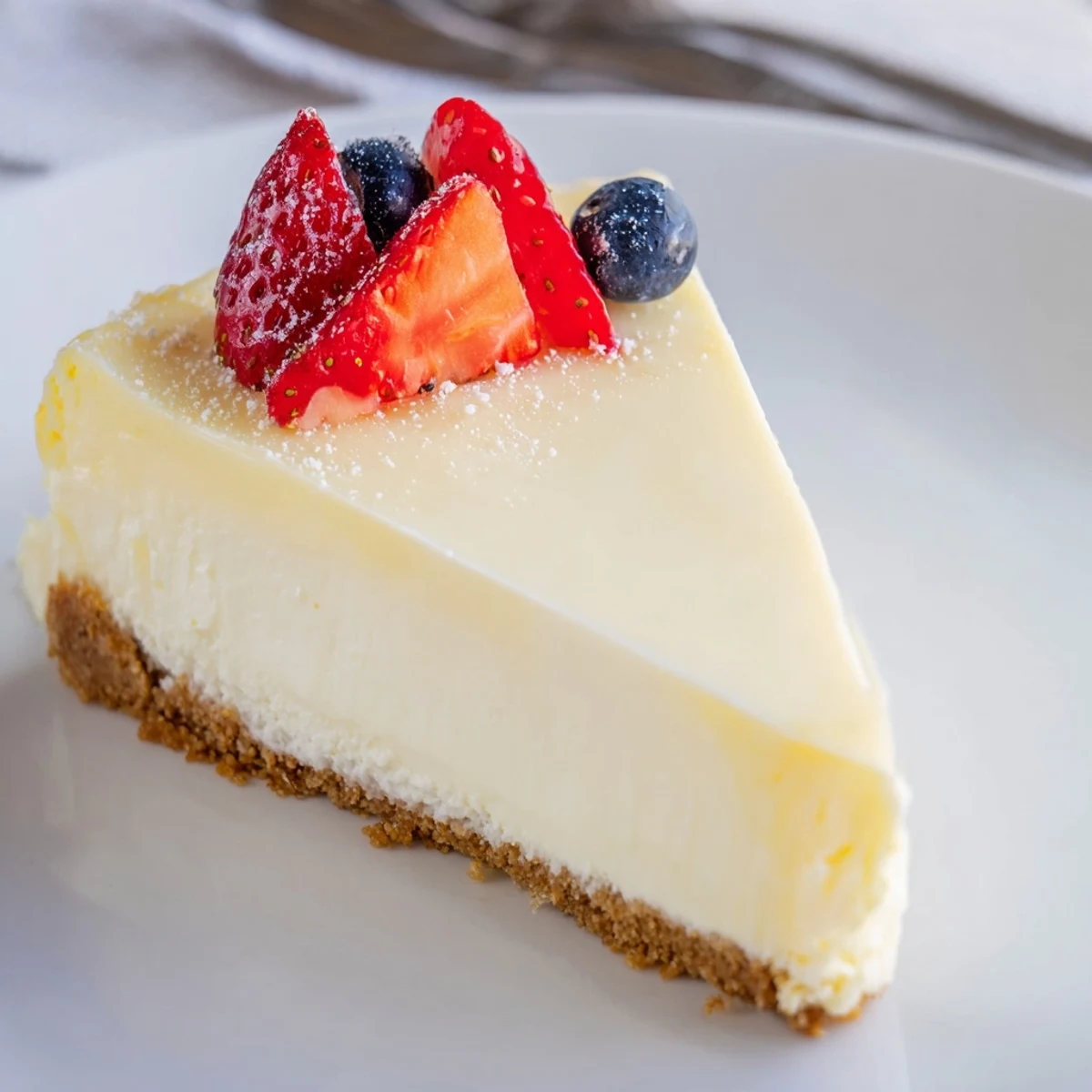
 The first time I pulled a cheesecake out of the oven without a single crack, I actually called my mother at midnight to tell her. She laughed and said it meant I was finally a grownup.
Choosing the Right Pan
A springform pan is nonnegotiable for this recipe because you need to release the sides without flipping the cheesecake. I learned the hard way that cheap pans can warp and let butter seep out onto the oven floor, which fills the kitchen with smoke at the worst possible moment.
The Art of Patience
Cheesecake is a lesson in delayed gratification because the chill time matters as much as the bake time. I have tried slicing it after three hours and it always collapses into a mess, but overnight it sets into something truly magnificent.
Serving and Storing
Run a thin knife under hot water and wipe it dry between each slice for those perfectly clean edges that make people think you bought it at a bakery. Store leftovers covered in the refrigerator for up to five days, though in my house it never lasts that long.
- Freeze individual slices wrapped tightly in plastic for up to two months and thaw overnight in the fridge.
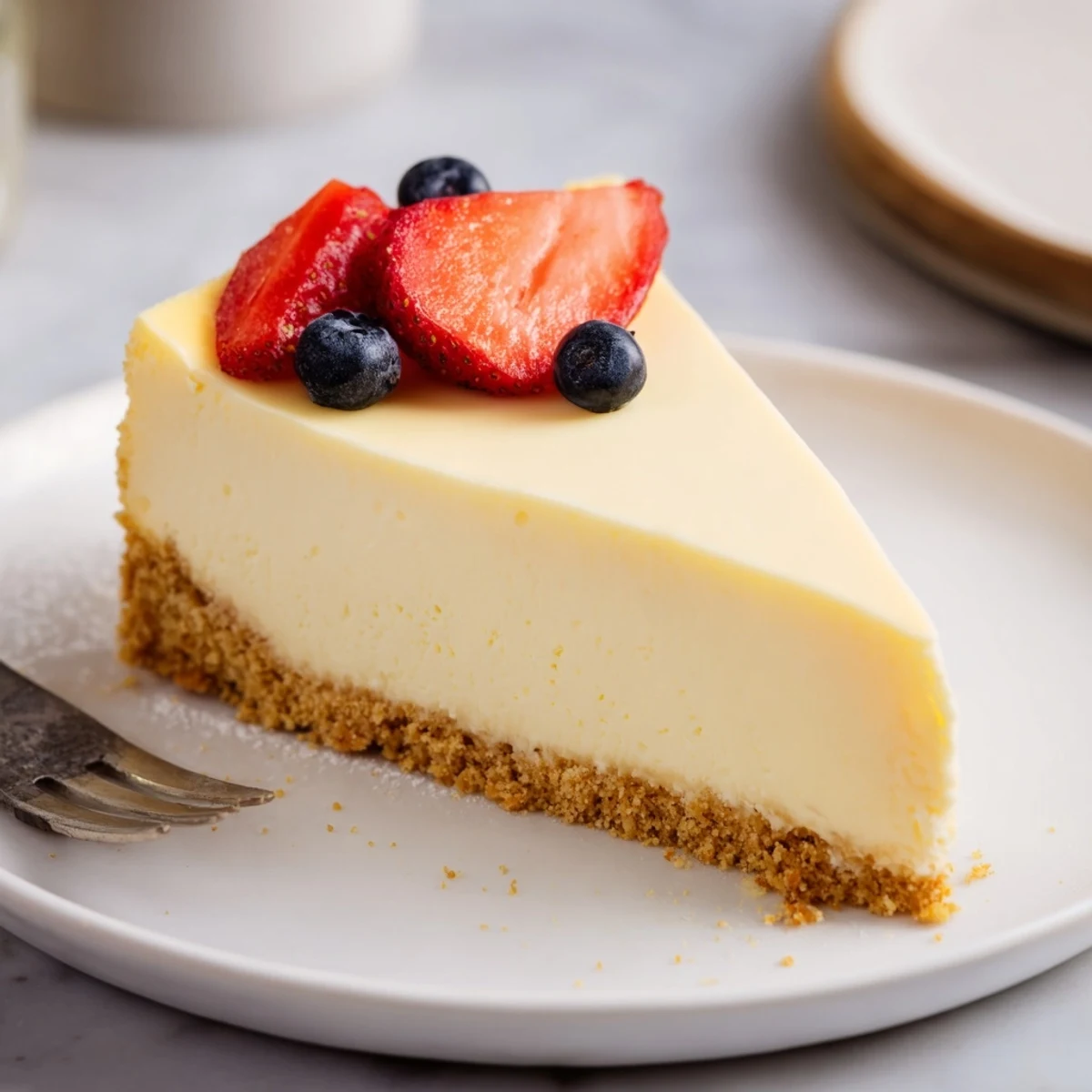
- Fresh berries on top make everything look fancy with almost zero effort.
- Always let the cheesecake sit at room temperature for about fifteen minutes before slicing for the creamiest texture.
 Pin it
 Every cheesecake I make still reminds me of that tiny kitchen with the step stool, and I think that is the real secret ingredient. Some recipes are just love made tangible, and this one holds that feeling in every single slice.
Recipe FAQs
- → How can I prevent cracks on the surface?
-
Avoid overbeating the filling, bake at a moderate temperature, and cool slowly in the oven with the door ajar to reduce sudden temperature changes. Using a water bath can also help produce a smoother, crack-free top.
- → Can I substitute the graham cracker crust?
-
Yes. Try crushed digestive biscuits, shortbread, or ground nuts in place of graham crackers. Adjust the amount of melted butter until the crumbs hold together when pressed into the pan.
- → What yields the creamiest filling?
-
Work with room-temperature cream cheese and beat just until smooth. Add eggs one at a time, then fold in sour cream and flour gently to avoid incorporating excess air, and avoid overbaking.
- → How do I tell when it's done baking?
-
The edges should be set and slightly puffed while the center remains a bit wobbly; it will firm up as it cools and chills. Overbaking leads to a dry texture and more cracking.
- → How long should it chill and how should I store it?
-
Chill for at least 4 hours, preferably overnight, to develop texture. Store covered in the refrigerator for up to 4 days; freeze slices for longer storage and thaw in the fridge before serving.
- → How can I add a citrus note or finish?
-
Fold in finely grated lemon or orange zest into the filling for brightness. After chilling, spread a sweetened sour cream topping or add fresh berries or a compote for contrast.