
 Pin it
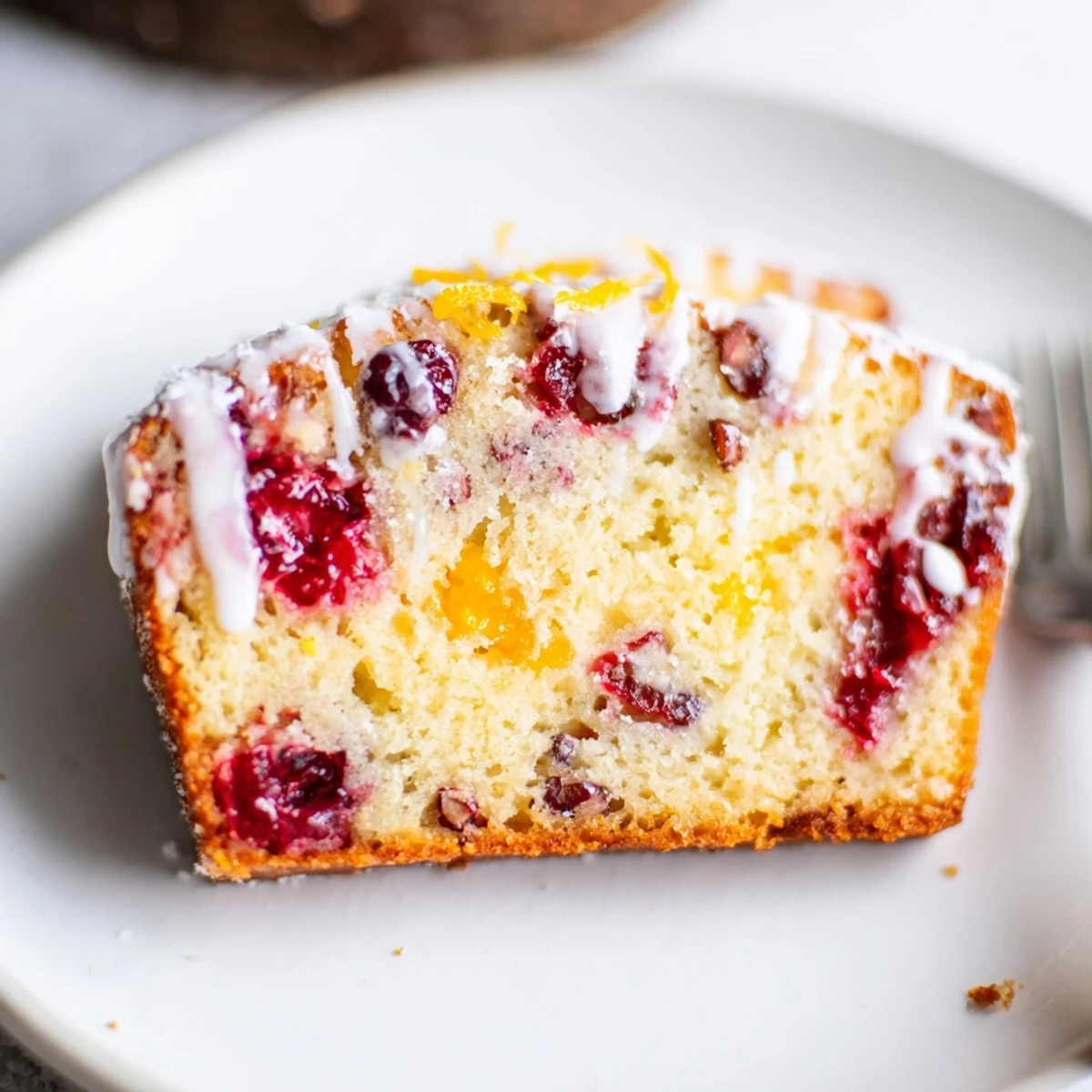
 This moist quick bread combines 2 cups flour, sugar, baking agents, eggs, milk, oil, orange zest and juice, plus 1½ cups cranberries. Mix dry and wet separately, fold in berries to avoid crushing, and bake at 350°F (175°C) for 45–55 minutes in a greased 9×5 loaf pan. Cool 15 minutes before slicing. Optional nuts or a citrus glaze add crunch and brightness; yields 1 loaf (8–10 slices).
The kitchen smelled like a citrus grove collided with a cranberry bog, and honestly, I was not mad about it. My sister walked in, mid zesting, and asked if I was making cleaning products or something edible. That skepticism lasted exactly until the loaf came out of the oven, golden crusted and crackling softly as it cooled. She ate three slices before it even hit room temperature.
I started making this every Thanksgiving weekend after my aunt brought a sad, dry version to our family dinner one year. Nobody touched it, and she looked so defeated that I quietly promised myself I would master a cranberry bread worthy of seconds. Three attempts later, this loaf disappeared so fast she actually asked me to teach her the recipe.
Ingredients
- 2 cups (250 g) all-purpose flour: The reliable backbone of this bread, spoon it into your measuring cup rather than scooping to avoid a dense, heavy crumb.
- 1 cup (200 g) granulated sugar: Balances the aggressive tartness of fresh cranberries perfectly, though you can ease back to three quarters of a cup if your berries are on the sweeter side.
- 1 and a half tsp baking powder and half tsp baking soda: This dual leavening duo gives the loaf a gentle, even rise without any weird doming in the center.
- Half tsp salt: Do not skip this, it is the quiet hero that makes every flavor pop instead of tasting flat and one dimensional.
- 2 large eggs: They bind everything together with richness, and room temperature eggs blend more smoothly into the batter.
- Three quarters cup (180 ml) milk: Any milk works here, whole milk gives the tenderest crumb but even oat milk does a surprisingly decent job.
- One third cup (80 ml) vegetable oil or melted butter: Oil keeps this bread soft for days, while butter adds a rounder flavor, choose based on what matters more to you.
- 1 tbsp orange zest: Rub the zest into the sugar with your fingers before mixing, it releases oils that make the orange flavor twice as intense.
- Half cup (120 ml) freshly squeezed orange juice: Fresh is nonnegotiable here, the bottled stuff tastes flat and metallic next to real citrus.
- 1 tsp vanilla extract: A warm background note that ties the orange and cranberry together like a gentle hug.
- 1 and a half cups (150 g) fresh or frozen cranberries: Halve the big ones so they distribute evenly, and frozen berries go straight in without thawing to prevent bleeding.
- Half cup (60 g) chopped walnuts or pecans (optional): Toasted nuts add a crunchy contrast that makes each bite more interesting, but the bread is wonderful without them too.
Instructions
- Preheat and prep your pan:
- Set your oven to 350 degrees Fahrenheit and either grease and flour a 9 by 5 inch loaf pan or line it with parchment paper leaving overhang on the sides for easy lifting.
- Whisk the dry team together:
- In a large bowl, whisk the flour, sugar, baking powder, baking soda, and salt until evenly distributed, about 30 seconds of enthusiastic whisking.
- Combine the wet ingredients:
- Beat the eggs lightly in a separate bowl, then pour in the milk, oil, orange zest, orange juice, and vanilla, stirring until everything looks smooth and unified.
- Marry the two mixtures:
- Pour the wet into the dry and fold gently with a spatula just until you stop seeing dry flour, overmixing is the enemy of a tender crumb here.
- Fold in the good stuff:
- Toss in the cranberries and nuts if using, folding with a light hand so the berries stay whole and the batter stays airy.
- Fill the pan and smooth:
- Scrape every bit of batter into your prepared pan and smooth the top with your spatula so it bakes evenly without odd peaks.
- Bake until golden and set:
- Bake for 45 to 55 minutes, testing with a toothpick around the 45 minute mark, a few moist crumbs are fine but wet batter means it needs more time.
- Cool with patience:
- Let the bread rest in the pan for 15 minutes to firm up, then transfer to a wire rack to cool completely before slicing for the cleanest pieces.
 Pin it
 I once wrapped a still warm loaf in a kitchen towel and drove it forty minutes to a friend who had just had a baby. She called me from her kitchen at midnight, standing over the cutting board, telling me it was the best thing she had eaten in weeks. That phone call is why I keep cranberries in my freezer year round now.
Making It Your Own
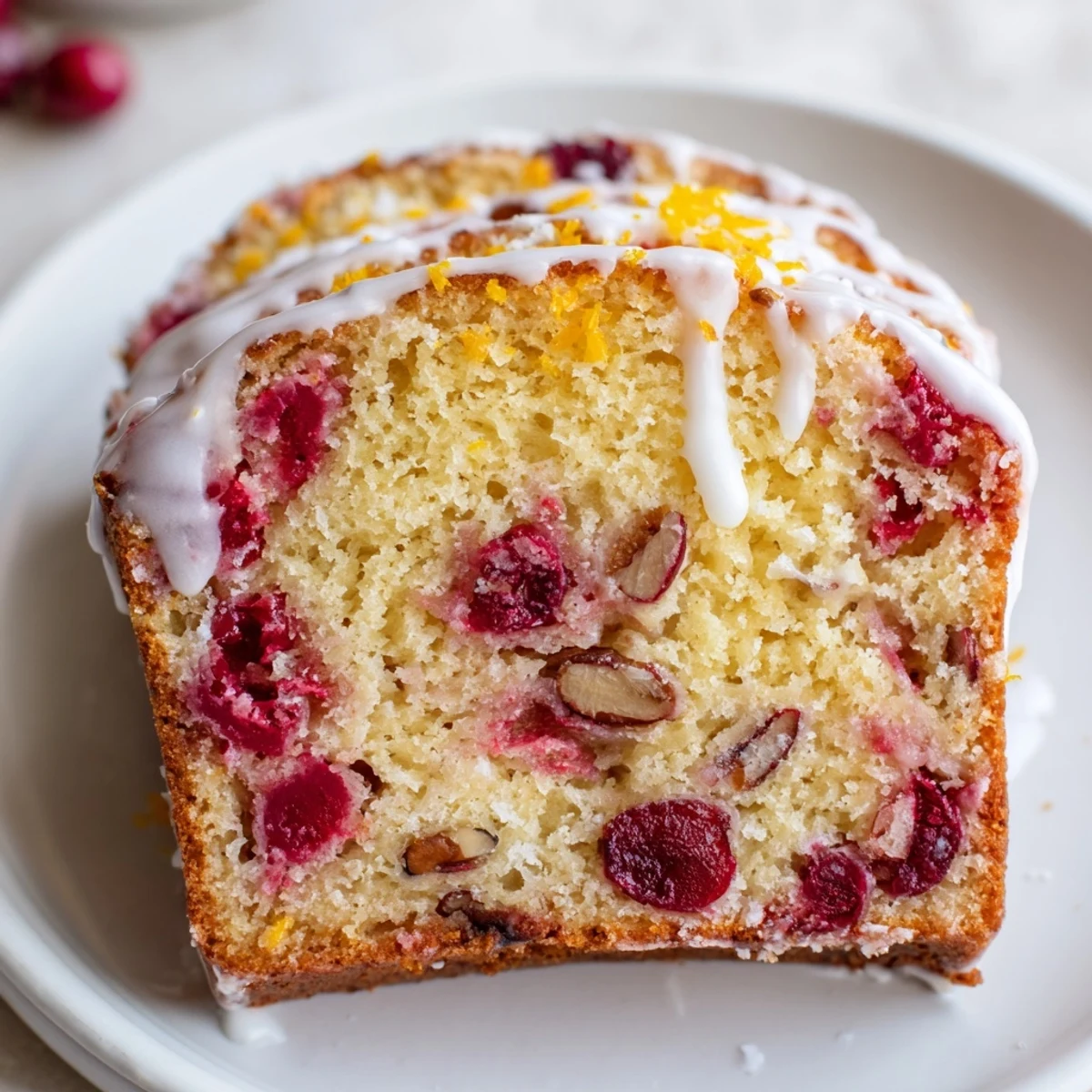
Swap half the all-purpose flour for whole wheat if you want a nuttier, heartier loaf that feels more like breakfast and less like cake. A simple glaze of powdered sugar whisked with a splash of orange juice drizzled over the cooled bread turns it into something worthy of a bakery window. Sometimes I add a handful of white chocolate chips when I want to push it firmly into dessert territory, and nobody has ever complained about that decision.
Serving and Pairing Ideas
Thick slices toasted under the broiler with a smear of salted butter make a weekday morning feel unnecessarily special. This bread also plays beautifully alongside a pot of Earl Grey tea, the bergamot picks up the orange notes in the most satisfying way. For a cozy afternoon snack, try it lightly warmed with a dollop of plain yogurt and a drizzle of honey.
Storage and Freezing
Wrap leftover bread tightly in plastic wrap or store in an airtight container and it stays moist on the counter for up to four days. For longer storage, slice the whole loaf, separate layers with parchment paper, and freeze in a zip top bag for up to three months.
- Pop frozen slices straight into the toaster for a quick breakfast that tastes freshly baked.
- Do not refrigerate leftover bread, the cold dries it out faster than leaving it at room temperature.
- Always let the loaf cool completely before wrapping or condensation will make the crust soggy.
 Pin it
 This is the kind of recipe that earns a permanent spot in your handwritten collection, passed between friends on stained index cards and remembered fondly long after the last slice disappears.
Recipe FAQs
- → Can I use frozen cranberries?
-
Yes. Toss frozen cranberries directly into the batter—no need to thaw. Folding them in gently prevents excess bleeding and keeps the loaf from turning purple throughout.
- → How can I prevent cranberries from sinking?
-
Lightly coat the cranberries in a tablespoon of flour before folding them into the batter; this helps suspend them and promotes even distribution during baking.
- → What can I substitute for vegetable oil?
-
Use melted butter for a richer flavor or neutral oil like canola. For a slightly lighter crumb, replace part of the oil with plain yogurt or applesauce, adjusting moisture as needed.
- → How do I check for doneness?
-
Insert a toothpick into the center; it should come out clean or with a few moist crumbs. If the top browns too quickly, tent with foil for the remaining bake time.
- → Can I add nuts or a glaze?
-
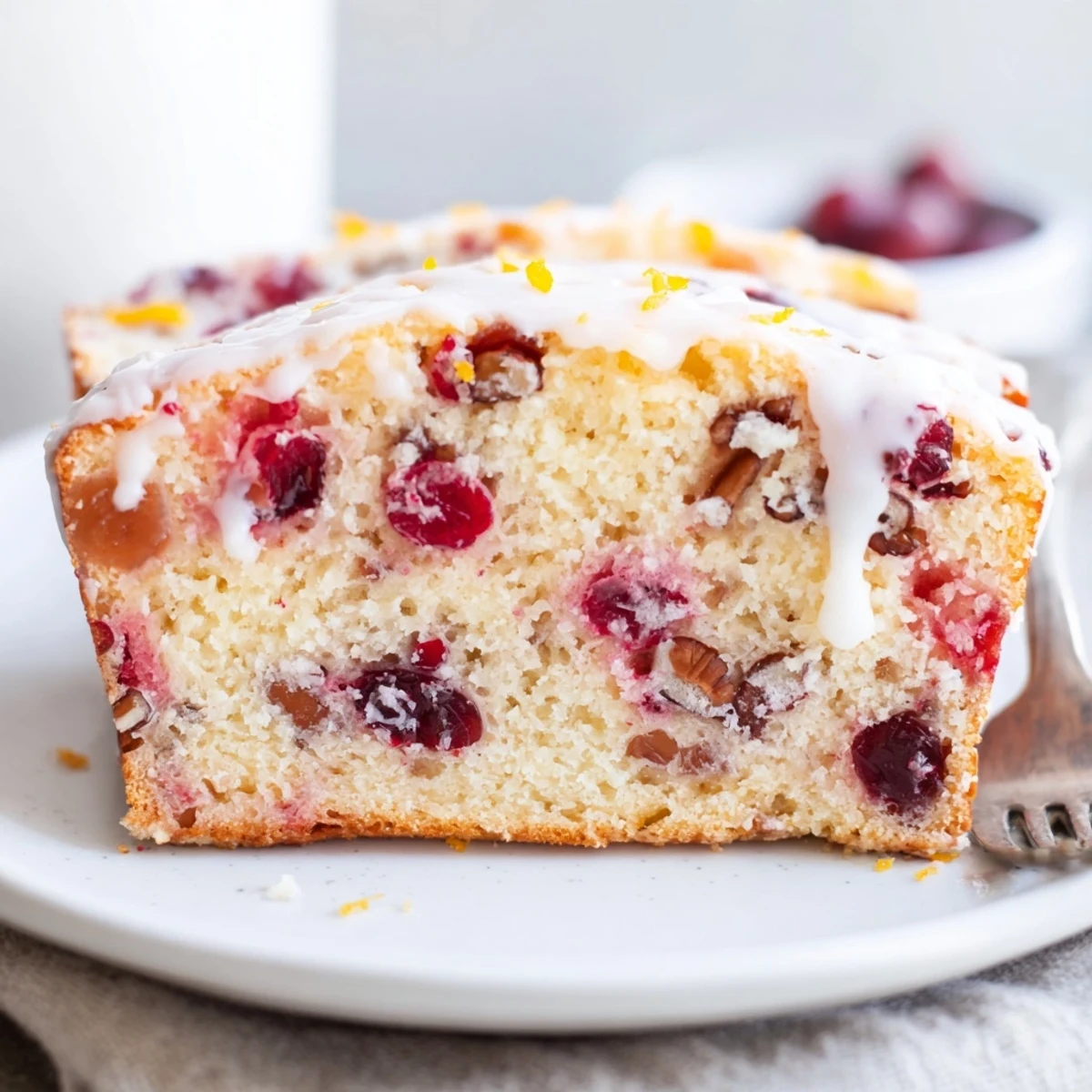
Yes. Fold ½ cup chopped walnuts or pecans into the batter for crunch. For a glaze, whisk powdered sugar with 1–2 tbsp orange juice and drizzle over the cooled loaf.
- → How should leftovers be stored?
-
Wrap cooled slices tightly and keep at room temperature for 2 days or refrigerate up to 5 days. Freeze individual slices in airtight bags for up to 2 months.