
 Pin it
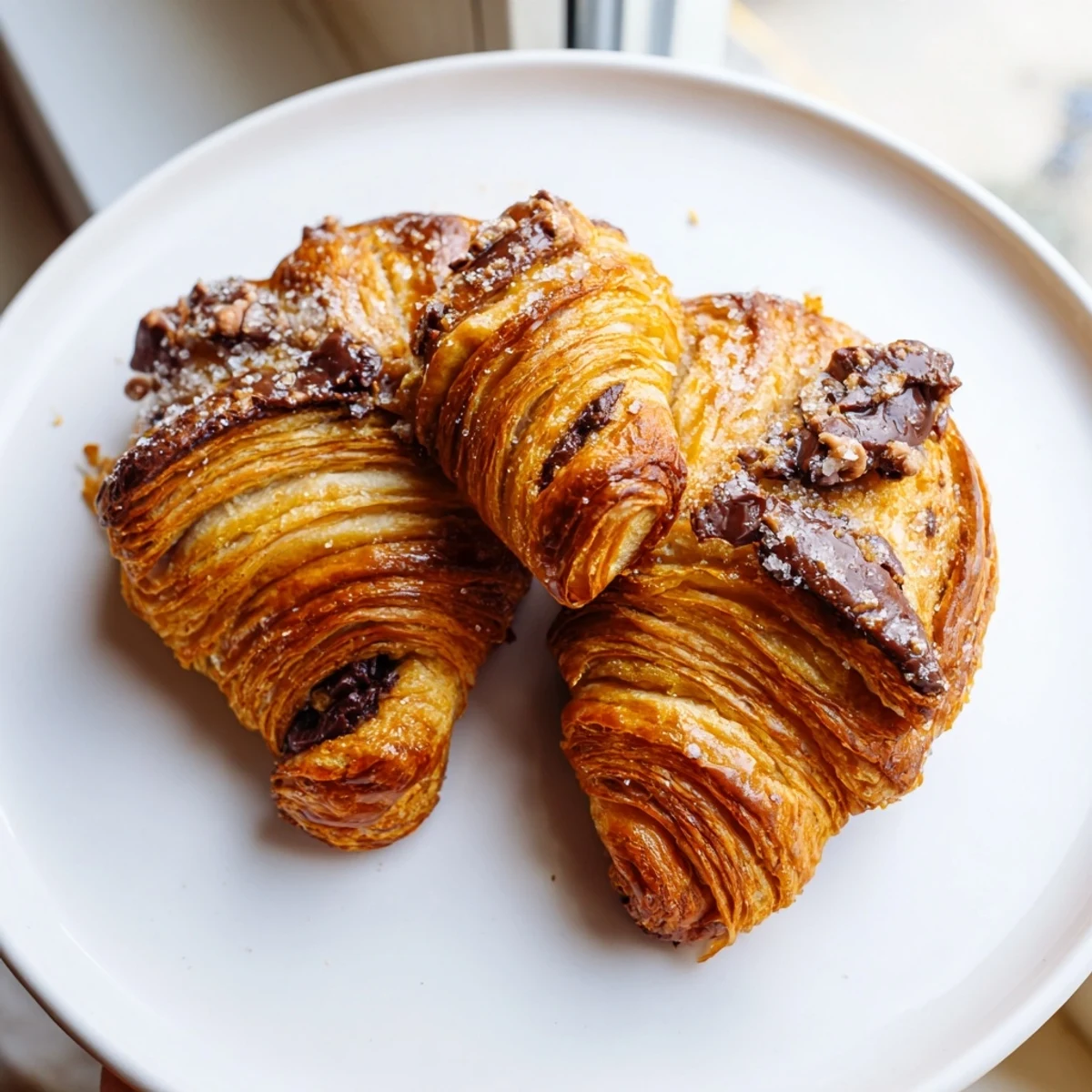
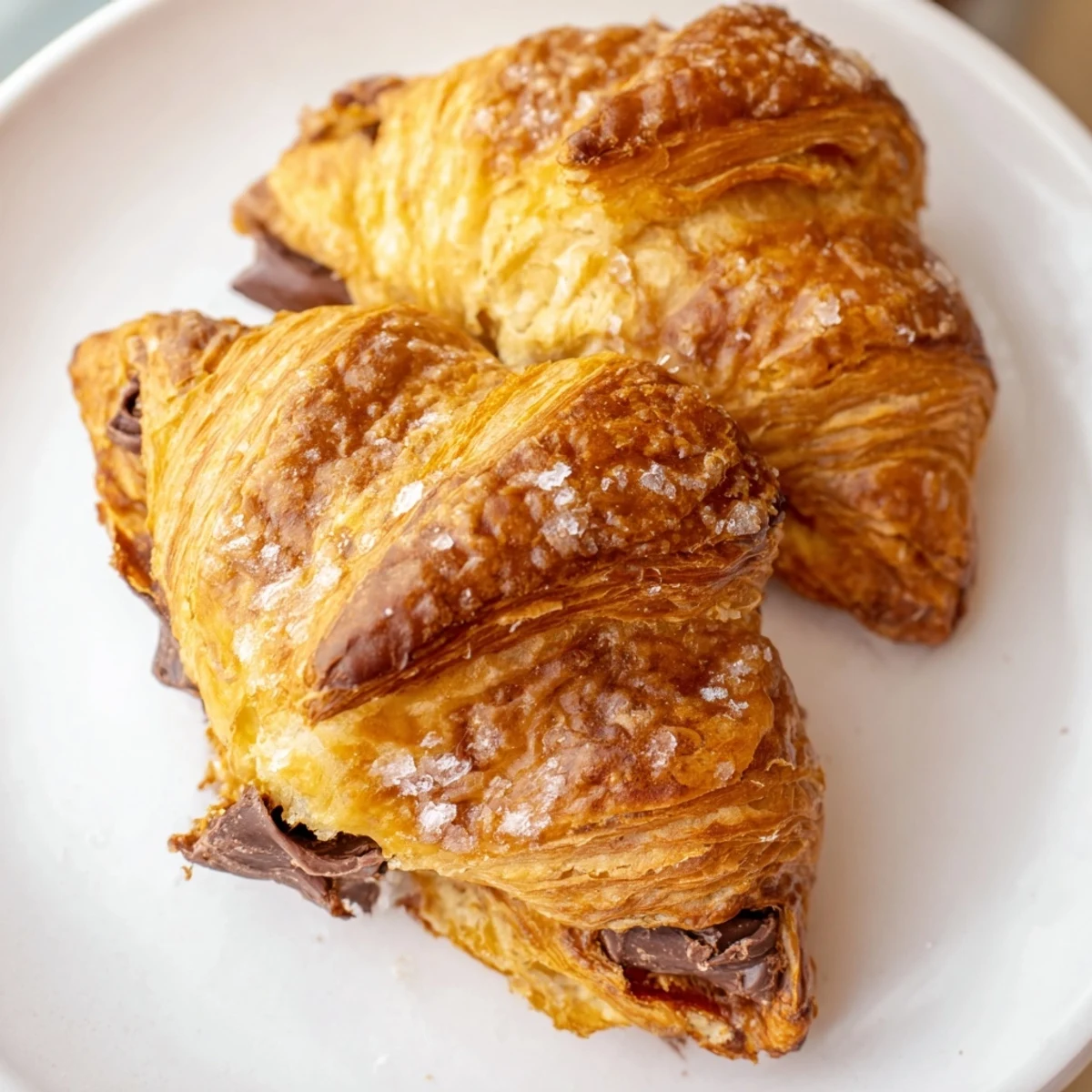
 These chocolate croissant cookies bring the best of French pastry into a handheld treat. A butter-rich dough is rolled thin, cut into squares, and folded around a pocket of melted semi-sweet chocolate.
The dough uses a classic pastry technique—cutting cold butter into flour for flaky, tender layers. After a brief chill, each square is folded like a mini croissant, brushed with egg wash, and sprinkled with sugar before baking to golden perfection.
The result is a crisp, caramelized exterior giving way to a soft, chocolaty center. They pair beautifully with coffee or hot chocolate and can be customized with hazelnuts or dark chocolate for a more intense flavor.
The rain was hammering against the kitchen window the afternoon I stumbled into these cookies, flipping through a dog eared pastry book with chocolate on my fingers and nowhere to be. I had been attempting actual croissants, a project that ended with butter leaking across my oven rack and a very flat, very sad kitchen mood. Out of pure stubbornness, I grabbed the leftover dough scraps, shoved chocolate into the center, folded them haphazardly, and baked them anyway. Those misfit little triangles were so good I never bothered mastering real croissants again.
I brought a tin of these to my neighbor Helen during a January cold snap, and she stood in her doorway eating three in a row before saying a word. Now every time the temperature drops below freezing, she knocks on my door and says the magic word: croissants. I always have dough disks waiting in the freezer for exactly this situation.
Ingredients
- 2 cups (250 g) all purpose flour: The foundation of the dough, and spooning it into the cup then leveling with a knife gives the most consistent results.
- 1/2 teaspoon salt: Just enough to make the butter taste like actual butter instead of fat.
- 2 tablespoons granulated sugar: A modest amount that lets the chocolate filling be the sweet star.
- 1 cup (225 g) unsalted butter, cold and cubed: Cold is nonnegotiable here, because those solid bits create steam pockets during baking that produce the flaky layers.
- 6 tablespoons cold water: Add it gradually and stop the moment the dough holds together when you squeeze a handful.
- 4 ounces (115 g) semi sweet chocolate, finely chopped: Chopping your own from a bar melts more luxuriously than chips, but chips work beautifully when you are short on time.
- 1 egg, beaten: The wash gives the tops a burnished, bakery style shine that makes people think you bought them.
- 2 tablespoons turbinado sugar: Those coarse golden crystals add a satisfying crunch on top of the tender dough.
Instructions
- Build the crumb base:
- Toss the flour, salt, and sugar together in a wide bowl, then drop in the cold butter cubes. Work quickly with your fingertips or a pastry cutter, rubbing and cutting until you see a mix of sandy crumbs with some pea sized butter pieces still visible throughout.
- Bring the dough together:
- Drizzle the cold water over the mixture a tablespoon at a time, stirring gently with a fork after each addition. When you can press a handful and it holds its shape without crumbling apart, stop mixing, divide into two equal disks, wrap tightly, and let them rest in the fridge for at least thirty minutes.
- Prep your baking station:
- Set the oven to 375 degrees Fahrenheit and line two baking sheets with parchment paper so nothing sticks during baking.
- Roll and cut:
- On a lightly floured surface, roll one disk to roughly an eighth of an inch thick, keeping the shape fairly rectangular. Cut into three by three inch squares, rerolling scraps once if needed to use up every bit of dough.
- Fill and fold:
- Place a generous teaspoon of chopped chocolate in the center of each square. Fold two opposite corners toward the middle so they overlap slightly over the chocolate, pinching gently at the seam to seal them into a little croissant shaped parcel.
- Add the golden finish:
- Arrange the cookies on the prepared sheets with an inch of space between them. Brush each one lightly with beaten egg and scatter turbinado sugar over the tops so every bite has that crackly sweet crust.
- Bake until golden:
- Slide the sheets into the oven and bake for thirteen to fifteen minutes, until the edges turn a deep golden brown and you can smell toasted butter throughout the kitchen. Transfer to a wire rack and let them cool just long enough that the molten chocolate will not burn your tongue.
- Repeat and enjoy:
- Roll, fill, and bake the remaining dough the same way, giving the second batch your full attention so they bake evenly.
 Pin it
 One holiday morning I found my brother in law standing in the dark kitchen at six a.m., quietly eating leftover croissant cookies straight from the tin with a cup of black coffee. He looked up, said nothing, and closed the tin as if nothing had happened. I never told him I saw the whole thing, but I started doubling the batch after that.
Freezing the Dough for Later
The unbaked dough disks freeze beautifully for up to two months if wrapped tightly in plastic and slipped into a freezer bag. When the mood strikes, thaw them overnight in the fridge, then roll and fill as usual with freshly chopped chocolate. I learned this trick after a particularly hectic December when I needed a quick dessert contribution for three gatherings in one week and only had to show up and bake.
Playing With the Filling
Semi sweet chocolate is the classic starting point, but these cookies welcome experimentation once you are comfortable with the basic fold. A pinch of flaky sea salt on top of dark chocolate turns them into something that would not be out of place at a fancy bakery. Finely chopped hazelnuts tucked alongside the chocolate add a warm, nutty crunch that makes the whole kitchen smell like a Parisian patisserie.
Serving and Pairing
These cookies are at their most magical when the chocolate inside is still slightly warm and molten, served alongside a strong espresso or a mug of dark hot chocolate. A cold glass of milk works beautifully too, especially if you are sharing them with kids who could not care less about French pastry tradition. Here are a few last things worth keeping in mind before you start baking.
- Always let the baking sheets cool between batches so the butter in the dough does not melt before it hits the oven.
- If you want a more intense chocolate flavor, use dark chocolate with at least sixty percent cacao instead of semi sweet.
- Remember that the dough should look slightly shaggy and uneven when you first bring it together, because that rough texture is what creates the flaky layers.
 Pin it
 Some recipes are about perfection, but this one is about the pleasure of butter, chocolate, and a little folded dough shared with whoever happens to be in your kitchen. Make them once and they will quietly become the thing everyone asks for.
Recipe FAQs
- → Can I make the dough ahead of time?
-
Yes, the dough disks can be wrapped tightly and refrigerated for up to 2 days. You can also freeze them for up to 1 month—just thaw overnight in the refrigerator before rolling out.
- → Why is my dough not flaky?
-
The key to flakiness is keeping the butter cold throughout the process. Work quickly when cutting butter into the flour, use ice-cold water, and don't skip the chilling step. Visible pea-sized butter pieces in the dough are exactly what you want.
- → Can I use store-bought puff pastry instead?
-
Absolutely. Store-bought puff pastry works as a shortcut and will give you even more pronounced layers. Roll it out slightly, cut into squares, fill with chocolate, and fold the same way. Reduce baking time by 2–3 minutes.
- → What type of chocolate works best for the filling?
-
Semi-sweet chocolate is classic, but dark chocolate (70% cacao) provides a deeper, less sweet flavor. Chocolate chips hold their shape well, while finely chopped bars melt more smoothly into a gooey center.
- → How should I store leftover cookies?
-
Store cooled cookies in an airtight container at room temperature for up to 3 days. To recrisp, warm them in a 325°F oven for 5 minutes. You can also freeze baked cookies for up to 2 months.
- → Can I add other fillings besides chocolate?
-
Definitely. Almond paste, fruit preserves, or a mix of chocolate and finely chopped hazelnuts all work beautifully. Keep fillings to about a teaspoon per cookie to prevent overflowing during baking.