
 Pin it
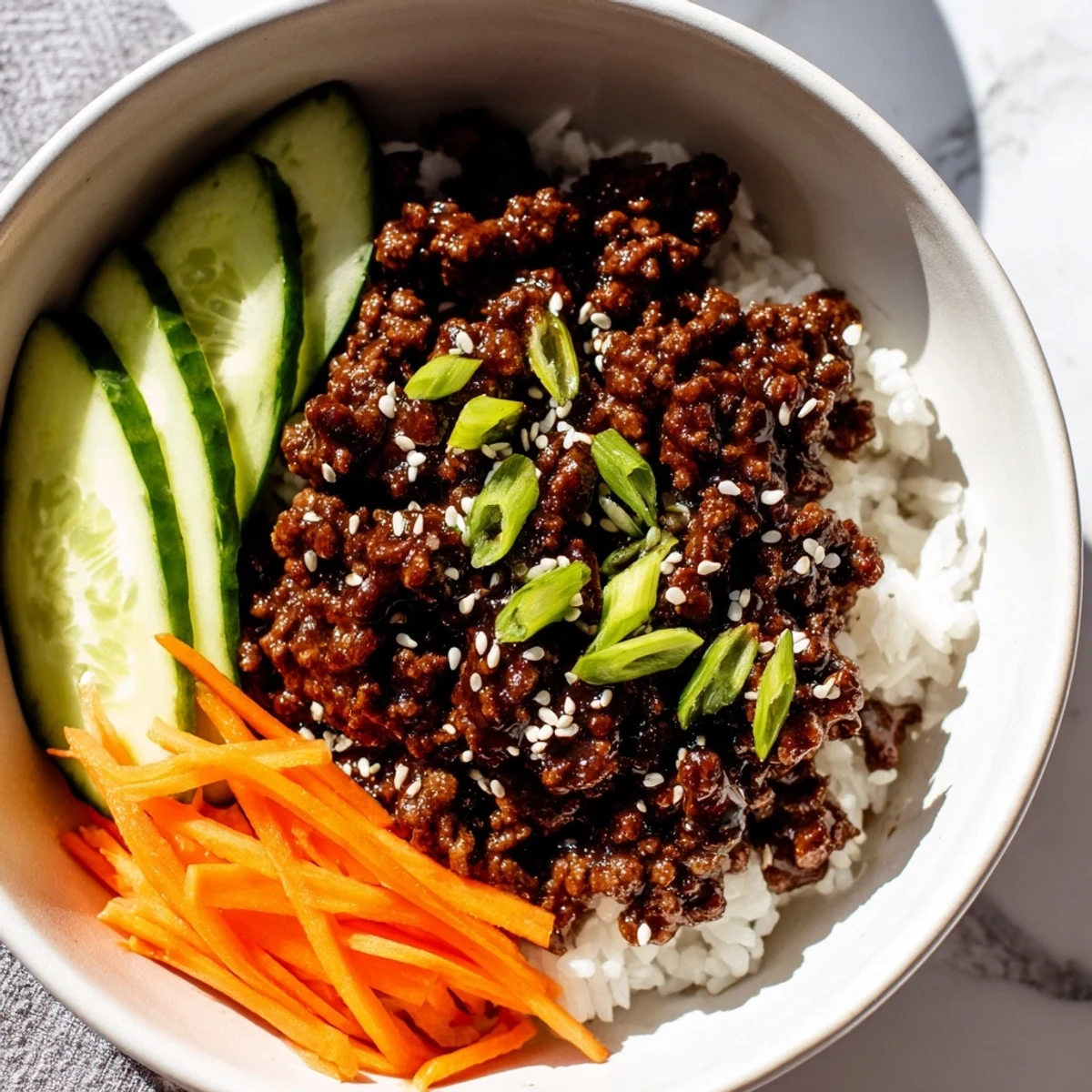
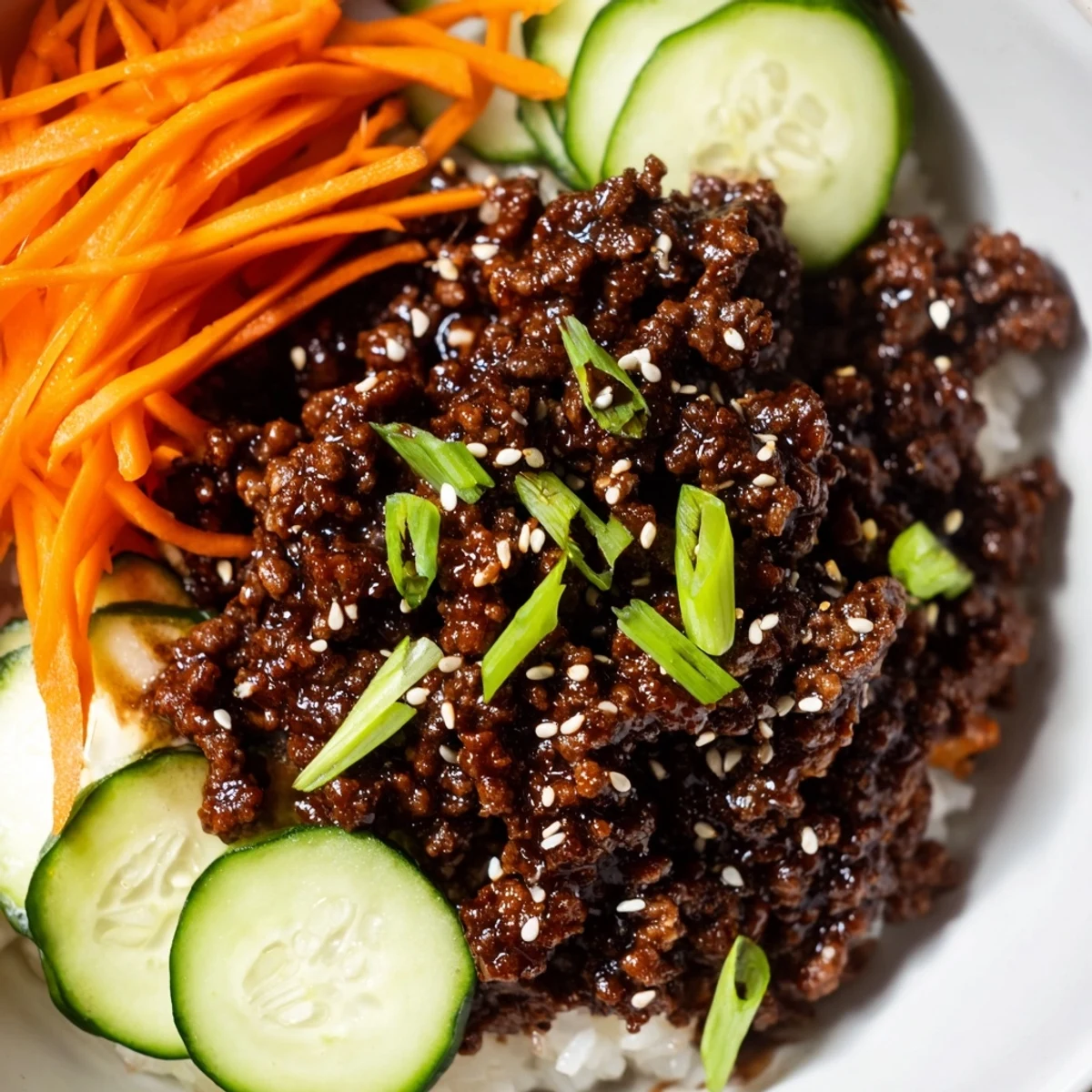
 This Korean-inspired bowl comes together in just 25 minutes, making it ideal for busy weeknights. Lean ground beef gets cooked until browned, then coated in a homemade sauce featuring soy sauce, brown sugar, sesame oil, garlic, ginger, and gochujang for that signature Korean flavor profile. The beef is served over steamed jasmine rice and topped with fresh julienned carrots, cucumber slices, scallions, and toasted sesame seeds for added crunch and texture.
The sauce balances sweet, savory, and spicy notes perfectly—adjust the gochujang or red pepper flakes to control the heat level. Optional toppings like kimchi and fresh cilantro add extra layers of flavor. This dish is naturally dairy-free and can be made gluten-free by swapping soy sauce for tamari.
The first time I made Korean beef bowls was on a chaotic Tuesday when takeout felt like too much effort but I was craving something bold. That night I discovered that the magic happens when that sweet, spicy, umami-rich sauce hits the hot beef and caramelizes just slightly. My roommate wandered in from her room asking what smelled so incredible, and we ended up eating straight from the pan while standing at the counter.
Last summer I served these bowls at a casual dinner party, and my friend Mark who claims to dislike Asian food went back for thirds. The fresh crunch of cucumber and carrots against the warm, savory beef creates this incredible contrast that keeps every bite interesting. Now it is my go-to when I want to impress without actually trying that hard.
Ingredients
- 500 g lean ground beef: Ground beef absorbs all that Korean sauce beautifully and browns quickly for maximum flavor
- 60 ml low-sodium soy sauce: Low-sodium lets you control the salt level since the sauce reduces slightly
- 2 tbsp light brown sugar: This caramelizes in the pan and balances the salty soy sauce perfectly
- 1 tbsp sesame oil: Toasted sesame oil is non-negotiable for that authentic Korean flavor
- 4 garlic cloves, minced: Fresh garlic packs way more punch than garlic powder here
- 1 tbsp freshly grated ginger: I have tried using jarred ginger and it just does not compare to freshly grated
- 1 tbsp gochujang: This Korean chili paste adds mild heat and incredible depth, but red pepper flakes work in a pinch
- 2 tsp rice vinegar: Just enough acidity to cut through the richness of the beef
- 300 g jasmine rice: Jasmine rice has a natural floral sweetness that complements the beef
- 2 medium carrots, julienned: Fresh carrots add essential crunch and color contrast
- 1 small cucumber, thinly sliced: Cucumber provides a cool, refreshing element against the spicy beef
- 4 scallions, thinly sliced: Both the white and green parts add mild onion flavor and pop
- 2 tbsp toasted sesame seeds: These add nuttiness and that classic Korean bowl finish
Instructions
- Cook the rice:
- Rinse the rice under cold water until the water runs clear, then combine with water in a saucepan. Bring to a boil, reduce to a simmer, cover, and cook for 12-15 minutes until tender before fluffing with a fork.
- Whisk together the sauce:
- In a small bowl, combine soy sauce, brown sugar, sesame oil, garlic, ginger, gochujang, and rice vinegar. Whisk until the sugar has completely dissolved.
- Brown the beef:
- Heat a large skillet over medium-high heat, add ground beef, and cook for about 5 minutes while breaking it up with a spatula. Drain any excess fat if there is a lot.
- Add the sauce:
- Pour the sauce over the browned beef and cook for 2-3 minutes while stirring until the beef is evenly coated and the sauce has thickened slightly.
- Assemble the bowls:
- Divide steamed rice among four bowls and top with the beef mixture, carrots, cucumber, scallions, sesame seeds, and any optional toppings.
 Pin it
 These Korean beef bowls have become my comfort food of choice. Something about the combination of hot beef, cool vegetables, and fluffy rice just feels like a hug in a bowl.
Making It Your Own
Ground turkey or chicken work beautifully if you want something lighter, and crumbled tofu creates a surprisingly satisfying vegetarian version. I have even used leftover shredded roast beef in a pinch.
Rice Wisdom
Rinsing the rice until the water runs clear removes excess starch for fluffier results. If you have a rice cooker, this is the perfect time to use it and free up stove space.
Sauce Secrets
The sauce can be doubled and stored in the refrigerator for up to a week. It is incredible drizzled over roasted vegetables or used as a marinade for grilled chicken thighs.
- For gluten-free, swap soy sauce for tamari
- Kimchi adds authentic tang and probiotics
- Fresh cilantro brings brightness if you love herbs
 Pin it
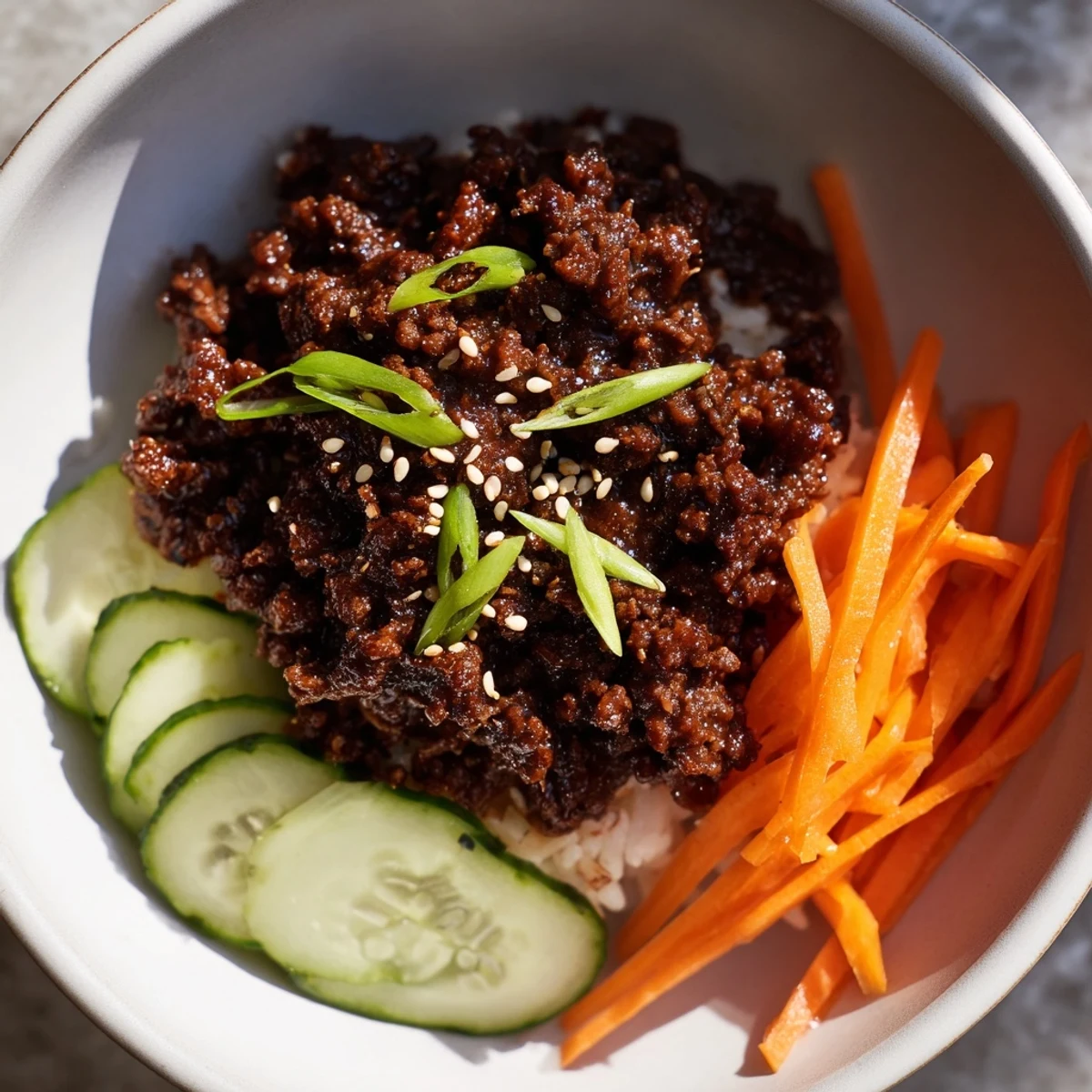
 Hope these Korean beef bowls find their way into your regular weeknight rotation. They certainly have in mine.
Recipe FAQs
- → Can I make this dish ahead of time?
-
Yes, the beef mixture can be prepared up to 3 days in advance and stored in an airtight container in the refrigerator. Reheat gently in a skillet before serving over freshly steamed rice.
- → What can I substitute for gochujang?
-
If you don't have gochujang, you can use red pepper flakes for heat plus a touch of miso paste to maintain the fermented flavor, or simply increase the sriracha in the sauce mixture.
- → Is this dish spicy?
-
The spice level is mild to medium depending on how much gochujang or red pepper flakes you add. You can easily control the heat by reducing or increasing these ingredients to suit your taste preferences.
- → Can I use different proteins?
-
Absolutely. Ground turkey, chicken, or even crumbled tofu work well as lighter alternatives. Cooking times may vary slightly—just ensure the meat is fully cooked through before adding the sauce.
- → What rice works best for this dish?
-
Jasmine rice or short-grain white rice are traditional choices that pair beautifully with the bold flavors. Brown rice also works but will require a longer cooking time and additional water.