
 Pin it
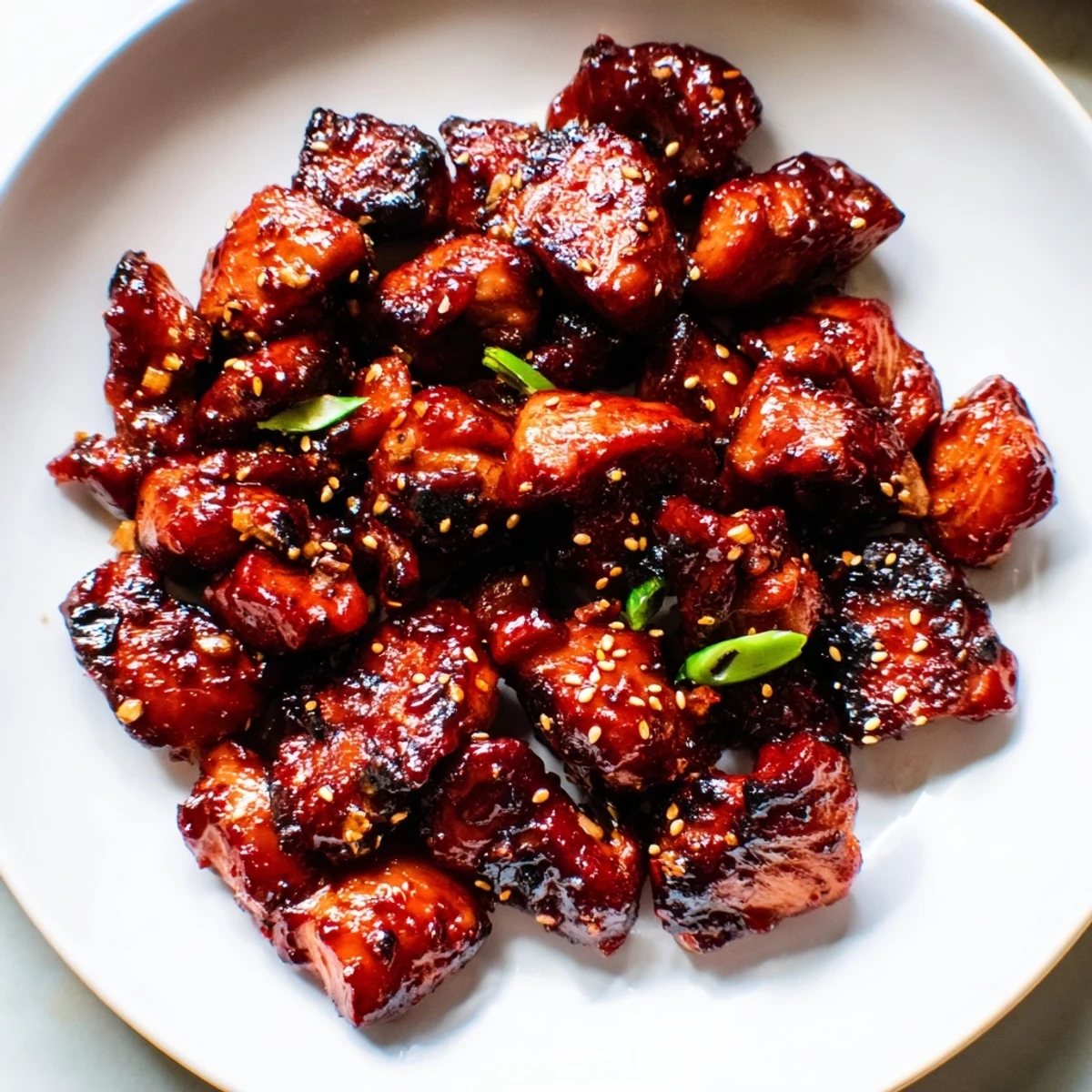
 This gochujang chicken brings together the bold, savory flavors of Korean cuisine in a dish that's simple enough for weeknight cooking. Boneless chicken thighs are marinated in a vibrant mixture of gochujang chili paste, soy sauce, honey, rice vinegar, garlic, ginger, and sesame oil, then pan-seared until deeply caramelized.
The gochujang delivers a complex heat balanced by natural sweetness from honey and umami from the soy sauce. Each bite is tender, sticky, and packed with layers of flavor. Finished with a sprinkle of toasted sesame seeds and sliced green onions, this dish pairs perfectly with steamed white rice or crisp lettuce wraps.
The smell of gochujang hitting a hot pan is one of those things that stops me mid sentence every single time, somewhere between fermented sunshine and a warning bell that dinner is about to get serious. A friend brought me a tub of it from her mothers kitchen in Seoul, and I stood in my own kitchen just smelling it, completely unsure what to do with it but knowing I had to try. That first experimental batch of gochujang chicken was messy, slightly too sweet, and absolutelydevourable straight from the skillet. I have been refining it ever since, and now it is the dish people actually request when they come over.
I once made this for a backyard dinner where the power went out halfway through cooking, and we ended up eating it by candlelight with our fingers wrapped in lettuce leaves. Nobody cared about the darkness or the slightly uneven caramelization because the flavor was so bold it commanded the whole room. That night taught me that great food does not need perfect conditions, just good ingredients and a little courage with heat.
Ingredients
- 700 g boneless skinless chicken thighs: Thighs are forgiving and tender here, and cutting them into bite sized pieces means more surface area for that gorgeous marinade to cling to.
- 3 tbsp gochujang: This is the soul of the dish, offering fermented depth and gentle heat that builds rather than overwhelms.
- 2 tbsp soy sauce: Adds salt and umami that anchors the sweetness of the honey.
- 1 tbsp rice vinegar: A bright acidic note that keeps the whole thing from feeling heavy or cloying.
- 2 tbsp honey: Brown sugar works too, but honey helps create that lacquered, sticky finish on the chicken.
- 2 cloves garlic minced: Fresh garlic only, and mince it fine so it melts into the sauce rather than burning in chunks.
- 1 tbsp ginger grated: Adds warmth and a slight peppery kick that pairs beautifully with the chili paste.
- 1 tbsp sesame oil: Toasted sesame oil specifically, added to the marinade for its nutty, aromatic finish.
- 1/2 tsp freshly ground black pepper: A simple layer of heat that rounds out the chili.
- 1 tbsp toasted sesame seeds: sprinkled on at the end for texture and a subtle crunch.
- 2 green onions thinly sliced: Their sharp freshness cuts through the richness and adds color.
Instructions
- Whisk the marinade together:
- In a large bowl, combine the gochujang, soy sauce, rice vinegar, honey, garlic, ginger, sesame oil, and pepper, whisking until it turns a rich, glossy red with no streaks remaining.
- Coat the chicken:
- Add the chicken pieces and toss them with your hands or tongs, making sure every single piece is fully submerged and slicked with marinade. Let it sit for at least 20 minutes, or cover and refrigerate up to two hours if you have the time.
- Cook with confidence:
- Heat a large skillet over medium high heat and dump everything in, including every last drop of extra marinade. Let the chicken cook undisturbed for 6 to 8 minutes on the first side until you see deep caramelization, then flip and cook another 6 to 8 minutes until cooked through and sticky.
- Finish and serve:
- Take it off the heat, scatter sesame seeds and sliced green onions over the top, and serve immediately with steamed rice or crisp lettuce wraps for wrapping.
 Pin it
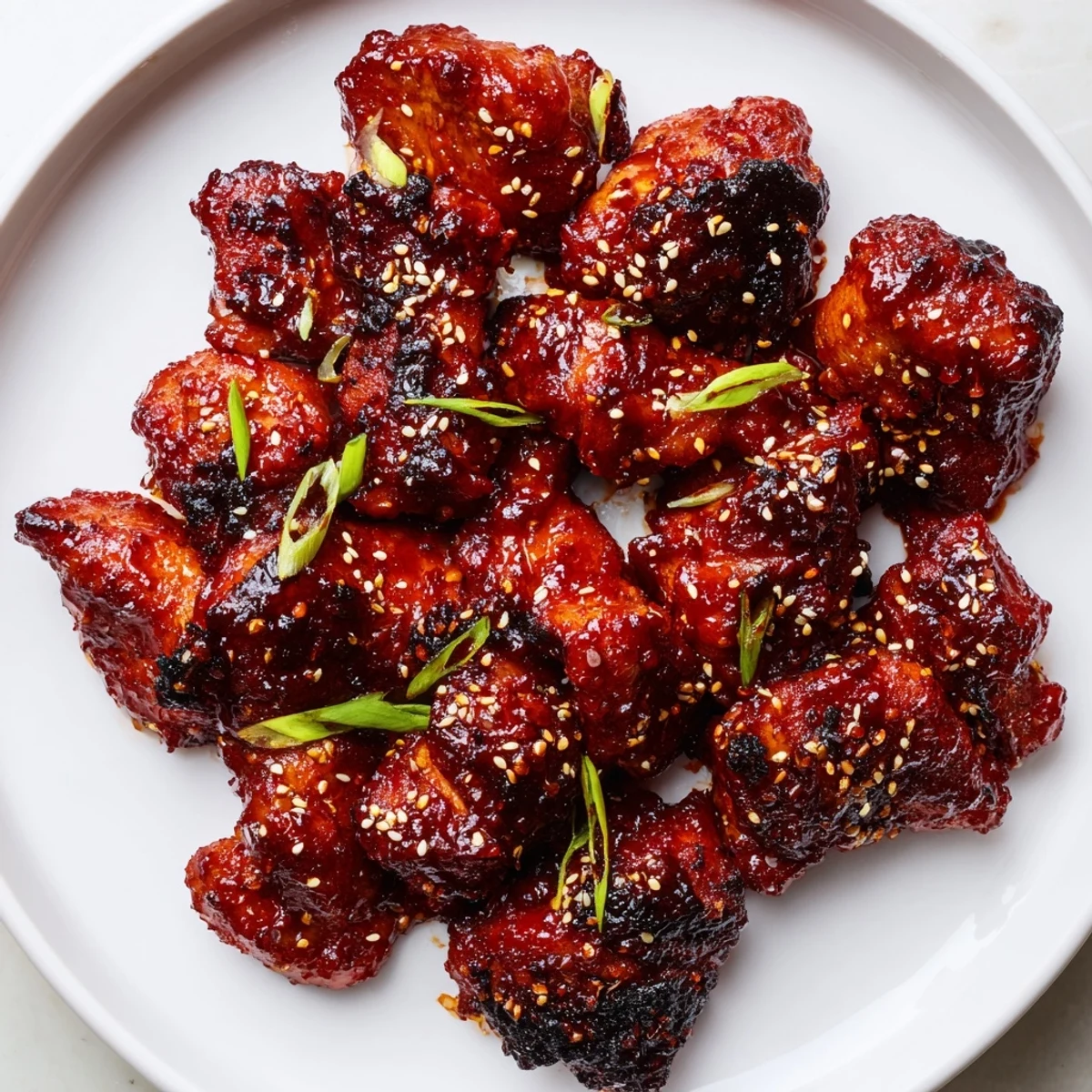
 There was a Tuesday night when my partner walked in, dropped their bag, took one breath, and said whatever that is, I am not sharing. We ate standing at the counter, picking pieces directly from the pan, and I realized some meals do not need plates or ceremony to feel complete.
What to Serve Alongside
This chicken loves company, and the best pairings are ones that contrast its bold stickiness with something crisp or acidic. Kimchi is the obvious choice, but quick pickled cucumbers or a simple side of sauteed spinach with garlic work just as well. A bowl of plain steamed short grain rice underneath soaks up every drop of that extra sauce, which is honestly the best part.
Making It Your Own
If you want more fire, a teaspoon of gochugaru stirred into the marinade transforms the heat from a gentle hum to a proper roar. Chicken breasts will work if that is what you have, but slice them slightly thicker so they stay juicy during the high heat cooking. I have also tossed in diced sweet potatoes during the last ten minutes, and they absorb the sauce like little sponges.
Storage and Reheating
Leftovers keep well in an airtight container in the refrigerator for up to three days, and they reheat gently in a skillet or microwave without losing much texture at all.
- Store the chicken and any extra sauce together so nothing dries out.
- Reheat over medium low heat with a splash of water to loosen the glaze.
- Do not freeze it because the honey in the marinade can turn grainy and the texture suffers.
 Pin it
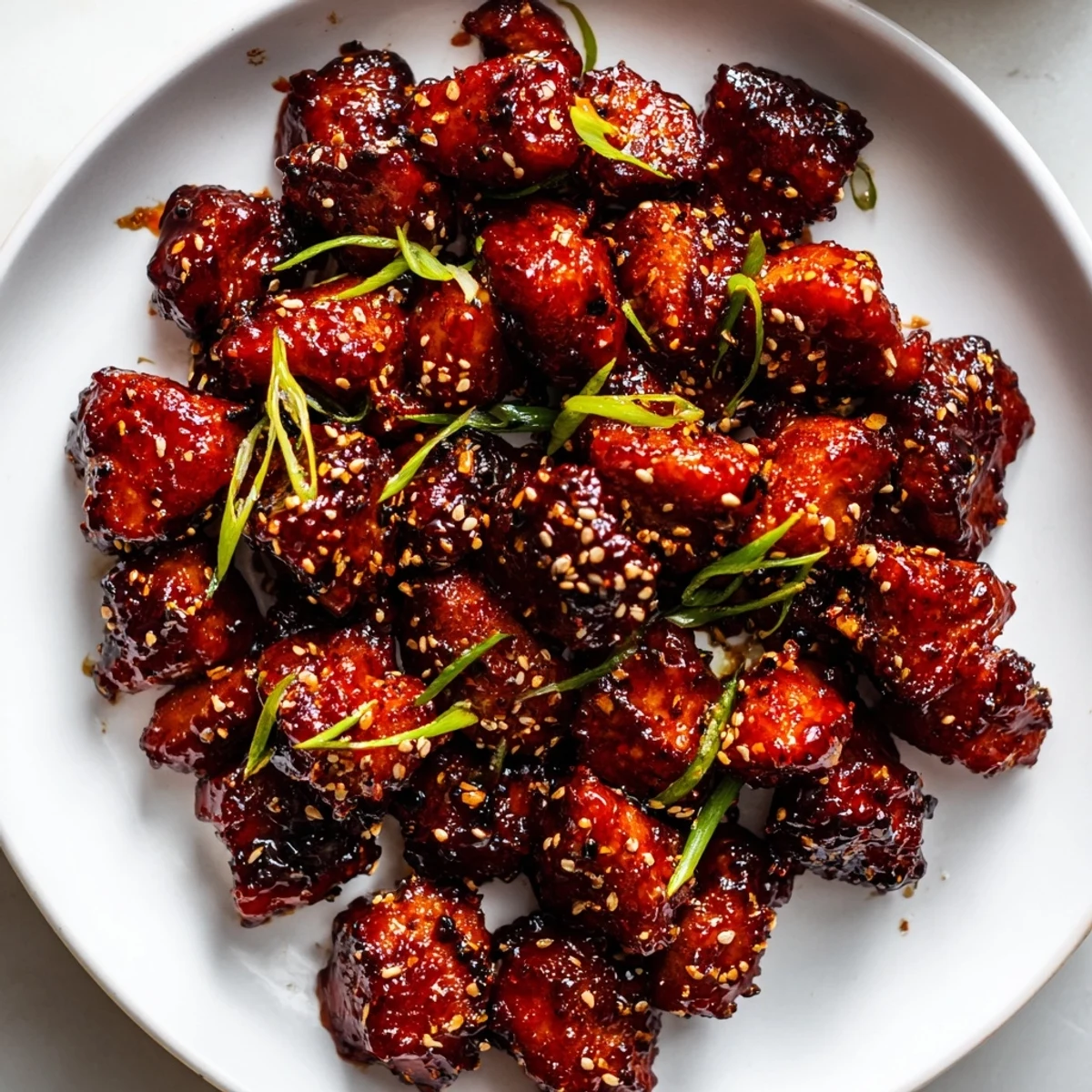
 Keep a batch of this marinade mixed in your fridge and weeknight dinners solve themselves with almost no thought at all. It is the kind of recipe that makes you feel like a much better cook than you probably think you are.
Recipe FAQs
- → What is gochujang and where can I find it?
-
Gochujang is a fermented Korean chili paste made from red chili powder, glutinous rice, fermented soybeans, and salt. It has a thick, sticky consistency with a flavor profile that is simultaneously spicy, sweet, and savory. You can find it in most grocery stores in the international aisle, at Asian markets, or online.
- → Can I use chicken breasts instead of thighs?
-
Yes, chicken breasts work as a leaner alternative. Keep in mind that breasts cook faster and can dry out more easily, so reduce the cooking time by 2-3 minutes per side and watch carefully to avoid overcooking. Thighs remain the preferred cut for their juiciness and ability to hold up to the bold marinade.
- → How long should I marinate the chicken?
-
A minimum of 20 minutes is sufficient for the flavors to penetrate the surface. For deeper flavor, marinate the chicken in the refrigerator for up to 2 hours. Avoid marinating beyond 4 hours, as the acidity from the rice vinegar can start to break down the meat texture too much.
- → Is this dish very spicy?
-
The heat level is moderate, as gochujang provides more depth and umami than intense spiciness. If you prefer more heat, add 1 teaspoon of gochugaru (Korean red chili flakes) to the marinade. For a milder version, reduce the gochujang to 2 tablespoons and add an extra tablespoon of honey.
- → What should I serve with gochujang chicken?
-
Steamed white rice is the classic pairing, soaking up the sticky, caramelized sauce. For a complete Korean-inspired meal, serve alongside kimchi, pickled vegetables, or sautéed greens like spinach or bok choy. Lettuce wraps also make a lighter, low-carb option for wrapping the chicken with rice and condiments.
- → Is this gochujang chicken gluten-free?
-
The marinade contains soy sauce, which typically has wheat. To make it gluten-free, substitute the regular soy sauce with tamari or a certified gluten-free soy sauce. Also check the label on your gochujang brand, as some may contain gluten-based additives.