 Pin it
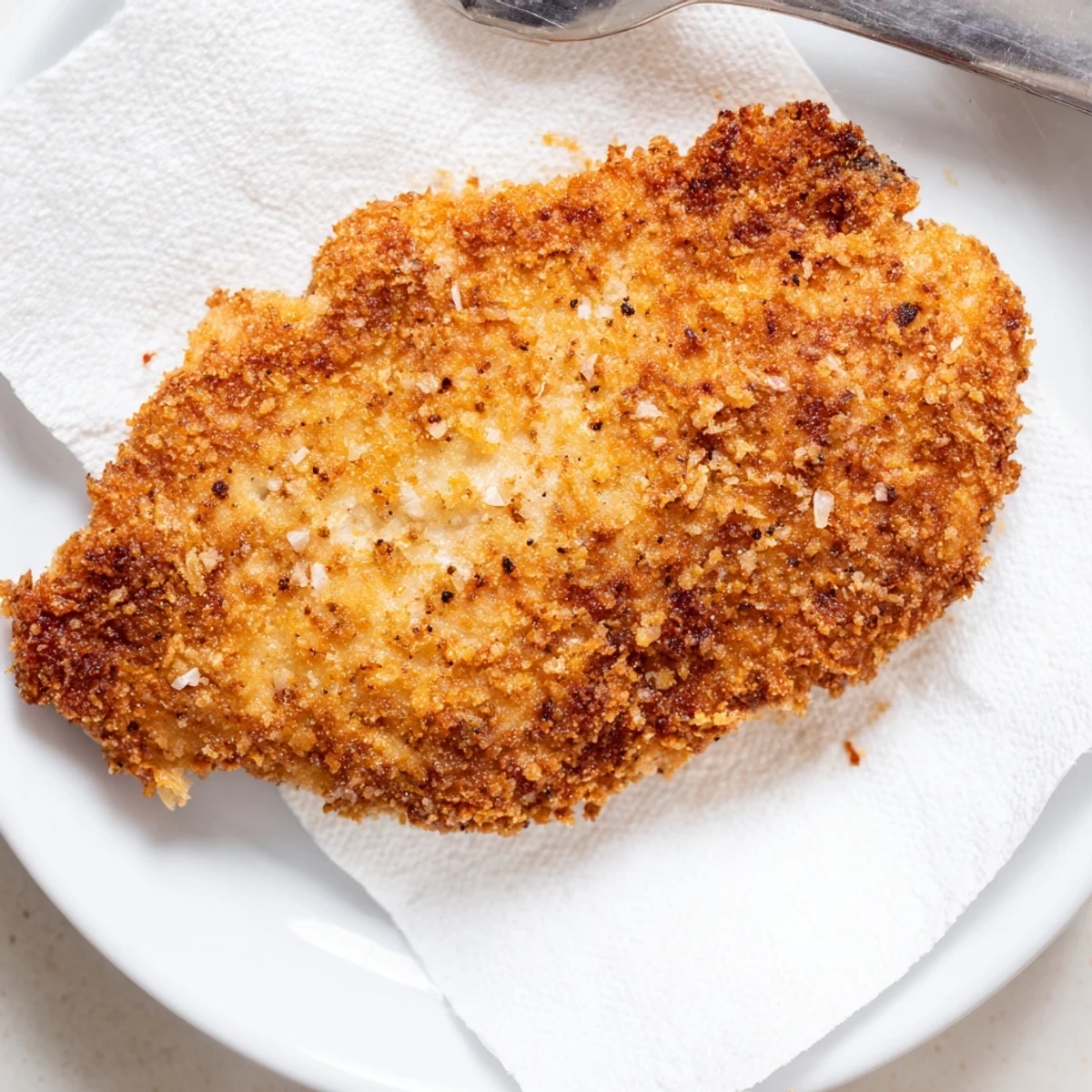
 Marinate boneless chicken breasts in buttermilk with salt and pepper to tenderize and flavor. Dredge in a blend of all-purpose flour, cornstarch, paprika, garlic powder and a pinch of cayenne, pressing to adhere. Heat oil to 350°F (175°C) and fry in batches until deeply golden and an instant-read thermometer hits 165°F (74°C). Drain briefly on paper towels and rest 2–3 minutes before serving to keep the meat juicy.
The sizzle of chicken hitting hot oil is one of those sounds that pulls everyone into the kitchen, no invitation needed. My neighbor once knocked on my door just to ask what I was cooking because the smell had drifted through the open window and ruined her salad dinner plans. Fried chicken breast is straightforward comfort, the kind of dish that turns a random Tuesday into something worth remembering. Crispy, golden, and juicy down to the last bite, it never disappoints.
I once made this for a backyard gathering and watched a friend who swore she did not eat fried food go back for a third piece without a hint of shame. There is something about the crunch followed by the tender, seasoned meat inside that makes all self control vanish. That afternoon taught me to always double the recipe.
Ingredients
- 4 boneless, skinless chicken breasts: Pounding them to an even thickness is the step most people skip, and it is the one that guarantees even cooking throughout.
- 1 cup buttermilk: This is your tenderizing powerhouse, breaking down proteins and adding a subtle tang that pairs beautifully with the seasoned crust.
- 1 teaspoon salt and 1/2 teaspoon black pepper for brine: Dissolved into the buttermilk, these seasonings penetrate deep into the meat rather than sitting on the surface.
- 1 cup all-purpose flour: The foundation of your coating, providing structure and that classic bready texture.
- 1/2 cup cornstarch: This is the trick that changes everything, creating a lighter, crispier crust than flour alone ever could.
- 1 teaspoon paprika: Adds a warm, slightly sweet depth of flavor and contributes to that beautiful golden color.
- 1 teaspoon garlic powder: Infuses the crust with savory aroma without burning the way fresh garlic would in hot oil.
- 1/2 teaspoon cayenne pepper, optional: A gentle warmth that blooms in the hot oil without overwhelming the palate.
- 1 teaspoon salt and 1/2 teaspoon ground black pepper for coating: Seasoning the flour mixture ensures every inch of crust is flavorful, not just the surface.
- Vegetable oil, about 2 cups for frying: You want enough oil to come halfway up the chicken for even browning all around.
Instructions
- Pound the chicken flat:
- Place each breast between two sheets of plastic wrap and use a mallet or rolling pin to pound them to about half an inch thick. You will feel the tension release as the meat evens out, and that is exactly what you want for uniform cooking.
- Make the buttermilk bath:
- Whisk together the buttermilk, a teaspoon of salt, and half a teaspoon of pepper in a bowl large enough to hold all four breasts. Submerge the chicken completely, cover, and let it soak for at least thirty minutes or up to four hours in the refrigerator for maximum tenderness.
- Build your coating station:
- In a separate wide bowl, combine the flour, cornstarch, paprika, garlic powder, cayenne if you are using it, and the remaining salt and pepper. Use a whisk or fork to blend everything evenly so no pocket of spice clumps together.
- Dredge with intention:
- Pull each breast from the buttermilk, let the excess drip off for a moment, then press it firmly into the flour mixture on both sides. Really press the coating into the meat with your hands so it adheres and creates those beautiful craggy edges.
- Heat the oil:
- Pour oil into a large skillet or deep pan to about half an inch deep and bring it to 350 degrees Fahrenheit over medium heat. A thermometer takes the guesswork out, but if you do not have one, a small pinch of flour should sizzle immediately when the oil is ready.
- Fry in batches:
- Carefully lay two breasts into the oil without crowding the pan and fry for six to seven minutes per side until deeply golden and cooked through to 165 degrees Fahrenheit internally. The crust should sound hollow when you tap it with tongs, a satisfying percussion that tells you it is done.
- Rest and serve:
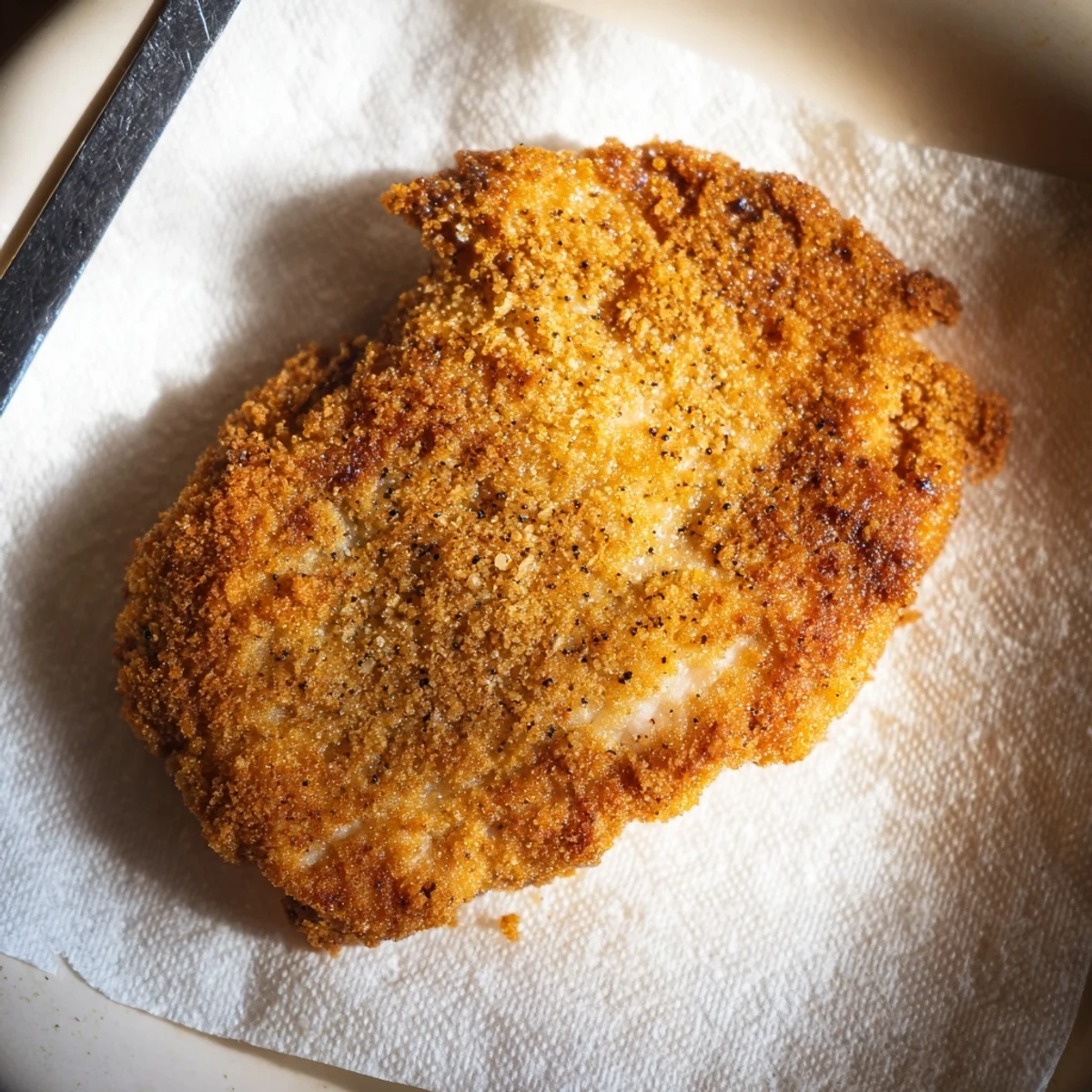
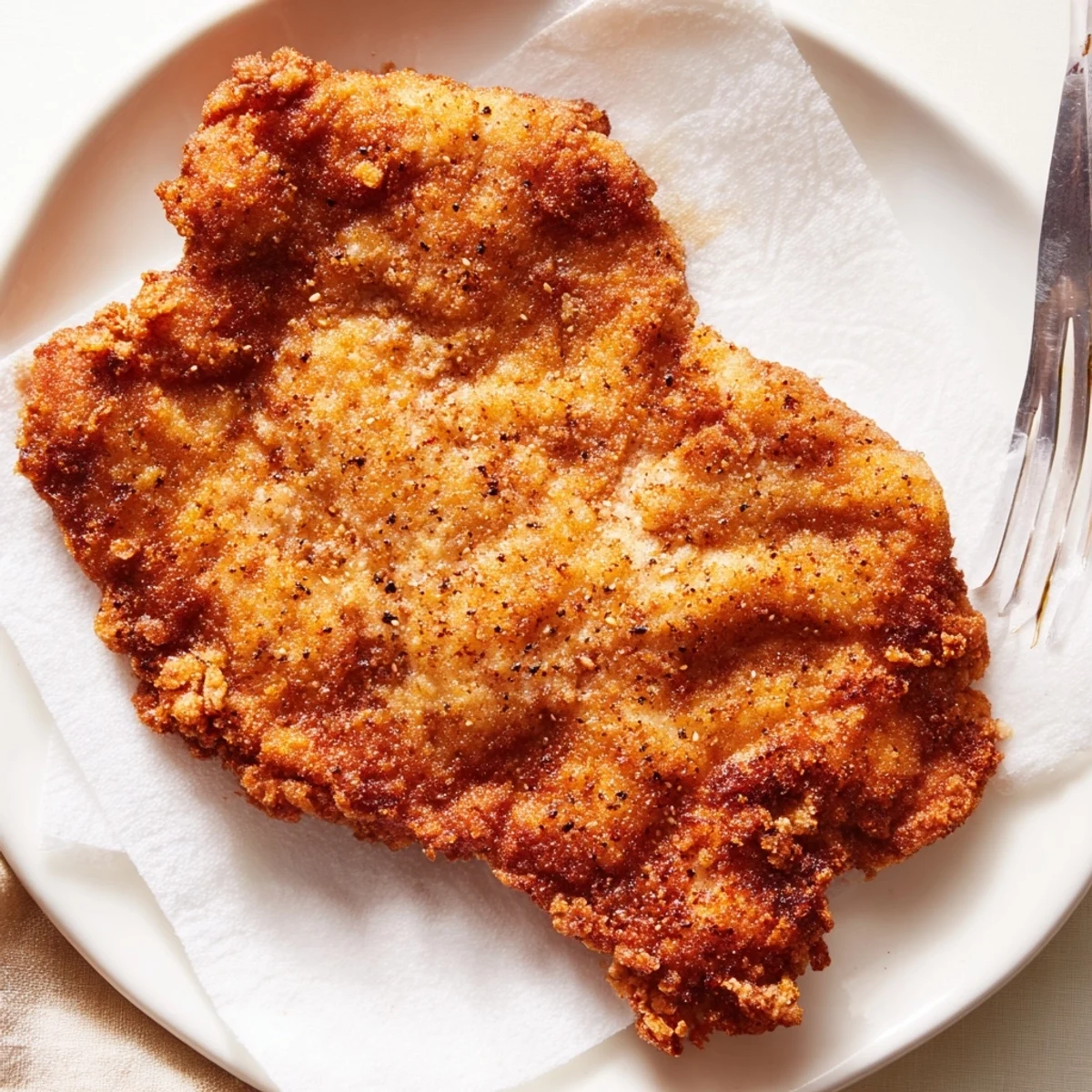
- Transfer the chicken to a paper towel lined plate and let it rest for two to three minutes so the juices redistribute and the crust sets. Cutting into it too early lets all that beautiful moisture escape, and patience here pays off in every single bite.
 Pin it
 There was a Sunday evening when I plated this chicken alongside nothing more than buttered toast and a dill pickle, and it felt like the best meal of the week. Sometimes simplicity is the whole point.
How to Keep the Crust Crispy
Letting the dredged chicken rest for five minutes on a wire rack before frying was an accident that turned into a permanent habit. That brief rest helps the flour hydrate from the buttermilk underneath, creating a glue that holds the crust on through the violence of hot oil.
What to Serve Alongside
Mashed potatoes and coleslaw are the classics for good reason, the creamy and tangy sides cut through the richness of the fried chicken perfectly. Piling a breast onto a toasted sandwich roll with pickles and a smear of honey mustard turns leftovers into something you actively look forward to.
Making It Your Own
Once you are comfortable with the base recipe, start playing with the spice blend to match your mood or what is in the pantry.
- A tablespoon of hot sauce mixed into the buttermilk adds a slow, creeping heat that never overpowers.
- Swapping half the flour for crushed cornflake crumbs gives an extra crunchy texture that kids especially love.
- Always let the oil come back to temperature between batches or the last piece will not be as glorious as the first.
 Pin it
 Fried chicken breast is never going to be a weeknight afterthought once you master this method. It is the dish that makes people remember your cooking.
Recipe FAQs
- → How long should I marinate the chicken?
-
Marinate at least 30 minutes for a noticeable tenderizing effect; for best results refrigerate up to 4 hours or overnight to deepen flavor and moisture.
- → What keeps the coating extra crispy?
-
Adding cornstarch to the flour and pressing the dredge onto the meat creates a thin, crisp crust. Frying at a steady 350°F and avoiding overcrowding also helps maintain crispness.
- → How can I tell when the chicken is cooked through?
-
Use an instant-read thermometer: the internal temperature should reach 165°F (74°C) at the thickest part. The exterior should be golden brown and juices clear.
- → Can I make a spicier version?
-
Increase the cayenne in the flour mix, add a dash of hot paprika, or mix a little hot sauce into the buttermilk marinade for a more pronounced kick.
- → Is there a gluten-free option?
-
Substitute a gluten-free flour blend for the all-purpose flour and confirm the cornstarch and other seasonings are certified gluten-free for a safe swap.
- → What are good accompaniments for serving?
-
Classic pairings include mashed potatoes, coleslaw, steamed vegetables, or tuck the breast into a sandwich roll with pickles for a hand-held option.