
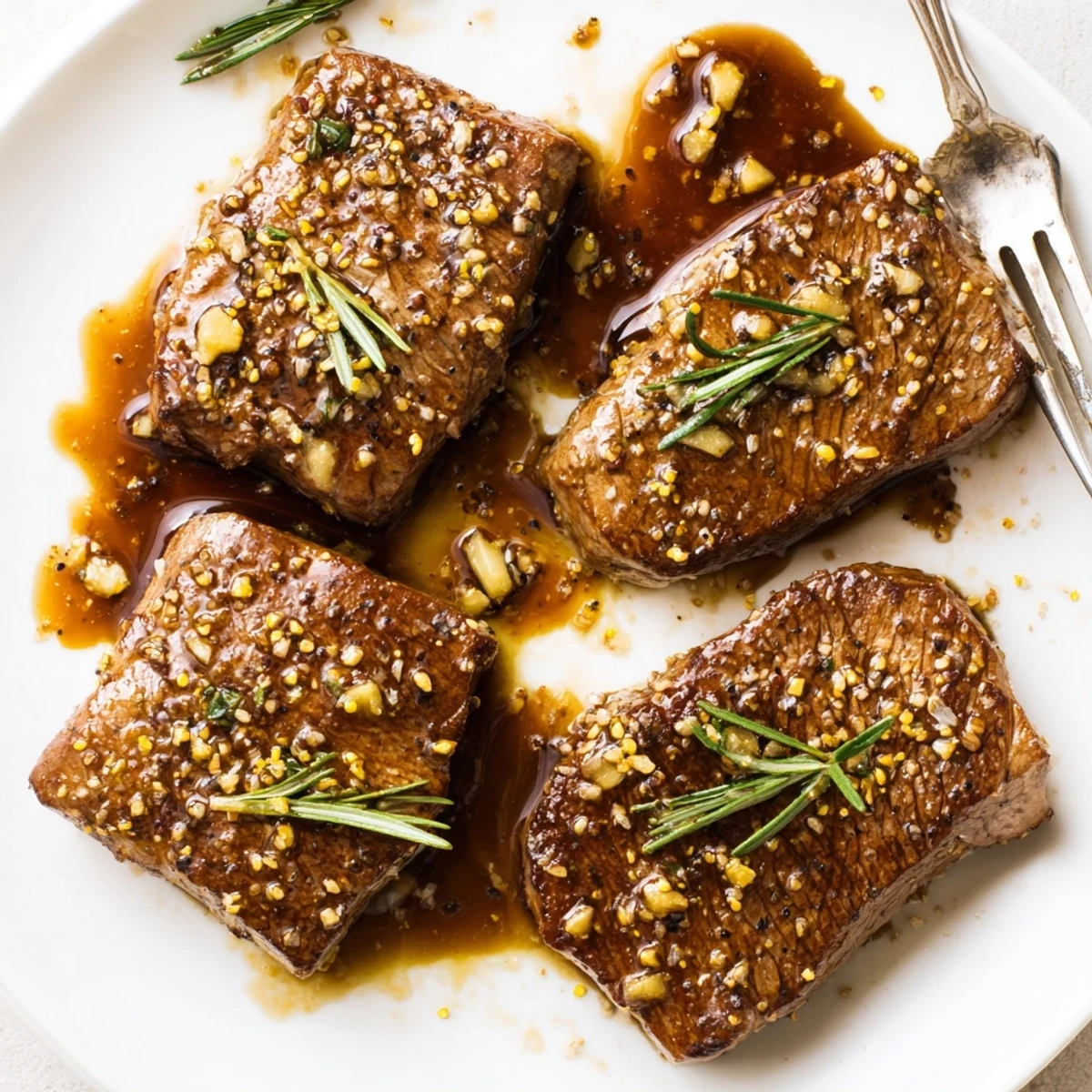
 Pin it
 This savory soy-and-balsamic marinade mixes soy sauce, olive oil, Worcestershire, lemon and garlic with brown sugar and Dijon to season and tenderize steak. Whisk, coat the meat, and chill 2–24 hours; turn occasionally. Discard used marinade before cooking. Swap honey for sugar or add red pepper flakes for heat; works well for pork or chicken too.
The first time I pulled together this steak marinade, I had nothing but a jumble of half-empty condiment bottles and the hope that dinner would taste better than just salt and pepper. Aromas of tangy Worcestershire and lemon wafted up as I whisked everything together, and I remember wondering if the kitchen would ever stop smelling so inviting. It's one of those mixtures you almost want to sneak a taste of before the steaks have even touched it. There’s just something satisfying about combining such bold flavors into something that transforms plain beef into a special meal.
I once made a batch of this marinade for a surprise cookout when my brother dropped by with friends on a dusty Saturday afternoon. The sounds of laughter from the backyard filtered in while I fussed over the bowl, frantically whisking as they fired up the grill. That day, I learned just how quickly a good marinade can disappear when everyone comes back for seconds. Now it’s my fallback when company arrives unannounced and there’s steak in the fridge.
Ingredients
- Soy sauce: Gives a deep saltiness that helps the steak absorb all the other flavors; I always use regular, not low-sodium, for a stronger base.
- Olive oil: Adds richness and helps carry all those aromatics into the meat—use extra virgin if you have it for more nuance.
- Worcestershire sauce: The secret depth; don’t skip it, and give the bottle a good shake first for the best blend.
- Balsamic vinegar: Lends tang and sweetness; I find a thicker aged balsamic makes the marinade cling better.
- Lemon juice (fresh): Brightens everything—never use bottled for this, as the freshness really counts.
- Garlic (minced): I smash and mince the cloves myself; jarred garlic just doesn’t deliver the same punch.
- Dijon mustard: Brings sharpness that rounds out the other flavors with a gentle heat; a little goes a long way.
- Brown sugar: Helps caramelize the exterior as the steak cooks and balances the acidity, so don’t skip it.
- Black pepper (freshly ground): The aroma is half the experience, so grind it right before adding.
- Dried or fresh rosemary: I use whatever’s on hand, but fresh rosemary really elevates the flavor if you can spare it.
- Onion powder: Adds umami in the background, rounding everything out without making the marinade taste overtly oniony.
Instructions
- Whisk the base:
- Grab a medium bowl and combine your soy sauce, olive oil, Worcestershire, balsamic, and lemon juice with a few energetic whisks. You’ll notice the surface gets glossy and a little thicker, which is exactly what you want for good steak coverage.
- Add aromatics and seasonings:
- Sprinkle in the minced garlic, Dijon, brown sugar, black pepper, rosemary, and onion powder. Keep whisking until everything’s dissolved and the marinade smells irresistible.
- Coat the steaks:
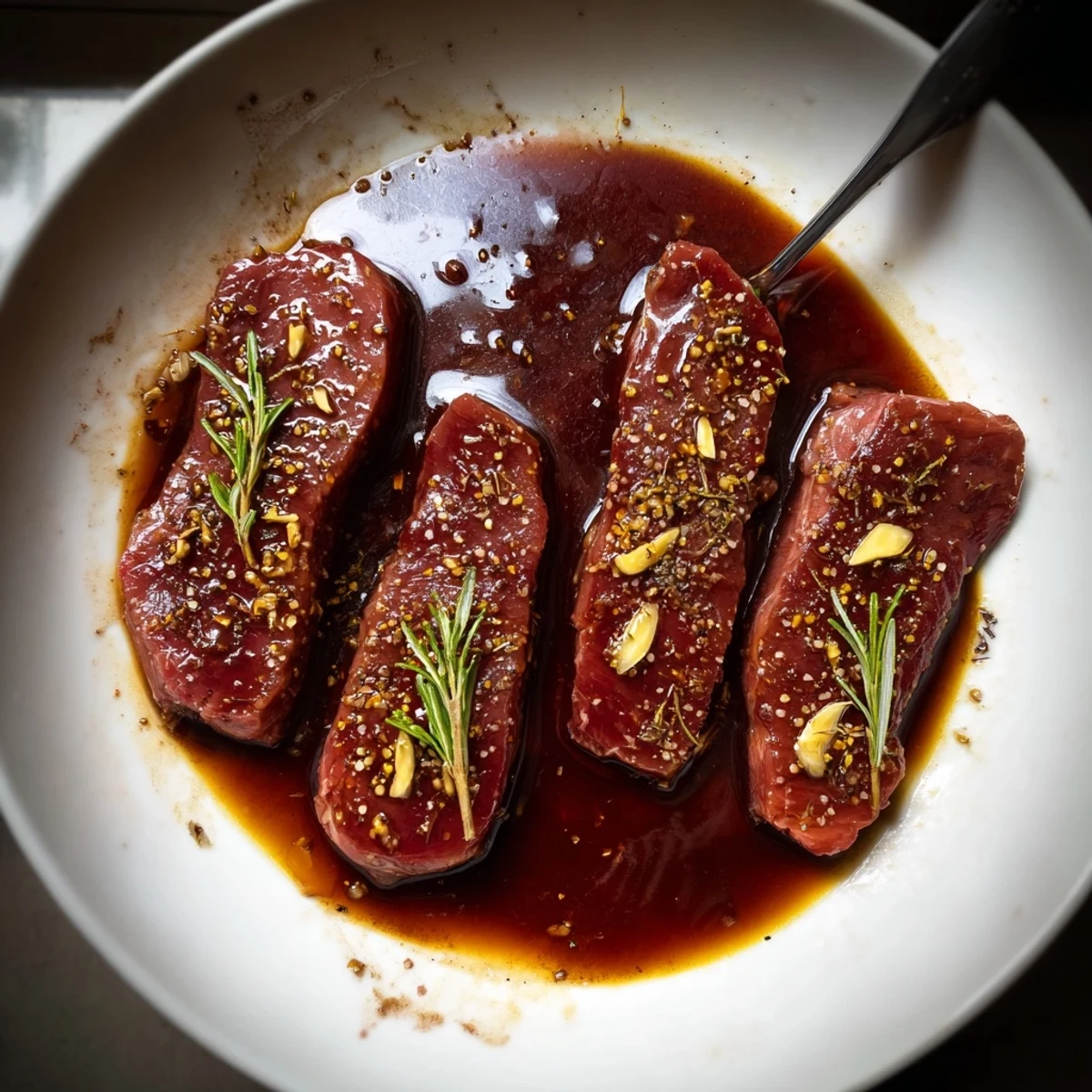
- Lay the steaks in a zip-top bag or shallow dish and pour the marinade over them, turning each one so it’s completely slick and glossy. Squeeze out extra air before sealing to help the flavor soak in everywhere.
- Marinate and turn:
- Let the steaks rest in the fridge for at least 2 hours or up to 24, turning them gently if you remember. The longer they sit, the more intense the taste and tenderness.
- Prep for cooking:
- Pull the steaks from the marinade and lightly pat them dry—this makes for a better sear. Discard the leftover marinade, then cook your steaks however you love best.
 Pin it
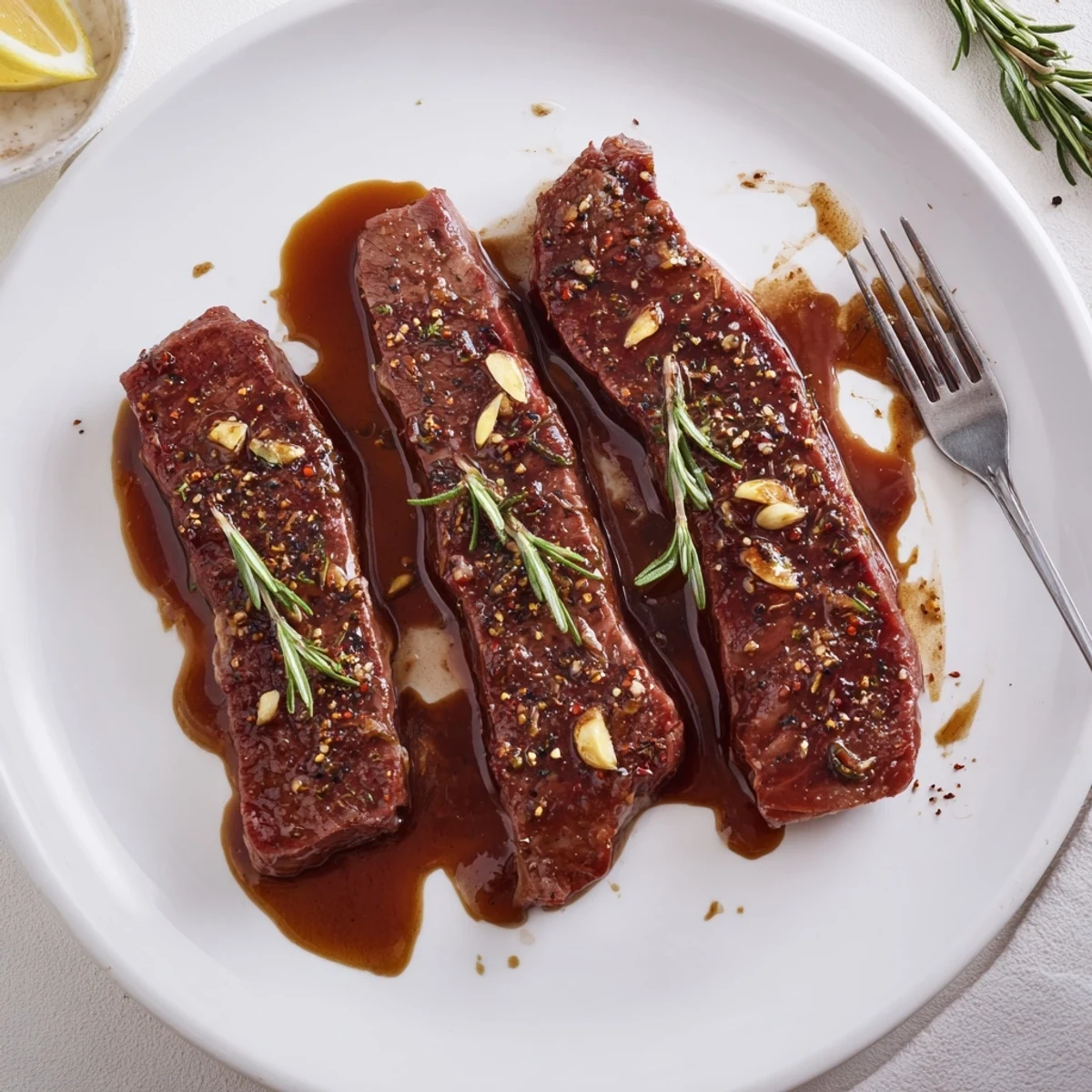
 There was a July evening when everyone finally settled around the table as twilight fell, and the scent of grilled, marinated steak lingered in the air. In that late-summer glow, these flavors felt less like a recipe and more like the centerpiece of a meal that brought everyone a little closer together.
Making the Most of Marinating Time
I've noticed letting the steaks marinate overnight not only deepens the flavor but makes last-minute dinners much faster—just grab and cook. When there’s barely time to prep, starting the marinade before work makes me feel almost smug at dinnertime. It’s one less thing to think about, and the results speak for themselves.
Perfect Pairings and Sides
This marinade shines with all sorts of steak cuts, from ribeye to flank, but it also does wonders for pork chops and chicken. Whenever I serve these steaks, a big green salad and roasted potatoes are my standby sides. And yes—a glass of bold red wine never hurts.
Troubleshooting and Last-Minute Advice
If your steak comes out too salty, it’s likely the soy sauce brand packs more sodium—I now reach for a lower-sodium version when in doubt. Fresh garlic can vary in punch, so taste the marinade before using if yours seems especially spicy. Small tweaks, like extra rosemary or a pinch of red pepper flakes, keep the marinade feeling fresh every time I make it.
- Don’t reuse marinade that has touched raw steak—it must be discarded.
- Remember to pat steaks dry so they’ll brown beautifully.
- A quick 2-hour soak works, but overnight is unbeatable if you plan ahead.
 Pin it
 No matter how often I mix up this marinade, there’s a small thrill in the moment before the steaks hit the pan and the aroma fills the house. May your meals be bold, easy, and always shared with someone who appreciates a good steak.
Recipe FAQs
- → How long should steaks marinate?
-
Marinate at least 2 hours for surface flavor; 6–12 hours for noticeable tenderizing. Avoid more than 24 hours to prevent the meat from becoming mushy, especially with acidic ingredients like lemon and vinegar.
- → Can I reuse the leftover marinade?
-
Discard marinade that has contacted raw meat. If you want to use it as a sauce, reserve a portion before adding raw steak or boil the used marinade for several minutes to kill bacteria before reducing and serving.
- → Which cuts of beef work best with this blend?
-
Flavorful, slightly tougher cuts like flank, skirt, flank steak and sirloin benefit most from the tenderizing action. Ribeye or tenderloin can be marinated briefly for added flavor but need less time to stay tender.
- → How can I make this gluten-free?
-
Use tamari or a certified gluten-free soy sauce and substitute gluten-free Worcestershire. Double-check labels for hidden gluten in condiments to keep the marinade safe for sensitive diners.
- → What swaps work for brown sugar?
-
Honey is a direct swap for brown sugar for a different sweetness and gloss. Maple syrup or agave can also work; reduce quantity slightly to avoid excessive caramelization when grilling.
- → How do I prevent flare-ups when grilling marinated steaks?
-
Pat steaks lightly dry before grilling to remove excess marinade and reduce dripping. Trim excess fat, grill over medium-high heat, and move meat if flames flare. Finish over indirect heat for even doneness.