
 Pin it
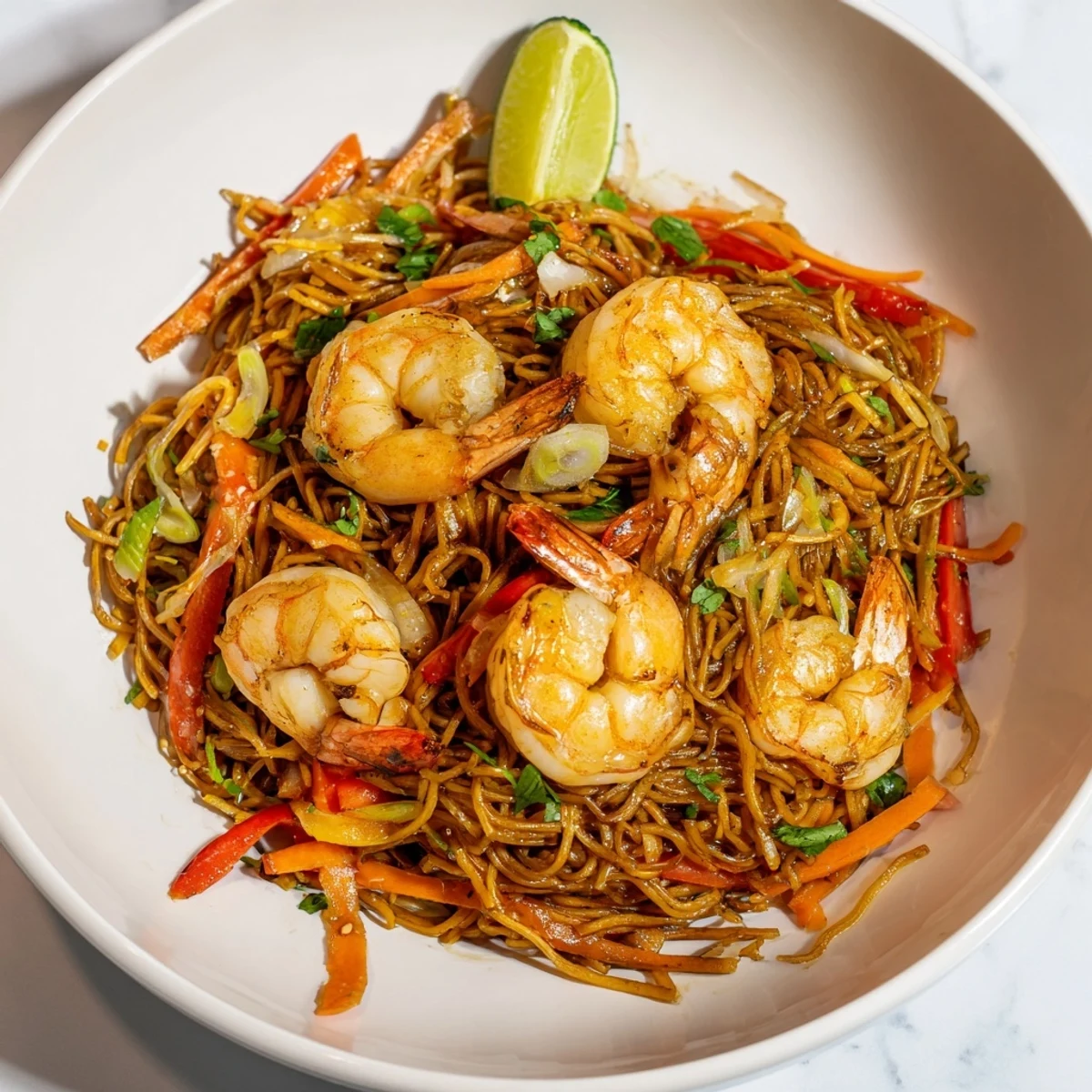
 Quick, 30-minute stir-fry combining tender shrimp, garlic, rice or egg noodles, crisp bell pepper and carrot. A soy-sriracha-brown sugar sauce coats the strands; shrimp take 2–3 minutes to turn pink. Toss in scallions and cilantro off heat, finish with lime. Swap in tofu or chicken, add fresh chilies for extra heat, and always check sauces for allergens before serving.
The sizzle of garlic hitting a hot wok is one of those sounds that makes everyone in the house wander toward the kitchen, nose first. My neighbor Dave once knocked on my door holding a beer, asking what on earth I was making at nine on a Tuesday night. That was the night these spicy garlic shrimp noodles earned a permanent spot in my rotation.
I made a double batch for a backyard gathering last summer and watched three grown adults fight over the last few shrimp left in the pan. There is something deeply satisfying about tossing noodles with tongs while friends hover around the stove with plates already in hand.
Ingredients
- 500 g (1 lb) large shrimp, peeled and deveined: Large shrimp give you that juicy, snappy bite that smaller ones simply cannot match. Pat them completely dry with paper towels or they will steam instead of sear.
- 300 g (10 oz) rice noodles or egg noodles: Rice noodles soak up the sauce beautifully, while egg noodles bring a chewier, heartier texture. Either choice works, so go with whatever you have in your pantry.
- 1 red bell pepper, thinly sliced: The sweetness of red bell pepper balances the sriracha heat and adds a bright pop of color to the dish.
- 1 small carrot, julienned: Julienned carrot threads cook quickly and bring a subtle crunch that keeps each forkful interesting.
- 2 green onions, sliced: Tossed in at the very end, green onions add a fresh, mild bite without overpowering the garlic.
- 5 cloves garlic, minced: Five cloves might sound aggressive, but garlic mellows as it cooks and becomes the backbone of the entire flavor profile.
- 2 tbsp fresh cilantro, chopped (plus extra for garnish): Cilantro lifts the heavy, savory notes and gives the dish its fresh, herbaceous finish.
- 3 tbsp soy sauce: This is your salt component and umami base. Use a good quality soy sauce because it carries a lot of the flavor weight here.
- 2 tbsp oyster sauce: Oyster sauce adds a velvety richness and a slight sweetness that rounds out every edge of the spice.
- 1 tbsp fish sauce: A little fish sauce goes a long way toward deep, savory complexity. Do not be scared of the smell from the bottle because it transforms once it hits the heat.
- 1 1/2 tbsp sriracha (adjust to taste): This is where the magic heat lives. Start with less if you are sensitive and add more at the end if you want it to bite back.
- 1 tbsp brown sugar: Brown sugar caramelizes slightly and tames the sharpness of the sriracha and fish sauce into something smooth.
- 1 tsp sesame oil: Just a teaspoon drizzled into the sauce gives the whole dish a toasty, nutty aroma that ties everything together.
- 2 tbsp vegetable oil: Vegetable oil has a high smoke point, which is exactly what you need for a hot wok without burning the garlic.
- 1 lime, cut into wedges: A generous squeeze of lime over the finished bowl brightens every flavor and cuts through the richness.
Instructions
- Get those noodles ready:
- Cook the noodles according to the package directions, drain them well, and set aside. Toss them with a tiny drop of oil so they do not turn into one stubborn clump while you handle everything else.
- Whisk the sauce together:
- In a small bowl, combine the soy sauce, oyster sauce, fish sauce, sriracha, brown sugar, and sesame oil. Stir until the sugar dissolves and give it a quick taste so you know what you are working with.
- Wake up the garlic:
- Heat the vegetable oil in a large skillet or wok over medium high heat until it shimmers. Add the minced garlic and stir constantly for about 30 seconds until your entire kitchen smells incredible.
- Sear the shrimp:
- Toss in the shrimp in a single layer and let them cook undisturbed for a minute before flipping. After 2 to 3 minutes total they should be pink and curled, so pull them out and set them aside before they overcook.
- Quick stir fry the vegetables:
- In the same pan with all those leftover garlic flavors, add the sliced bell pepper and julienned carrot. Stir fry for about 2 minutes until they soften slightly but still have a bit of bite left in them.
- Bring it all together:
- Return the noodles and shrimp to the pan, pour the sauce over everything, and toss vigorously. Keep tossing for about 2 minutes until every noodle is coated and glistening and the shrimp are warmed back through.
- Finish with freshness:
- Remove the pan from the heat and toss in the sliced green onions and chopped cilantro. Serve right away with extra cilantro scattered on top and lime wedges on the side for squeezing.
 Pin it
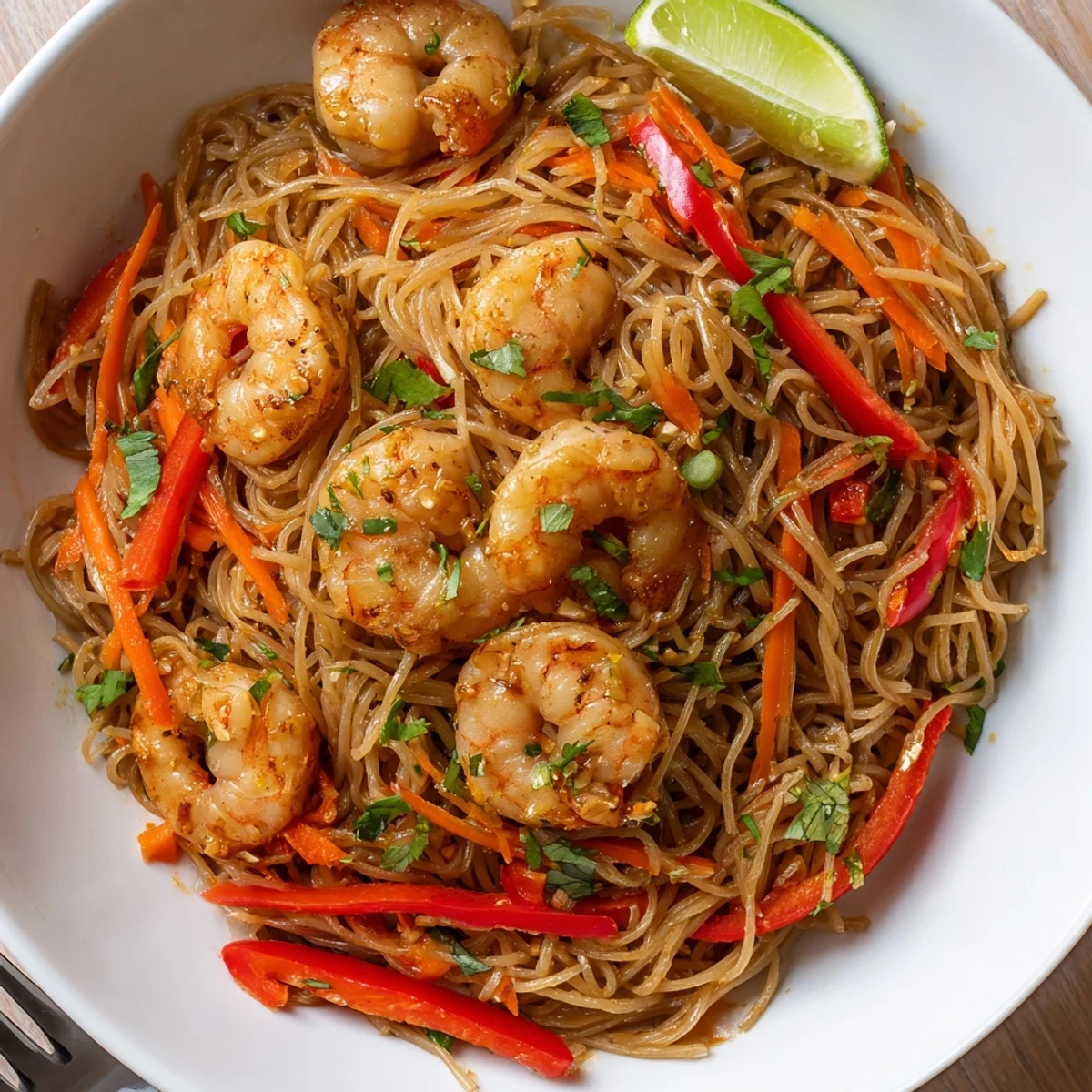
 There is a specific kind of happiness that comes from sliding a steaming bowl of noodles across the table to someone who takes that first bite and immediately goes quiet. Food does not always need to be complicated to be memorable.
Swapping the Protein
Shrimp is wonderful here, but this recipe plays just as nicely with thinly sliced chicken breast or firm tofu cubes pressed dry and seared golden. I have made it with leftover rotisserie chicken shredded into the pan on a lazy Sunday and it was gone in ten minutes flat.
Turning the Heat Up or Down
The sriracha measurement is really a starting point, not a rule. My friend Maria adds bird chili slices because she grew up eating fiery food in Manila, while my mother prefers just half a tablespoon and a little extra brown sugar for balance.
Leftovers and Storage
If you are lucky enough to have leftovers, they reheat surprisingly well in a hot skillet with a splash of water to loosen the sauce. The noodles absorb even more flavor overnight, making the next day lunch almost better than dinner.
- Store leftovers in an airtight container in the refrigerator for up to two days.
- Reheat in a pan rather than a microwave for the best texture.
- Add a fresh squeeze of lime and a handful of cilantro after reheating to wake it all back up.
 Pin it
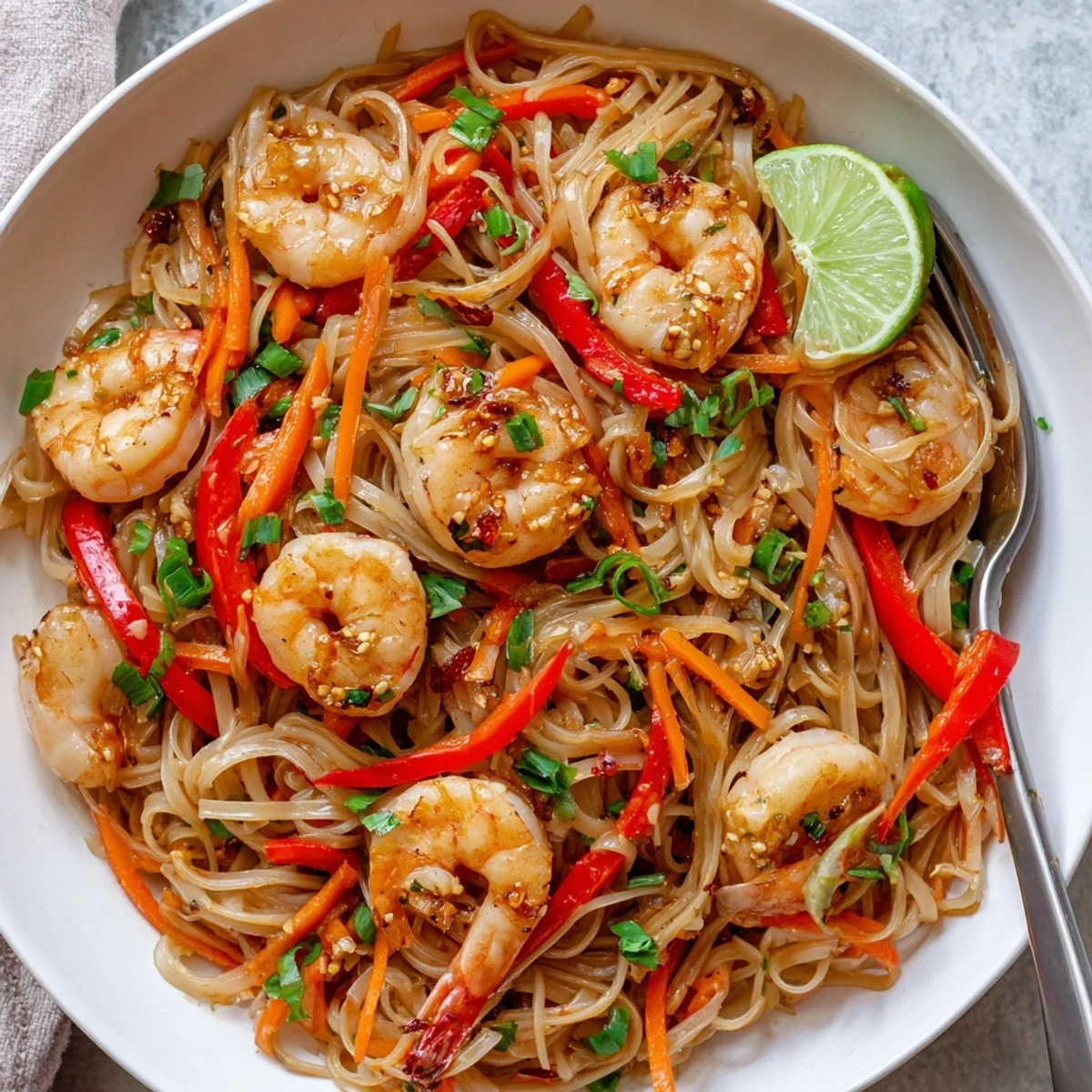
 Keep a bowl of extra lime wedges and sriracha on the table and let everyone customize their own plate. That is the real secret to making people fall in love with a meal.
Recipe FAQs
- → Can I use different types of noodles?
-
Yes. Rice noodles give a lighter texture while egg noodles add chew. Cook noodles to package directions, drain well, and toss quickly in the pan so they absorb the sauce without getting mushy.
- → How do I avoid overcooking the shrimp?
-
Cook shrimp over medium-high heat just until they turn pink and firm, about 2–3 minutes depending on size. Remove them from the pan early; they’ll finish warming when you combine everything to prevent rubberiness.
- → How can I control the spiciness?
-
Adjust the sriracha amount, start with less and add to taste. Fresh sliced chilis or chili flakes add sharper heat; balance with a touch more brown sugar or lime if it gets too spicy.
- → What are good vegetarian or protein swaps?
-
Firm tofu or seared tempeh are great swaps—press and pan-fry until golden. For a different meat, use thinly sliced chicken. If avoiding fish-based sauces, replace them with mushroom-based umami or tamari for depth.
- → How can I make this gluten-free?
-
Use gluten-free rice noodles and substitute tamari or coconut aminos for soy sauce. Check labels on oyster and fish sauces for gluten; opt for certified gluten-free versions or a mushroom-based umami alternative.
- → How should leftovers be stored and reheated?
-
Store in an airtight container in the fridge for up to 2 days. Reheat gently in a skillet with a splash of water or oil to loosen the sauce; avoid microwave reheating that can toughen shrimp—consider removing shrimp before cooling and adding back when warming noodles.