
 Pin it
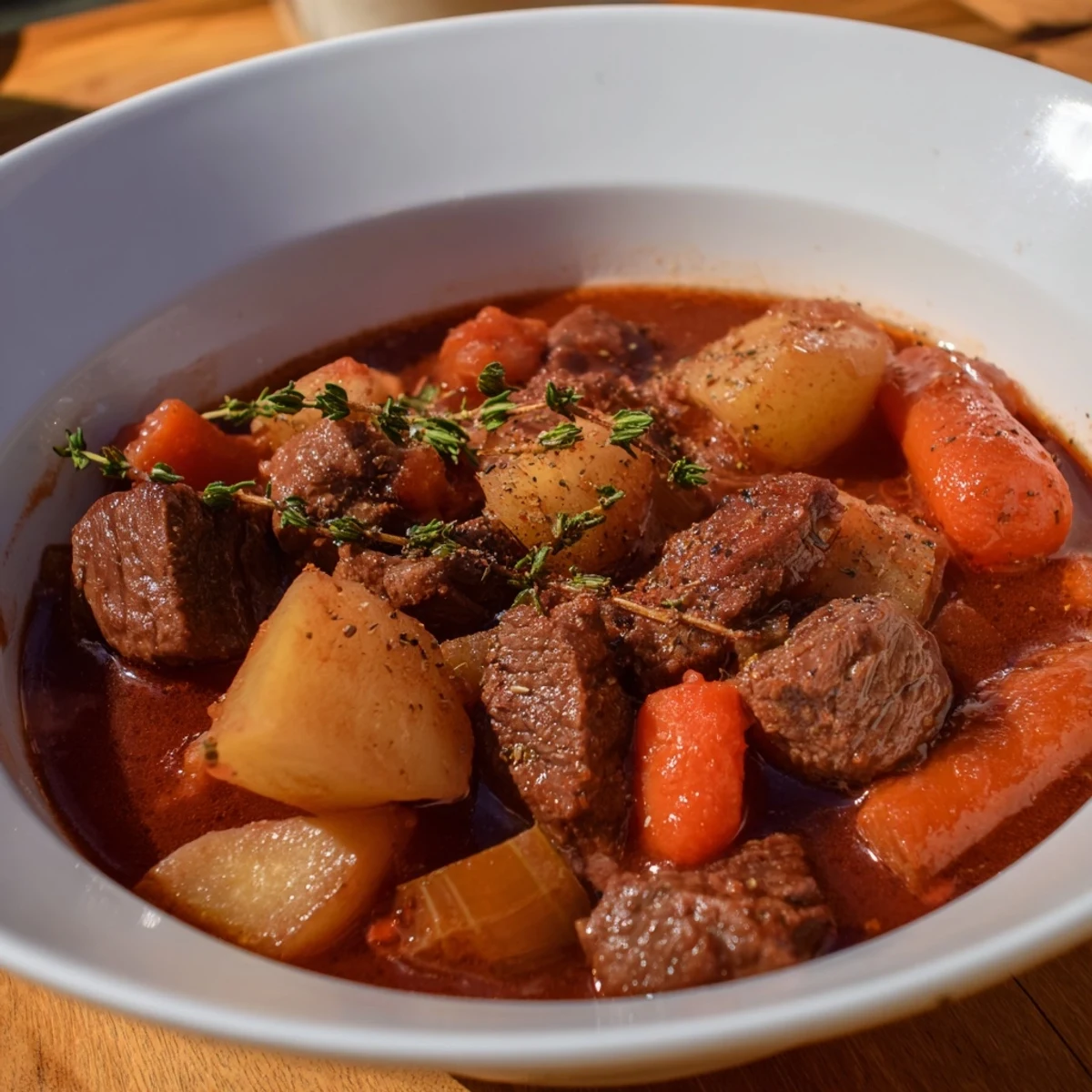
 This traditional Northern Italian dish features beef chuck cubes that become fork-tender after two hours of gentle simmering. The slow braise allows the meat to absorb the rich flavors of red wine, tomato paste, and aromatic vegetables including onions, carrots, and celery. Fresh herbs like rosemary and thyme add depth, while potatoes make it a complete meal. The sauce naturally thickens as the beef cooks, creating a velvety texture that clings beautifully to rustic bread or creamy polenta.
The kitchen window was fogged up and my neighbor's cat sat on the sill watching me like a tiny food critic the afternoon I first attempted spezzatino di manzo. Rain hammered the roof tiles and I had a kilo of beef chuck staring me down from the cutting board. Something about the smell of browning meat in olive oil makes any kitchen feel like it belongs in a stone farmhouse in Umbria, even if yours is a cramped flat in the city.
My friend Marco once told me that a good spezzatino should be quiet, meaning the cook should barely have to intervene after the initial searing. I tested that theory during a dinner party where I got so caught up in conversation I forgot to stir for forty minutes, and it turned out to be the best batch I ever made.
Ingredients
- 800 g beef chuck, cut into 3 cm cubes: Chuck is the ideal cut because its marbling melts during the long braise and keeps every bite tender.
- 2 medium onions, finely chopped: Onions form the sweet foundation of the entire dish, so do not rush them.
- 2 carrots, sliced: They add natural sweetness and a lovely soft texture that contrasts the meat.
- 2 celery stalks, sliced: Celery brings an earthy depth that you will miss if you leave it out.
- 2 medium potatoes, peeled and cubed: Potatoes thicken the broth as they break down, creating that velvety sauce.
- 2 garlic cloves, minced: Fresh garlic stirred in late keeps its fragrance bright and punchy.
- 250 ml dry red wine: Use something you would happily drink because the flavor concentrates as it reduces.
- 500 ml beef stock: Homemade is wonderful but a good quality store bought stock works beautifully here.
- 2 tbsp tomato paste: This tiny amount adds remarkable umami richness and a deep, warm color.
- 2 tbsp olive oil: A good fruity olive oil makes the browning step sing.
- 2 bay leaves: Bay leaves work quietly in the background to round out the herbal notes.
- 1 sprig fresh rosemary: Rosemary and beef are a classic Italian pairing that never disappoints.
- 1 tsp dried thyme: Thyme adds a subtle woodsy aroma that ties everything together.
- Salt and freshly ground black pepper, to taste: Season in layers throughout the cooking process for the best result.
Instructions
- Give the beef a proper sear:
- Heat the olive oil in a large heavy bottomed pot over medium high heat and brown the beef in batches until each cube has a deep golden crust on all sides, then remove and set aside while your kitchen starts smelling incredible.
- Build the vegetable base:
- Reduce the heat to medium and toss in the onions, carrots, and celery, sauteing for about five minutes while scraping up every delicious brown bit stuck to the bottom of the pot.
- Wake up the garlic and tomato paste:
- Stir in the minced garlic and tomato paste, cooking for two more minutes until the mixture turns fragrant and a shade darker.
- Let the wine work its magic:
- Pour in the red wine to deglaze, scraping the pot with your wooden spoon, and let it reduce by half over about five minutes so the harsh alcohol cooks off.
- Bring everything home:
- Return the beef to the pot and add the potatoes, beef stock, bay leaves, rosemary, thyme, salt, and pepper, giving it all a gentle stir to combine.
- Low and slow is the secret:
- Bring the stew to a gentle simmer, cover with a lid, and cook on low heat for two hours, stirring every so often, until the beef yields to a fork and the sauce has thickened into something that coats the back of a spoon.
- Finish and taste:
- Fish out the bay leaves and rosemary sprig, then taste and adjust the salt and pepper before serving because a final seasoning check makes all the difference.
 Pin it
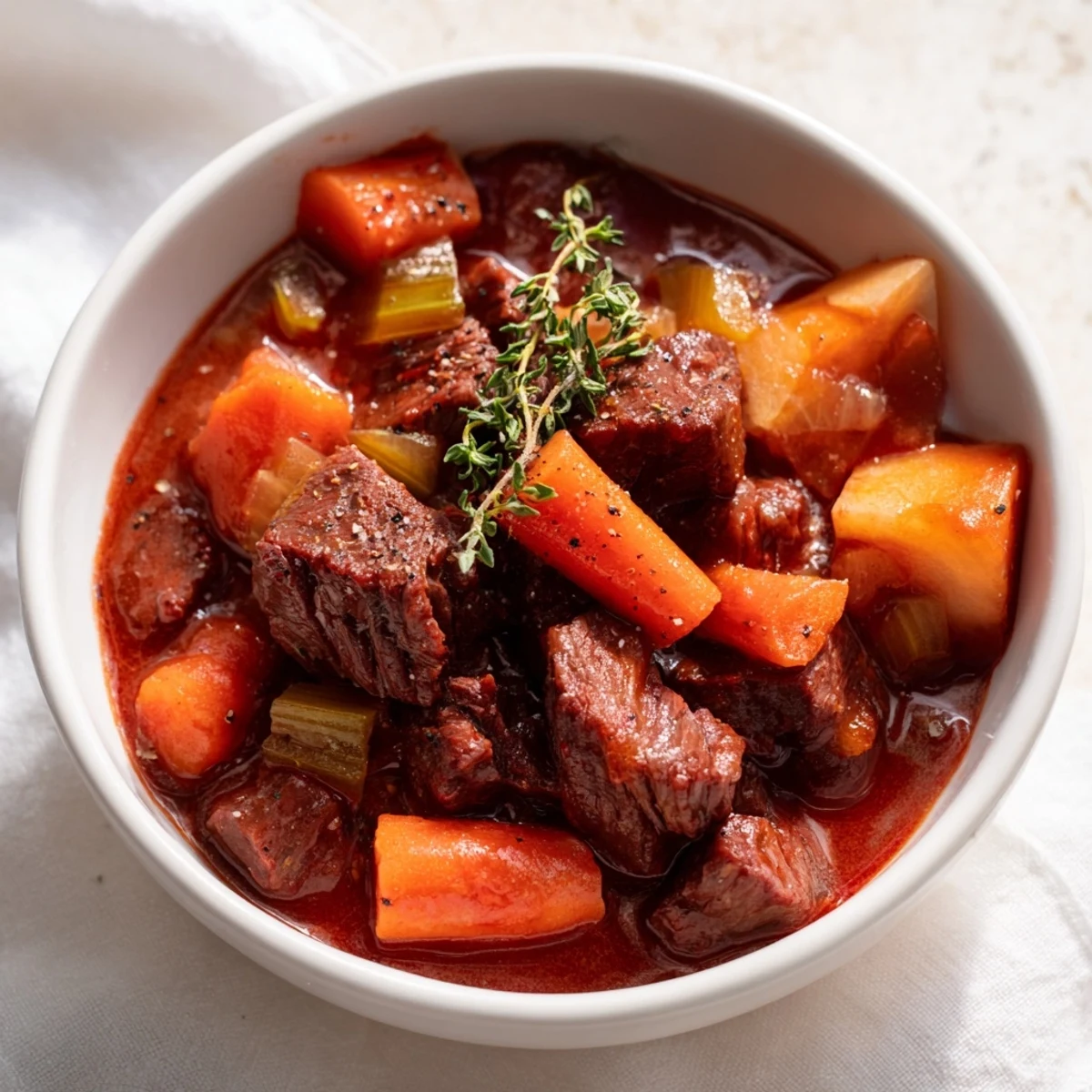
 There is something about ladling this stew over creamy polenta on a cold evening that turns an ordinary weeknight into a small celebration of being alive and hungry.
Serving Suggestions Worth Trying
Rustic bread is the traditional companion for spezzatino, perfect for mopping up every last bit of sauce from your bowl. Polenta is my personal favorite because its creaminess plays beautifully against the tender chunks of beef and vegetables.
Choosing the Right Wine for Cooking
A Sangiovese or Montepulciano works wonders here because these Italian reds have the acidity and fruit to complement the beef without overpowering it. Whatever you do, avoid anything labeled cooking wine because it will only drag the flavor of your stew down.
Making It Ahead and Storing Leftovers
This stew is one of those rare dishes that genuinely improves with time, so making it a day ahead is not just acceptable but actively recommended. Let it cool completely before refrigerating and gently reheat it on the stove over low heat.
- Store leftovers in an airtight container in the refrigerator for up to three days.
- Freeze portions in sealed containers for up to two months and thaw overnight before reheating.
- A splash of balsamic vinegar stirred in at the end adds a surprising layer of depth that guests always ask about.
 Pin it
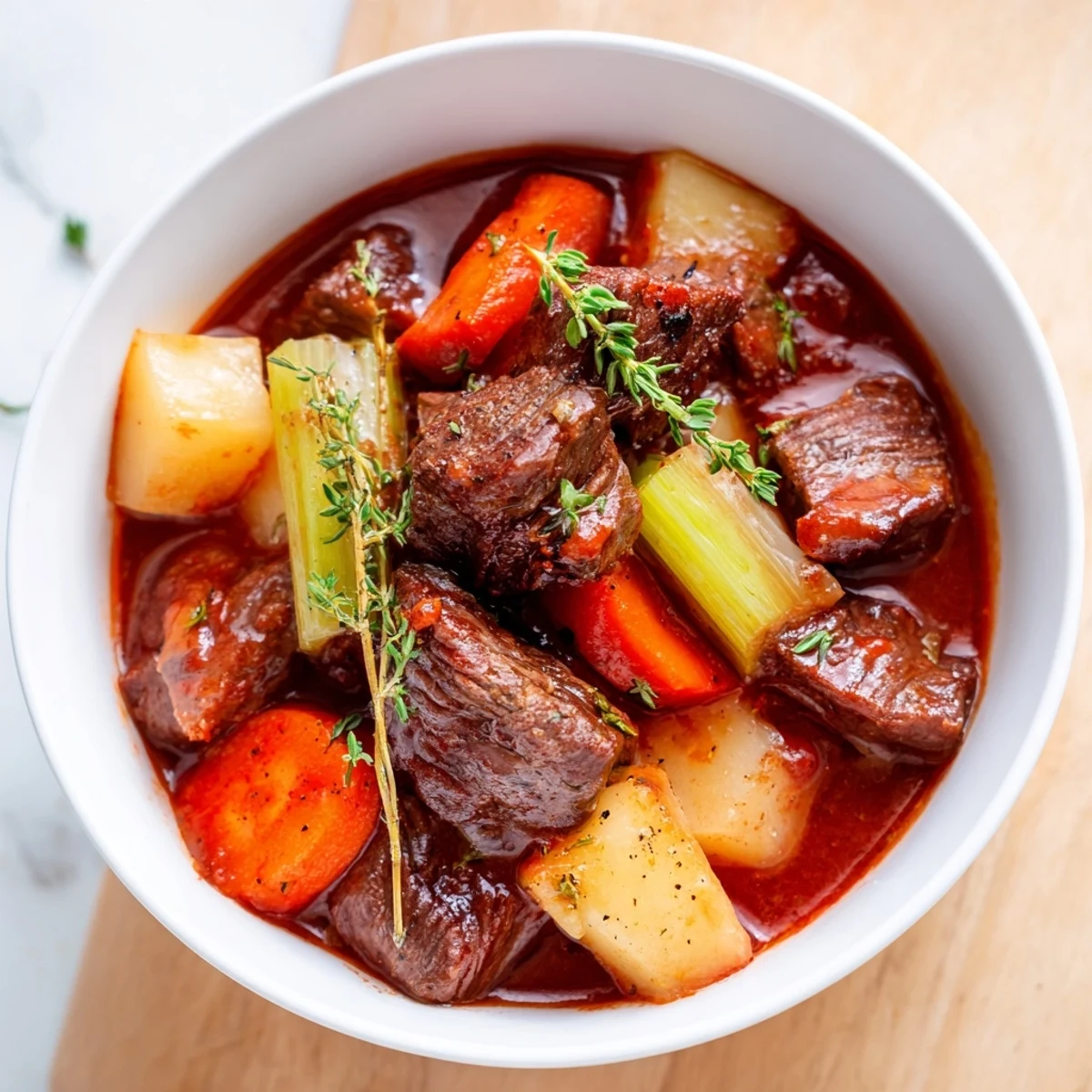
 Spezzatino di manzo is the kind of dish that reminds you why slow cooking exists and why some meals are worth waiting for. Share it with someone you love or savor it alone with a glass of the same red wine you cooked with.
Recipe FAQs
- → What cut of beef works best for spezzatino?
-
Beef chuck is ideal because it has enough marbling and connective tissue to become tender during long braising. The slow cooking breaks down the fibers, resulting in melt-in-your-mouth meat.
- → Can I make this ahead of time?
-
Absolutely. In fact, spezzatino tastes even better the next day as the flavors continue to develop. Store in the refrigerator for up to 3 days or freeze for up to 3 months.
- → What should I serve with spezzatino?
-
Rustic crusty bread is traditional for soaking up the rich sauce. Creamy polenta, mashed potatoes, or simply serve it as-is with the potatoes already in the dish.
- → Why is the beef browned first?
-
Browning creates a Maillard reaction that adds deep, savory flavors to the final dish. Those browned bits left in the pot are deglazed with wine, incorporating all that flavor into the sauce.
- → Can I use a different type of wine?
-
Use any dry red wine you enjoy drinking. Chianti, Barolo, or Sangiovese are authentic Italian choices. Avoid cooking wine as it tends to be salty and lacks complexity.