
 Pin it
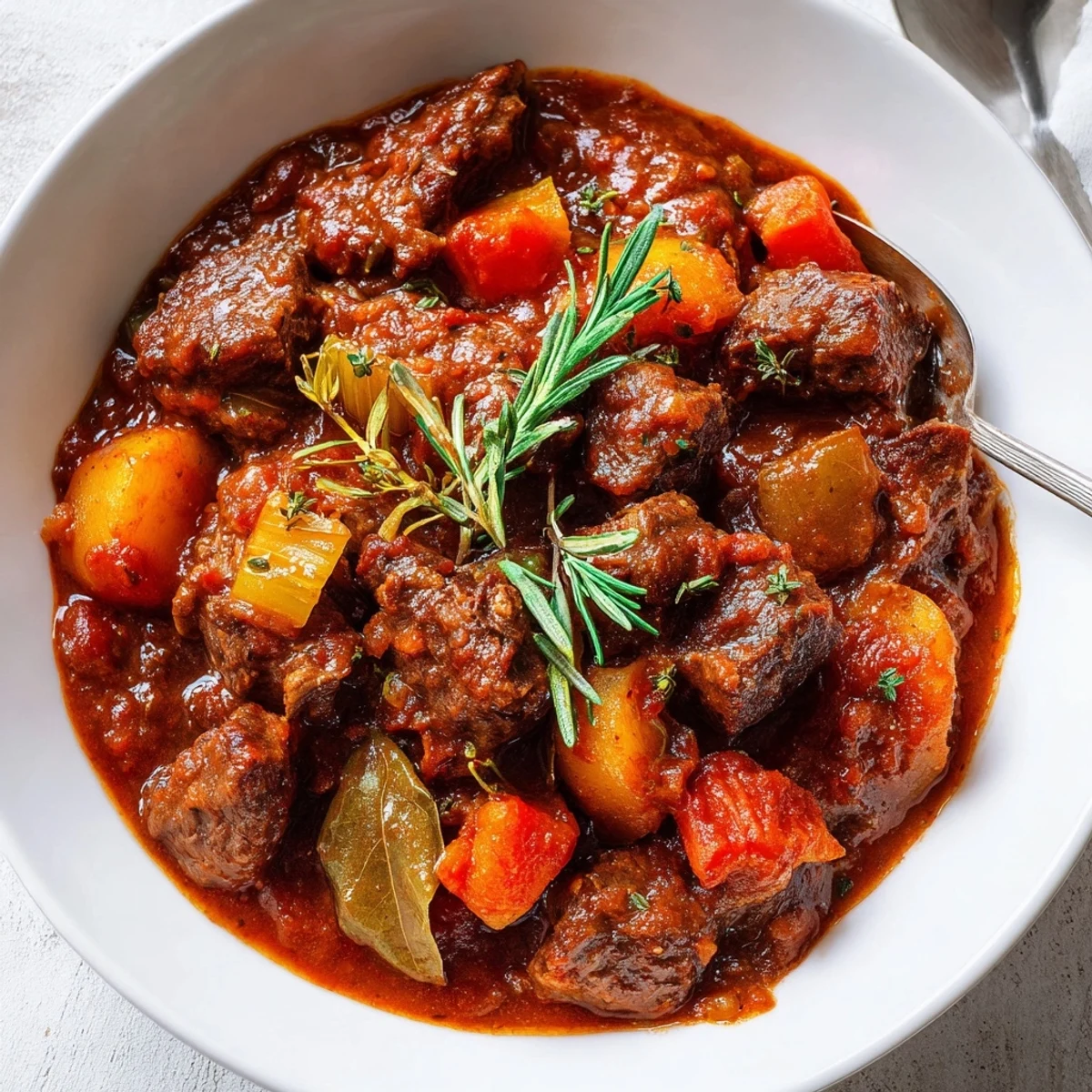
 Spezzatino di Manzo is a slow-braised Italian beef dish: cubes of beef browned, then simmered with onions, carrots, celery, tomatoes, red wine and fragrant thyme and rosemary until deeply flavored and tender. Potatoes are added near the end to finish the sauce. Remove herb stems before serving and pair with crusty bread or polenta; flavors deepen if made a day ahead.
The rain was hammering against the kitchen window so hard that November evening that I could barely hear the radio, and all I wanted was something that would make the whole apartment smell like somebody loved me. I had a chunk of beef chuck in the fridge that had been staring at me for two days, daring me to do something interesting with it. What came out of the pot three hours later was the kind of stew that makes you close your eyes at the first bite and forget whatever went wrong that week.
My friend Marco came over the second time I made this, bringing a bottle of Chianti he swore was perfect for cooking, then proceeded to drink most of it before it ever reached the pot. We ended up using whatever cheap red was in the pantry, and honestly, the stew was better for it. He still talks about that dinner whenever the weather turns cold.
Ingredients
- Beef chuck (800 g, cubed): This cut has the right balance of fat and connective tissue that breaks down into silky richness over a long braise.
- Carrots (2 medium, sliced): They add natural sweetness that balances the acidity of the tomatoes and wine.
- Celery (2 stalks, chopped): An unsung hero that gives the stew its savory depth without calling attention to itself.
- Yellow onion (1 large, finely chopped): The foundation of flavor, so do not rush cooking it down.
- Potatoes (2 medium, cubed): Added later so they hold their shape and soak up the sauce without turning to mush.
- Garlic (2 cloves, minced): Added toward the end of the vegetable sauté to prevent bitterness.
- Canned diced tomatoes (400 g): Use a good quality brand because their flavor becomes the backbone of the sauce.
- Beef broth (500 ml): Low sodium is best so you can control the salt level as it reduces.
- Dry red wine (120 ml): Something you would drink, nothing fancy, just honest and dry.
- Tomato paste (2 tbsp): A small amount concentrated into the vegetables adds tremendous umami depth.
- Extra virgin olive oil (2 tbsp): For browning the beef and building flavor from the very first step.
- Bay leaves (2): Remove them before serving because they add fragrance during cooking but are not pleasant to bite into.
- Fresh thyme (3 to 4 sprigs) or dried (1 tsp): Earthy and warm, it ties all the flavors together quietly.
- Fresh rosemary (1 sprig) or dried (1 tsp): A little goes a long way and gives the stew its distinctly Italian character.
- Salt and freshly ground black pepper: Season in layers throughout cooking for the most balanced result.
Instructions
- Season and dry the beef:
- Pat the cubes thoroughly with paper towels because moisture is the enemy of a good sear. Season generously with salt and pepper on all sides, letting them sit for a few minutes while the pot heats up.
- Brown the beef in batches:
- Heat the olive oil in a heavy Dutch oven over medium high heat until it shimmers. Add only enough beef to cover the bottom without crowding, and let each side develop a deep brown crust before turning, about 3 minutes per side.
- Build the vegetable base:
- In the same pot with all those beautiful browned bits stuck to the bottom, toss in the onions, carrots, and celery with a good pinch of salt. Cook them down until softened and just starting to caramelize, about 5 to 6 minutes, then stir in the garlic for one more fragrant minute.
- Concentrate with tomato paste and deglaze with wine:
- Stir the tomato paste into the vegetables and let it cook for 2 minutes until it darkens slightly and smells incredibly rich. Pour in the wine and scrape up every last bit from the bottom of the pot, letting the liquid reduce by half so the alcohol cooks off and the flavor intensifies.
- Bring it all together:
- Return the beef and any resting juices to the pot, then add the diced tomatoes, broth, bay leaves, thyme, and rosemary. Give everything a gentle but thorough stir and bring it to a steady simmer.
- Slow cook to tenderness:
- Cover the pot, reduce the heat to low, and let it bubble gently for 1.5 hours, stirring once or twice just to make sure nothing sticks. Your kitchen should smell absolutely incredible by now.
- Add potatoes and finish strong:
- Drop in the cubed potatoes, taste the broth and adjust salt and pepper, then continue cooking uncovered for another 30 minutes. The potatoes will soften, the sauce will thicken, and the beef will yield completely to the press of a spoon.
- Rest and serve:
- Fish out the bay leaves and any herb stems, then let the stew sit off the heat for 5 to 10 minutes before ladling into bowls. Serve over creamy polenta or with a hunk of crusty bread for soaking up every drop of sauce.
 Pin it
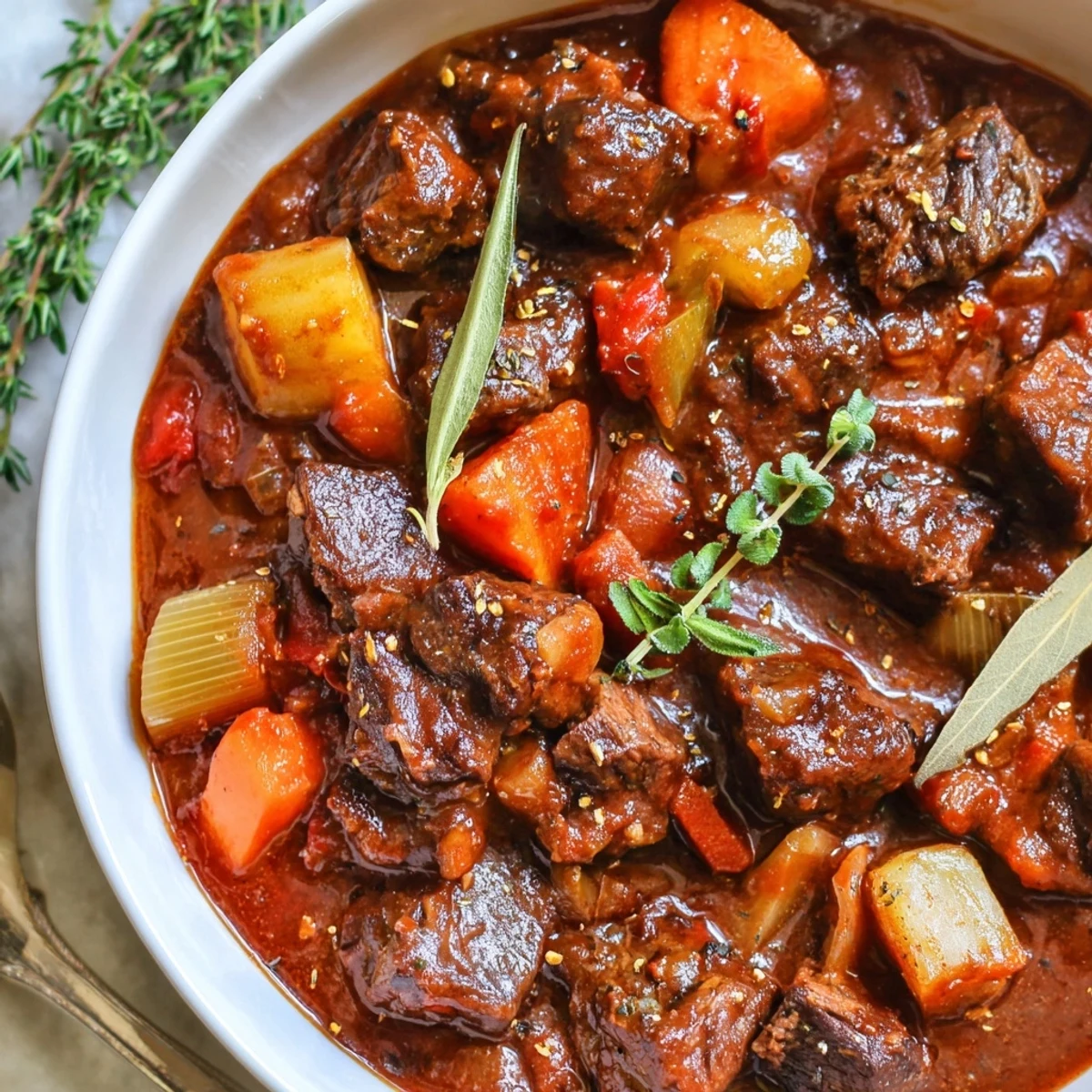
 There was a Sunday when I made a double batch and brought a container to my elderly neighbor Aldo, who grew up outside of Florence. He called me that evening and spoke in a mixture of Italian and English for twenty minutes, telling me his mother used to make spezzatino on Thursdays with whatever cut the butcher gave her. He said mine tasted like home, and I do not think any compliment has meant more.
Choosing the Right Cut of Beef
Chuck is my go to because it has marbling that renders into the sauce and connective tissue that melts into gelatin, giving the broth body and the meat a silky texture. Round and sirloin look leaner and tidier but they dry out during a long braise no matter what you do. Spend less money on chuck and get a better result, which is the kind of cooking math I love.
What to Serve Alongside
Polenta is the classic Italian pairing and for good reason, its creamy blandness is the perfect stage for the rich, meaty sauce to shine. Mashed potatoes work beautifully too, especially if you whip them with a bit of olive oil instead of butter. A chunk of good rustic bread is the simplest option and honestly sometimes the most satisfying one.
Making It Your Own
Once you have the basic technique down, this stew is endlessly adaptable to what you have on hand or what the season offers. Fresh mushrooms added with the potatoes give an earthy dimension that feels right in late autumn, and a handful of peas tossed in at the very end add a pop of sweetness and color.
- Frozen peas only need about 5 minutes at the end, so do not add them any earlier or they turn gray and mushy.
- Mushrooms should be browned separately in their own pan first for the best flavor.
- Always taste and adjust the seasoning right before serving because reductions change the salt balance.
 Pin it
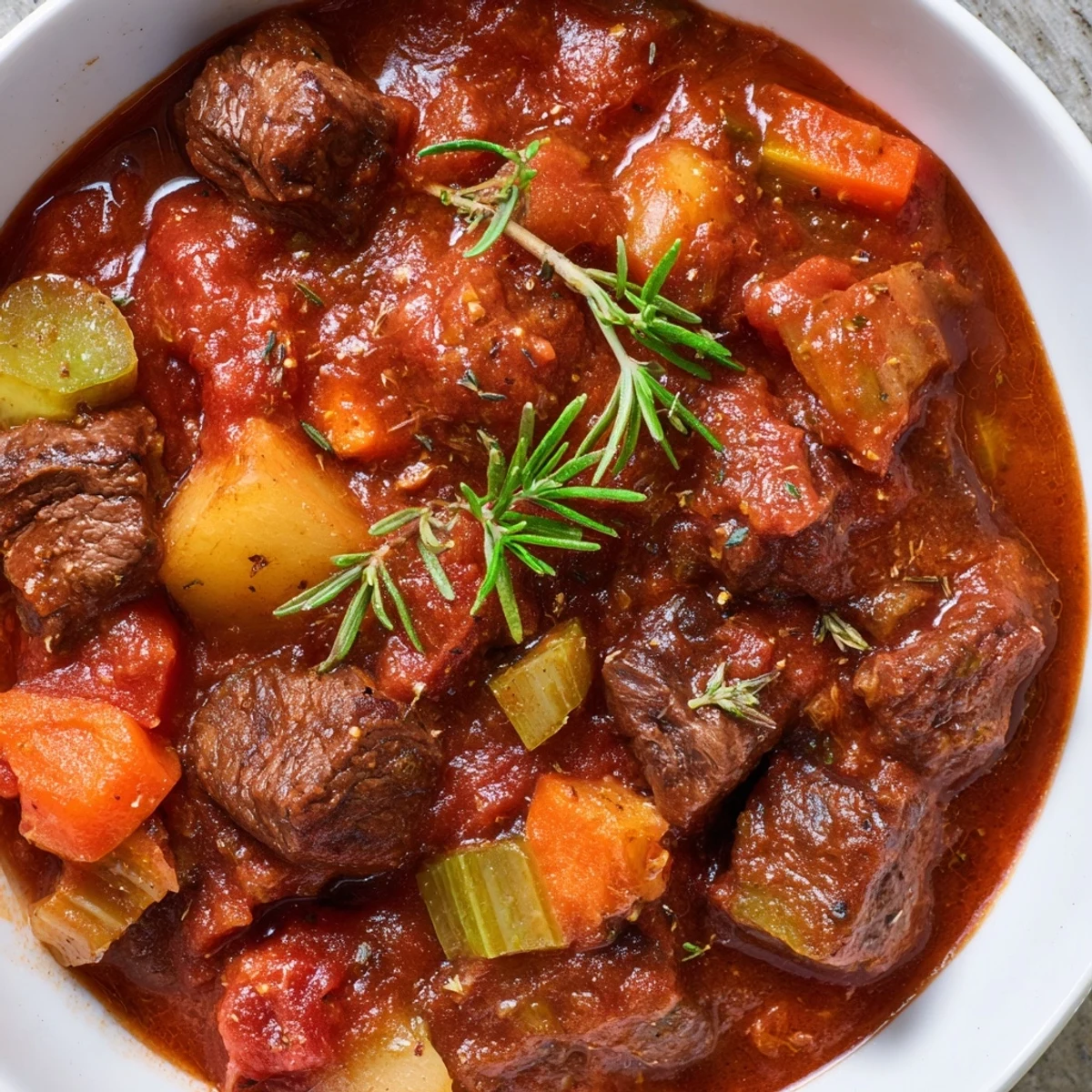
 Some meals just know what you need before you do, and this stew has never once let me down when the world felt a little too much. Ladle it into a deep bowl, pour yourself a glass of whatever red you opened to cook with, and let the evening take care of itself.
Recipe FAQs
- → What cut of beef works best?
-
Use well-marbled cuts like chuck or blade, cut into 2–3 cm cubes. The connective tissue breaks down during long, gentle simmering, yielding tender, flavorful meat.
- → Why brown the beef first?
-
Browning develops caramelized flavors and builds a deeper sauce. Brown in batches over medium-high heat to avoid steaming and to get a rich fond on the pot bottom.
- → How do I thicken the sauce naturally?
-
Allow the sauce to reduce uncovered after adding the potatoes, or gently mash a few potato cubes into the pot. A brief simmer will concentrate flavors without adding thickeners.
- → Can I adapt this for a slow cooker?
-
Yes. Brown the meat and sauté the vegetables first, then transfer to the slow cooker with tomatoes, broth and herbs. Cook on low for 6–8 hours, adding potatoes in the last hour.
- → What can I use instead of red wine?
-
Substitute an equal amount of beef broth with a splash of balsamic or red wine vinegar for acidity. Choose a full-bodied stock to preserve depth of flavor.
- → How should leftovers be stored and reheated?
-
Cool and refrigerate in an airtight container for up to 3 days. Reheat gently on the stove over low heat, adding a splash of broth if needed; flavors often improve after resting overnight.