
 Pin it
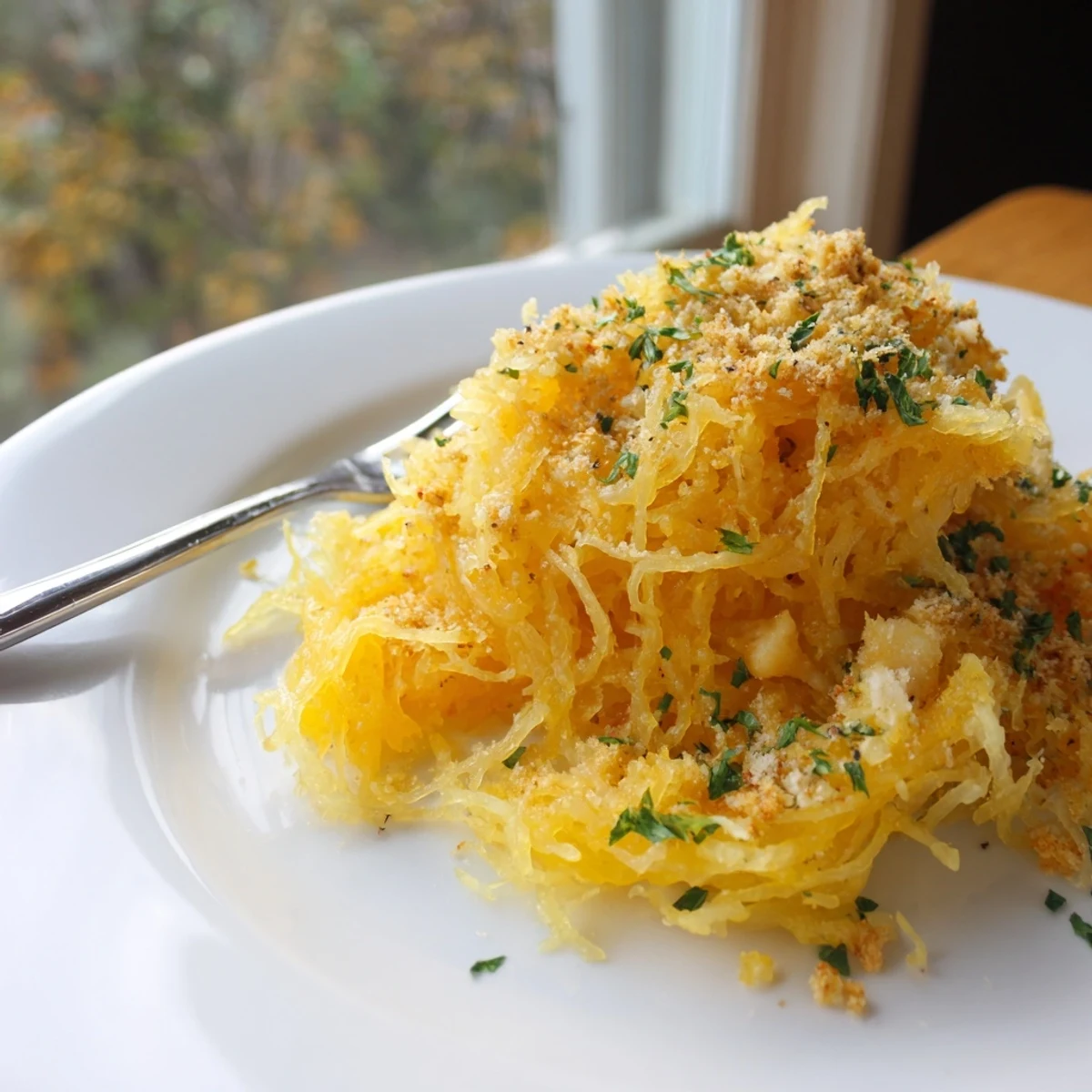
 This clever twist swaps traditional pasta for tender roasted spaghetti squash strands, creating a lighter version of the beloved comfort classic. The golden squash develops natural sweetness while roasting, which pairs beautifully with the sharp cheddar and nutty Gruyère sauce. A simple roux-based sauce ensures velvety smooth texture, while garlic powder and ground mustard add subtle depth. The result is incredibly satisfying—creamy, cheesy, and comforting without the heaviness of traditional mac and cheese.
The dish comes together in about an hour with mostly hands-off cooking time. Roast the squash until tender, whisk together the quick cheese sauce, and toss everything together. Optional breadcrumb topping adds delightful crunch, though it's equally delicious straight from the stovetop. Each serving delivers rich satisfaction while being vegetarian, gluten-free adaptable, and naturally lower in carbohydrates than the pasta-based original.
My kitchen smelled like toasted butter and melted cheddar on a rainy Tuesday when I accidentally discovered that spaghetti squash could rival any pasta in a cheese sauce. I had bought the squash on impulse, mostly because it was on sale and I liked the idea of pretending I was being virtuous. What happened next was one of those happy accidents that permanently changes your weeknight dinner rotation. This dish has been showing up at my table ever since, rain or shine.
I served this to my sister who openly scoffed at the words spaghetti squash, and she went back for seconds without saying a word. That silence, broken only by the scrape of forks against the baking dish, was the highest compliment I have ever received in my kitchen.
Ingredients
- 1 large spaghetti squash (about 1.2 kg): Pick one that feels heavy for its size with a pale, firm skin and no soft spots.
- 2 tablespoons unsalted butter: This forms the base of your roux, so use real butter here if you can.
- 2 tablespoons gluten-free flour: Regular all-purpose flour works too, but this keeps it friendly for gluten-free eaters.
- 1 1/2 cups whole milk: Whole milk gives the richest texture, and you will notice the difference compared to lower fat options.
- 1 cup grated sharp cheddar cheese: Grate it yourself from a block because pre-shredded cheese has coatings that make the sauce grainy.
- 1/2 cup grated Gruyere cheese: Optional, but it adds a nutty depth that makes people ask what your secret is.
- 1/4 teaspoon garlic powder: Just a whisper is all you need to round out the savory notes.
- 1/4 teaspoon ground mustard: This tiny amount amplifies the cheesiness in a way that salt alone cannot.
- 1/4 teaspoon salt: Adjust to taste at the end, since cheese already brings salt to the party.
- 1/4 teaspoon freshly ground black pepper: Freshly cracked always hits different than the pre-ground stuff.
- 1/4 cup grated Parmesan cheese: For the crispy topping, Parmesan adds a salty crunch that nobody complains about.
- 1/4 cup gluten-free breadcrumbs: These toast up beautifully in butter and give you that satisfying baked crust.
- 1 tablespoon melted butter: Mixed with the topping to help everything brown evenly in the oven.
- Fresh chives or parsley, chopped: A scatter of green at the end makes it look as good as it tastes.
Instructions
- Roast the squash:
- Preheat your oven to 400°F (200°C). Halve the squash lengthwise, scoop out the seeds with a spoon, and place both halves cut side down on a parchment-lined baking sheet. Roast for 35 to 40 minutes until a fork slides through the flesh like warm butter.
- Start the roux:
- In a medium saucepan over medium heat, melt the butter until it foams and just begins to smell nutty. Whisk in the flour and stir constantly for about 1 minute until it turns a light golden color.
- Build the sauce:
- Pour in the milk gradually, whisking the whole time so no lumps form. Keep stirring for 2 to 3 minutes until the mixture thickens enough to coat the back of a spoon.
- Add the cheese:
- Lower the heat and drop in the cheddar, Gruyere, garlic powder, ground mustard, salt, and pepper. Stir gently until everything melts into a smooth, glossy sauce, then pull it off the heat.
- Shred and combine:
- When the squash is cool enough to handle, drag a fork through the flesh to create long strands. Pile them into a large bowl, pour the cheese sauce over the top, and toss gently so every strand gets coated.
- Bake with topping:
- Transfer the sauced squash to a greased baking dish. Mix the breadcrumbs, Parmesan, and melted butter together, scatter it evenly on top, and bake at 400°F (200°C) for 10 to 12 minutes until golden and bubbling at the edges.
- Finish and serve:
- Pull it from the oven, shower with fresh chives or parsley, and let it rest for just a couple of minutes before diving in.
 Pin it
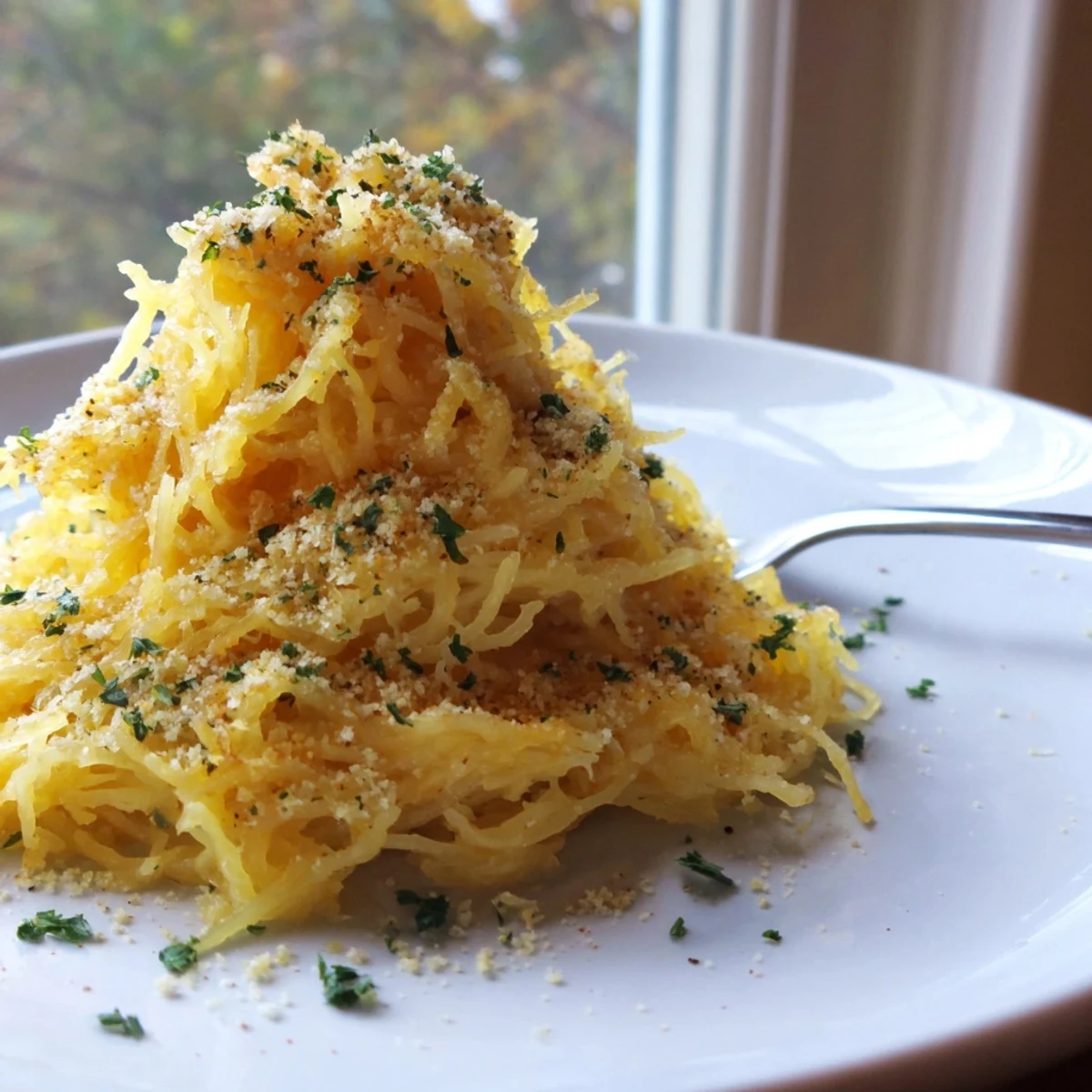
 There is something quietly magical about pulling those golden strands from the squash for the first time and realizing nature basically made a pasta substitute for you.
Getting the Best Strands Every Time
The trick is stopping the roast at exactly the right moment. I press the outside of the squash with my oven-mitted thumb, and if it yields with just a little resistance, it is done. Overcooked squash collapses into a wet mess, and undercooked squash fights your fork stubbornly. That gentle middle ground is where the magic lives.
Mixing in Extras
This recipe plays well with others if you want to bulk it up. Shredded rotisserie chicken or a handful of drained chickpeas stirred in at the combining stage turns it into a full meal with almost no extra effort. A pinch of smoked paprika in the cheese sauce adds a campfire warmth that feels right in colder months. I have even folded in leftover caramelized onions and regretted nothing.
Pairings and Serving Thoughts
Serve this alongside something bright and crunchy to balance the richness. A simple green salad with a sharp vinaigrette does the job beautifully, and a cold glass of Chardonnay would not be the worst idea you have ever had.
- Let the finished dish rest for 3 to 5 minutes before serving so the sauce settles into the strands.
- Leftovers reheat well in the oven but get watery in the microwave.
- Always taste the cheese sauce before combining, because that is your last chance to adjust salt or mustard.
 Pin it
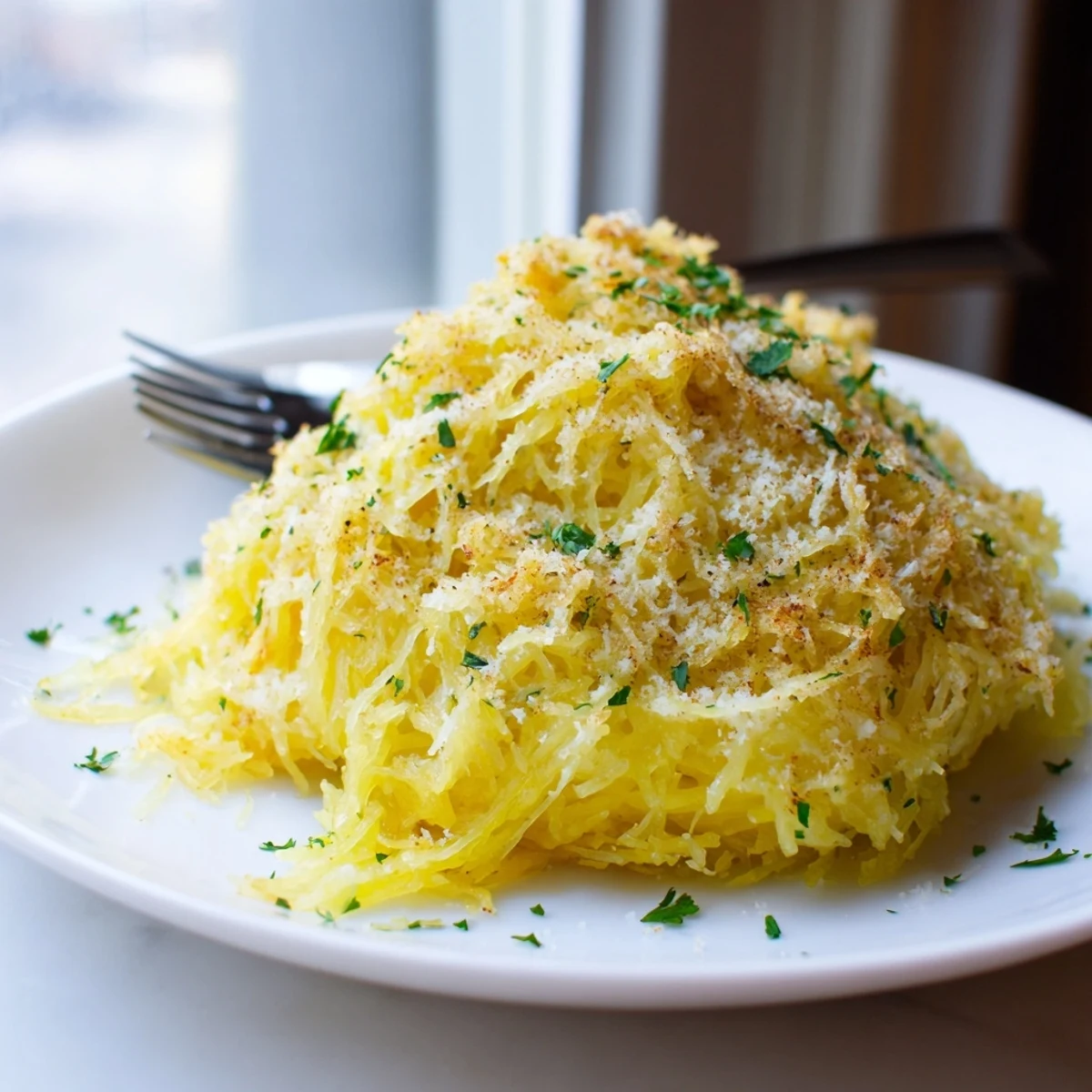
 This dish proves that comfort food does not need a pile of noodles to feel like a warm hug on a plate. Make it once and you will find yourself buying spaghetti squash on purpose from then on.
Recipe FAQs
- → How do I know when the spaghetti squash is properly roasted?
-
The squash is ready when the flesh feels tender when pierced with a fork and easily shreds into strands. This typically takes 35–40 minutes at 400°F. If the strands feel crunchy or resist shredding, return to the oven for 5–10 minute increments until perfectly tender.
- → Can I make this dish ahead of time?
-
Absolutely. Roast the squash and prepare the cheese sauce up to 2 days in advance. Store separately in the refrigerator. When ready to serve, gently reheat the sauce on low heat, toss with the squash strands, and bake with topping if desired. The dish may need a splash of milk when reheating to restore creaminess.
- → What cheeses work best in this dish?
-
Sharp cheddar provides the classic tangy flavor and smooth melt. Gruyère adds nutty depth and excellent melting properties. Other delicious options include fonteggio for creaminess, smoked Gouda for a smoky twist, or aged provolone for sharpness. Avoid pre-shredded cheese which contains anti-caking agents that can make sauce grainy.
- → Is this suitable for low-carb or keto diets?
-
This version naturally reduces carbohydrates significantly compared to traditional pasta-based dishes. For strict keto compliance, use full-fat milk, increase the cheese ratio, and omit the breadcrumb topping. Each serving contains approximately 13g protein and 26g carbohydrates, making it suitable for many low-carb eating plans when portion sizes are considered.
- → Can I freeze leftover portions?
-
Yes, this freezes well for up to 3 months. Portion into airtight containers, leaving some space for expansion. Thaw overnight in the refrigerator before reheating. The sauce may separate slightly when frozen—simply stir in a tablespoon of milk while reheating on low heat to restore the creamy texture. Breadcrumb topping is best added fresh rather than frozen.
- → What vegetables or proteins can I add?
-
Fold in sautéed spinach, steamed broccoli florets, or roasted cauliflower for extra vegetables. For protein, shredded rotisserie chicken, cooked chickpeas, or crumbled bacon work beautifully. These additions should be stirred in after combining the squash with cheese sauce, then baked briefly to heat through.