
 Pin it
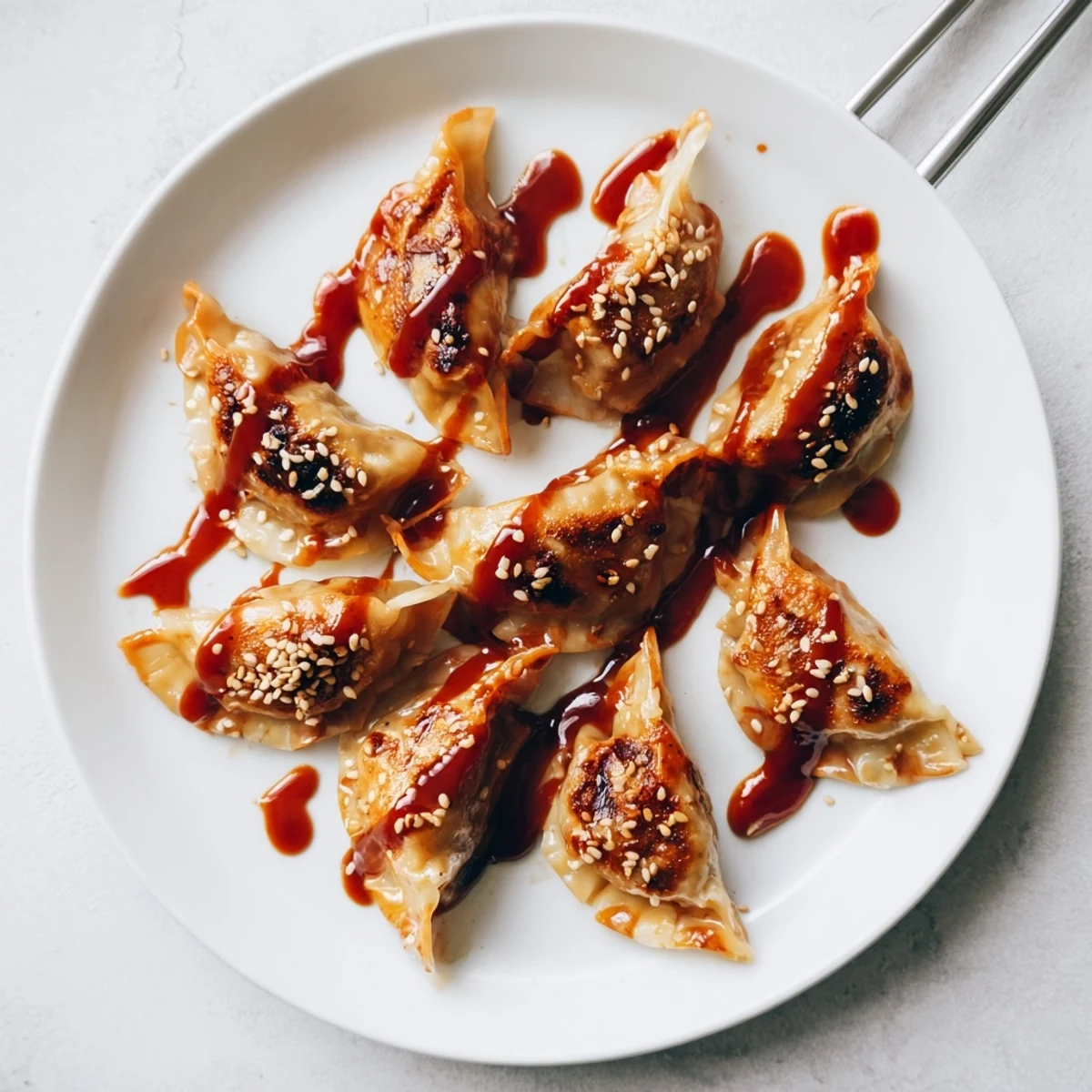
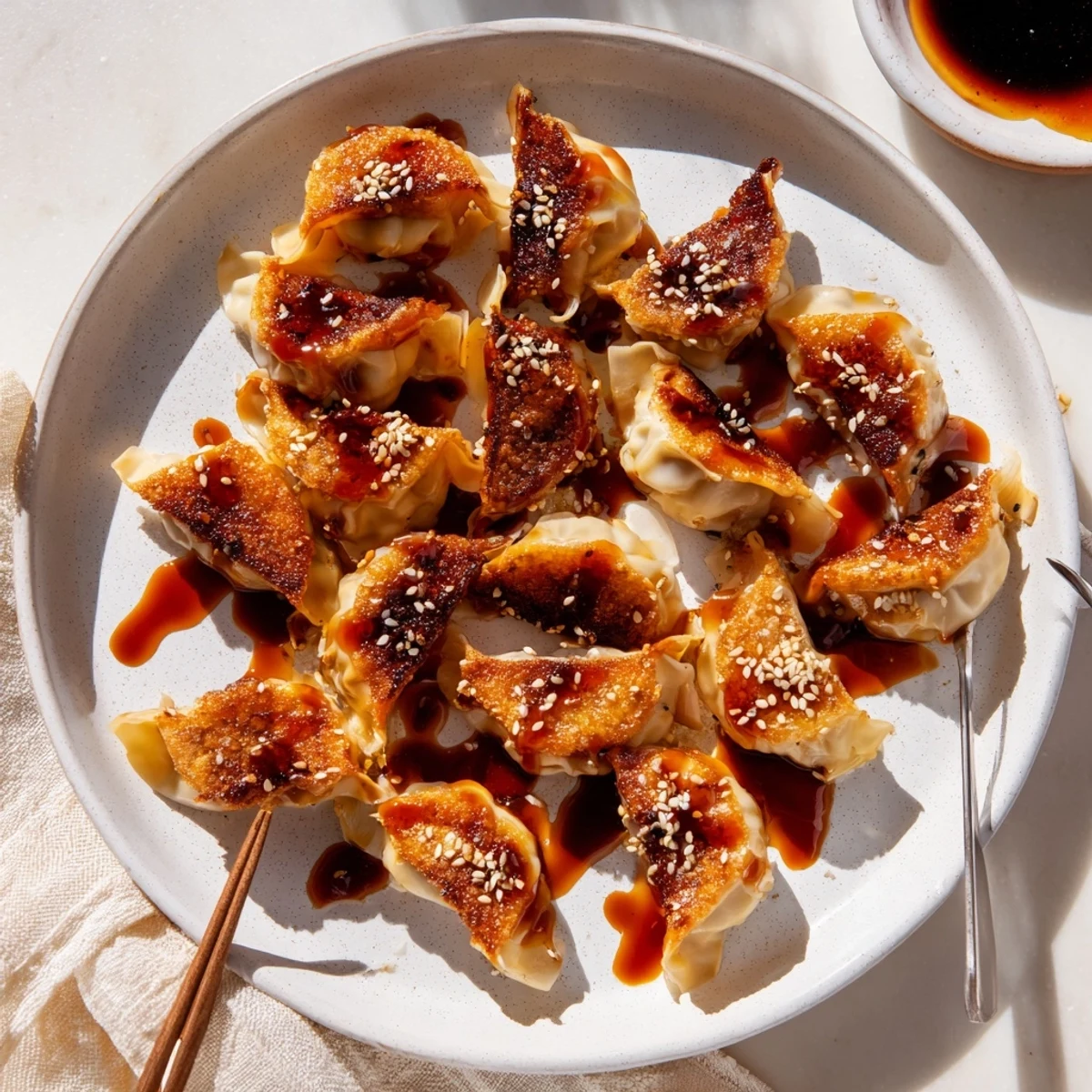
 These savory beef mandu combine juicy ground beef with napa cabbage, onions, and aromatics for a flavorful filling. Pan-fried until perfectly crispy with tender steamed centers, each dumpling gets brushed with a homemade gochujang glaze balancing sweet honey and spicy Korean red pepper paste.
The dual cooking method creates golden crunchy bottoms while keeping the wrappers soft and pillowy. Serve with kimchi or pickled radish for an authentic Korean meal experience that's perfect for sharing.
The sizzle of mandu hitting a hot skillet is one of those sounds that instantly pulls everyone into the kitchen. My friend Soojin taught me this method on a rainy Sunday when the fridge was nearly empty and we needed comfort food fast. That glaze, sticky and sweet with a slow building heat, changed everything I thought I knew about dumpling sauce.
Soojin stood at my counter folding dumplings faster than I could count, laughing at my clumsy pleats while recounting stories of her grandmother in Busan. She never measured anything, casually tossing ginger and sesame oil into the bowl with the confidence of someone who had done it a thousand times. I scribbled down what I could and have been tweaking this recipe ever since.
Ingredients
- Ground beef (300 g): The fatty richness carries the soy and sesame beautifully, so avoid extra lean.
- Napa cabbage (1 cup, finely chopped): Adds moisture and a gentle crunch that keeps the filling from becoming dense.
- Onion (1/2 cup, finely chopped): A subtle sweetness that rounds out the savory depth of the beef.
- Green onions (2, thinly sliced): Fresh bite and color, folded in raw so they stay bright.
- Garlic (2 cloves, minced): Essential aromatics, and honestly you could sneak in a third clove without anyone complaining.
- Ginger (1 tbsp, grated): Fresh ginger is nonnegotiable here, it lifts the entire filling.
- Soy sauce (1 tbsp for filling): Salty umami backbone that ties the filling together.
- Toasted sesame oil (1 tbsp for filling): That nutty fragrance is what makes this taste authentically Korean.
- Mirin (1 tbsp, optional): A touch of sweetness that balances the soy, though the recipe works without it.
- Sugar (1 tsp): Just enough to round the edges off the salty and savory notes.
- Black pepper (1/4 tsp): A quiet warmth in the background.
- Egg (1): Binds everything so the filling stays cohesive inside the wrapper.
- Round dumpling wrappers (30): Store bought wrappers save hours and work perfectly, just keep them covered with a damp towel.
- Gochujang (2 tbsp for glaze): The soul of the glaze, sweet and fermented and deeply savory.
- Honey (2 tbsp for glaze): Balances the heat and helps the glaze cling to every dumpling.
- Soy sauce (1.5 tbsp for glaze): Adds salty depth to the sweet and spicy base.
- Rice vinegar (1 tbsp for glaze): A bright tang that keeps the glaze from being too heavy.
- Sesame oil (1 tbsp for glaze): Rounds out the glaze with its toasty warmth.
- Garlic (1 tsp minced for glaze): Raw garlic in the glaze gives it a pungent little kick.
- Toasted sesame seeds (1 tsp): Mostly for garnish but also a lovely crunch.
- Vegetable oil (2 to 3 tbsp): Neutral oil for getting that golden crust.
Instructions
- Mix the filling:
- Combine the beef, cabbage, onion, green onions, garlic, ginger, soy sauce, sesame oil, mirin, sugar, pepper, and egg in a large bowl. Mix with your hands until everything is evenly distributed but do not overwork it or the filling gets tough.
- Fold the mandu:
- Lay a wrapper in your palm and spoon a rounded teaspoon of filling into the center. Dip your finger in water and run it around the edge, then fold into a half moon and pinch firmly, pleating one side if you are feeling fancy.
- Make the glaze:
- Stir together the gochujang, honey, soy sauce, rice vinegar, sesame oil, and garlic in a small saucepan over low heat. Simmer for 2 to 3 minutes until it thickens slightly and turns glossy, then set aside.
- Pan fry and steam:
- Heat vegetable oil in a large nonstick skillet over medium high heat and arrange mandu in a single flat layer. Cook undisturbed for 2 to 3 minutes until the bottoms are deeply golden, then pour in a quarter cup of water and clap the lid on fast.
- Finish crisp:
- Let them steam for 3 to 4 minutes until the wrappers look translucent on top. Remove the lid and let the remaining water cook off so the bottoms regain their crunch, about 1 to 2 minutes more.
- Glaze and serve:
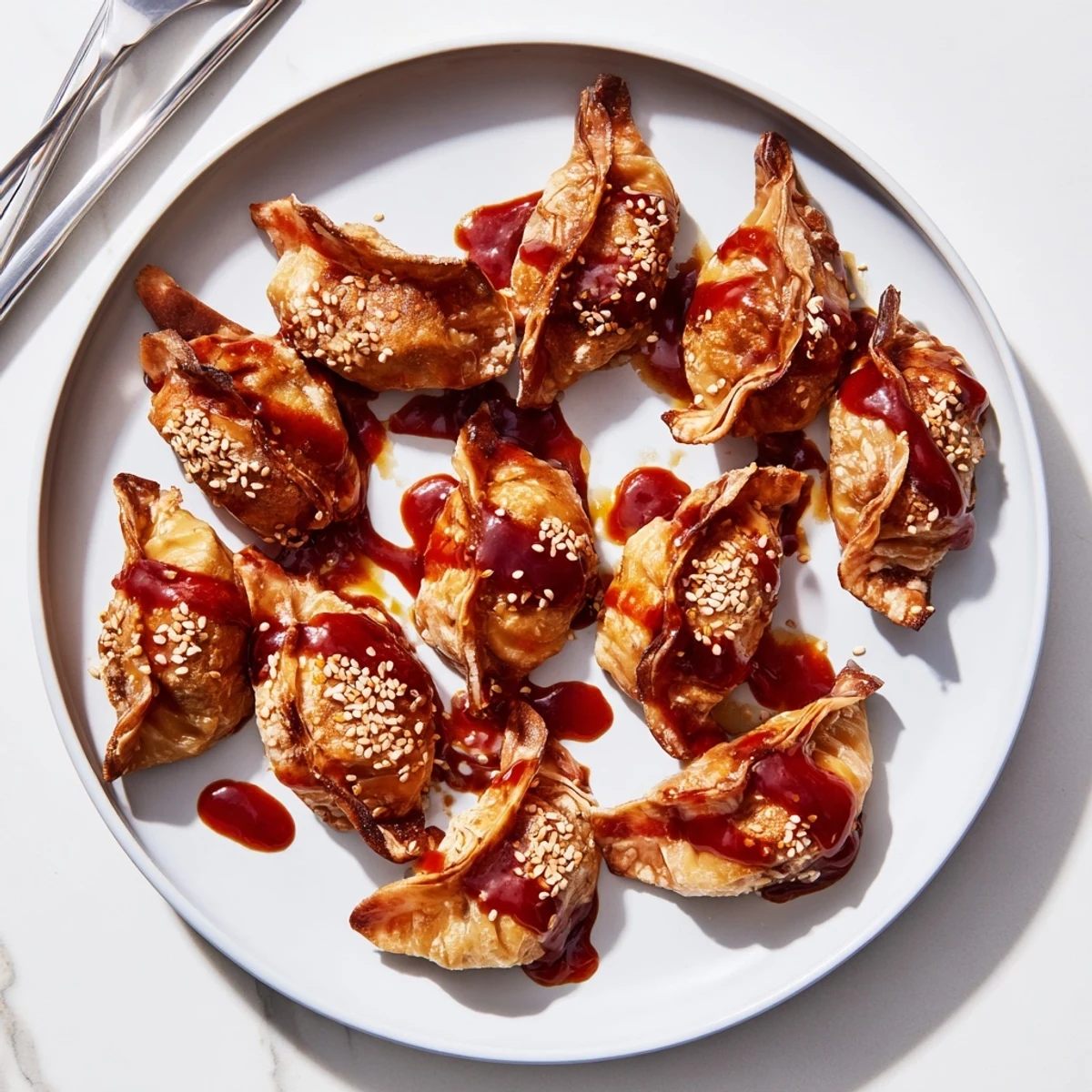
- Transfer the mandu to a plate and drizzle or brush generously with the warm gochujang glaze. Sprinkle sesame seeds over the top and serve immediately while the bottoms are still crackling.
 Pin it
 There is something deeply satisfying about a plate of handmade mandu that no store bought version can replicate. Maybe it is the slightly uneven shapes, or the way each one holds a different ratio of filling to wrapper, or maybe it is just knowing your own hands made it happen.
What to Serve Alongside
Crispy pickled radish and cold kimchi are the classic companions and honestly they belong on the same plate. The acidity cuts through the richness of the beef and the sweet glaze in a way that keeps you reaching for another dumpling. A simple bowl of miso soup or a light cucumber salad also works beautifully if you want something gentler.
Freezing for Later
Arrange uncooked mandu in a single layer on a parchment lined tray and freeze until solid, then transfer to a bag. Cook them straight from frozen using the same pan fry and steam method, just add an extra minute or two to the steaming time. This is the closest thing to having a secret stash of restaurant quality dumplings hiding in your freezer.
Getting the Fold Right
Pleating dumplings takes practice and my first batch looked like sad little envelopes, but they still tasted incredible so do not stress about perfection. The most important thing is sealing the edges completely so the filling does not leak during cooking. Press firmly and give each one a gentle squeeze to confirm it is shut.
- A small spoon or butter knife helps press out air bubbles before sealing.
- If a wrapper tears, patch it with a small piece of another wrapper and a dab of water.
- Remember that ugly dumplings still taste wonderful.
 Pin it
 Every time I make these I think of that rainy afternoon with Soojin, the kitchen fogged with steam and smelling like sesame and garlic. Some recipes become favorites because of the food, and this one did, but it also became a reminder that the best meals are the ones shared with someone who teaches you something new.
Recipe FAQs
- → What makes these dumplings Korean-style?
-
The inclusion of gochujang (Korean red pepper paste), sesame oil, mirin, and traditional aromatics like ginger and garlic creates authentic Korean flavors. The glaze technique is also characteristic of Korean cuisine.
- → Can I make these ahead of time?
-
Yes, assemble the mandu and freeze them uncooked. Place on a baking sheet until firm, then transfer to a freezer bag. Cook directly from frozen, adding 2-3 extra minutes to the cooking time.
- → What's the secret to crispy dumplings?
-
The steam-fry method creates both crispy bottoms and tender tops. Start by frying in hot oil, add water and cover to steam, then uncover to evaporate remaining moisture and crisp the bottoms again.
- → Can I use store-bought wrappers?
-
Absolutely. Look for round dumpling wrappers or gyoza skins in the refrigerated section of Asian markets. Thaw frozen wrappers in the refrigerator before using for easier folding.
- → How spicy is the gochujang glaze?
-
The glaze offers moderate heat balanced by honey's sweetness. For milder flavor, reduce gochujang to 1 tablespoon. For extra spice, add Korean red pepper flakes or a dash of sriracha.
- → What should I serve with mandu?
-
Kimchi, pickled radish, or a simple cucumber salad balance the rich flavors. A light soup like kimchi jjigae or clear broth makes this a complete Korean meal.