
 Pin it
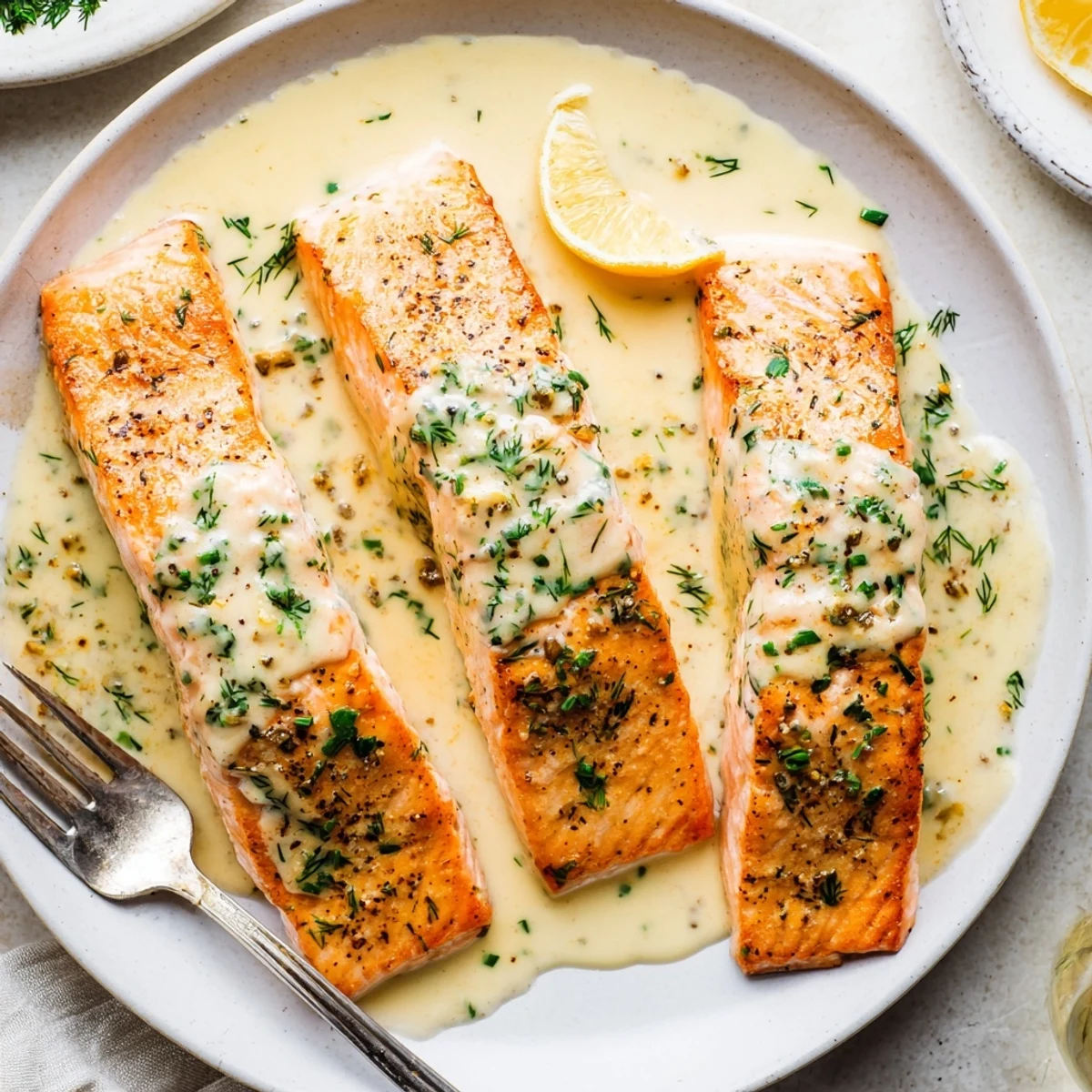
 Pan-sear seasoned salmon fillets until golden and just cooked through, then remove and keep warm. In the same skillet, melt butter and sauté garlic, deglaze with dry white wine or stock, then stir in heavy cream, lemon juice and zest. Simmer until slightly thickened, fold in chopped dill, return the salmon and spoon the sauce over each piece. Serve immediately with steamed vegetables or roasted potatoes; for a lighter finish, use half-and-half or crème fraîche.
The sizzle of salmon hitting a hot pan is one of those sounds that instantly makes a kitchen feel alive, and pairing it with a lemon cream sauce turns an ordinary Tuesday into something worth savoring slowly.
My neighbor Laura once knocked on my door holding a bag of lemons from her tree and asked what I would do with them, and this is the recipe that made her stay for dinner.
Ingredients
- 4 skinless salmon fillets (6 oz each): Bring them to room temperature for about ten minutes before cooking so they sear evenly instead of shocking the pan cold.
- Salt and black pepper: Season both sides generously and let the salt sit on the fish for a few minutes to draw out moisture for a better crust.
- Olive oil: A single tablespoon is all you need since the salmon releases its own rich oils as it cooks.
- Unsalted butter: This forms the silky base of the sauce, and using unsalted lets you control the seasoning precisely.
- Garlic (2 cloves, minced): Finely minced garlic melts into the butter and creates an aromatic foundation that makes the whole kitchen smell incredible.
- Dry white wine or fish stock: The wine deglazes the pan and lifts all those golden bits stuck to the bottom, which is where the deepest flavor lives.
- Heavy cream: This is what transforms a thin pan sauce into something velvety and luxurious that coats the back of a spoon.
- Fresh lemon juice and zest: The juice adds brightness while the zest brings an intense citrus perfume that makes the sauce sing.
- Fresh dill or parsley: Chop it right before adding so the herbs stay vibrant and fragrant rather than bruised and dull.
Instructions
- Season the salmon:
- Pat the fillets thoroughly dry with paper towels and sprinkle both sides with salt and pepper, pressing gently so the seasoning adheres to the flesh.
- Sear to golden perfection:
- Heat olive oil in a large nonstick skillet over medium high heat until it shimmers, then lay the salmon flesh side down and cook for three to four minutes per side until a deep golden crust forms and the fish is just cooked through.
- Rest the fillets:
- Transfer the cooked salmon to a warm plate and cover it loosely with foil so it stays tender while you build the sauce in the same pan.
- Wake up the garlic:
- Reduce the heat to medium, melt the butter in the pan, and stir the minced garlic for about one minute until your kitchen smells impossibly good and the garlic just begins to turn golden.
- Deglaze with wine:
- Pour in the white wine and let it bubble for two to three minutes, scraping up every last browned bit from the bottom of the pan because that is pure concentrated flavor.
- Build the cream sauce:
- Stir in the heavy cream, lemon juice, and lemon zest, then let the sauce simmer gently for three to four minutes until it thickens enough to coat a spoon with a silky sheen.
- Finish with herbs:
- Stir in the chopped dill or parsley and taste the sauce, adjusting with salt and pepper until it makes you close your eyes on the first sample.
- Bring it all together:
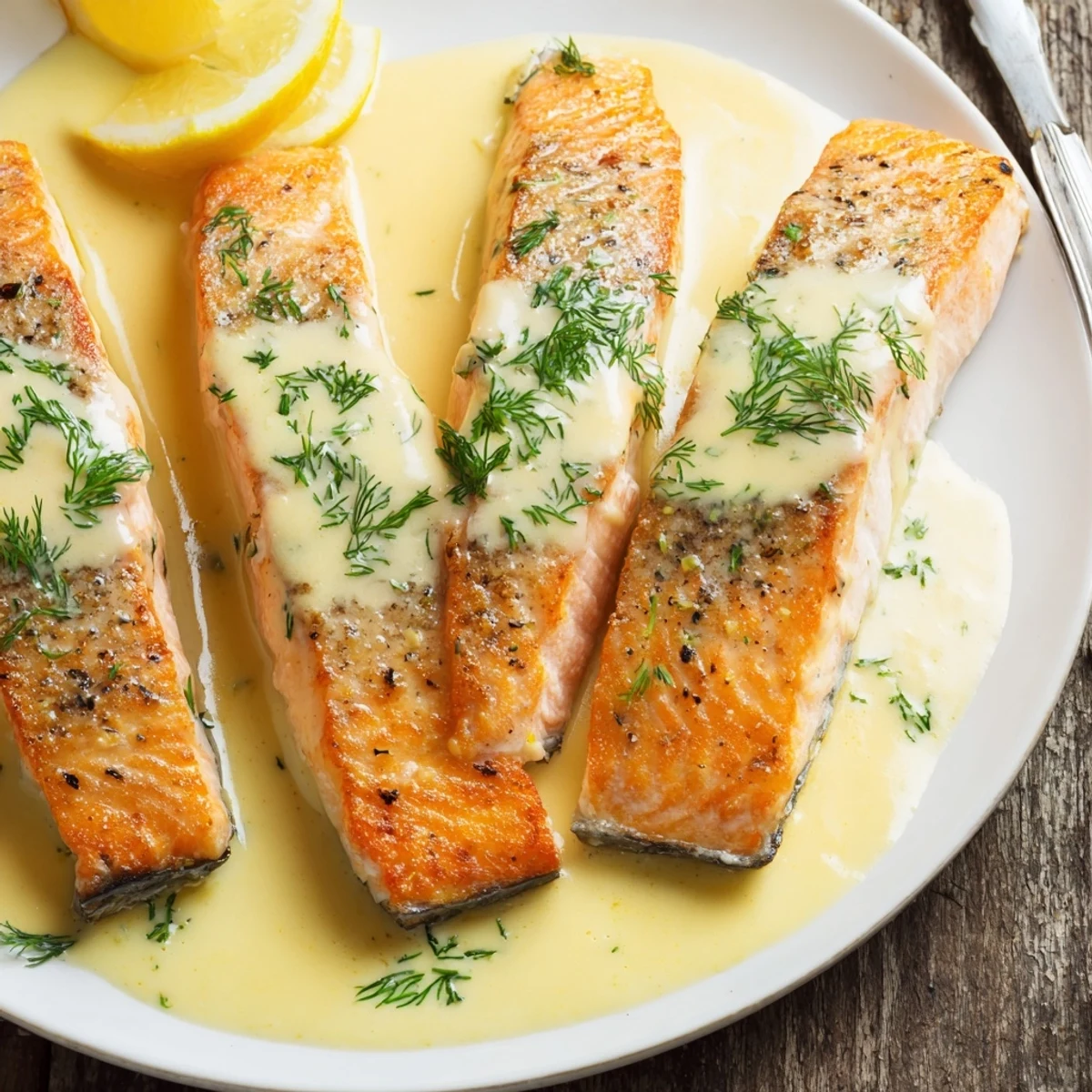
- Return the salmon fillets to the pan and spoon the sauce over each piece, letting them warm through for one to two minutes before serving with extra herbs and lemon wedges.
 Pin it
 The night Laura stayed for dinner we sat at the kitchen counter eating straight from the pan, dunking crusty bread into the extra sauce and talking until the wine bottle was empty.
What to Serve Alongside
Steamed asparagus or roasted baby potatoes are natural companions here because they soak up the lemon cream sauce like sponges and round out the plate without competing with the fish.
Making It Lighter
If you want a sauce that clings a little less heavily, swap the heavy cream for half and half or a generous spoonful of creme fraiche stirred in off the heat for a tangy, lighter finish.
Tools and Pantry Notes
A large nonstick skillet is honestly the most important tool here because it gives you a beautiful sear without the salmon sticking and tearing apart when you try to flip it.
- A microplane zester makes quick work of the lemon and delivers fine, fragrant zest without any bitter pith.
- Keep a spatula and a wooden spoon ready because you will need both for the fish and the sauce.
- Always taste the sauce before serving because lemons vary wildly in acidity and yours may need a pinch more salt than mine did.
 Pin it
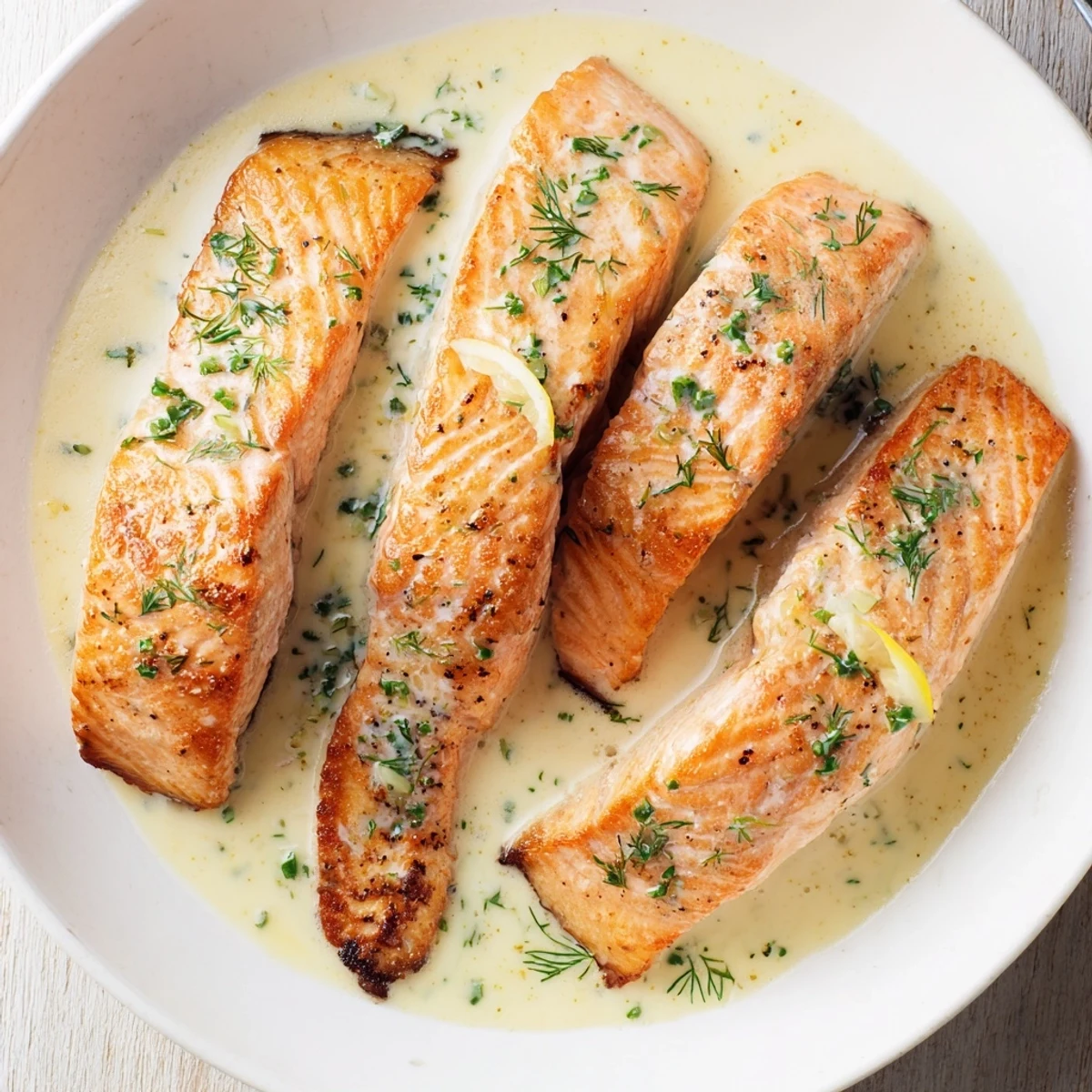
 This is the kind of recipe that reminds you how little effort it really takes to turn good ingredients into something beautiful. Make it once and it will live in your back pocket forever.
Recipe FAQs
- → How long should I cook the salmon fillets?
-
Cook 6 oz fillets about 3–4 minutes per side over medium-high heat, until the exterior is golden and the flesh is opaque and flakes easily. Thicker pieces may need an extra minute; aim for an internal temperature around 125–130°F for medium doneness.
- → Can I use skin-on salmon instead of skinless?
-
Yes. If using skin-on, sear skin-side down first to render and crisp the skin, then flip briefly on the flesh side. You can remove the skin before serving if preferred, but it helps hold the fillet together while cooking.
- → How do I thicken the lemon cream sauce if it stays thin?
-
Simmer the sauce gently to reduce and concentrate, which will naturally thicken it. For a quicker fix, whisk a small cornstarch slurry (1 tsp cornstarch + 1 tbsp cold water) into the simmering sauce, or finish with a small pat of cold butter for added silkiness.
- → What can I substitute for the white wine?
-
Use low-sodium fish or vegetable stock to keep depth without alcohol, or a splash of dry vermouth. For a non-alcohol option, a light chicken stock or a mix of water and a teaspoon of white wine vinegar works in a pinch.
- → Can the sauce and salmon be made ahead?
-
Yes. Store the salmon and sauce separately in the refrigerator for up to 48 hours. Gently reheat the sauce over low heat, add a splash of stock or cream if needed, and warm the salmon briefly in the pan or under a low oven to avoid overcooking.
- → What side dishes and wines pair well?
-
Serve with steamed greens, roasted potatoes, or rice to soak up the sauce. A crisp Sauvignon Blanc or Pinot Grigio complements the lemon and cream, while a light-bodied Chardonnay adds a richer match.