 Pin it
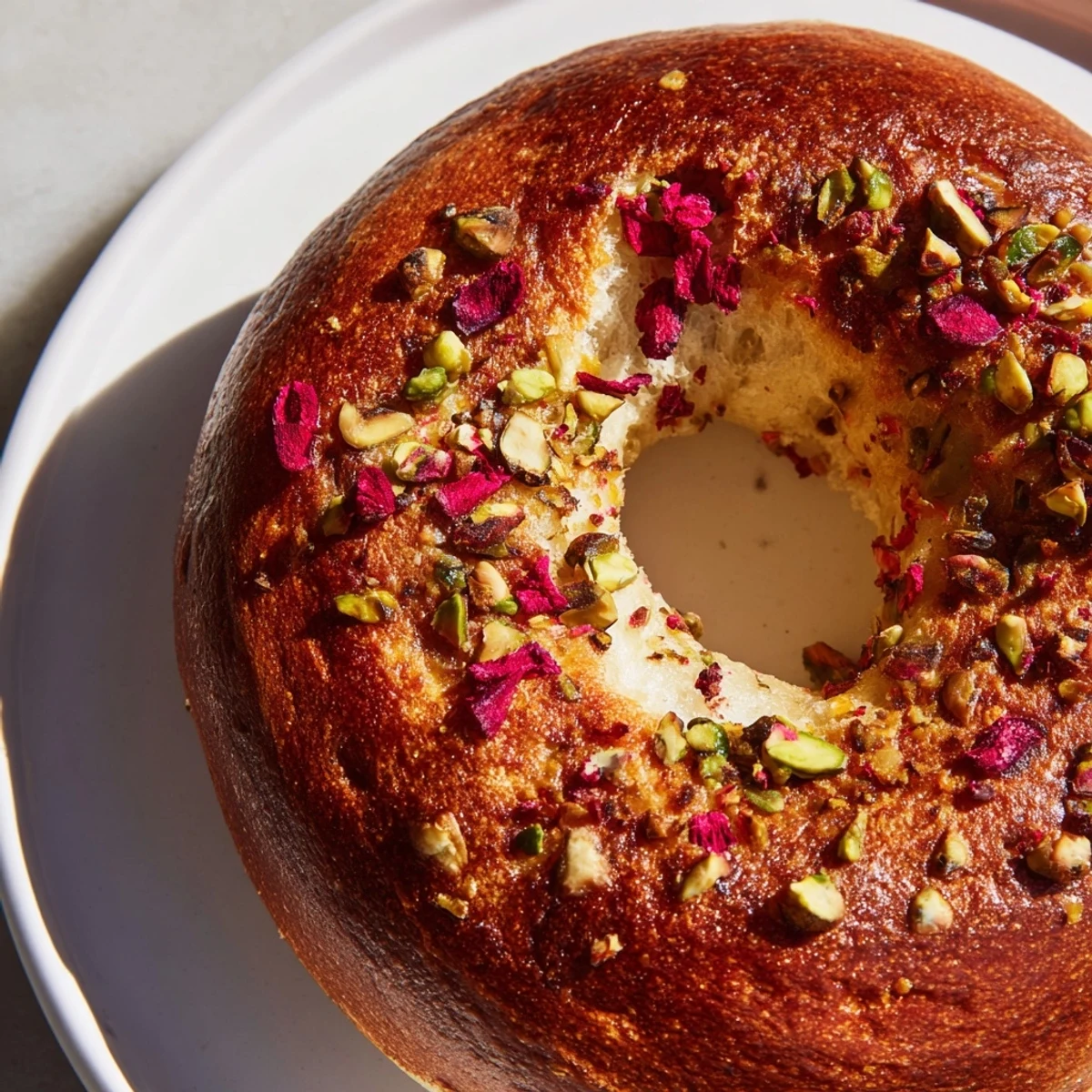
 Create bakery-worthy bagels at home with this unique combination of flavors. The tangy sourdough base develops through an overnight fermentation, resulting in that perfect chewy texture bagel lovers crave. Folded throughout the dough are freeze-dried raspberries adding tart sweetness and roughly chopped pistachios providing satisfying crunch in every bite.
The process involves mixing the dough, letting it ferment overnight, shaping into classic rounds with holes, then briefly poaching in honey-sweetened water before baking to golden perfection. The poaching step is essential—it creates that signature shiny crust and dense, chewy interior that sets real bagels apart from bread.
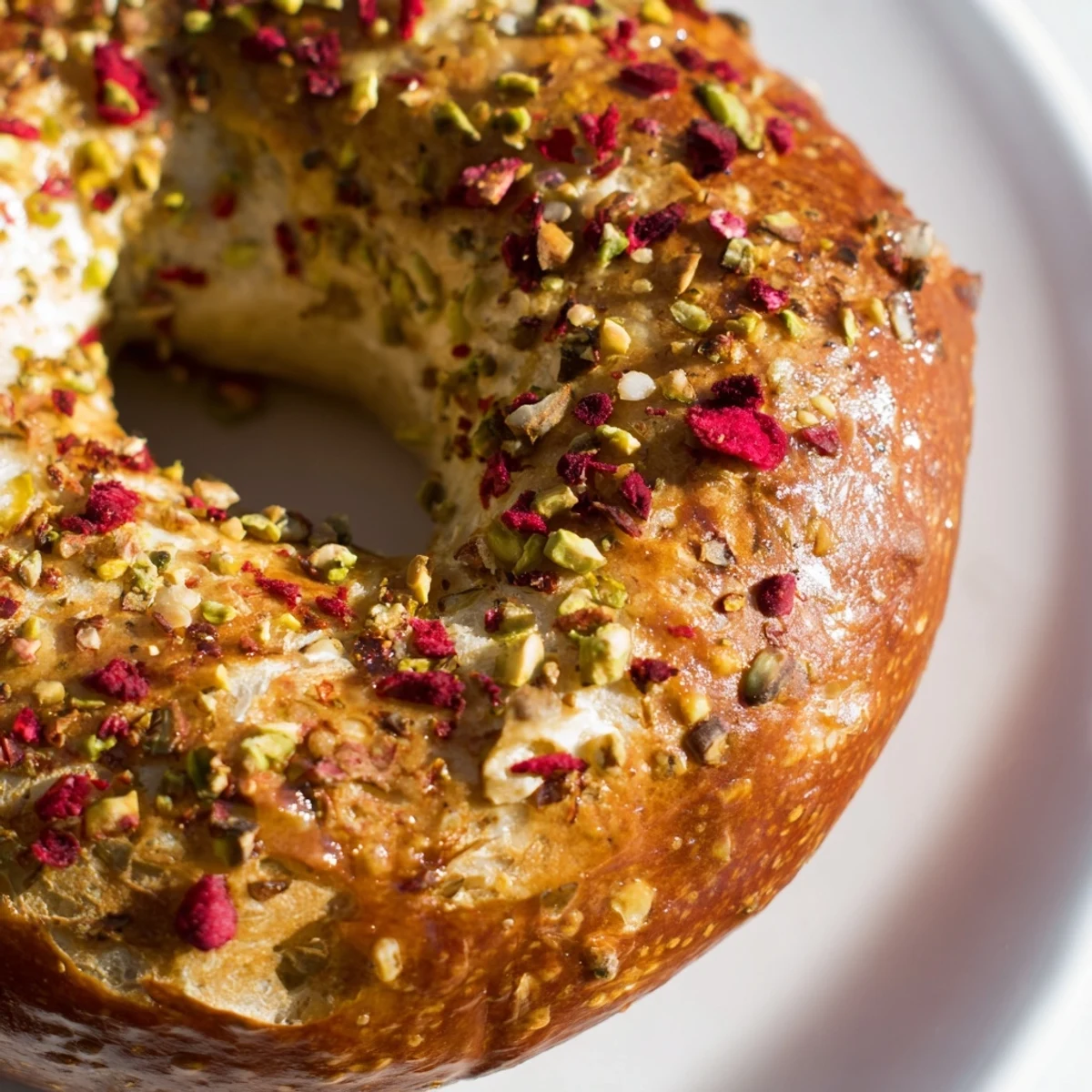
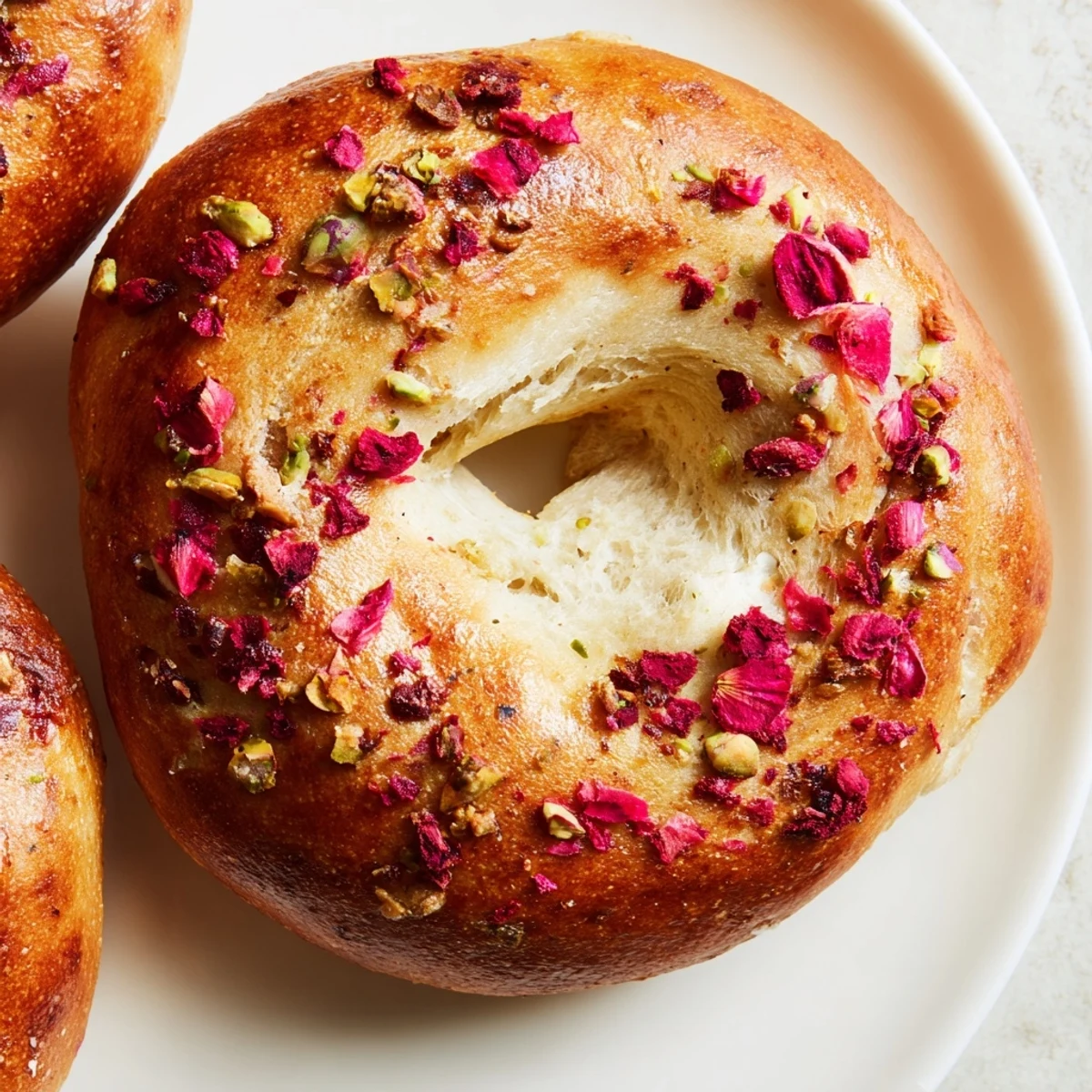
These bake up beautifully pink-flecked and speckled with green nuts, making them visually stunning. Top with extra pistachios and raspberry pieces for even more texture and flavor. Perfect for weekend brunch, meal prep, or freezing for busy weekday mornings.
I stumbled into this combination completely by accident one rainy Sunday when I was determined to use up random pantry items before grocery shopping. The pink speckled dough looked suspicious in the bowl, but something about the tangy starter meeting sweet-tart raspberries felt right. My roommate walked in, raised an eyebrow at the flour-dusted chaos, and asked if I was making playdough. Those first bagels emerged from the oven with this gorgeous rose-gold hue, and we stood over the cooling rack eating them warm, hands burning, completely abandoning our breakfast plans.
Last summer, I brought a batch to a friends lake house brunch, and honestly, they stole the show from the fancy frittata someone spent an hour making. We spent the morning on the dock, slathering them with cream cheese and watching the mist burn off the water. My friends husband, who claims to dislike anything fruity in bread, went back for thirds and quietly asked if I might teach him how to make them. Now whenever I visit, theres a subtle request phrased as a casual question about what Im planning to bake.
Ingredients
- 100 g active sourdough starter: Use a starter thats been fed within the last 8-12 hours for maximum rise and flavor development
- 250 ml warm water: Should feel wrist temperature, about 90-95°F, to activate the starter without killing it
- 500 g bread flour: Higher protein content than all-purpose gives bagels their signature chewy texture and structure
- 30 g granulated sugar: Feeds the fermentation and helps balance the raspberries natural acidity
- 10 g salt: Enhances flavor but dont skip it even with sweet toppings because salt is crucial for proper gluten development
- 1 tbsp honey: Adds subtle floral sweetness and contributes to that beautiful golden crust color in the oven
- 75 g roughly chopped shelled pistachios: Leave them somewhat chunky so you get satisfying nutty bites throughout the crumb
- 100 g freeze-dried raspberries: Break them into smaller pieces so they distribute evenly without creating giant holes in the dough
- 2 L water for poaching: The boiling bath creates the distinctive bagel crust and sets the shape before baking
- 1 tbsp baking soda in poaching liquid: Alkaline water mimics professional bakery conditions creating that shiny chewy exterior
- 30 g chopped pistachios for topping: Press these gently onto the wet bagels right after poaching while theyre still tacky
Instructions
- Wake up your starter:
- Whisk the starter and warm water in a large bowl until the mixture looks like cloudy pancake batter and no starter chunks remain floating on top.
- Build the dough:
- Dump in the flour, sugar, salt, honey, chopped pistachios and broken freeze-dried raspberries then mix with your hands until everything comes together in a shaggy, sticky mass that barely holds its shape.
- Develop the gluten:
- Knead on a lightly floured surface for about 8 minutes, using the heel of your hand to push the dough forward and folding it back over itself, until the dough feels smooth, elastic, and slightly bounces back when you press it.
- Let it work overnight:
- Place in an oiled bowl, cover with plastic wrap or a damp towel, and leave at room temperature for 8-12 hours until its roughly doubled in size and smells pleasantly tangy.
- Shape your bagels:
- Divide the dough into 8 equal pieces, roll each into a smooth ball, poke your thumb through the center, and gently stretch to form a ring about 3 inches across.
- Rest before boiling:
- Arrange on a parchment-lined tray, cover loosely, and let sit for 45-60 minutes until they look slightly puffy and hold an indent when you gently press them.
- Get ready to bake:
- Preheat your oven to 220°C and bring the poaching liquid to a gentle simmer—not a rolling boil—in a large Dutch oven or wide pot.
- Create the crust:
- Carefully drop 2-3 bagels at a time into the simmering water, poach for 45 seconds per side, then lift with a slotted spoon letting excess water drip off before returning to the tray.
- Add the toppings:
- While the bagels are still wet from the poaching liquid, sprinkle with chopped pistachios and extra raspberry pieces pressing gently to help them stick.
- Bake until golden:
- Bake for 20-22 minutes until theyre deeply golden brown all over, then transfer to a wire rack to cool completely before slicing or storing.
 Pin it
 These bagels have become my go-to gift for new neighbors and housewarming presents. Theres something about handing someone a still-warm bagel, slightly blistered from the oven and smelling of toasted nuts and berries, that feels more personal than almost anything else I could bake. Last month I dropped off a dozen for a friend whod just had surgery, and she texted later that her husband had eaten three before she even got out of bed.
Getting the Fermentation Right
Temperature dramatically affects your sourdough fermentation speed. In winter when my kitchen runs around 65°F, I let the dough bulk ferment closer to 12-14 hours. During summer months at 75°F or above, that same dough might overproof in just 6-8 hours, becoming slack and tricky to shape. Learn to read the doughs cues rather than watching the clock—properly fermented dough should feel aerated and jiggly, with visible bubbles on the surface and a distinctly sour aroma.
Shaping Without Frustration
The traditional method of wrapping dough around your thumb works, but I find rolling each piece into a 6-inch rope and pinching the ends together creates more consistent bagels with thinner walls. Whatever technique you choose, make the hole slightly larger than you think necessary because it will shrink considerably during both the final proof and baking. If your shaped bagels look a bit uneven, dont worry—the poaching and baking process miraculously evens out most irregularities.
Storage and Freezing Tips
Fresh bagels are best within 24 hours, but freezing them immediately after cooling preserves that just-baked quality remarkably well. Slice before freezing so you can pop halves directly into the toaster without thawing first. When storing at room temperature, keep them cut-side down on a wooden board rather than in plastic bags, which promotes mold growth and makes the crust unpleasantly soft.
- Wrap individually frozen bagels in plastic wrap then place in a freezer bag for up to 3 months
- Refresh day-old bagels by sprinkling with water and reheating at 350°F for 5-7 minutes
- Never refrigerate fresh bagels—the cold environment accelerates staling up to six times faster than room temperature
 Pin it
 Theres profound satisfaction in turning bubbly fermented dough into something so reliably delicious. Your kitchen will smell incredible, and the first warm bagel, split and spread with whatever you love, makes all that waiting absolutely worthwhile.
Recipe FAQs
- → Can I use fresh raspberries instead of freeze-dried?
-
Fresh raspberries contain more moisture which can affect the dough consistency. If using fresh, reduce the water in the recipe by about 30ml and be prepared to add a bit more flour during kneading. The bagels may also need an extra minute or two in the oven to dry out properly.
- → What can I substitute for pistachios?
-
You can replace pistachios with other nuts like almonds, walnuts, or pecans. For a nut-free version, try sunflower seeds, pumpkin seeds, or omit the nuts entirely. The flavor profile will change slightly but the method remains the same.
- → Why is poaching necessary for bagels?
-
Poaching in boiling water with baking soda and honey is what gives bagels their characteristic shiny crust and dense, chewy texture. The hot water gelatinizes the surface starch, creating that distinctive bagel bite. Skipping this step results in bread that looks like a bagel but tastes like regular bread.
- → How should I store these bagels?
-
Store completely cooled bagels in an airtight container at room temperature for up to 2 days. For longer storage, wrap individually in plastic and freeze for up to 3 months. Thaw at room temperature or briefly toast straight from frozen.
- → Can I skip the overnight fermentation?
-
While you can use instant yeast for faster results, the 8-12 hour sourdough fermentation is essential for the authentic tangy flavor and proper texture. The long fermentation also breaks down gluten, making nutrients more accessible and developing complex flavors that quick methods cannot achieve.
- → Why didn't my bagels get the pink color from raspberries?
-
Freeze-dried raspberries maintain their color better than fresh ones during baking. However, some color bleeding is natural. For more visible pink flecks, avoid overmixing the raspberries into the dough—fold them in gently just until incorporated.