
 Pin it
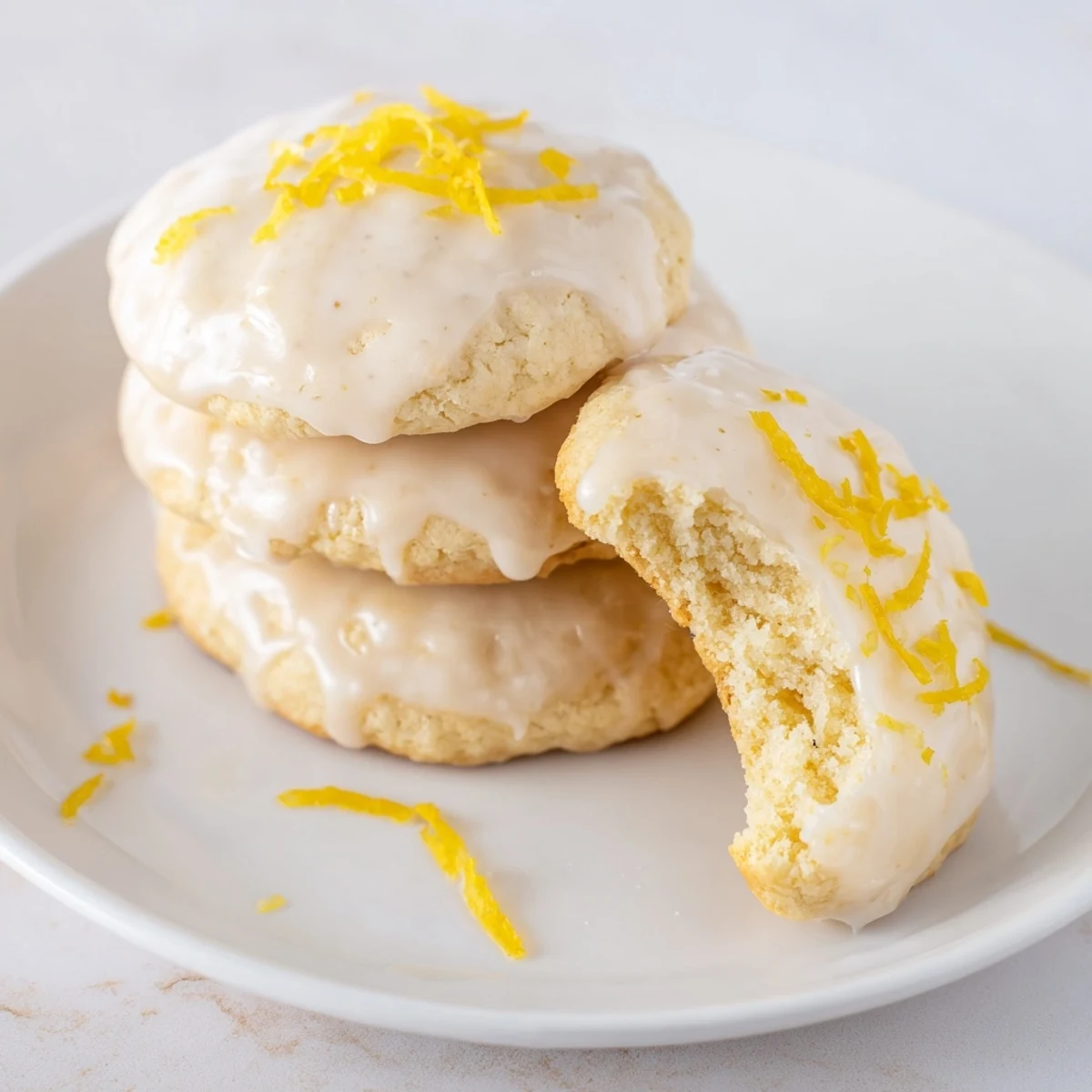
 Bright, buttery lemon cookies combine softened butter and sugar creamed until fluffy, then folded with flour, baking powder, a touch of baking soda and plenty of lemon zest and juice. Scoop tablespoon portions, bake 10–12 minutes until edges are lightly golden, then cool. Whisk powdered sugar with fresh lemon juice to a pourable glaze and drizzle over cooled cookies. Makes 24; prep about 20 minutes, bake about 12 minutes.
There is something about the smell of lemon zest hitting butter that makes a kitchen feel like it has its own heartbeat, and these lemon cookies with lemon glaze are the reason my spring afternoons have never been the same. My neighbor once caught me standing over the oven just breathing in the citrus steam and laughed until she asked for the recipe. That buttery, zesty aroma fills every corner of the house and pulls people toward the kitchen like a magnet.
I baked a double batch of these for a backyard picnic last May and watched three grown adults quietly argue over the last cookie on the plate. The glaze was still slightly tacky and nobody cared. They disappeared faster than anything else on the dessert table.
Ingredients
- 2 1/4 cups (280 g) all-purpose flour: This gives the cookies their tender structure and I have learned not to pack it too firmly or the dough turns heavy.
- 1/2 teaspoon baking powder and 1/4 teaspoon baking soda: Together they give just enough lift without making the cookies cakey.
- 1/4 teaspoon salt: A small amount but it sharpens every bit of lemon flavor in the dough.
- 1 cup (225 g) unsalted butter, softened: Real butter is nonnegotiable here and it should be soft enough to leave a fingerprint but not melting or greasy.
- 1 cup (200 g) granulated sugar: Creamed properly with the butter it creates that light, delicate crumb.
- 1 large egg: Binds everything together and adds richness without weighing the cookie down.
- 2 tablespoons lemon zest (from 2 lemons): The zest carries the most concentrated lemon oil and this is where the real flavor lives.
- 2 tablespoons freshly squeezed lemon juice: Fresh is the only way to go because bottled juice tastes flat and metallic next to real citrus.
- 1 teaspoon pure vanilla extract: Rounds out the sharpness of the lemon and adds warmth in the background.
- 1 cup (120 g) powdered sugar: The base of the glaze and sifted is best to avoid any tiny lumps.
- 2 to 3 tablespoons freshly squeezed lemon juice (for glaze): Add gradually until the glaze drips slowly off a spoon like honey.
- 1 teaspoon lemon zest (optional for glaze): I always add it because those tiny golden flecks make the cookies look as vibrant as they taste.
Instructions
- Prepare your oven and pans:
- Preheat the oven to 350 degrees Fahrenheit and line two baking sheets with parchment paper so nothing sticks and cleanup is effortless.
- Mix the dry ingredients:
- In a medium bowl whisk together the flour, baking powder, baking soda, and salt until evenly distributed.
- Cream butter and sugar:
- Beat the softened butter and granulated sugar in a large bowl until the mixture turns pale and fluffy, about 2 to 3 minutes of patient mixing.
- Add the wet flavors:
- Drop in the egg, lemon zest, lemon juice, and vanilla extract then beat until everything looks smooth and smells incredible.
- Bring the dough together:
- Gradually add the dry ingredients to the wet mixture and stir just until the last streak of flour disappears.
- Scoop and shape:
- Scoop tablespoon sized balls of dough onto the prepared sheets leaving about 2 inches of space between each one so they have room to spread.
- Bake until golden:
- Bake for 10 to 12 minutes until the edges are just lightly golden, then let them rest on the sheets for 5 minutes before moving to a wire rack.
- Whisk the glaze:
- Whisk powdered sugar with lemon juice one tablespoon at a time until the glaze is thick but still pourable, then stir in extra zest if you want more punch.
- Glaze and set:
- Drizzle or spread glaze over completely cooled cookies and give them time to set until the surface is smooth and dry to the touch.
 Pin it
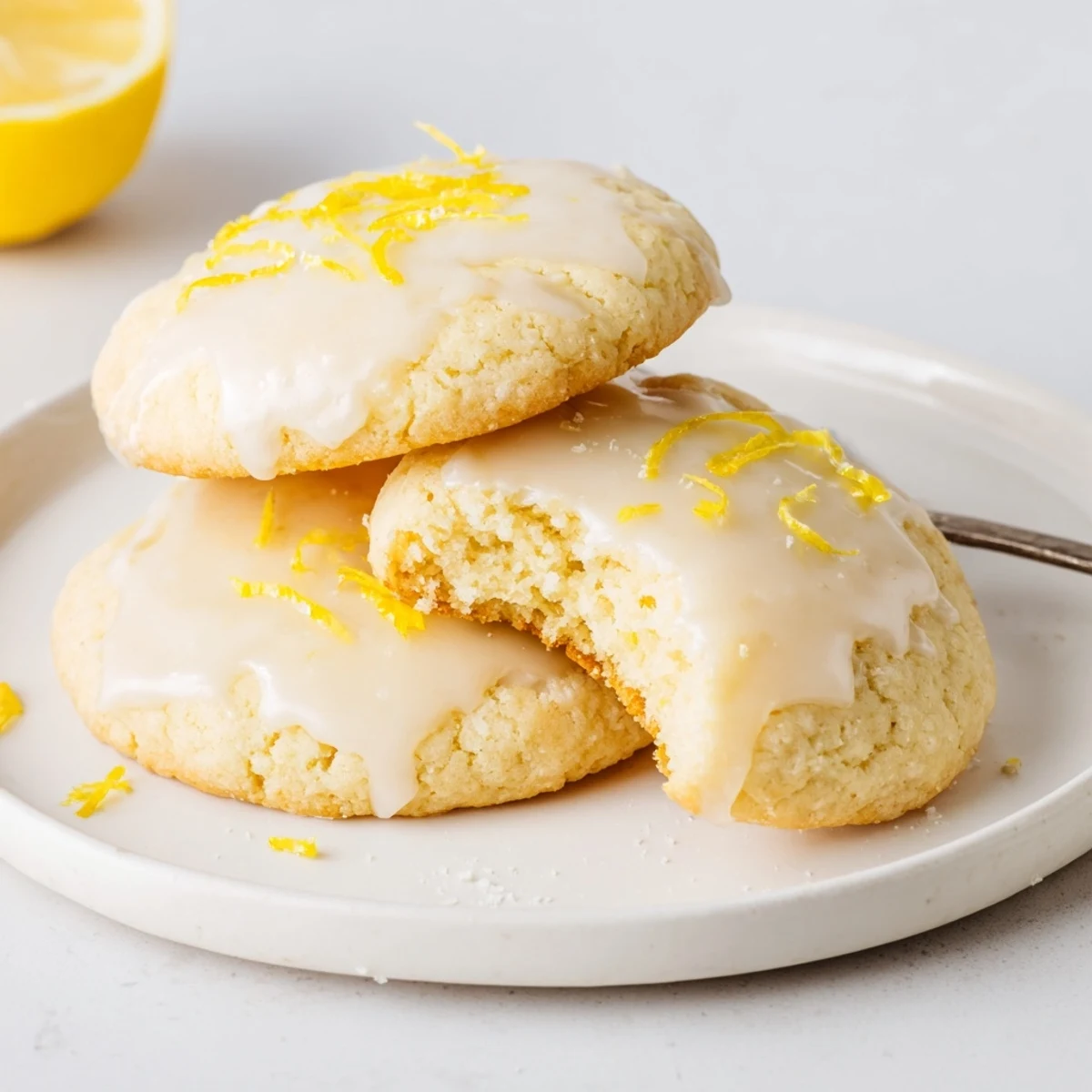
 The afternoon I first got the glaze consistency right, I sat on the kitchen floor with a cookie in each hand and felt like I had cracked a code I had been chasing for months.
Storing Your Lemon Cookies
An airtight container at room temperature keeps these cookies soft and bright for up to five days, though in my house they rarely survive past day two. Layer them between sheets of parchment if you stack them so the glaze does not smear.
Making Them Your Own
Gluten free flour blends work beautifully in this recipe as a one to one swap, and I have also folded in a half cup of white chocolate chips when I wanted something a little more indulgent. A pinch of thyme or rosemary in the dough adds an unexpected herbal note that surprises people in the best way.
Tools That Make It Easier
A hand mixer gets the butter and sugar creamed perfectly but a whisk and some elbow grease will do the job too. Beyond that, parchment paper, a couple of mixing bowls, and a wire cooling rack are really all you need.
- Measure the flour by spooning it into the cup and leveling it off rather than scooping directly.
- Room temperature egg and butter blend more evenly into the dough than cold ones.
- Taste your lemons before zesting because a dull, dry lemon gives flat flavor.
 Pin it
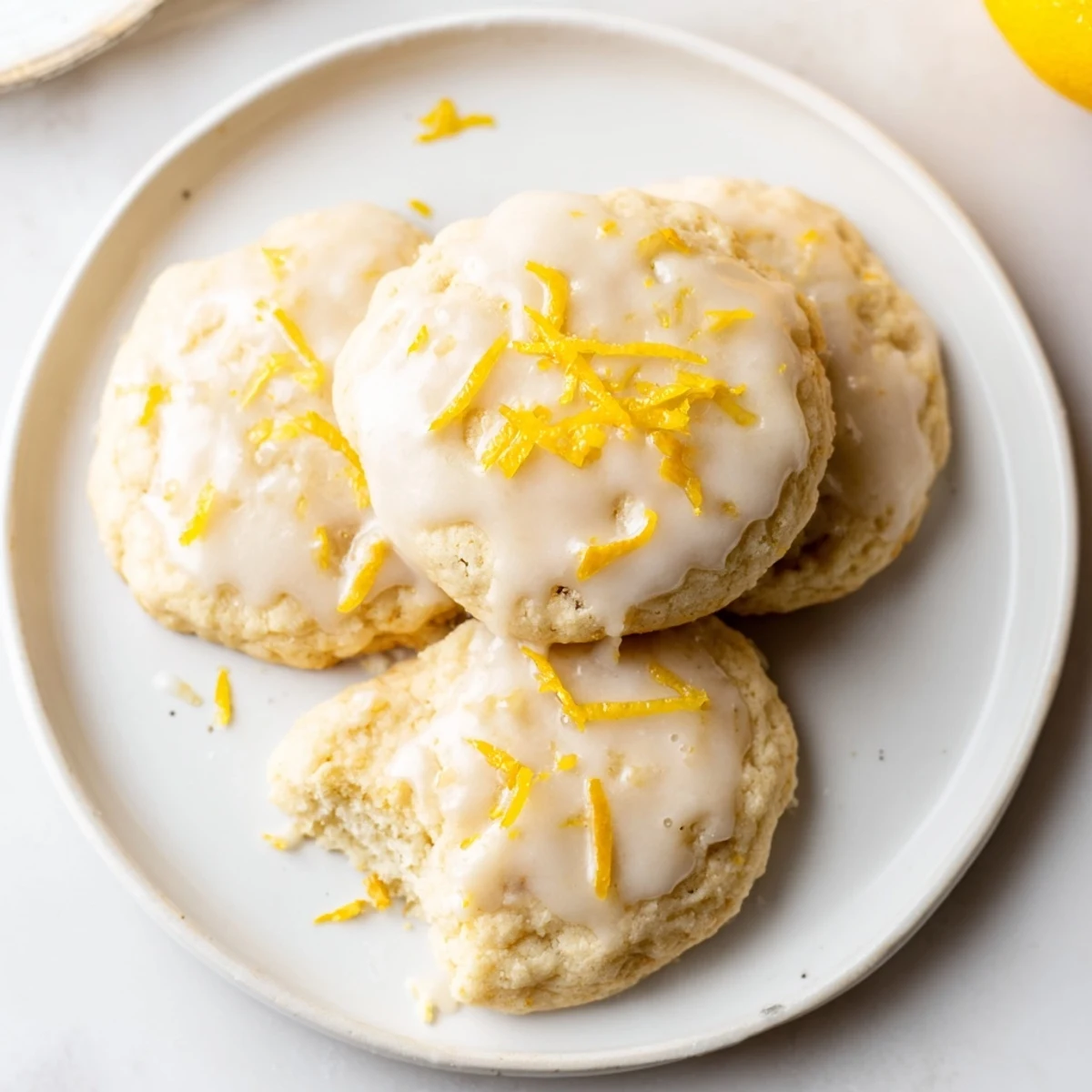
 These lemon cookies are proof that a few humble ingredients can create something that makes people close their eyes and smile on the first bite. Share them generously and keep a few hidden in the back of the container for yourself.
Recipe FAQs
- → How can I make the cookies extra lemony?
-
Increase the lemon zest in the dough and stir a bit more zest into the glaze. Using both zest and fresh juice in the dough boosts aromatic citrus without thinning the batter too much.
- → How do I keep the centers soft while the edges are set?
-
Bake until the edges are lightly golden and the centers still look slightly soft; they firm as they cool. Avoid overmixing and don’t flatten the dough too much before baking.
- → Can I use gluten-free flour instead of all-purpose?
-
Yes—use a cup-for-cup gluten-free flour blend that contains xanthan gum or add a binder if needed. Texture may be slightly different; chilling the dough can help maintain shape.
- → What’s the best way to store these cookies?
-
Store in an airtight container at room temperature for up to five days. Layer cookies with parchment to prevent sticking, and keep glazed cookies cooled completely before sealing.
- → How do I adjust the glaze for dripping or spreading?
-
Add lemon juice a teaspoon at a time to reach a thin, drizzleable consistency; add more powdered sugar to thicken for spreading. Taste as you go to balance sweetness and tang.
- → Can I prepare these ahead or freeze them?
-
You can freeze baked cookies (unglazed) in a single layer then transfer to a bag, or freeze shaped dough balls. Thaw and then glaze before serving for best texture and shine.