 Pin it
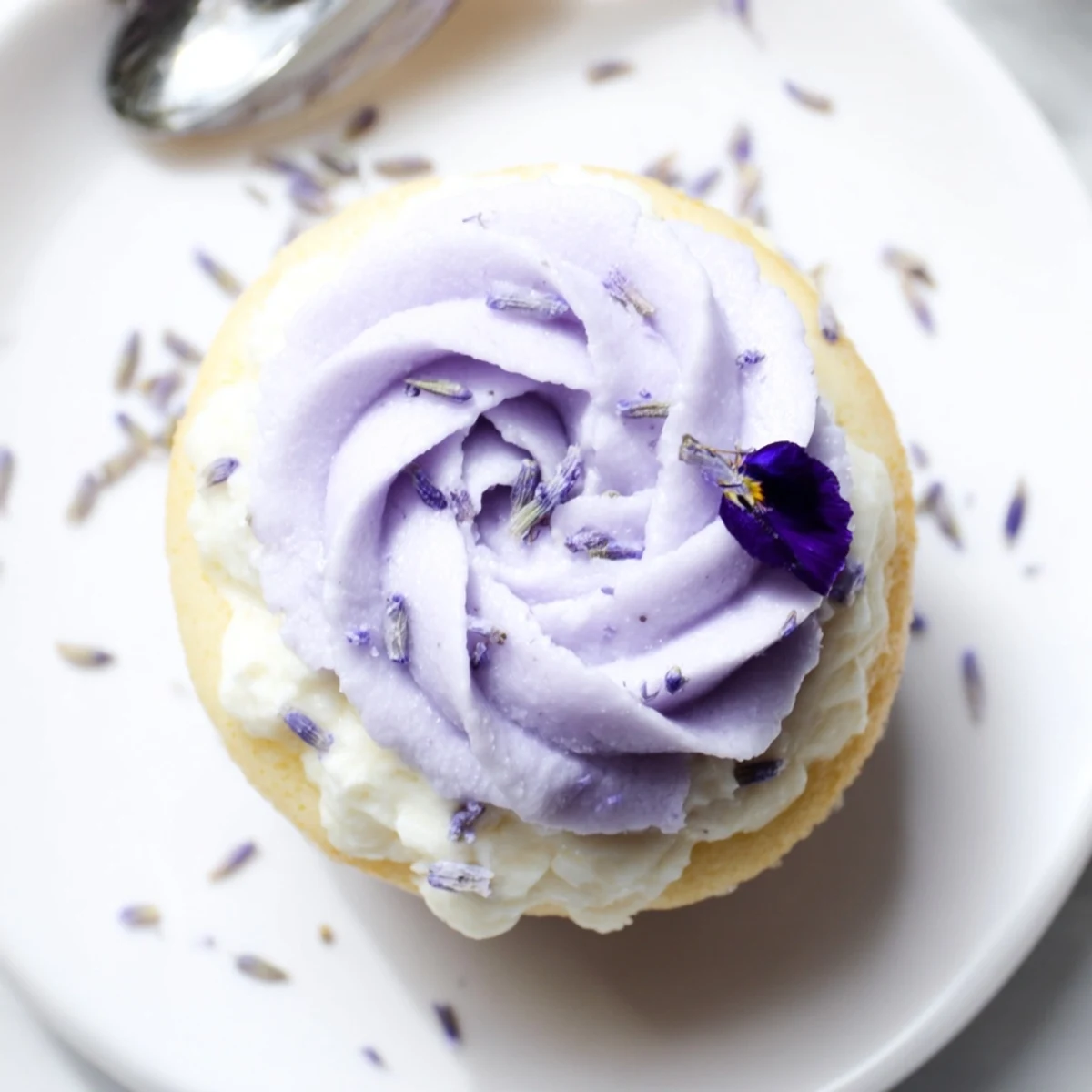
 This floral buttercream combines culinary lavender with softened unsalted butter, sifted powdered sugar, a splash of cream and pure vanilla to create a light, pipeable frosting. Steep dried lavender in boiling water, cool and strain the infusion; beat into butter, add sugar gradually, then whip until pale and fluffy. Tint gently and garnish with edible flowers. Store chilled up to one week and re-whip before using.
The morning had just enough sunlight filtering through the kitchen window when I first experimented with this lavender buttercream. I’ll admit, I was mostly chasing the dreamy scent that wafted out of a local French bakery, hoping to recreate that delicate perfume for a spring birthday. The surprise came not from the lavender itself, but from the way it melted into the creamy butter, lifting a simple cupcake into something quietly elegant. Few frostings have ever made me linger so long at the bowl, just enjoying the aroma swirling with every beat of the mixer.
One rainy afternoon, I set out these lavender-flecked treats for friends dropping by unexpectedly. Someone asked if I’d meant to match the color to the bouquet on the table; honestly, it was a lucky accident, but it started a conversation that lasted far longer than the cupcakes did. Sometimes it’s these quiet moments—friends laughing over a floral-frosted cake—that anchor a recipe in memory.
Ingredients
- Unsalted butter: Using room temperature butter is key for silky texture; don’t rush the softening.
- Powdered sugar: Sifting prevents lumps, which is especially important for a perfectly smooth finish.
- Heavy cream or milk: Just a splash helps transform dense sugar into cloudlike buttercream—you can adjust to your desired creaminess.
- Pure vanilla extract: Even with floral notes, vanilla brings depth and warmth you don’t want to skip.
- Culinary dried lavender buds: Use only culinary-grade lavender—anything else can taste bitter or overpowering, and freshly bought makes for brighter flavor.
- Boiling water: This small infusion step tames the lavender and brings out the aroma without bitterness.
- Purple food coloring (optional): A tiny drop goes a long way for a subtle hue, but skip if you prefer all-natural.
- Edible flowers (optional): They turn an average cake into a showstopper; just double-check they’re safe and pesticide-free.
Instructions
- Infuse the lavender:
- Add dried lavender buds to a small bowl and pour in the boiling water. Let it steep for 10 minutes until the water turns slightly purple and fragrant, then strain and cool.
- Cream the butter:
- Use your mixer to beat the softened butter on medium-high—listen for the swooshing as it fluffs up and turns pale cream, about 3 minutes in.
- Add powdered sugar:
- Sift in the sugar in stages, mixing on low so it doesn’t poof everywhere; it’ll look dry at first but soon smooths out.
- Incorporate liquids:
- Pour in the cooled lavender infusion, vanilla, and cream or milk. Beat on medium-high for another couple of minutes, watching the buttercream become airy and soft, like whipped clouds.
- Color and finish (optional):
- Add a dot of purple food coloring and blend until the color is just right. The lavender shouldn’t shout from the bowl—a light pastel is all you need.
- Decorate:
- Spread or pipe over cooled cupcakes or cakes, then add edible flowers if you like. Wipe your spatula often to keep the decorations crisp and neat.
 Pin it
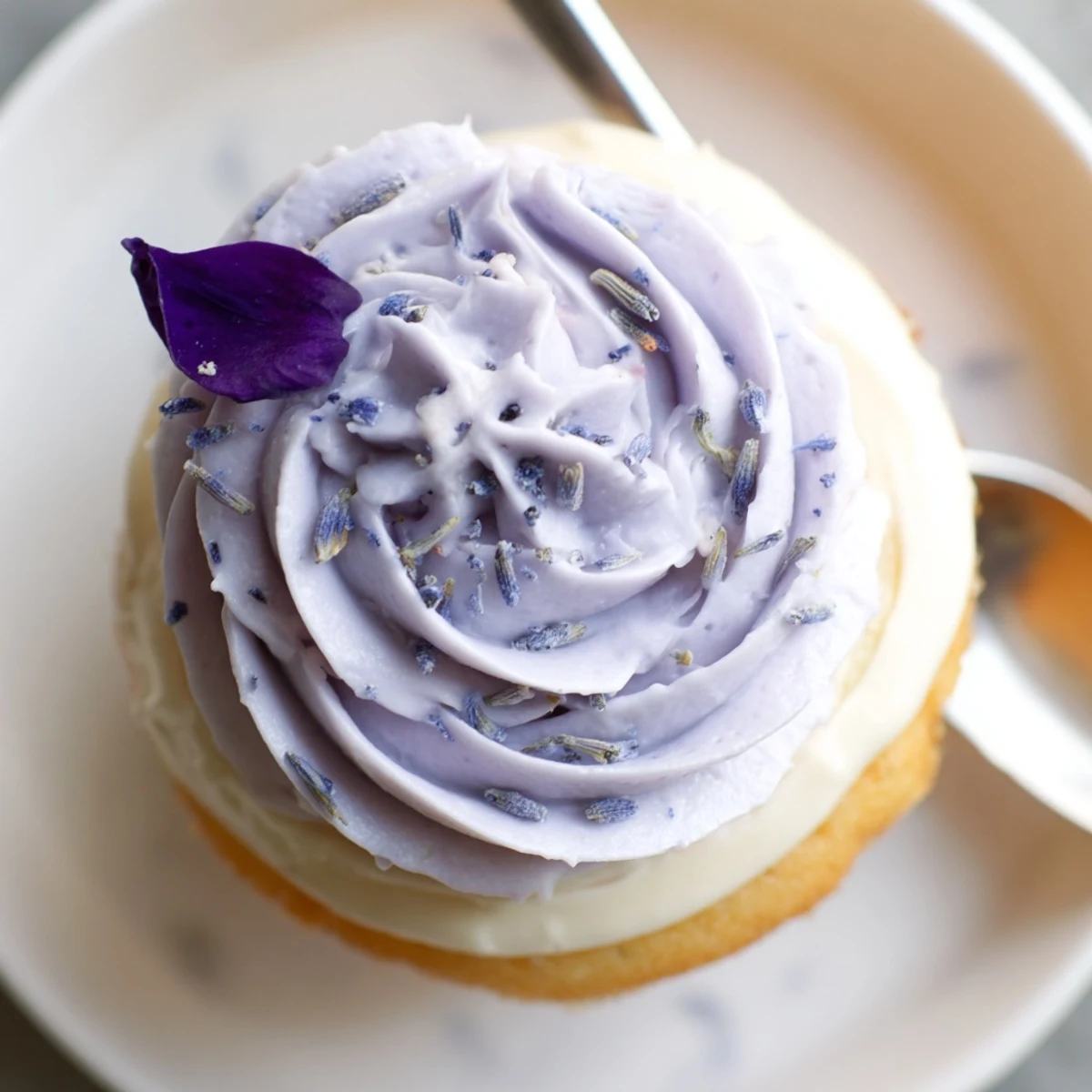
 My favorite use of this buttercream was for my sister’s engagement cake—a lemon sponge with swirls of purple and tiny edible violets that made everyone pause before slicing in. In that moment, the scent of lavender, laughter, and spring sunlight made the kitchen feel like the happiest corner of the world.
Getting the Lavender Just Right
Lavender’s magic is in restraint. I learned that less is truly more—the difference between something delightfully floral and accidentally overwhelming often comes down to a mere half-teaspoon. Taste as you infuse and don’t be afraid to stop steeping early if the aroma is strong enough already.
Decorating Like a Pro (Even If Youre Not One)
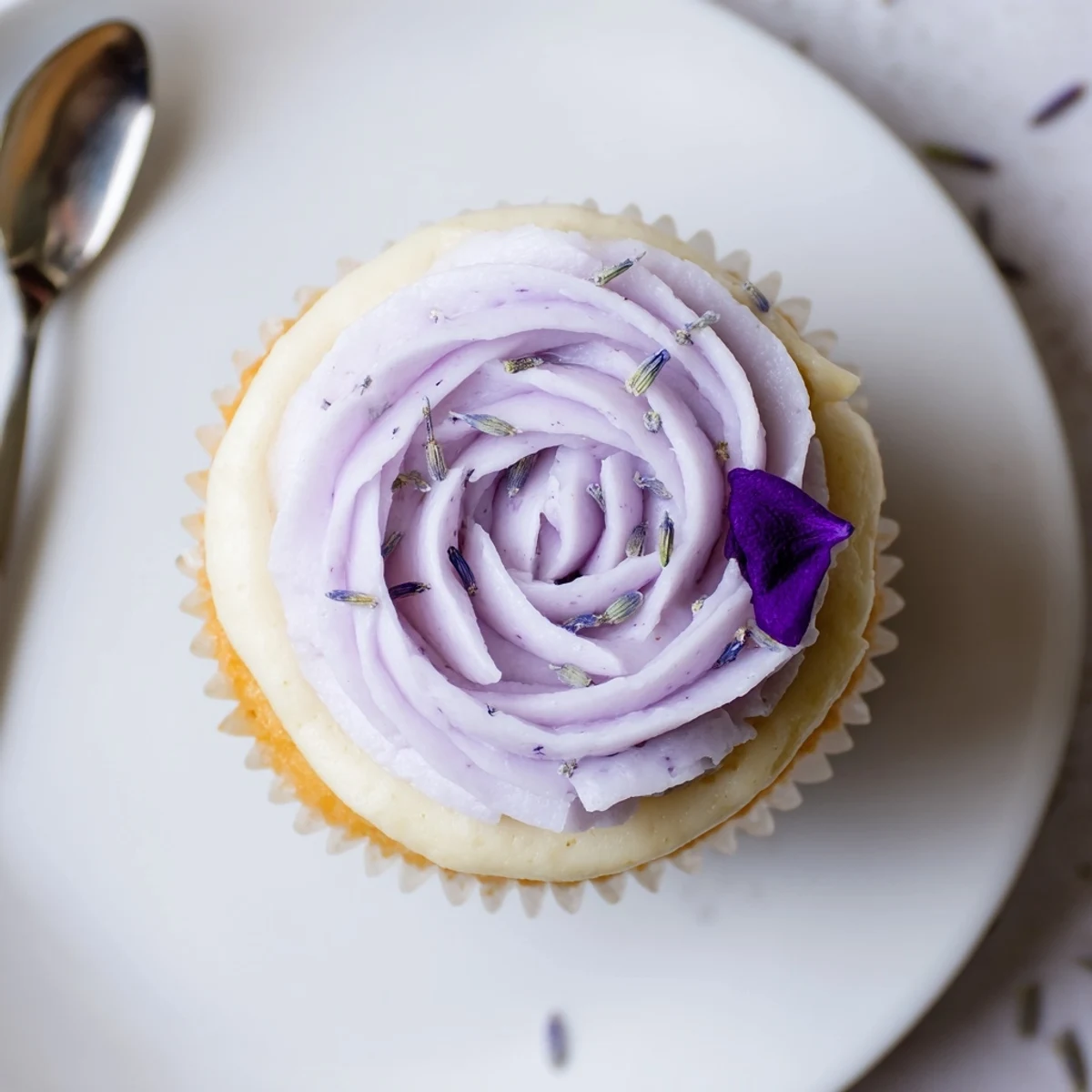
A swirl of this buttercream takes on food coloring beautifully, but the trick is mixing the color in before the final whip so you don’t overwork the frosting. Piping with an open star tip gives elegant ruffles, while a generous swoop with an offset spatula can look just as inviting, especially when crowned with edible petals.
Storage, Pairings, and Serving Suggestions
If you have leftovers, the frosting keeps in the fridge for up to a week, though I recommend re-whipping to bring back its fluffiness. Lemon or vanilla cupcakes are my favorite companions, but this buttercream also dresses up a naked cake or even shortbread cookies for garden parties.
- If you forgot to sift your sugar, press out lumps with the back of a spoon before mixing.
- Never frost a warm cake or you’ll watch your pretty piping slide away.
- A final sprinkle of fresh lavender buds gives a whisper of fragrance—don’t overdo it.
 Pin it
 This lavender buttercream makes every scoop, swipe, or swirl feel like a tiny celebration. Next time you want something special, let the scent of lavender and butter guide you.
Recipe FAQs
- → How long should I steep the lavender?
-
Steep dried culinary lavender in boiling water for about 10 minutes to extract floral notes without bitterness. Taste after steeping; if it seems weak, add a few more buds and steep briefly, but avoid over-steeping to prevent soapy flavors.
- → How do I adjust the lavender intensity?
-
Control intensity by varying the amount of lavender buds or steeping time. For a subtle note use 1–2 teaspoons; for more pronounced flavor, increase buds slightly. Always strain the infusion to remove solids before adding to the buttercream.
- → Can I substitute milk for heavy cream?
-
Yes. Use milk if you prefer a lighter texture; heavy cream yields a richer, silkier buttercream. Add liquid sparingly—start with the recommended 2 tablespoons and adjust to reach a spreadable consistency.
- → How do I fix a too-soft or too-stiff buttercream?
-
For too-soft buttercream, chill briefly and re-whip, or add more sifted powdered sugar a little at a time. For too-stiff, beat in a teaspoon of cream or milk at a time until you reach the desired pliability.
- → What are good pairings for this buttercream?
-
Bright citrus cakes like lemon, classic vanilla cupcakes, or almond sponge balance the floral notes nicely. Use the buttercream as a delicate contrast to denser flavors for elegant desserts.
- → How should I store leftover buttercream?
-
Keep unused buttercream in an airtight container in the refrigerator for up to one week. Bring to room temperature and re-whip before using to restore lightness and spreadability.