 Pin it
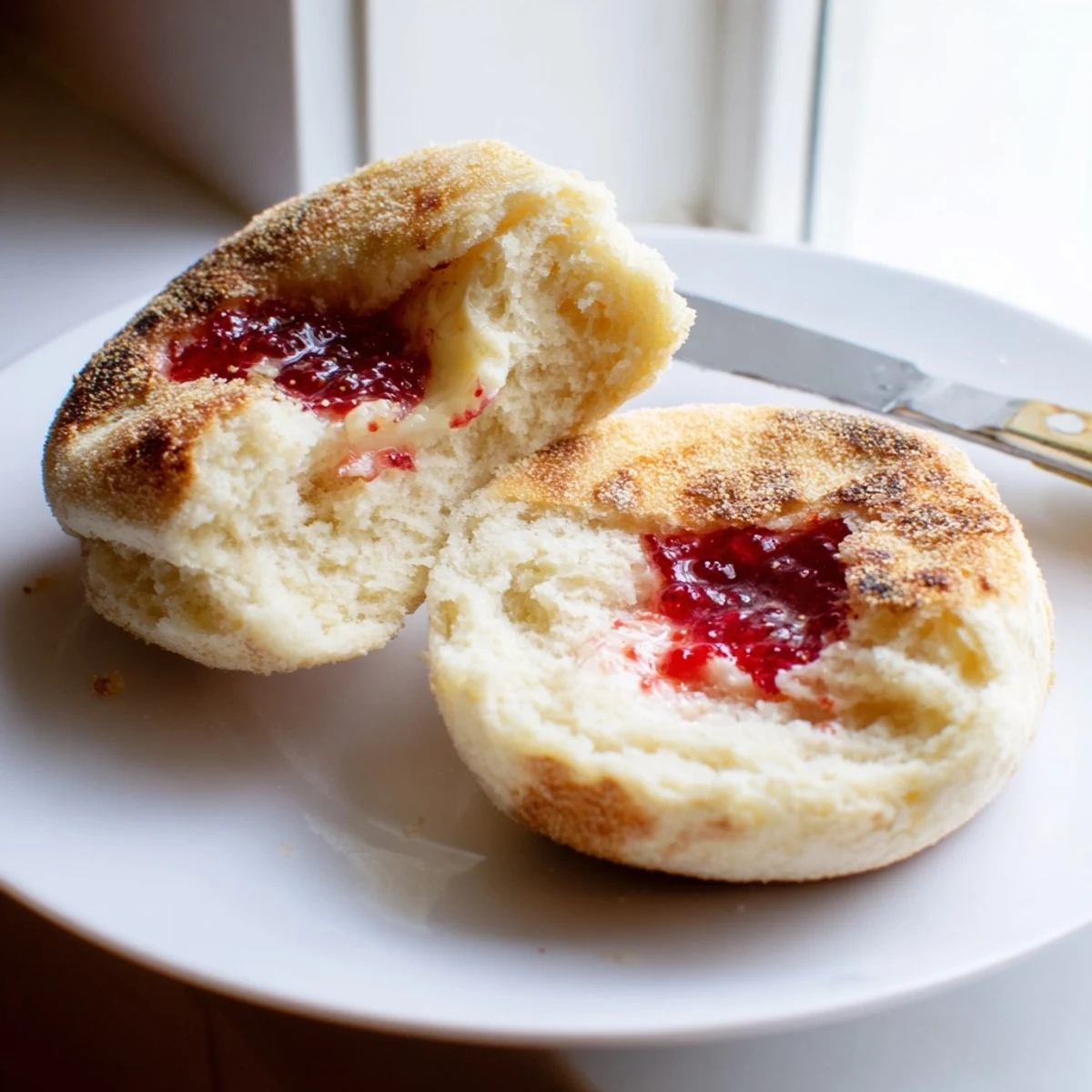
 These classic English muffins deliver the perfect balance of soft interior and golden exterior, with those characteristic nooks and crannies that catch melting butter and jam. The dough requires simple pantry staples and rises beautifully to create eight generous muffins. Cooked on a griddle rather than baked, they develop that signature texture that's ideal for splitting with a fork and toasting. The process is straightforward though does require patience for rising time. Results far exceed store-bought versions and freeze beautifully for breakfast convenience.
It was a rainy Saturday morning when I decided making English muffins from scratch was a perfectly reasonable use of my time. Two hours later, covered in flour and cornmeal, I pulled these golden disks from the griddle and took my first bite. The crunch, the tang, those glorious craters waiting to be filled with melting butter, I was completely ruined for store-bought versions forever. Now rainy weekends just mean homemade muffin weather.
My roommate wandered into the kitchen that morning, skeptical about why anyone would spend hours making something that costs two dollars at the grocery store. That changed when she took a bite of one still steaming from the griddle, slathered with salted butter and strawberry jam. She stood there at the counter, silent, eating an entire muffin before asking if wed be making these every weekend from now on.
Ingredients
- Bread flour: Higher protein content creates that signature chewy texture and structure
- Whole milk: Adds richness and helps tenderize the crumb, though warm water works in a pinch
- Active dry yeast: The magic agent that creates all those beautiful air pockets inside
- Granulated sugar: Feeds the yeast and adds subtle sweetness without making them sweet
- Fine sea salt: Enhances flavor and strengthens the gluten structure
- Unsalted butter melted: Adds tenderness and richness to the dough
- Cornmeal or semolina: Prevents sticking and adds that classic dusty coating on the exterior
Instructions
- Wake up the yeast:
- Dissolve yeast and sugar in lukewarm milk, then wait 5 to 10 minutes until it bubbles to the surface
- Build the dough foundation:
- Combine flour and salt in a large bowl, create a well in the center, then pour in the frothy yeast mixture and melted butter
- Bring it together:
- Mix until shaggy, then turn onto a floured surface and knead 8 to 10 minutes until smooth and bounces back when touched
- Let it rest:
- Place dough in an oiled bowl, cover with a towel, and leave in a warm spot 1 to 1.5 hours until doubled
- Shape the muffins:
- Roll dough to 3/4 inch thickness and cut with a 3 inch round cutter, rerolling scraps to get 8 total
- Add the signature coating:
- Dust a baking sheet with cornmeal, place muffins on top, and sprinkle more cornmeal over the surface
- Proof again:
- Cover loosely and rest 25 to 30 minutes until slightly puffed and looking pillowy
- Cook them low and slow:
- Cook in a greased skillet over medium low heat 7 to 9 minutes per side until deeply golden
- The finishing touch:
- Cool on a rack, then split with a fork and toast until crisp for maximum butter absorption
 Pin it
 These became my go to housewarming gift after I brought a batch to a friends first apartment. She called me two days later asking for the recipe because her new roommates had already finished them all and were demanding more. Something about homemade bread just makes a place feel like home.
Getting The Texture Right
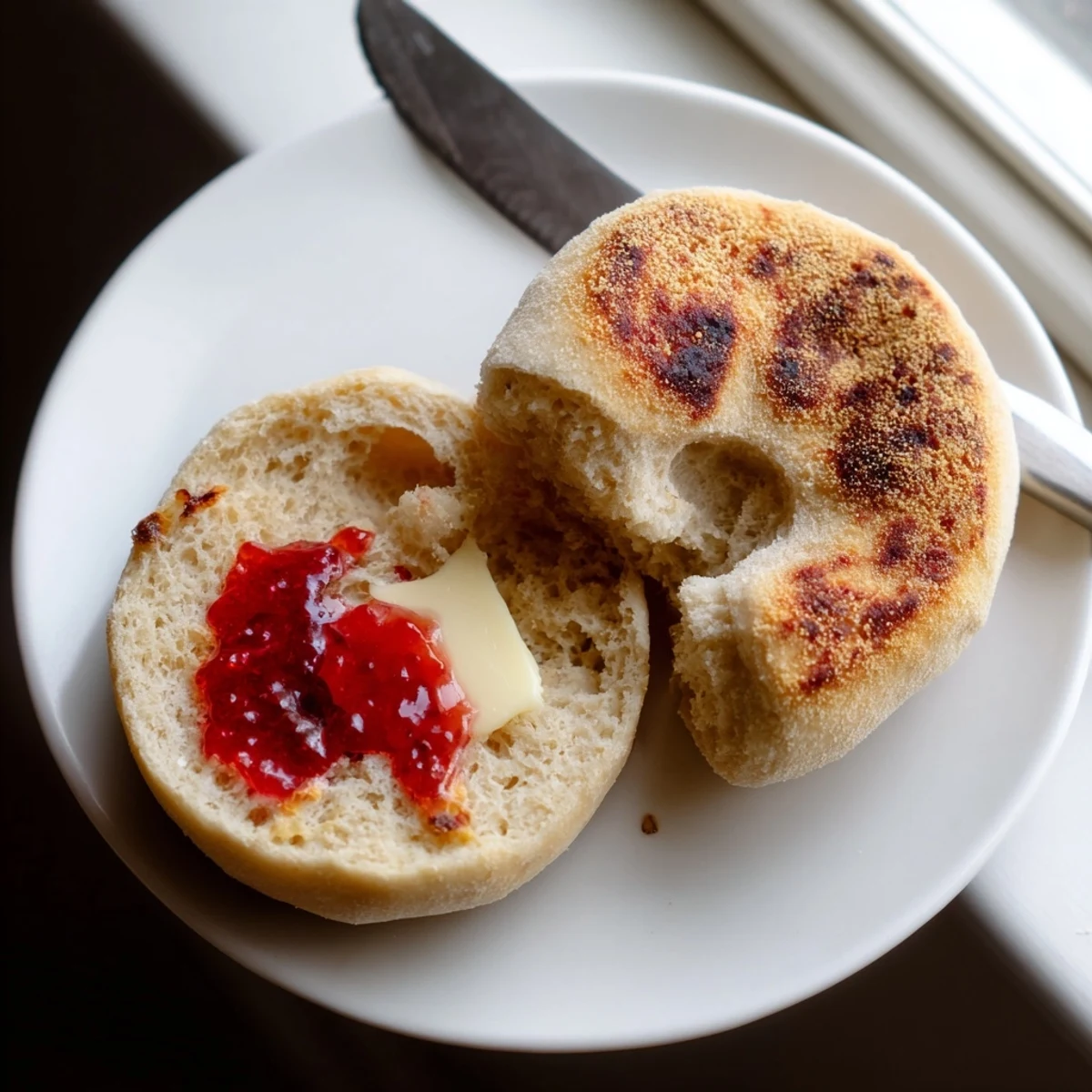
The key to those famous nooks and crannies is actually the fork splitting method. Never use a knife, which compresses the interior, but instead pierce the edge all around with a fork and pull apart gently. This creates those rough surface areas that catch melted butter and jam in every single bite.
Storage Solutions
Fresh English muffins are best eaten within 24 hours, but they freeze beautifully. Wrap them individually in plastic, place in a freezer bag, and they will keep for two months. Just pop frozen ones directly in the toaster for a quick breakfast that tastes like they just came off the griddle.
Make Them Your Own
Once you have mastered the basic recipe, try folding in 1/2 cup of raisins soaked in warm water for a classic breakfast treat. A pinch of cinnamon in the dry ingredients creates a warm spice version that pairs perfectly with apple butter. You can even swap half the bread flour for whole wheat for added nuttiness and texture.
- Herb and garlic versions make incredible sandwich bases for breakfast sandwiches
- Try sharp cheddar and jalapeño for a savory twist that elevates eggs benedict
- Blueberry lemon versions work wonderfully with cream cheese for a sweeter morning treat
 Pin it
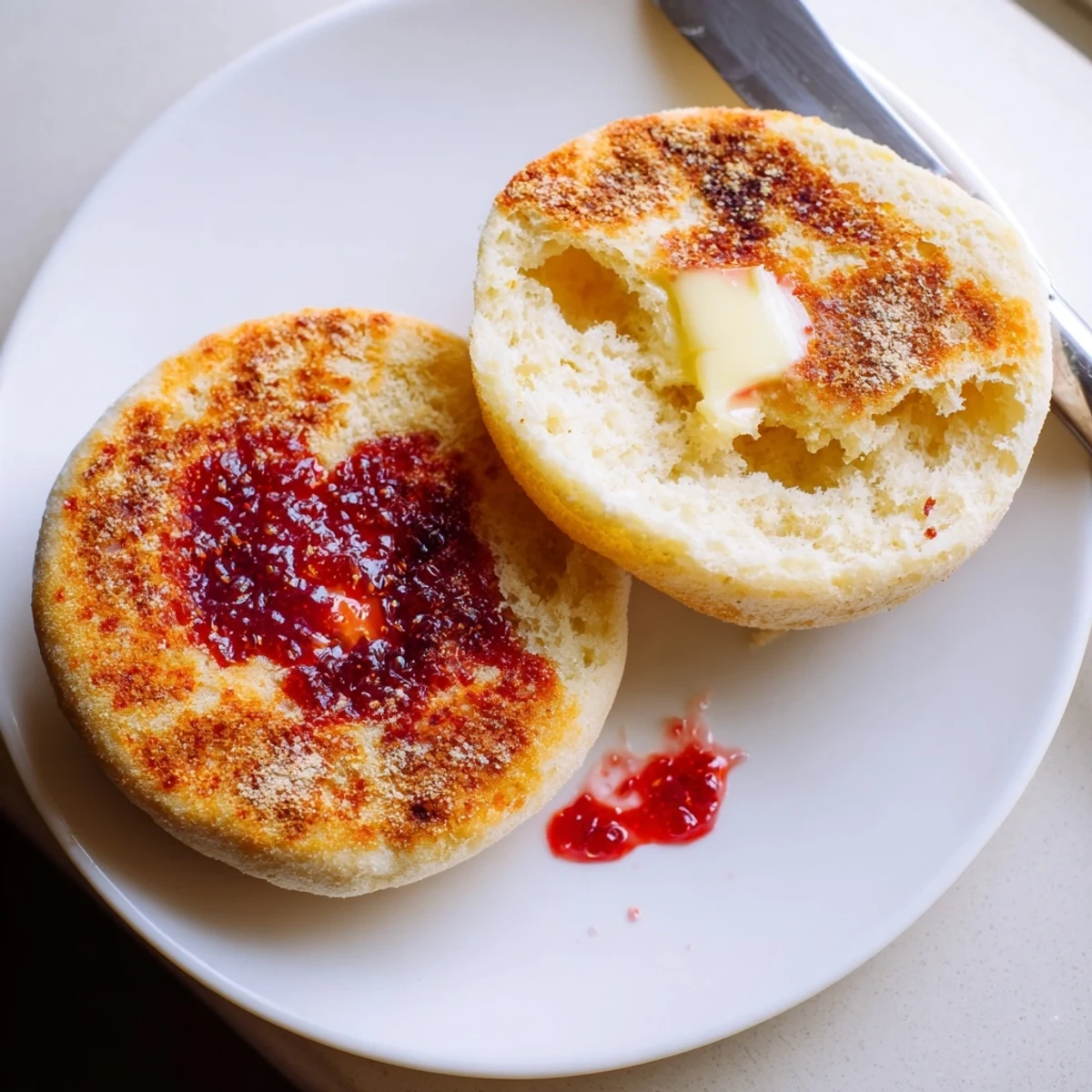
 There is something deeply satisfying about pulling these from the griddle, watching the steam escape, and knowing you made something that usually comes from a factory. Happy baking.
Recipe FAQs
- → How do I get the signature nooks and crannies?
-
The key is cooking on a griddle rather than baking. This method creates the distinctive texture. Split with a fork rather than slicing to preserve those craggy pockets.
- → Can I make these without yeast?
-
Yeast is essential for the characteristic rise and texture. Baking powder would create a completely different, more biscuit-like result.
- → Why cook on low-medium heat?
-
Lower heat ensures the centers cook completely before the exterior burns. English muffins are thicker than pancakes and need time to heat through.
- → How should I store these muffins?
-
Keep at room temperature for up to 3 days in an airtight container, or freeze for 2 months. Toast before serving for best texture.
- → What's the purpose of cornmeal dusting?
-
Cornmeal prevents sticking and adds subtle texture plus authentic bakery-style appearance. Semolina works as a traditional alternative.