 Pin it
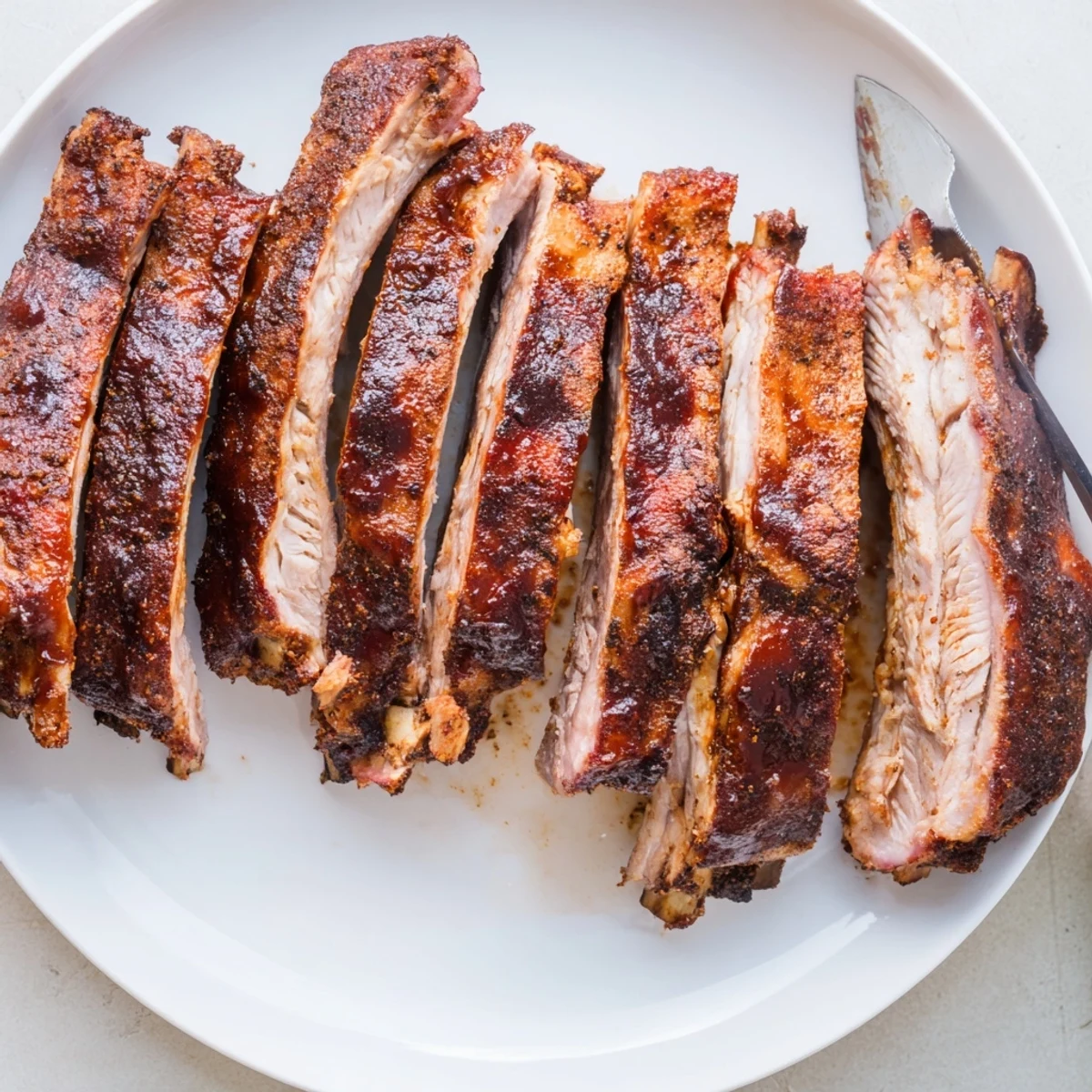
 Remove the membrane and coat racks with a brown sugar, smoked-paprika, garlic and onion spice rub. Let sit 30 minutes or refrigerate overnight for deeper flavor. Wrap and cook over indirect medium heat for about 1.5–2 hours, then unwrap, brush with barbecue sauce and finish over direct heat until glaze caramelizes. Rest 5 minutes before slicing; add wood chips for extra smoke and serve with classic sides.
The smoke hit me before I even opened the back gate, and I knew my neighbor had been at the grill for hours already. That particular summer afternoon I decided it was finally time to stop relying on his generosity and learn ribs for myself. After three attempts and one truly embarrassing charcoal disaster, this recipe emerged as the one I now make every long weekend without fail.
My brother in law stood in the backyard with a beer in one hand and a rib bone in the other, sauce streaked across his chin, and declared it the best thing I had ever cooked. He was not being polite because he is constitutionally incapable of that. We went through both racks in under twenty minutes that evening.
Ingredients
- Pork baby back ribs (2 racks, about 1.5 to 2 kg): Baby back ribs are leaner and more tender than spare ribs, making them ideal for this method of slow grilling and finishing with a sauce glaze.
- Brown sugar (2 tbsp): This is the foundation of the bark, helping the rub caramelize and creating that deep, slightly sweet crust everyone fights over.
- Smoked paprika (1 tbsp): Even before you light the grill, this gives the meat a smoky depth that makes people think you spent twice as long cooking.
- Garlic powder (1 tbsp): Distributes more evenly than fresh garlic and stands up better to the long cooking time without burning.
- Onion powder (1 tbsp): Works quietly in the background to round out the savory notes of the rub.
- Ground black pepper (1 tsp): Adds a gentle bite that balances the sweetness of the brown sugar perfectly.
- Salt (1 tsp): Draws moisture to the surface and ensures the seasoning penetrates rather than just sitting on top.
- Chili powder (1 tsp): Brings a warm, earthy undertone that is noticeable but never overwhelming.
- Cayenne pepper (1/2 tsp, optional): I add it every time now because that tiny kick at the back of each bite keeps people reaching for more.
- Barbecue sauce (180 ml): Use one you genuinely enjoy tasting straight from the bottle because grilling concentrates and intensifies whatever flavor profile is already there.
Instructions
- Prep the ribs:
- Flip each rack bone side up and slide a butter knife under the thin translucent membrane, then grip it with a paper towel and peel it off in one confident pull. This single step is what separates chewy ribs from ribs that melt.
- Build the rub:
- Stir all the dry spices together in a small bowl until evenly blended. Take a moment to smell it because that warm, sweet aroma is exactly what your backyard will soon smell like.
- Season generously:
- Massage the rub over every surface of both racks, pressing it into the meat rather than simply dusting it on. Let them sit at room temperature for thirty minutes or wrap and refrigerate overnight if you have the patience.
- Set up the grill:
- Heat your grill to medium, around 135 to 150 degrees Celsius, arranging the coals or burners so the ribs can cook indirectly without sitting directly over the flame. Patience here is the whole secret.
- Slow cook in foil:
- Wrap each rack tightly in aluminum foil and place them bone side down over the cool side of the grill, then close the lid and walk away for an hour and a half. Resist the urge to peek because every lift lets heat and moisture escape.
- Glaze and char:
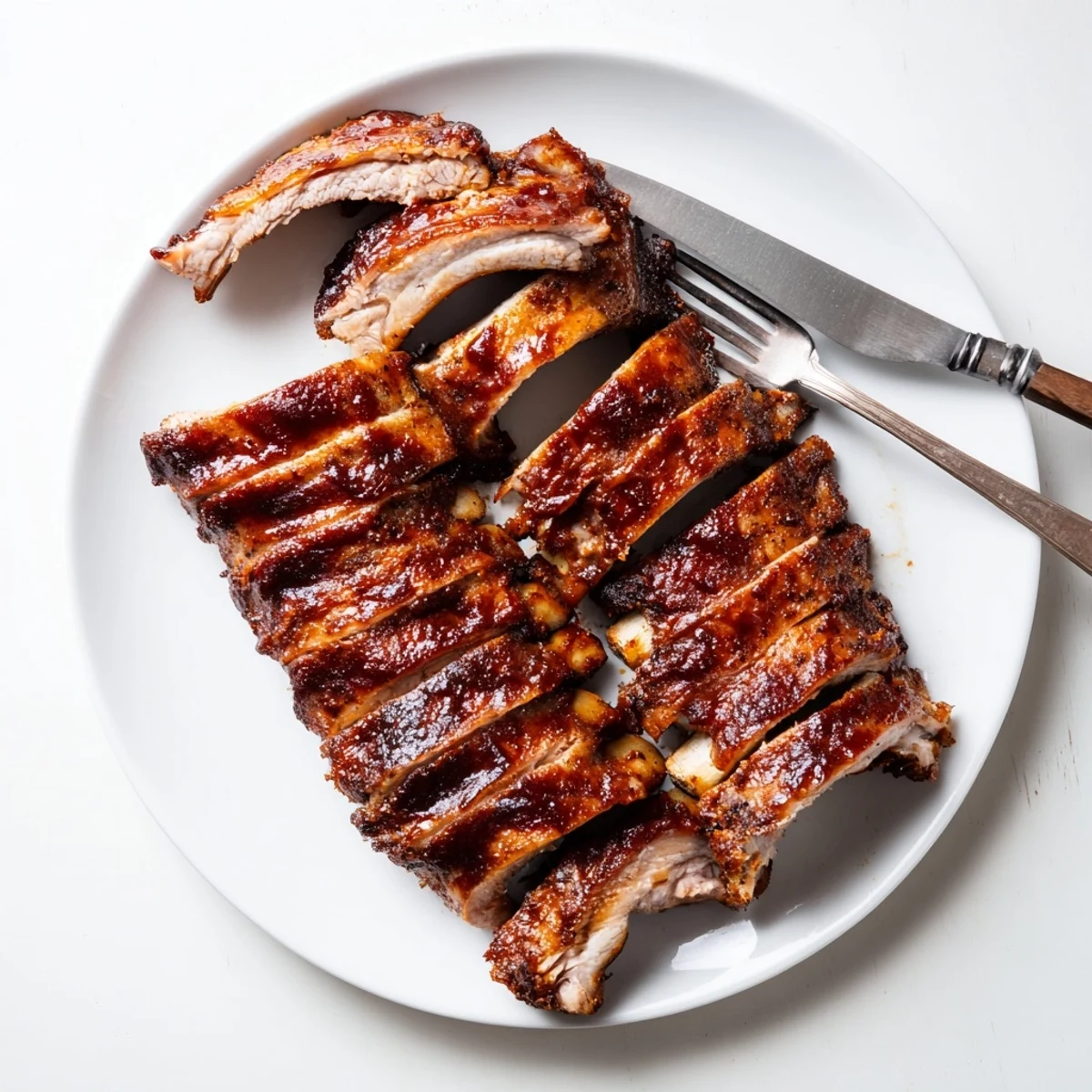
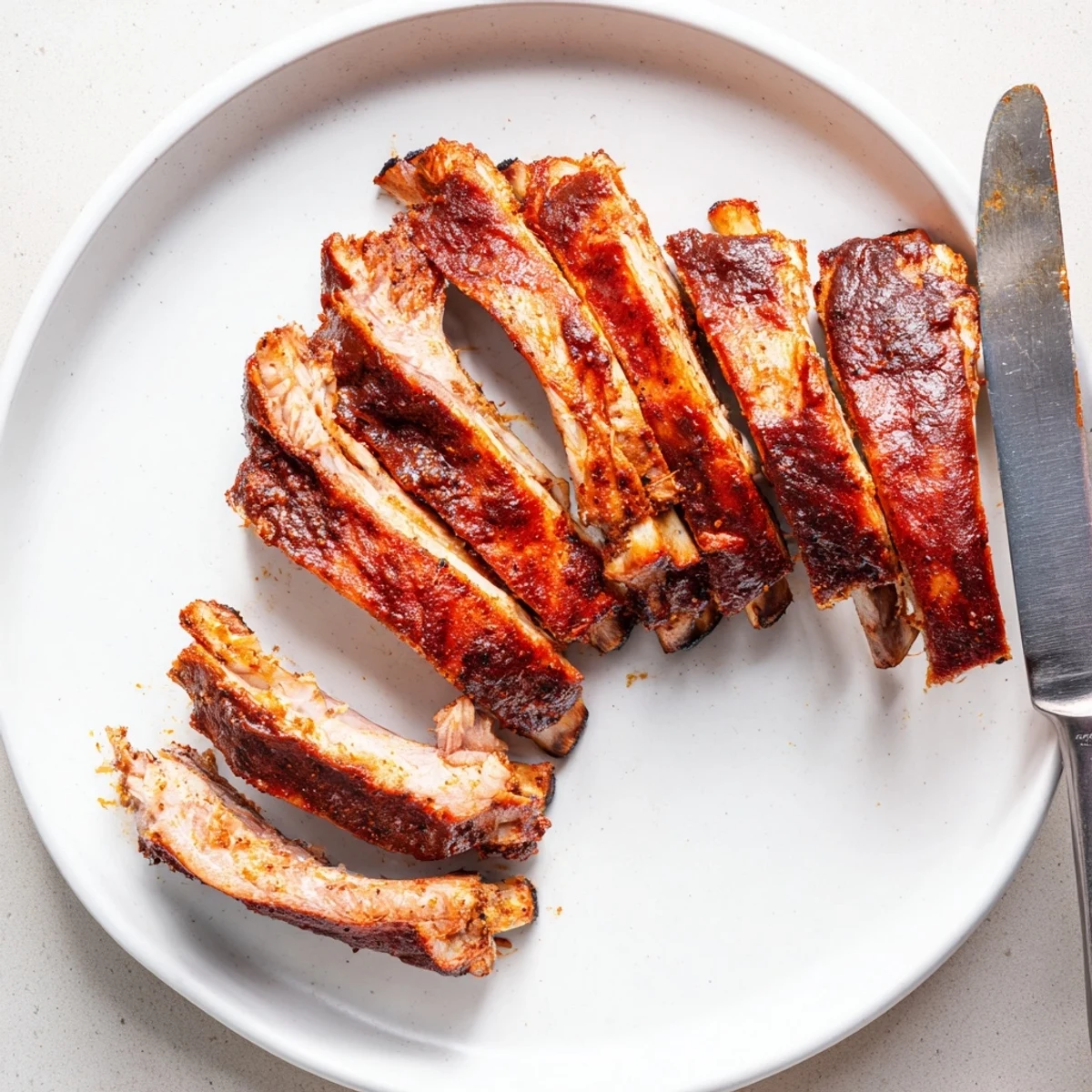
- Unwrap the ribs carefully, brush them liberally with barbecue sauce, and set them directly over medium heat for ten to fifteen minutes, turning and basting until the sauce darkens and bubbles into a sticky glaze.
- Rest and serve:
- Give the ribs five minutes to settle before slicing between the bones with a sharp knife. The juices redistribute during this brief wait and every bite ends up better for it.
 Pin it
 There is a particular silence that falls over a table when everyone has a rib in their hands and sauce on their fingers, the kind of quiet that means nobody wants to stop eating long enough to talk. That silence is the highest compliment a cook can receive.
Getting That Smoky Edge
Tossing a handful of soaked wood chips directly onto the coals or into a smoker box on a gas grill transforms the flavor from good to memorable in about five minutes. Hickory gives a bold punch while applewood is softer and slightly sweet, and honestly you cannot go wrong with either.
Swapping and Pairing
Beef ribs work beautifully here too, though you will want to add roughly thirty more minutes to the foil phase for proper tenderness. I almost always serve these alongside a crunchy vinegar based coleslaw because the acidity cuts through the richness in exactly the right way.
Tools and Timing Tips
A good pair of long handled tongs and a silicone basting brush will make the glazing step dramatically easier and far less messy than trying to improvise with whatever is nearby.
- Keep a spray bottle of water handy for any flare ups when the sauced ribs hit direct heat.
- Start the ribs earlier than you think you need them because resting time is flexible and nobody ever complained about ribs being ready too soon.
- Always check your barbecue sauce label for hidden gluten or soy if dietary needs are a concern.
 Pin it
 Some recipes become traditions without you realizing it, and this one showed up at so many backyard gatherings that it simply belongs there now. Fire up the grill and let the smoke do the talking.
Recipe FAQs
- → Why remove the silver skin?
-
Removing the membrane lets the rub penetrate and prevents a tough, chewy layer, resulting in more tender, evenly cooked ribs.
- → What temperature and method ensure tender ribs?
-
Cook over indirect medium heat (around 275–300°F / 135–150°C) wrapped for low-and-slow tenderness, then finish over direct heat to caramelize the glaze.
- → When should I apply the barbecue sauce?
-
Brush sauce after the low-and-slow phase, then finish over direct heat for 10–15 minutes, turning and basting until the edges are glossy and slightly charred.
- → Can I add smoke without a smoker?
-
Yes—tuck soaked wood chips (hickory or applewood) into a foil pouch or a smoker box on a gas grill, or use a small pile of charcoal on a gas setup to impart extra smoke.
- → How can I adapt for beef ribs?
-
Beef ribs are larger and need longer cook time at low heat; increase the initial wrapped phase and monitor internal texture rather than strict timing.
- → What are quick serving suggestions?
-
Let ribs rest 5 minutes, then slice between bones. Serve with coleslaw, cornbread or grilled vegetables and extra sauce on the side.