
 Pin it
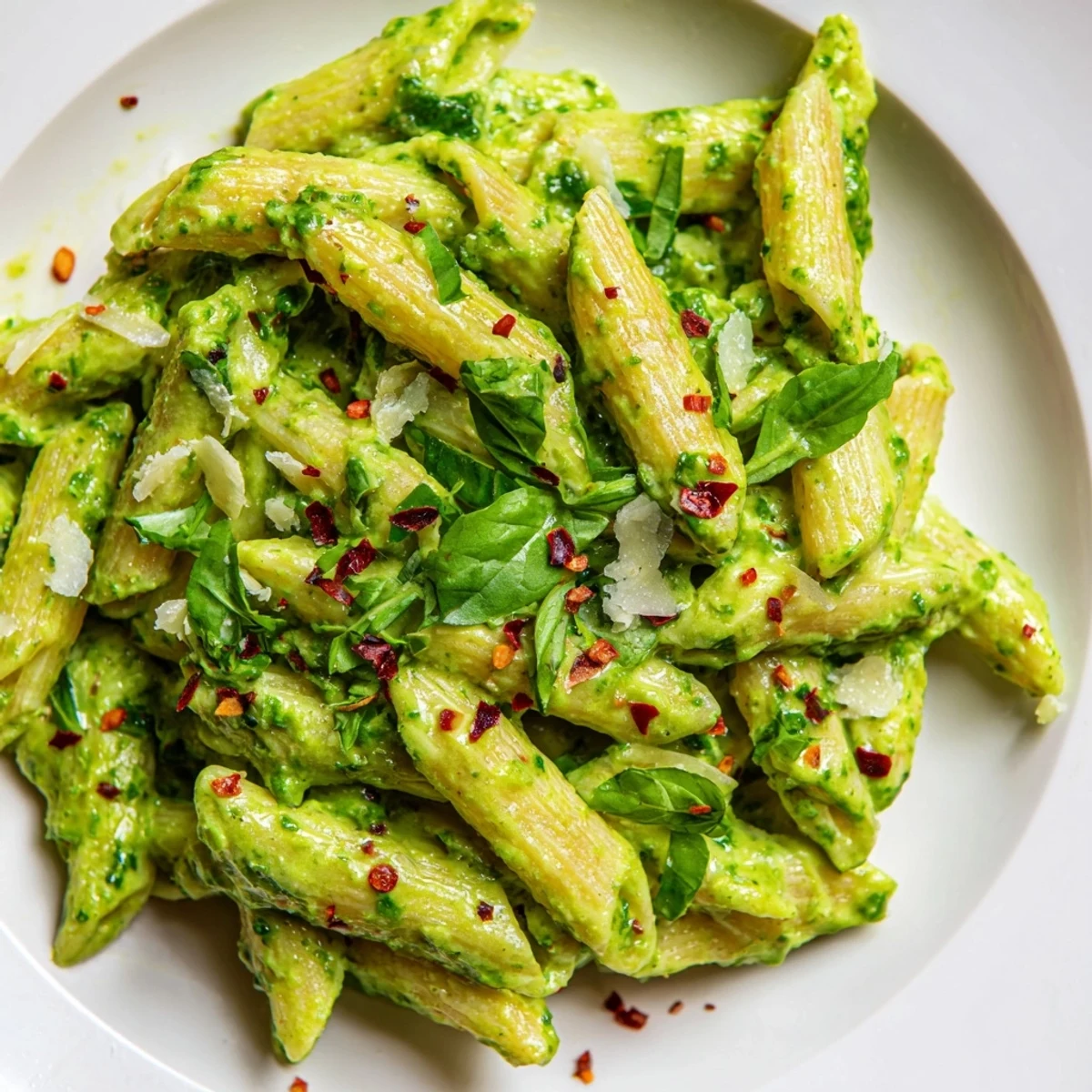
 This Green Goddess Pasta Sauce brings together fresh basil, parsley, chives, and tarragon with ripe avocado and Greek yogurt for a luxuriously creamy, herb-forward sauce.
Everything comes together in a food processor while your pasta cooks, making it an ideal weeknight dinner that's on the table in just 25 minutes.
The sauce is naturally vegetarian and easily adapts to vegan or gluten-free diets with simple ingredient swaps.
The blender roared to life on a Tuesday evening when the fridge held nothing but wilted herbs and a lonely avocado, and somehow that chaos produced the greenest, most alive tasting pasta sauce I have ever made. The kitchen smelled like a garden after rain. My roommate walked in, peered into the blender, and said it looked like something from a swamp. She ate two bowls. That was three years ago, and this sauce has been in steady rotation ever since.
I brought this to a potluck once in a mason jar and people genuinely thought I had bought it from some fancy deli down the street. The secret is just dumping herbs into a blender and trusting the process.
Ingredients
- Fresh basil (1 cup): The sweet, aromatic backbone of the entire sauce, so use the freshest leaves you can find and tear them with your hands.
- Fresh parsley (1/2 cup): Adds a bright, slightly peppery note that balances the richness of the avocado beautifully.
- Fresh chives (1/4 cup): A mild onion kick that rounds everything out without overpowering the delicate herbs.
- Fresh tarragon (2 tablespoons, optional): This is the secret ingredient that makes it taste like true Green Goddess dressing.
- Ripe avocado (1, pitted and peeled): Provides the luxuriously creamy texture, so pick one that yields slightly when pressed.
- Greek yogurt (1/2 cup): Adds tang and body, and you can swap in a dairy free version without losing anything.
- Extra virgin olive oil (3 tablespoons): Use a good one here because its flavor shines through in every bite.
- Fresh lemon juice (2 tablespoons): Brightens the whole sauce and keeps the avocado from turning brown.
- Garlic (1 clove): Just one is enough to add depth without taking over the conversation.
- Grated Parmesan (2 tablespoons): A salty, savory punch at the finish, or use nutritional yeast to keep it vegan.
- Dried pasta (350 g): Spaghetti, penne, or whatever shape makes you happy, and gluten free works perfectly.
- Salt and black pepper: Season to taste and taste as you go.
- Chili flakes (1/4 teaspoon, optional): A whisper of heat that makes all the other flavors pop.
Instructions
- Boil the pasta:
- Bring a large pot of generously salted water to a rolling boil and cook the pasta until just al dente, with a slight bite left in the center. Scoop out half a cup of that starchy pasta water before draining because it is liquid gold for later.
- Blend the green magic:
- Toss the basil, parsley, chives, tarragon, avocado, yogurt, olive oil, lemon juice, garlic, and Parmesan into a food processor or blender. Let it run until you see a silky, vibrantly green sauce that smells like summer in a jar.
- Season and adjust:
- Taste the sauce and add salt, pepper, and chili flakes until it sings on your tongue. If it feels too thick to coat pasta, drizzle in a few spoonfuls of that reserved pasta water and blend again.
- Toss everything together:
- Dump the drained pasta into a big bowl, pour the sauce over it, and toss with tongs until every strand or tube is coated in green. Add more pasta water a splash at a time until the texture is silky and loose, not clumpy.
- Serve and garnish:
- Divide among bowls immediately and shower with extra herbs and Parmesan if you are feeling generous. This is best eaten right away while the sauce is at its brightest and most vibrant.
 Pin it
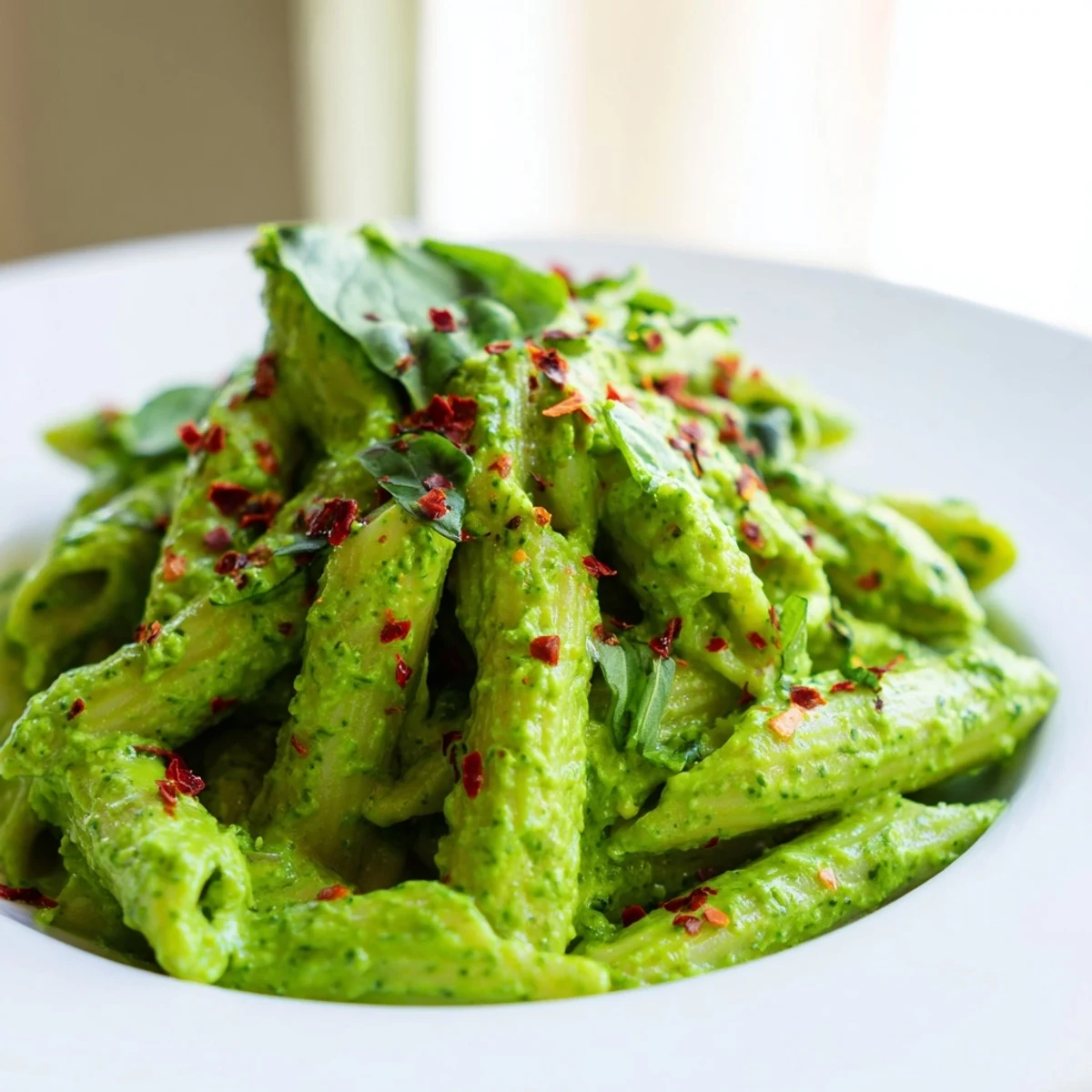
 There is something quietly magical about turning a handful of herbs and a bruised avocado into something that makes people close their eyes when they take the first bite.
Getting The Texture Right
The trick to a sauce that clings to pasta instead of pooling at the bottom of the bowl is patience with the pasta water. Add it slowly and toss aggressively, watching how the starch emulsifies with the avocado and oil into something glossy. If the sauce breaks or looks grainy, another tablespoon of warm water and a vigorous stir usually brings it back from the edge.
Making It Your Own
This recipe is really a template once you understand the ratio of creamy to herbal to tangy. Throw in a handful of spinach or arugula for extra greenness, swap the lemon for lime, or add a spoonful of pesto if you want to lean into the Italian side. I have even folded in a diced roasted jalapeno on a bold night and it was fantastic.
Storage And Leftovers
The sauce will keep in an airtight jar in the fridge for about two days, though the color may darken slightly on top. Press plastic wrap directly against the surface before sealing to minimize oxidation, and give it a good stir before using. Tossed pasta is best eaten immediately but makes a surprisingly good cold lunch the next day.
- A squeeze of extra lemon juice on the surface slows down browning dramatically.
- Leftover sauce thinned with a little water makes an incredible salad dressing.
- Always taste for salt again after refrigerating because cold dulls flavors.
 Pin it
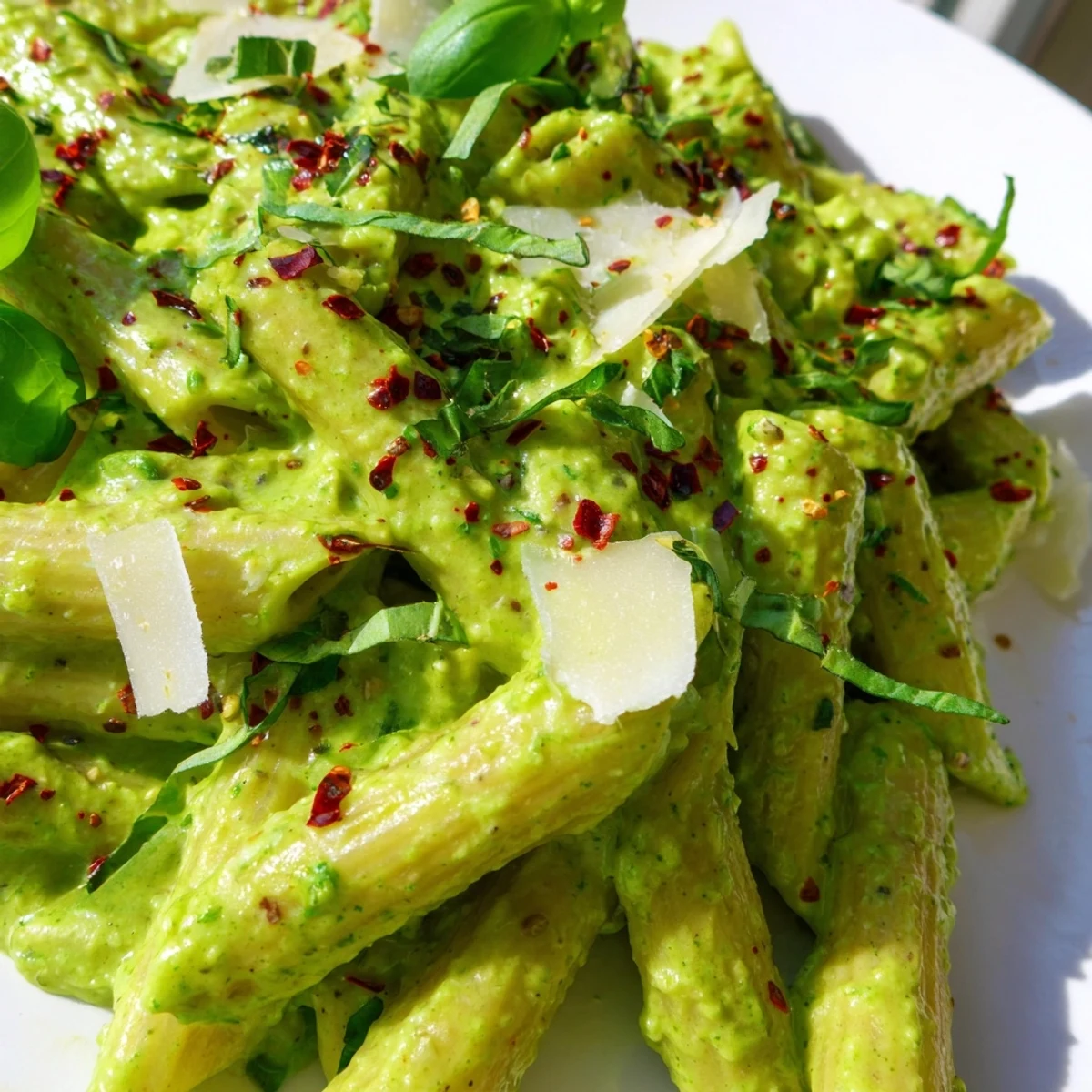
 Keep this one in your back pocket for those nights when cooking feels like a chore, because it rewards you with something beautiful for almost no effort at all.
Recipe FAQs
- → Can I make this sauce ahead of time?
-
Yes, you can prepare the sauce up to one day in advance. Store it in an airtight container in the refrigerator with plastic wrap pressed directly against the surface to minimize browning from the avocado. Give it a good stir before tossing with freshly cooked pasta.
- → What pasta shapes work best with this sauce?
-
Medium-sized shapes like penne, fusilli, or farfalle hold the creamy sauce particularly well in their ridges and folds. Spaghetti and linguine also work beautifully for a silkier presentation. Use gluten-free pasta if needed.
- → How do I prevent the avocado from turning brown?
-
The lemon juice in the sauce acts as a natural antioxidant, helping slow oxidation. For best results, serve immediately after preparing. If storing, press plastic wrap directly onto the sauce surface and refrigerate no longer than 24 hours.
- → Can I freeze leftover sauce?
-
Freezing is not recommended since the avocado and Greek yogurt base can separate and become grainy when thawed. It's best enjoyed fresh or refrigerated for up to one day.
- → What protein additions pair well with this dish?
-
Grilled chicken breast, sautéed shrimp, or roasted chickpeas are excellent additions. For a plant-based protein boost, try white beans or pan-seared tofu cubes seasoned with a touch of lemon zest.
- → Can I use dried herbs instead of fresh?
-
Fresh herbs are essential for the signature vibrant color and bright flavor of this sauce. Dried herbs won't produce the same creamy, herbaceous result. If you must substitute, use one tablespoon of dried herbs for every three tablespoons of fresh called for.