
 Pin it
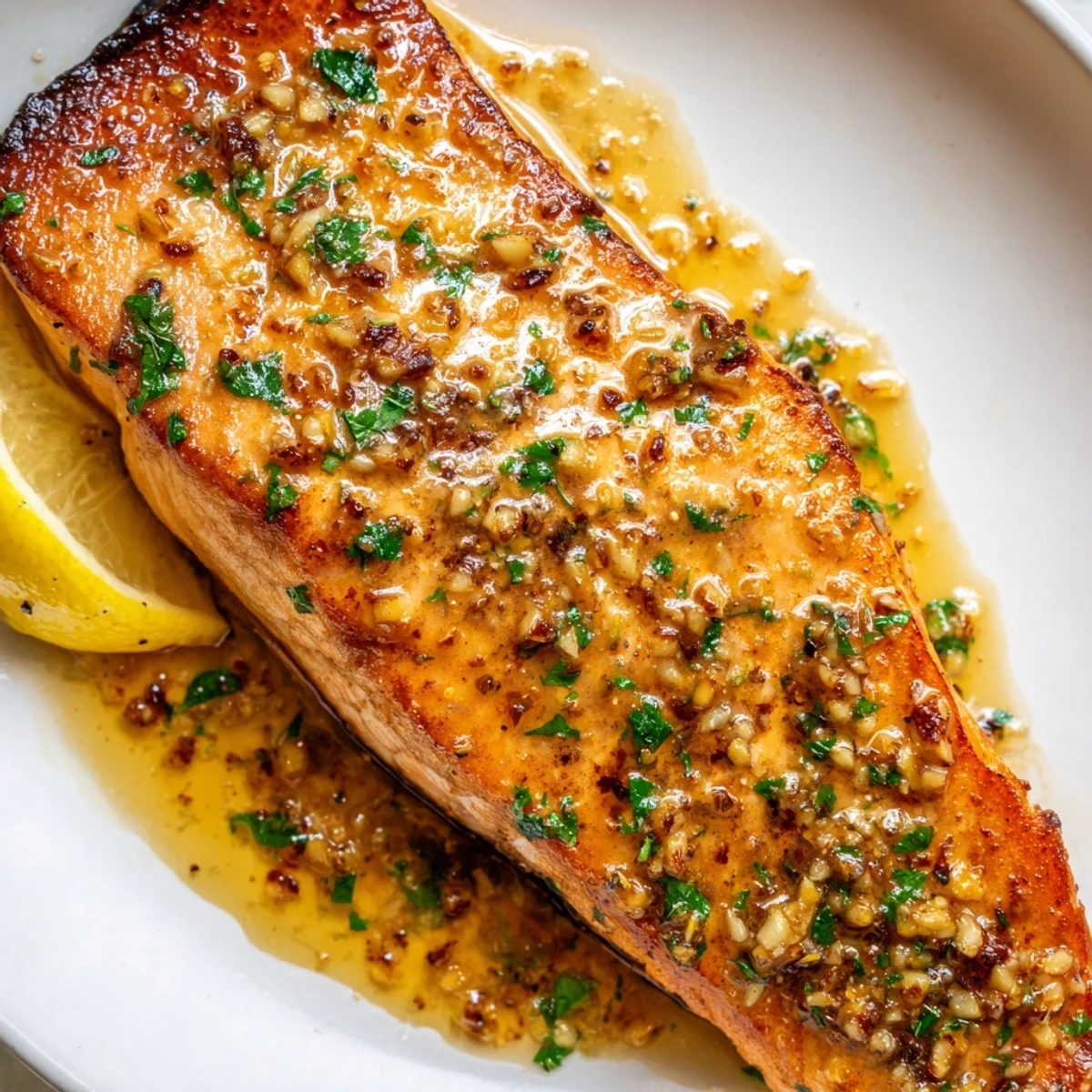
 This garlic butter salmon brings together succulent pan-seared fillets with a luscious, aromatic butter sauce infused with fresh garlic, lemon zest, and parsley.
Ready in just 25 minutes from start to finish, it strikes the perfect balance between weeknight convenience and dinner-party elegance. The salmon develops a beautiful golden crust in the skillet, then gets bathed in a fragrant garlic butter that doubles as a finishing sauce.
With only a handful of wholesome ingredients—salmon, butter, garlic, lemon, and fresh herbs—this dish is naturally low-carb, gluten-free, and pescatarian-friendly.
The sizzle of salmon hitting a hot pan is one of those sounds that makes everyone in the house wander toward the kitchen, pretending they need a glass of water. My neighbor actually knocked on my door once asking what I was cooking because the garlic butter smell had drifted through the open window and ruined her salad plans. She ended up staying for dinner, and now this dish is the unofficial reason we have a standing Tuesday night dinner tradition.
I have made this salmon more times than I can count, but the batch that sticks with me was the evening my daughter decided she was too cool for fish. She sat at the table with her arms crossed until I put the plate down and the garlic butter aroma did all the convincing for me. She asked for seconds and never complained about seafood again.
Ingredients
- Salmon fillets: Four pieces around one hundred seventy grams each, skin on if you want that crispy edge, skinless if you prefer easy eating right off the bat.
- Unsalted butter: You need four tablespoons total, split between searing the fish and building the sauce so nothing burns and everything tastes rich.
- Garlic: Four cloves minced fine, which sounds like a lot until you taste the sauce and realize it is exactly right.
- Lemon juice and zest: Half a lemon gives you both, and the zest is what makes the sauce taste alive rather than just sour.
- Fresh parsley: Two tablespoons finely chopped, and please use fresh because dried parsley adds about as much personality as green confetti.
- Salt and black pepper: Half a teaspoon of salt and a quarter teaspoon of pepper to season the fillets, adjusted to your taste at the end.
- Lemon wedges and extra parsley: Optional but honestly not optional because squeezing that fresh lemon over the finished plate changes everything.
Instructions
- Dry and season the salmon:
- Grab paper towels and pat each fillet completely dry, then sprinkle salt and pepper on both sides like you mean it, because wet fish steams instead of sears and you deserve that golden crust.
- Get the pan hot:
- Melt two tablespoons of butter in a large nonstick skillet over medium high heat and wait until you see it foam, which tells you the pan is ready to work its magic.
- Sear the fillets:
- Lay the salmon skin side down and let it cook undisturbed for four to five minutes until the edges turn golden, then flip gently and give it two to three minutes on the other side before moving the fillets to a warm plate.
- Build the garlic butter sauce:
- Turn the heat down to medium and add the remaining butter to the same skillet, then toss in the garlic and stir for about one minute until your kitchen smells absolutely incredible.
- Add the bright stuff:
- Stir in the lemon zest, lemon juice, and parsley, letting it bubble for about thirty seconds so everything gets to know each other.
- Bring it all together:
- Return the salmon to the pan and spoon that gorgeous sauce over every fillet, cooking one to two more minutes until the fish is fully coated and warmed through.
- Serve with flair:
- Transfer to plates immediately, top with extra parsley and lemon wedges, and watch people close their eyes on the first bite.
 Pin it
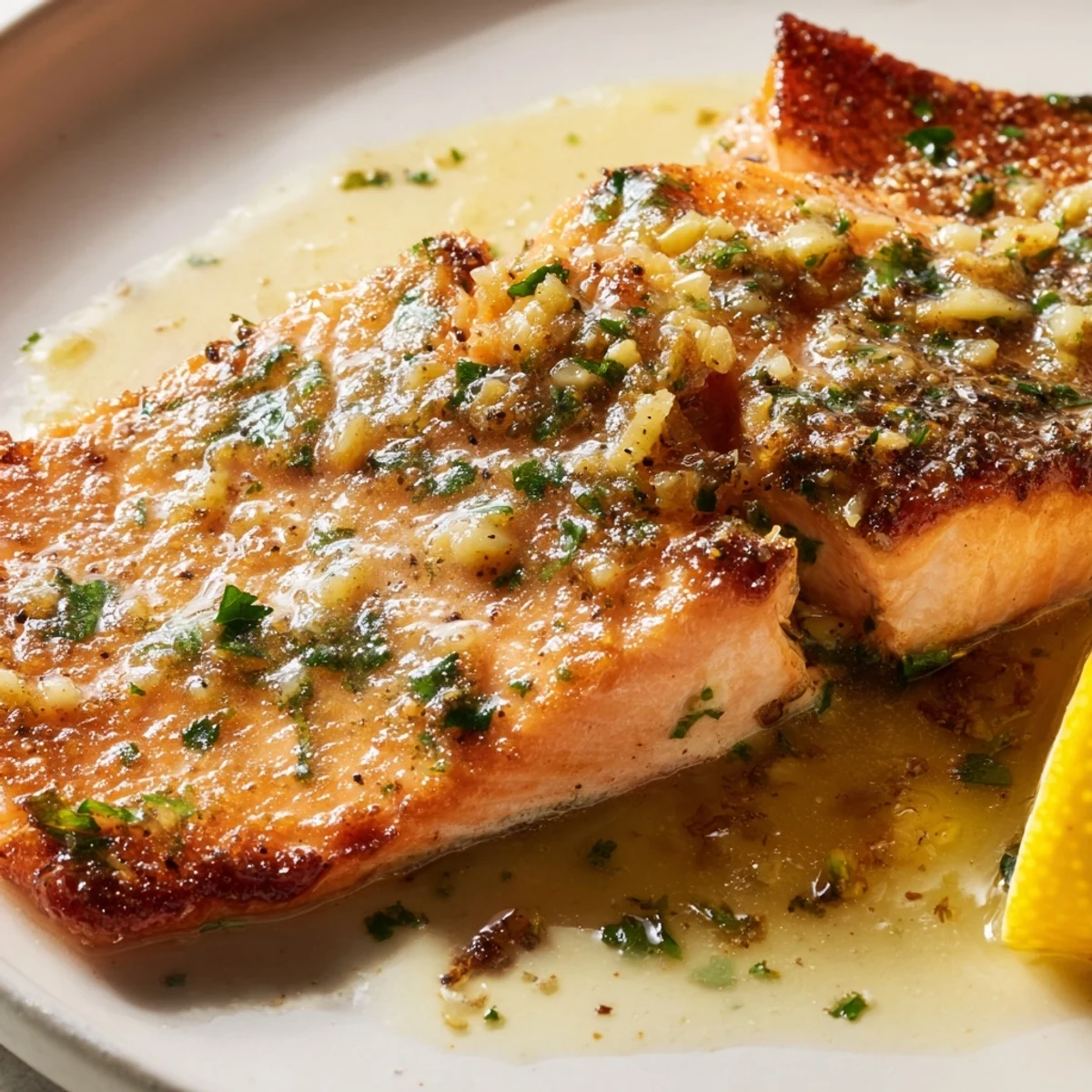
 There is something about gathering around a plate of this salmon that turns a regular weeknight into a small celebration without anyone trying very hard.
What to Serve Alongside
This salmon plays well with almost anything, but my favorite pairing is a pile of steamed green beans with a squeeze of lemon and a bowl of fluffy basmati rice that soaks up every drop of extra sauce. A crisp arugula salad with shaved parmesan also works beautifully when you want to keep things light.
Choosing the Right Salmon
Wild caught salmon has a leaner texture and more pronounced flavor, while farm raised tends to be fattier and milder, and both work wonderfully here so pick what fits your budget and preference. Look for fillets that smell clean, like the ocean rather than fishy, and the flesh should bounce back when you press it gently with your finger.
Tools and Kitchen Notes
A large nonstick skillet and a thin flexible spatula are really all you need, though a wooden spoon comes in handy for the sauce and a citrus zester makes quick work of that lemon. Keep everything organized before you start because once the fish hits the pan things move quickly and you do not want to be hunting for the parsley while garlic is burning.
- A fish spatula with a thin edge slides under delicate fillets without breaking them apart.
- Measure your ingredients before cooking so you can move fast when the butter starts foaming.
- Let the salmon rest for one minute on the plate before serving so the juices redistribute and every bite stays moist.
 Pin it
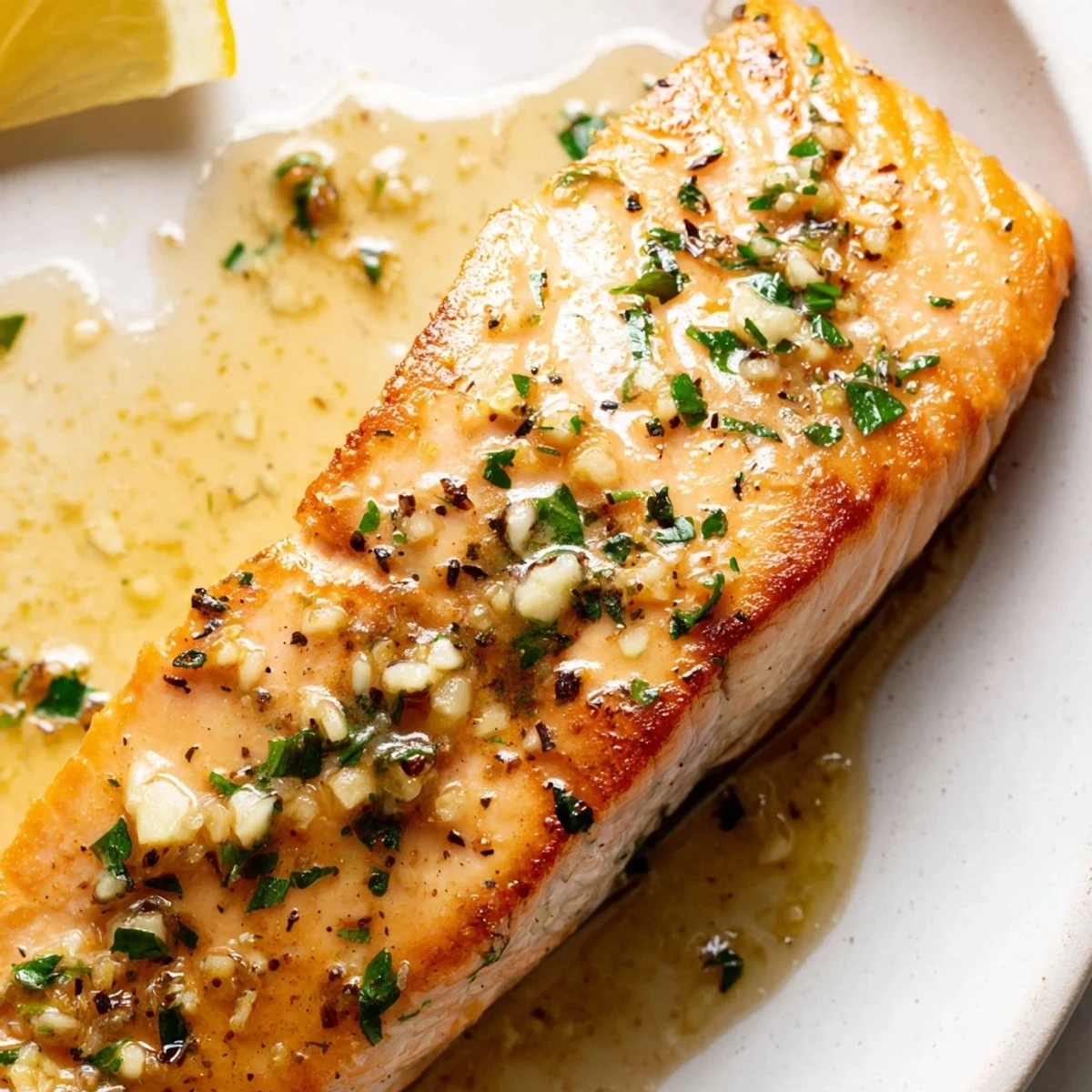
 Cook this once and it will become one of those recipes you reach for when you need something wonderful without any fuss. Share it with someone you love, or just enjoy the quiet satisfaction of a really good dinner on a Tuesday night.
Recipe FAQs
- → Should I use skin-on or skinless salmon fillets?
-
Both work well. Skin-on fillets hold together better during searing and develop a crispy skin, while skinless fillets cook more evenly throughout. If using skin-on, start by searing skin-side down for 4–5 minutes to crisp it up.
- → How do I know when the salmon is fully cooked?
-
Salmon is done when it flakes easily with a fork and reaches an internal temperature of 63°C (145°F). The flesh should turn from translucent to opaque pink. Avoid overcooking, as it will become dry and tough.
- → Can I use frozen salmon fillets?
-
Yes, but thaw them completely in the refrigerator overnight before cooking. Pat the fillets thoroughly dry with paper towels to ensure a proper sear and prevent excess moisture in the pan.
- → What can I substitute for butter in the garlic sauce?
-
Ghee works as a direct substitute with a similar richness. For a dairy-free version, use olive oil or a plant-based butter alternative. Keep in mind the sauce texture and flavor will shift slightly depending on your choice.
- → What side dishes pair well with garlic butter salmon?
-
Steamed asparagus, roasted broccoli, or sautéed green beans complement the richness beautifully. For a heartier plate, serve alongside fluffy rice, garlic mashed potatoes, or a light quinoa salad with fresh herbs.
- → How should I store and reheat leftovers?
-
Store leftover salmon in an airtight container in the refrigerator for up to 2 days. Reheat gently in a skillet over low heat with a splash of water or extra butter to prevent drying out. Avoid microwaving, as it can make the fish rubbery.