
 Pin it
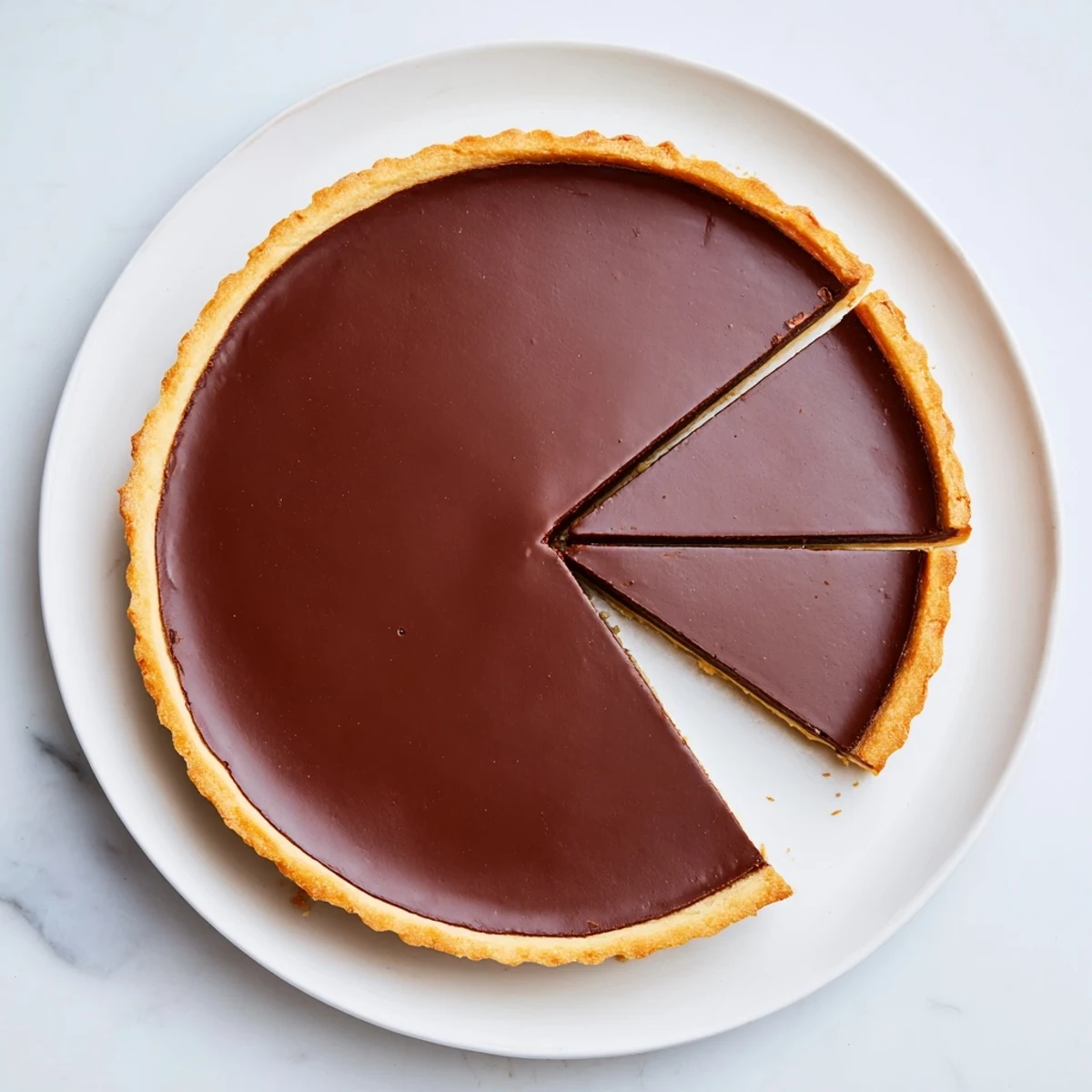
 This elegant French dessert combines the velvety smoothness of chocolate custard with the buttery crunch of a handmade tart crust. The result is a sophisticated yet approachable sweet that balances deep bittersweet chocolate notes with creamy, eggy richness. Perfect for dinner parties or special occasions, this flan requires patience during the chilling process but rewards with beautifully clean slices and luxurious texture.
The rain was hammering against the kitchen window the afternoon I attempted my first French chocolate flan, convinced that reading a Julia Child biography qualified me as a pastry chef.
My neighbor Claire walked in just as I was struggling to roll out the dough without it cracking everywhere, and she quietly took the rolling pin from my hands and showed me how to let the warmth of your palms heal the tears in the pastry.
Ingredients
- All purpose flour (150 g): The backbone of your tart crust, sifted once to lighten it and remove any lumps that could toughen the dough.
- Powdered sugar (30 g): Keeps the crust tender since powdered sugar dissolves faster than granulated, preventing overworking.
- Unsalted butter (115 g), cold and diced: Cold butter creates steam pockets during baking that give you that irresistible flaky short texture.
- Large egg yolk: Adds richness and helps bind the dough without making it tough from too much liquid.
- Cold water (1 to 2 tbsp): Add it teaspoon by teaspoon because the dough can go from perfect to soggy in one splash.
- Whole milk (500 ml): Full fat milk gives the custard its signature silky mouthfeel that low fat versions simply cannot replicate.
- Heavy cream (250 ml): This is what elevates the flan from a simple pudding to something luxuriously velvety.
- Bittersweet chocolate (115 g), chopped: Use good quality chocolate you would eat on its own because it is the star of the entire dessert.
- Granulated sugar (100 g): Balances the bitterness of the chocolate without tipping the custard into cloying territory.
- Large eggs (3) plus egg yolks (2): The combination of whole eggs and extra yolks creates a custard that sets firmly yet stays delicate on the tongue.
- Cornstarch (2 tbsp): Your insurance policy against a weeping or curdled custard, it stabilizes without clouding the flavor.
- Pure vanilla extract (1 tsp): Rounds out the chocolate and adds warmth to the background of every spoonful.
Instructions
- Build the crust:
- Combine the flour, powdered sugar, and a pinch of salt in a large bowl, then cut in the cold butter with your fingertips until the mixture resembles wet sand. Add the egg yolk and a splash of cold water, gathering the dough gently until it just holds together, then flatten it into a disc, wrap it tightly, and let it rest in the fridge for thirty minutes.
- Blind bake the shell:
- Roll the chilled dough out on a floured counter and drape it carefully into a nine inch tart pan, pressing it into the corners. Prick the base with a fork, line it with parchment and baking beans, and bake at 350 degrees Fahrenheit for twelve minutes before removing the beans and baking five to seven minutes more until pale gold.
- Melt the chocolate into the dairy:
- Pour the milk and cream into a saucepan and set it over medium heat until you see steam rising and small bubbles forming at the edges. Drop in the chopped chocolate and stir gently off the heat until the mixture turns into a glossy dark pool.
- Temper the eggs:
- Whisk the sugar, eggs, extra yolks, cornstarch, vanilla, and salt together in a bowl until smooth and slightly paler in color. Pour the warm chocolate liquid in very slowly, whisking the whole time, so the eggs warm gradually without scrambling into ugly little curds.
- Strain and fill:
- Pour the custard through a fine sieve directly into the par baked tart shell to catch any stray bits of chocolate or accidental egg lumps. Tap the pan once or twice on the counter to coax any trapped air bubbles to the surface.
- Bake until just set:
- Slide the tart into the oven and bake for thirty to thirty five minutes, until the edges are set but the center still has a gentle wobble when you nudge the pan. It will continue to firm up as it cools, so resist the urge to overbake.
- Chill with patience:
- Let the flan come to room temperature on the counter before transferring it to the refrigerator for at least three hours, ideally overnight, so the custard can fully set and the flavors deepen.
 Pin it
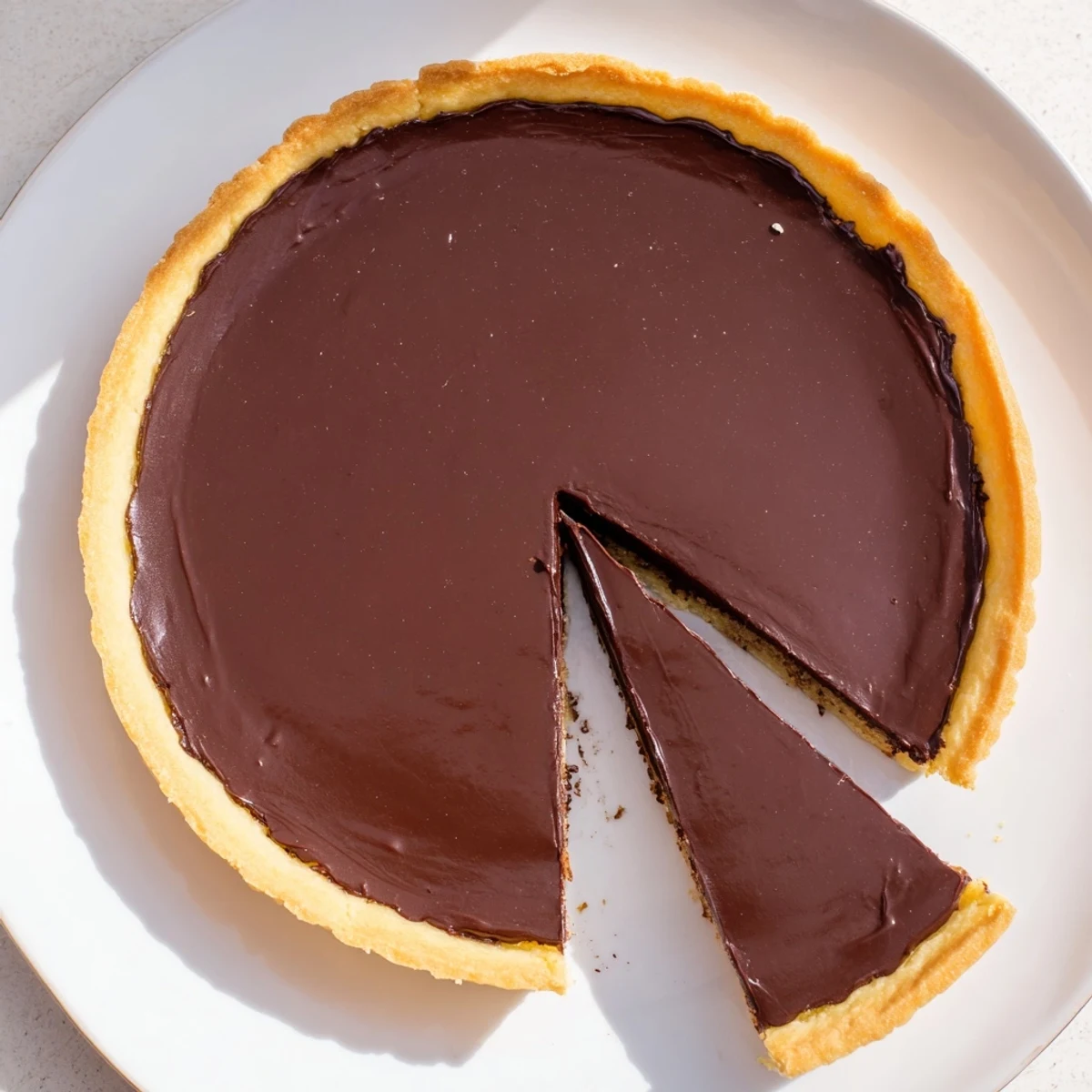
 Claire stayed for dinner that night and we ate the flan in near silence, broken only by her murmuring something about it being better than the one from the boulangerie on rue de Bretagne.
Choosing the Right Chocolate
After making this flan dozens of times I have learned that the chocolate does all the heavy lifting, so grab something between sixty and seventy percent cacao from a brand you trust.
Making It Gluten Free
Swap the traditional wheat crust for your favorite gluten free tart shell and the rest of the recipe works beautifully without any other changes.
Serving and Pairing Ideas
A dusting of cocoa powder right before serving adds a bitter edge that balances the sweetness perfectly.
- Fresh raspberries or strawberries scattered alongside bring a bright acidity that cuts through the richness.
- A small glass of Banyuls or tawny port turns a simple dessert into an occasion worth lingering over.
- Always add any toppings just before serving so the custard surface stays pristine and glossy.
 Pin it
 This is the kind of dessert that turns an ordinary Tuesday into something worth remembering, and I hope it brings a little of that same quiet magic to your kitchen.
Recipe FAQs
- → How long should I chill the chocolate flan before serving?
-
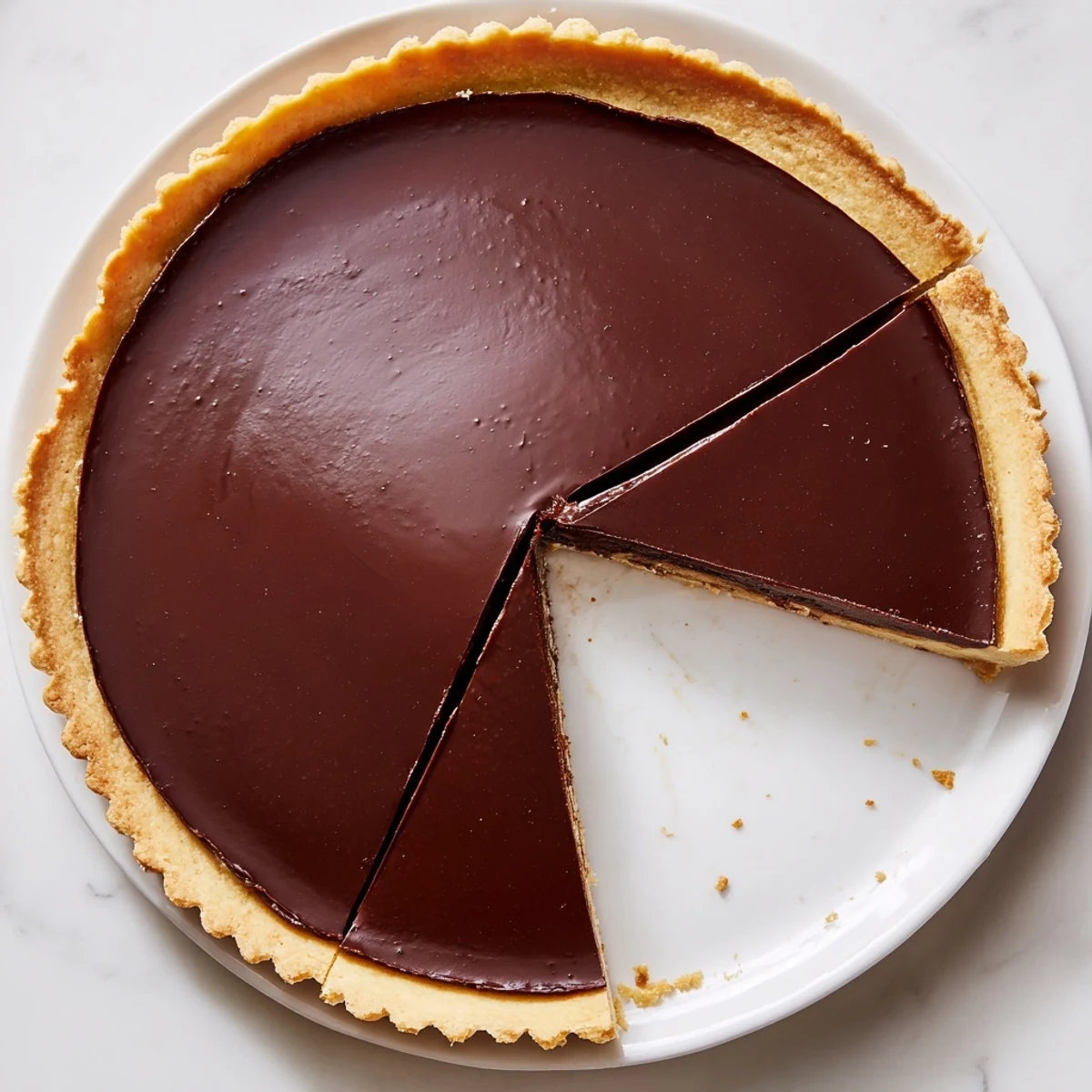
Refrigerate for at least 3 hours, preferably overnight. This allows the custard to fully set and develop its silky texture while making it easier to slice cleanly.
- → Can I use milk chocolate instead of bittersweet?
-
Yes, though the flavor will be sweeter and less intense. Reduce sugar by 2 tablespoons if using milk chocolate to maintain balance.
- → Why is my custard curdling during preparation?
-
This usually happens when hot dairy is added too quickly to eggs. Always temper by slowly whisking warm mixture into eggs while stirring constantly.
- → How do I know when the flan is done baking?
-
The center should still jiggle slightly like gelatin when gently shaken—it will continue firming as it cools. Overbaking creates a rubbery texture.
- → Can I make this dessert gluten-free?
-
Substitute the all-purpose flour with a 1:1 gluten-free baking blend and use certified gluten-free baking beans if needed for blind baking.
- → How should I store leftover chocolate flan?
-
Keep refrigerated, covered loosely with plastic wrap. Best consumed within 3-4 days. The crust may soften slightly over time but remains delicious.