
 Pin it
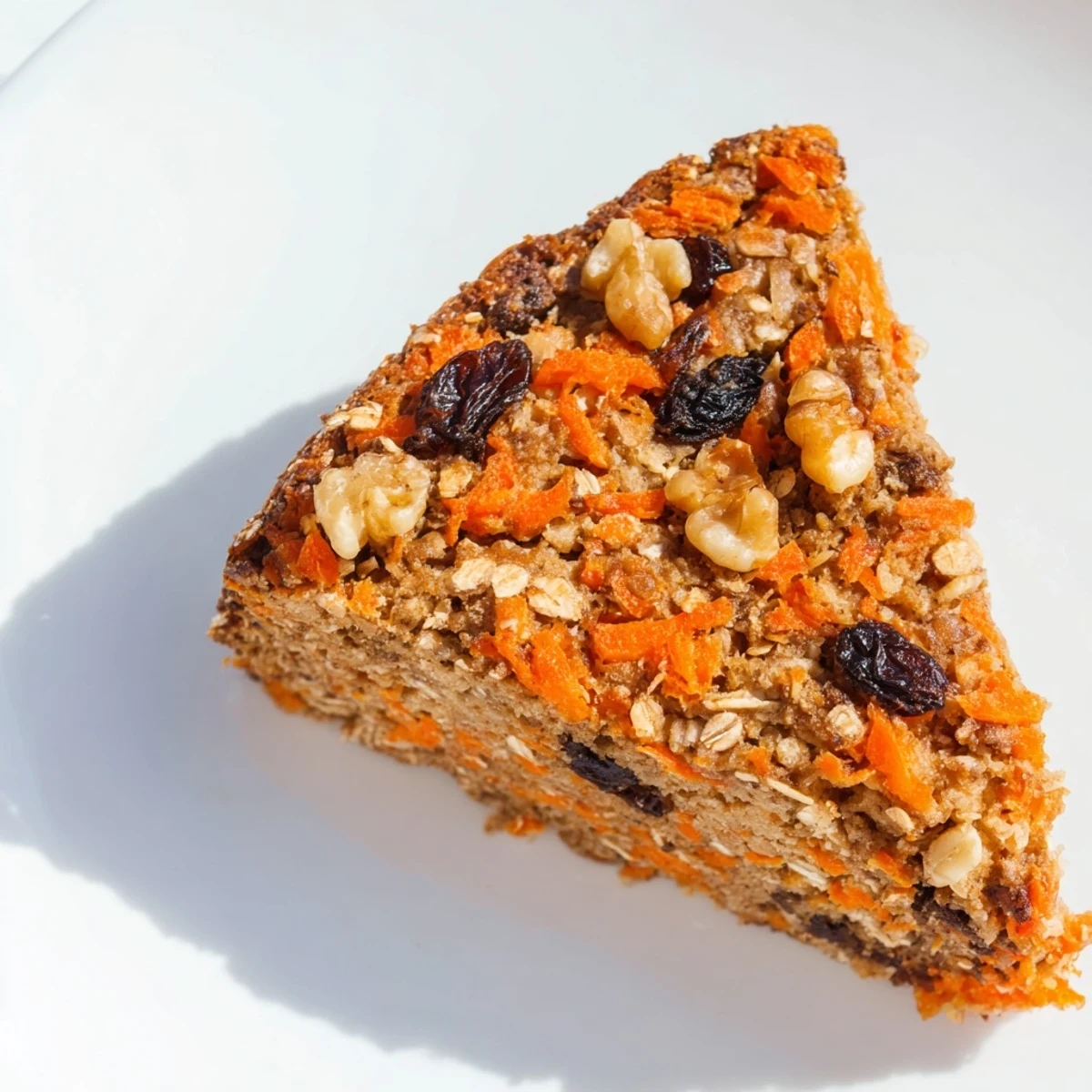
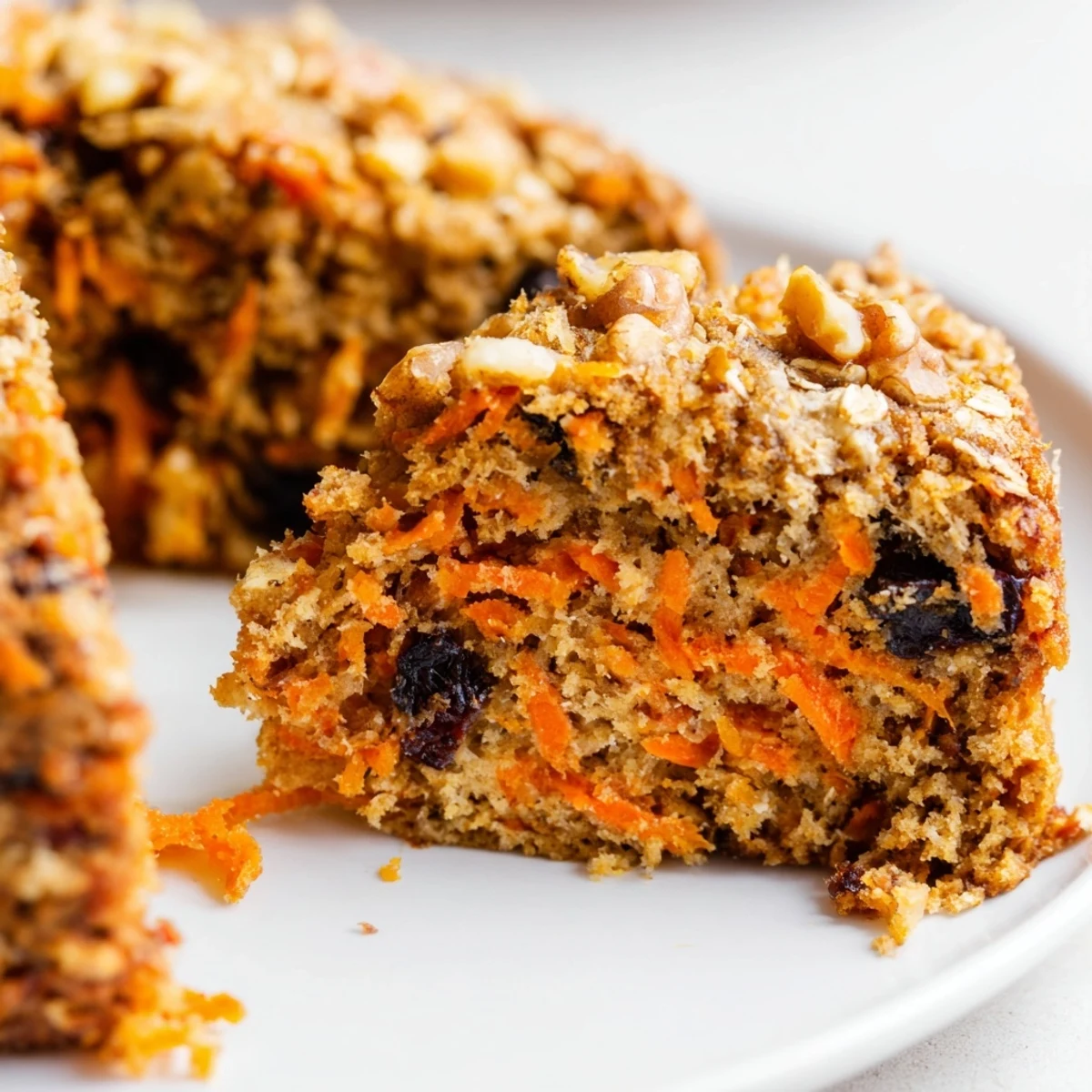
 This flourless carrot cake combines hearty oats with sweet grated carrots and aromatic cinnamon and nutmeg for a naturally moist, wholesome dessert. The oat flour base creates a tender crumb while keeping it completely gluten-free.
Mixing wet and dry ingredients separately ensures even distribution, while folding in optional raisins and chopped walnuts adds texture and sweetness. The cake bakes in about 40 minutes until golden and set.
Serve plain for a simple treat, or top with cream cheese frosting for extra indulgence. Substitutions like chocolate chips or dried cranberries offer endless variations.
The scent of cinnamon and grated carrots filling my tiny apartment kitchen during a particularly gray March changed everything I thought I knew about carrot cake. I'd been skeptical about flourless baking, worried the texture would turn dense or gummy, but watching the oats transform in my blender made me curious. That first bite, still slightly warm from the oven, revealed something wonderfully different from the cream cheese-laden diner cakes of my childhood. It was lighter somehow, with the earthy sweetness of carrots shining through instead of hiding behind mountains of sugar.
My sister-in-law Emily, who's been gluten-free for years, nearly cried when I brought this to a family gathering last spring. She hadn't had a decent carrot cake in five years, and watching her eyes light up after that first suspicious bite made my entire week. Now every time I make it, I think of her sitting at my kitchen counter, insisting it couldn't possibly be gluten-free while reaching for a second slice.
Ingredients
- 2 cups old-fashioned rolled oats: Pulse these yourself rather than buying oat flour—it makes a huge difference in freshness and gives you control over the texture
- 1 ½ teaspoons baking powder: This is your lift, so don't skip it even though the quantity seems small
- ½ teaspoon baking soda: Works with the baking powder to create that cake-like rise we want
- 1 teaspoon ground cinnamon: I've found that freshly ground cinnamon from sticks makes this taste notably better than the pre-ground stuff
- ½ teaspoon ground nutmeg: Freshly grated is ideal here, but pre-ground works if that's what you have
- ¼ teaspoon fine sea salt: Enhances all the flavors and keeps the cake from tasting flat
- 3 large eggs: These provide structure, so room temperature eggs will incorporate more easily into your batter
- ½ cup maple syrup or honey: Maple gives a deeper flavor, but honey will make it slightly sweeter
- ¼ cup melted coconut oil or unsalted butter: Coconut oil adds subtle tropical notes while butter keeps it more traditional
- 1 teaspoon pure vanilla extract: Don't waste money on expensive vanilla, but do avoid imitation stuff
- 1 ½ cups finely grated carrots: Hand-grated carrots release more moisture than food-processed ones, affecting the final texture
- ½ cup raisins: Soak them in warm water for 10 minutes if they seem particularly dry
- ½ cup chopped walnuts or pecans: Toast them lightly in a dry pan before adding for an incredible flavor boost
Instructions
- Preheat your oven:
- Get it to 350°F and line your 8-inch pan with parchment, letting the paper hang over the sides for easy removal later
- Make your oat flour:
- Pulse the oats in your blender or food processor until they resemble coarse flour—some texture is good, so don't overdo it
- Whisk the dry ingredients:
- Combine the oat flour with baking powder, baking soda, cinnamon, nutmeg, and salt in a medium bowl
- Combine the wet ingredients:
- Whisk eggs, maple syrup, coconut oil, and vanilla in a larger bowl until the mixture is smooth and slightly thickened
- Mix the batter:
- Add the dry ingredients to the wet ones and stir until just combined—some visible flour streaks are better than overmixing
- Add the mix-ins:
- Fold in the grated carrots gently, followed by raisins and nuts if you're using them
- Ready for the oven:
- Pour the batter into your prepared pan and smooth the top with the back of a spoon
- Bake:
- Slide it into the oven for 35 to 40 minutes, checking for that clean toothpick test around the 35-minute mark
- Cool completely:
- This is the hardest part, but letting it cool in the pan prevents the cake from breaking apart when you slice it
 Pin it
 Last autumn, my neighbor Sarah texted me at 11 PM asking for this recipe after she'd tasted it at my dinner party. She made it the very next morning and sent me a photo of her three-year-old covered in crumbs, grinning wildly. Now it's their birthday cake tradition, something I never expected when I first started experimenting with oat flour in that small apartment kitchen years ago.
Making It Your Own
I've discovered that swapping half the maple syrup for applesauce creates an incredibly moist version that feels even more wholesome. The slight tang from the applesauce plays beautifully with the warm spices, and it reduces the sugar content without sacrificing sweetness. My friend Jenna does this and then adds a quarter cup of crushed pineapple, which takes the cake in an entirely delicious tropical direction.
Storage Wisdom
This cake keeps remarkably well, developing deeper flavors on the second and third day. Store it covered at room temperature for up to three days, though in my house it rarely lasts past day two. For longer storage, wrap individual slices in plastic and freeze them—they thaw beautifully and make for a perfect emergency snack when you need something wholesome and satisfying.
Serving Suggestions
While this cake needs nothing to shine, I've found that a dollop of Greek yogurt mixed with a touch of honey and vanilla makes it feel like an occasion. The tangy creaminess balances the sweet, spiced crumb in a way that feels intentional rather than garnished. My husband eats it for breakfast with a smear of salted butter and claims it's the most civilized way to start the day.
- Try serving it slightly warmed, maybe 20 seconds in the microwave
- A sprinkle of toasted coconut on top adds lovely texture contrast
- If frosting, keep it light—this cake doesn't need to be weighed down
 Pin it
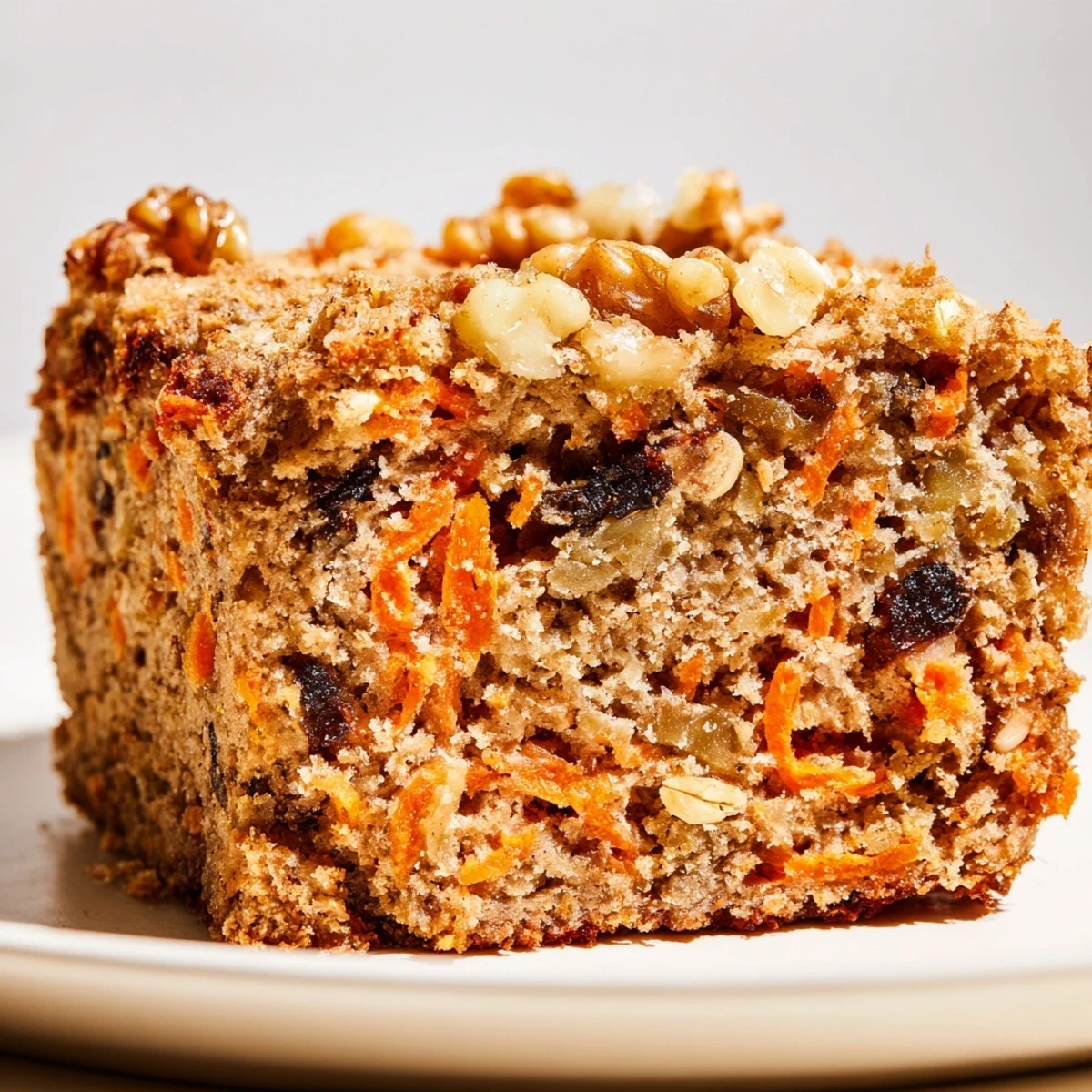
 There's something deeply satisfying about serving a cake that's both indulgent and nourishing, watching people's surprise when they learn it's flourless. Every slice feels like a small victory against the idea that healthy baking has to taste like compromise.
Recipe FAQs
- → Is this carrot cake completely gluten-free?
-
Yes, when using certified gluten-free oats, this cake is completely gluten-free. The oat flour replaces wheat flour entirely while maintaining a moist, tender texture.
- → Can I make this carrot cake vegan?
-
Absolutely. Replace each egg with one flax egg (1 tablespoon ground flaxseed mixed with 3 tablespoons water), use plant-based syrup like maple, and opt for coconut oil instead of butter.
- → How should I store leftovers?
-
Store cooled cake in an airtight container at room temperature for up to 3 days, or refrigerate for up to a week. The cake also freezes well for up to 3 months when wrapped tightly.
- → What can I use instead of raisins and walnuts?
-
Chocolate chips, dried cranberries, chopped pecans, or shredded coconut all work beautifully as add-ins. Feel free to mix and match based on your preferences or what you have on hand.
- → Do I need a frosting?
-
No frosting is required—the cake is delicious on its own. However, a simple cream cheese frosting or Greek yogurt topping adds a tangy, creamy element that complements the sweet spiced cake perfectly.