
 Pin it
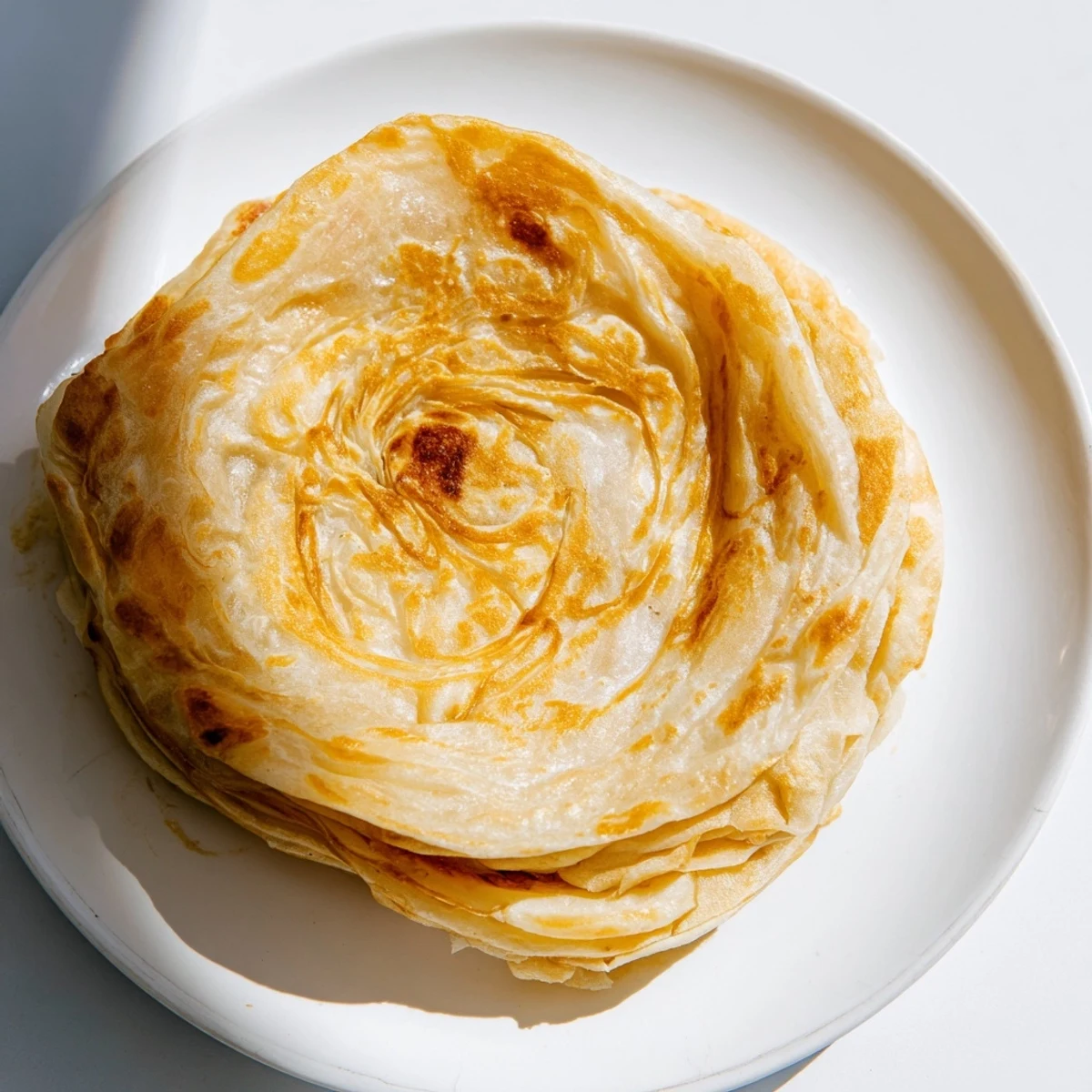
 Enjoy the authentic taste of Flaky Roti Canai, a Malaysian staple known for its buttery layers and crisp texture. This versatile flatbread pairs perfectly with curries or stands alone as a delicious snack. With a resting period for gluten relaxation, each piece becomes stretchy and light. Brushed with ghee and folded to create signature layers, it’s cooked to golden perfection.
I still remember the first time I watched a street vendor toss roti dough in the air, spinning it until it was paper thin and draped over his griddle like a silk cloth. The smell of ghee hitting the hot iron was intoxicating, a rich, nutty aroma that drifted through the humid morning air and pulled me in from a block away. Trying to replicate that magic in my own tiny apartment kitchen felt daunting at first, but the rhythm of folding and rolling became surprisingly meditative. Now, hearing the sizzle of the dough is an instant comfort.
Last winter, when the days were short and the kitchen was cold, I made a batch of these to warm us up. We stood around the stove, tearing off pieces of steaming hot flatbread and dipping them into a rich chicken curry, laughing as flakes of buttery pastry drifted onto the counter. It turned a simple Tuesday dinner into a feast.
Ingredients
- All purpose flour: The backbone of the dough, providing the necessary structure to hold those delicate layers.
- Salt: Essential to enhance the flavor and balance the sweetness of the sugar.
- Sugar: Helps with browning and adds a subtle sweetness that complements savory dips.
- Ghee or unsalted butter: The secret to the rich flavor and flaky separation between layers.
- Water: Brings the dough together, adjusted slightly to get the perfect soft consistency.
- Vegetable oil: Mixed with ghee for the coating to ensure the dough stays pliable during resting.
Instructions
- Mix the dough:
- Combine flour, salt, and sugar in a bowl, then create a well for melted ghee and water.
- Knead:
- Work the dough on a floured surface until it feels smooth and bounces back when pressed.
- Rest the balls:
- Divide into six pieces, coat with oil, and let them sit for an hour to relax the gluten.
- Stretch it thin:
- Oil your hands and surface, then flatten and pull the dough until it is almost translucent.
- Butter and fold:
- Brush generously with softened ghee, fold into a letter shape, and roll into a loose coil.
- Shape and cook:
- Flatten the coils slightly and cook on a hot griddle until golden brown and puffy.
- The final slap:
- Clap the cooked roti between your hands once to encourage the layers to separate.
 Pin it
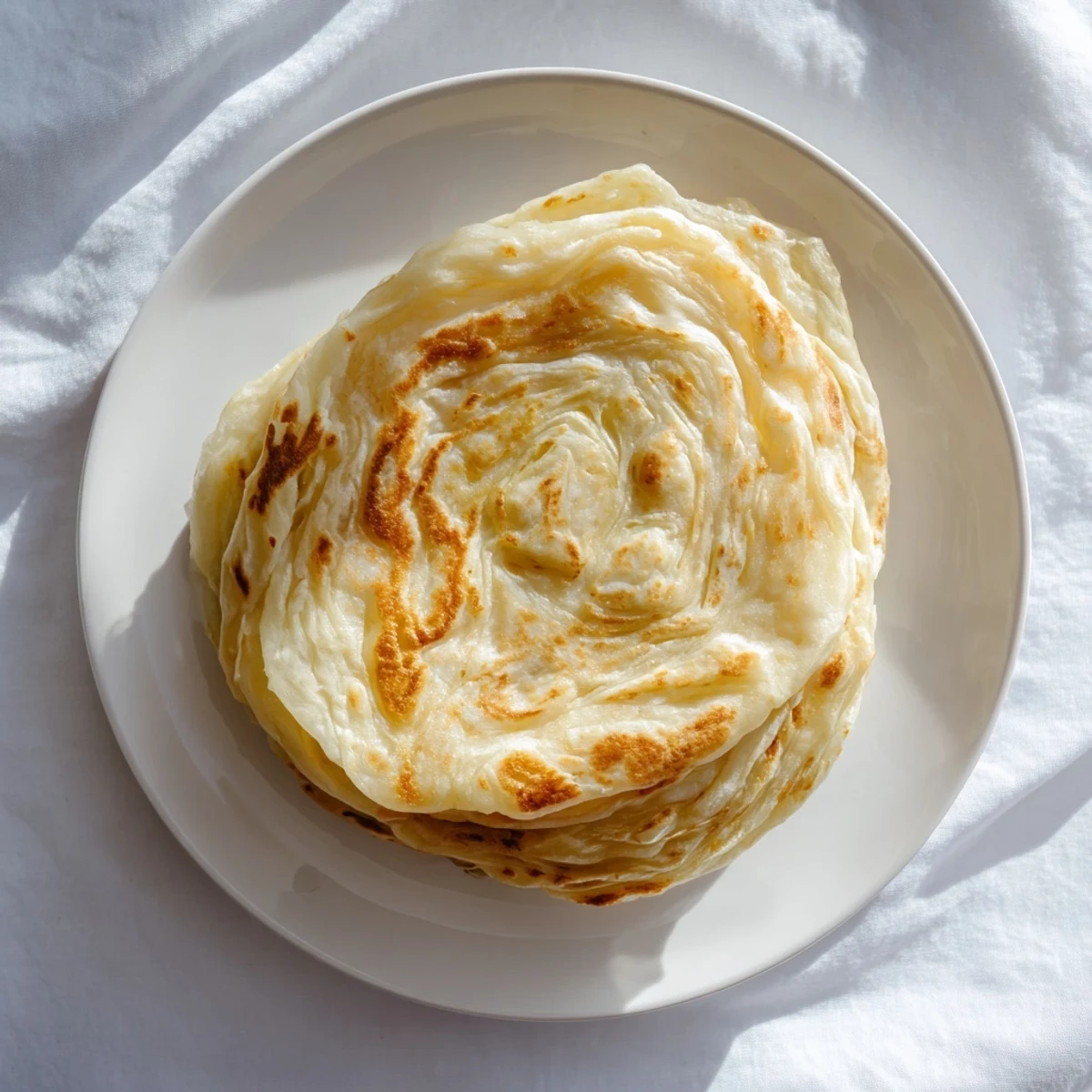
 There is something deeply satisfying about pulling a warm roti apart and seeing the steam rise from between the layers. It reminds me that good food does not have to be complicated, just made with care.
Getting the Stretch Right
Using your hands to stretch the dough is traditional and gives you better control than a rolling pin. Gravity is your friend here, so let the dough hang over your knuckles and gently pull the edges outward.
Flavor Variations
While classic roti is perfect on its own, you can fold in finely chopped onions or scattering of cilantro before rolling the coil for extra savory notes.
Serving Suggestions
This bread is the ultimate vehicle for soaking up sauces, but it stands alone beautifully too. Try these pairings next time you make a batch.
- Dip it into a warm, spicy dhal for a classic combination.
- Drizzle with sweetened condensed milk for a traditional Malaysian breakfast treat.
- Serve alongside a savory chicken or mutton curry to soak up the gravy.
 Pin it
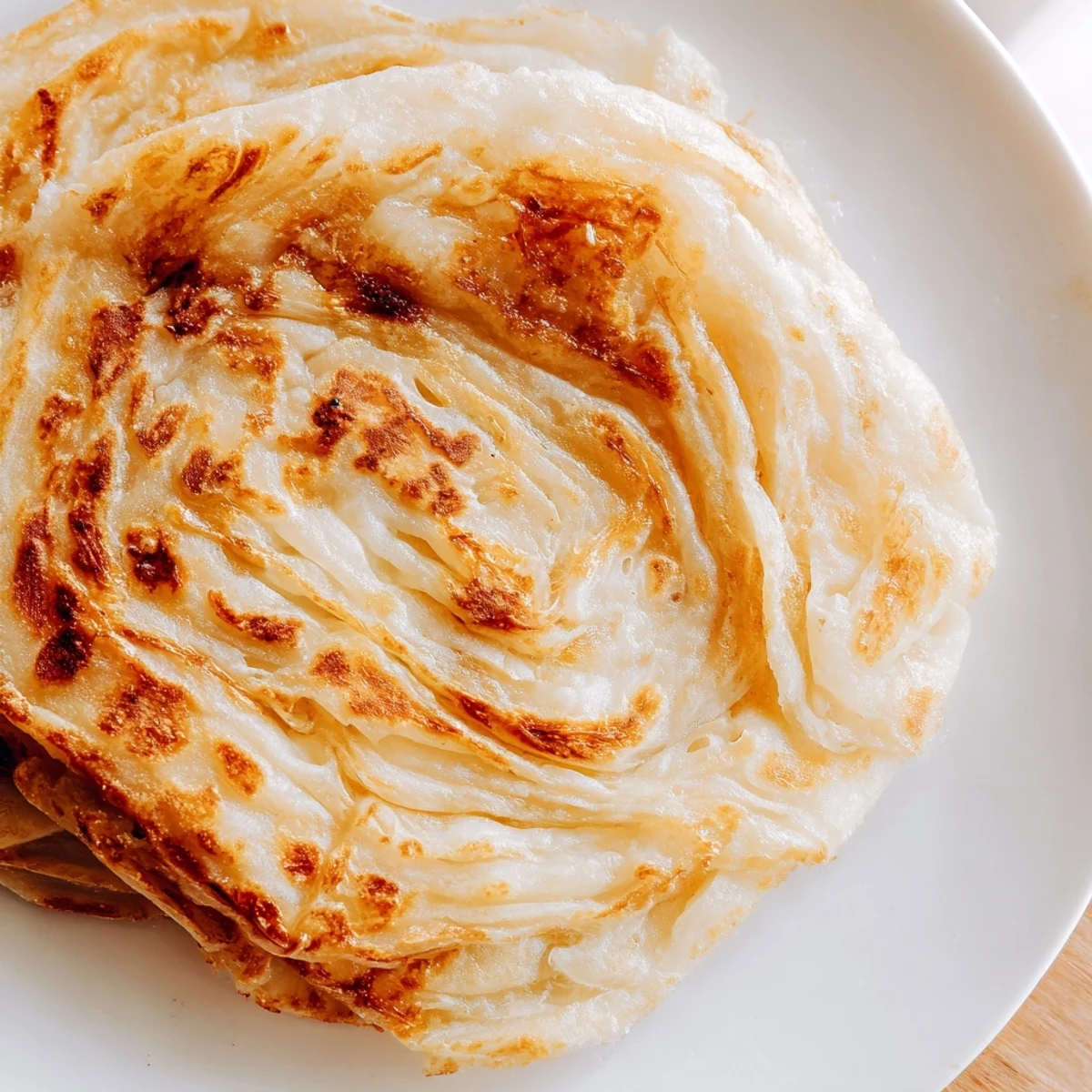
 Enjoy the process of making these, and do not worry if they are not perfect circles. The taste is always worth the effort.
Recipe FAQs
- → What makes Roti Canai flaky?
-
Brushing the stretched dough with softened ghee and folding it into a coil creates the characteristic flaky layers.
- → Can I freeze Roti Canai dough?
-
Yes, after shaping the dough into coils, wrap them tightly and freeze. Thaw before rolling and cooking.
- → What dishes pair well with Roti Canai?
-
It’s traditionally served with dhal, chicken curry, or even condensed milk for a sweet variation.
- → Why is resting the dough important?
-
Resting relaxes the gluten, making the dough easier to stretch into thin, translucent sheets.
- → Can I use butter instead of ghee?
-
Yes, unsalted butter works well, though ghee adds a richer, more authentic flavor.