
 Pin it
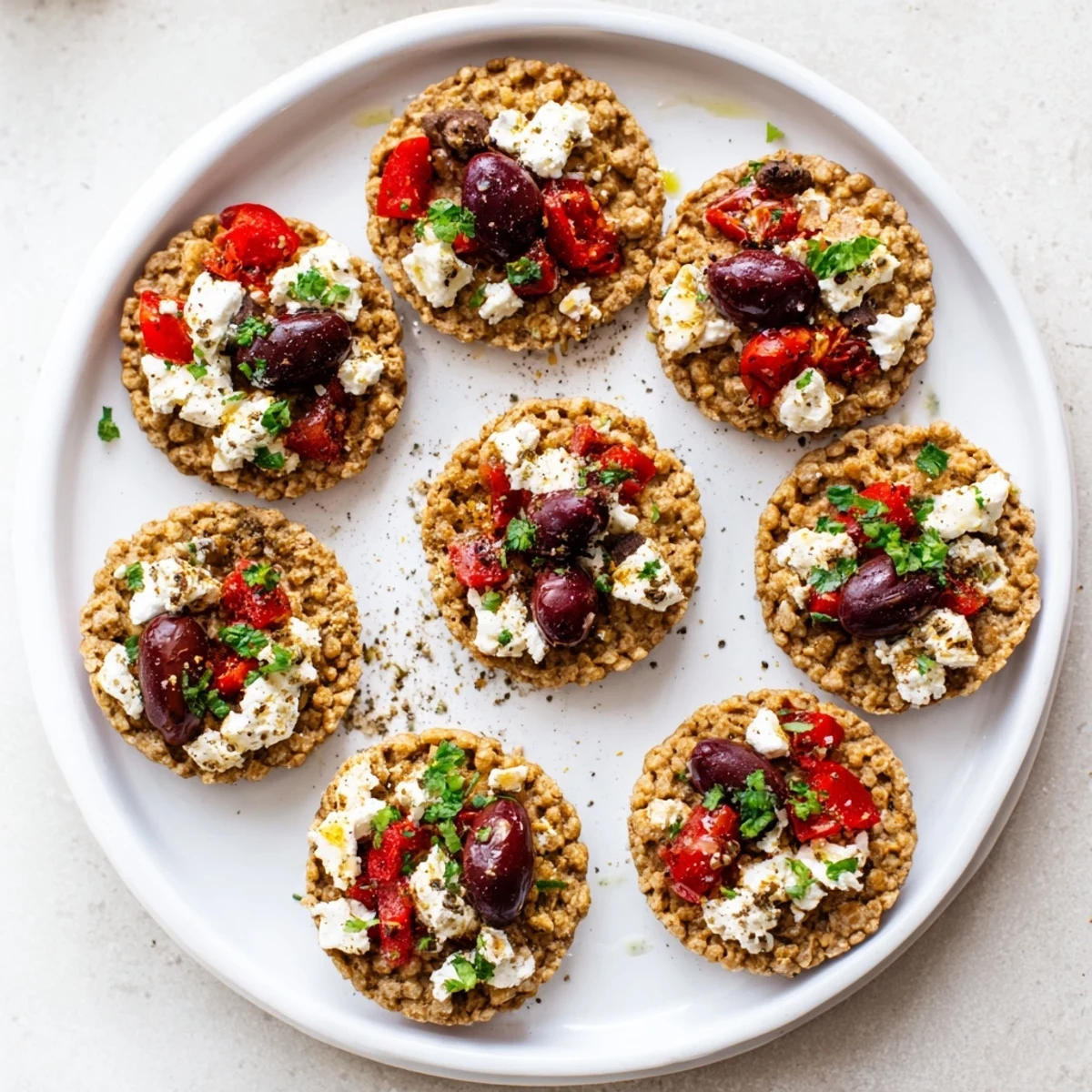
 Cretan feta rusks bring together the satisfying crunch of toasted barley dakos with creamy crumbled feta, juicy diced tomatoes and fragrant oregano. A generous drizzle of extra virgin olive oil ties everything together while kalamata olives and capers add a briny finish.
Ready in just 22 minutes with no complicated techniques, they make an effortless addition to any mezze spread or a standalone appetizer for gatherings. The contrast of textures—crisp rusks against soft toppings—keeps every bite interesting.
The afternoon sun was relentless the day my friend Elena handed me a rusk topped with crumbled feta and diced tomato on a terrace in Chania. I bit into something so crunchy and so simple that I immediately questioned why I had ever bothered with complicated appetizers. The barley rusk shattered into fragments that mingled with creamy cheese and grassy olive oil, and I finished three more before the sun moved a single degree across the sky.
I brought this recipe home and made it for a dinner party where nobody believed me when I said it took less than twenty minutes from cupboard to table.
Ingredients
- 8 Cretan barley rusks (dakos): These double baked barley rounds are the backbone of the dish, and if you cannot find them, any hard whole grain rusk will do the job beautifully.
- 150 g feta cheese, crumbled: Use a good quality block stored in brine, because pre crumbled feta dries out and loses the creaminess that makes each bite feel luxurious.
- 2 medium ripe tomatoes, finely diced: Their juiciness seeps into the rusk and creates a soft layer beneath the cheese, so pick tomatoes that yield slightly when pressed.
- 3 tbsp extra virgin olive oil: This is not the place for a timid drizzle, because the oil softens the rusk surface and carries the oregano flavor into every crevice.
- 1 tsp dried oregano: Rub it between your palms before sprinkling to wake up the essential oils and release a fragrance that transforms the whole plate.
- 1 tbsp fresh parsley, chopped (optional): Adds a bright green finish that makes the rusks look as vibrant as they taste.
- Black pepper and sea salt, to taste: Go easy on the salt since the feta and olives already bring plenty, but do not skimp on the pepper.
- 8 to 10 kalamata olives, pitted and sliced: Their briny bite cuts through the richness of the cheese and ties everything back to the Aegean.
- Capers (optional): Little salty explosions that work wonders if you enjoy bold flavors.
Instructions
- Toast the rusks:
- Preheat your oven to 180 degrees C (350 degrees F), arrange the rusks on a baking tray, and let them warm for 8 to 10 minutes until they sound hollow when tapped with a knuckle.
- Soften the surface:
- Pull the tray out and lightly drizzle about one tablespoon of olive oil across each rusk, waiting just long enough for the oil to soak in and soften the top without turning it soggy.
- Build the tomato layer:
- Spoon the diced tomatoes evenly over each rusk, pressing them gently so the juices begin to seep down into the barley.
- Add the feta:
- Crumble generous handfuls of feta on top of the tomatoes, letting the pieces fall in uneven chunks because the rough texture is part of the charm.
- Finish with oil and herbs:
- Drizzle the remaining olive oil over the cheese, then scatter the oregano and a good crack of black pepper across every rusk.
- Garnish and serve:
- Arrange the sliced olives and capers on top, add parsley if you are using it, and bring them to the table immediately while the base is still shatteringly crisp.
 Pin it
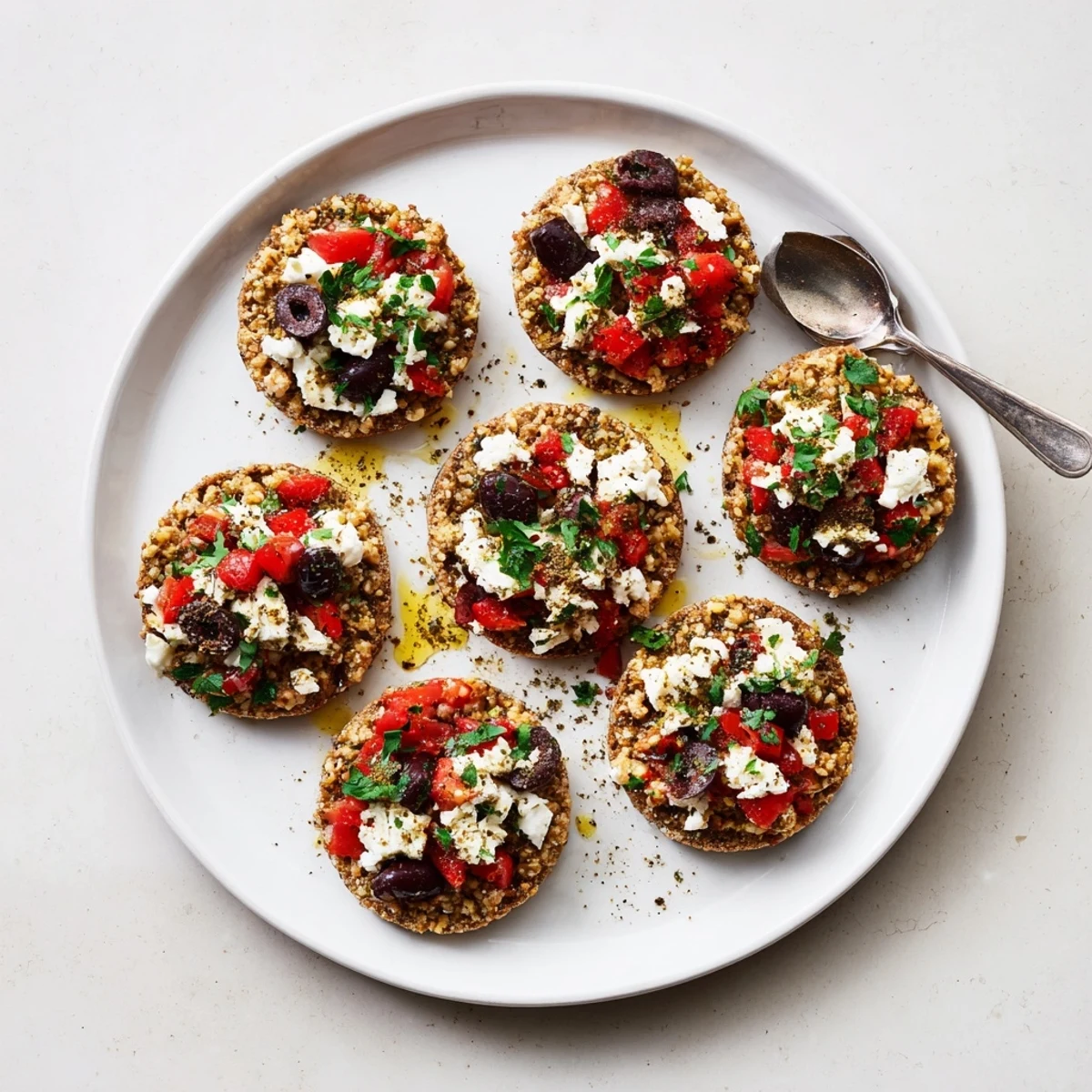
 One warm September evening I set a platter of these out on the garden table and watched a group of friends go quiet for the first time all night, their attention stolen entirely by the crunch.
What to Serve Alongside
A chilled glass of Assyrtiko or any crisp white wine with mineral undertones is the companion this dish deserves, because the wine cuts through the salt and richness exactly when you need it to.
Swaps and Variations
Soft goat cheese makes an excellent substitute for feta if you want something tangier and slightly more earthy, and a pinch of smoked paprika on top takes the whole plate in a surprisingly different direction.
Getting Ahead and Storing
You can prep all the toppings hours in advance and keep them in separate bowls in the fridge, then assemble everything at the last minute so the rusks never lose their snap.
- Toast the rusks ahead and store them in an airtight container for up to three days.
- Keep leftover assembled rusks in the fridge but know they will soften considerably by the next day.
- Always add the final olive oil drizzle right before serving for the best texture and flavor.
 Pin it
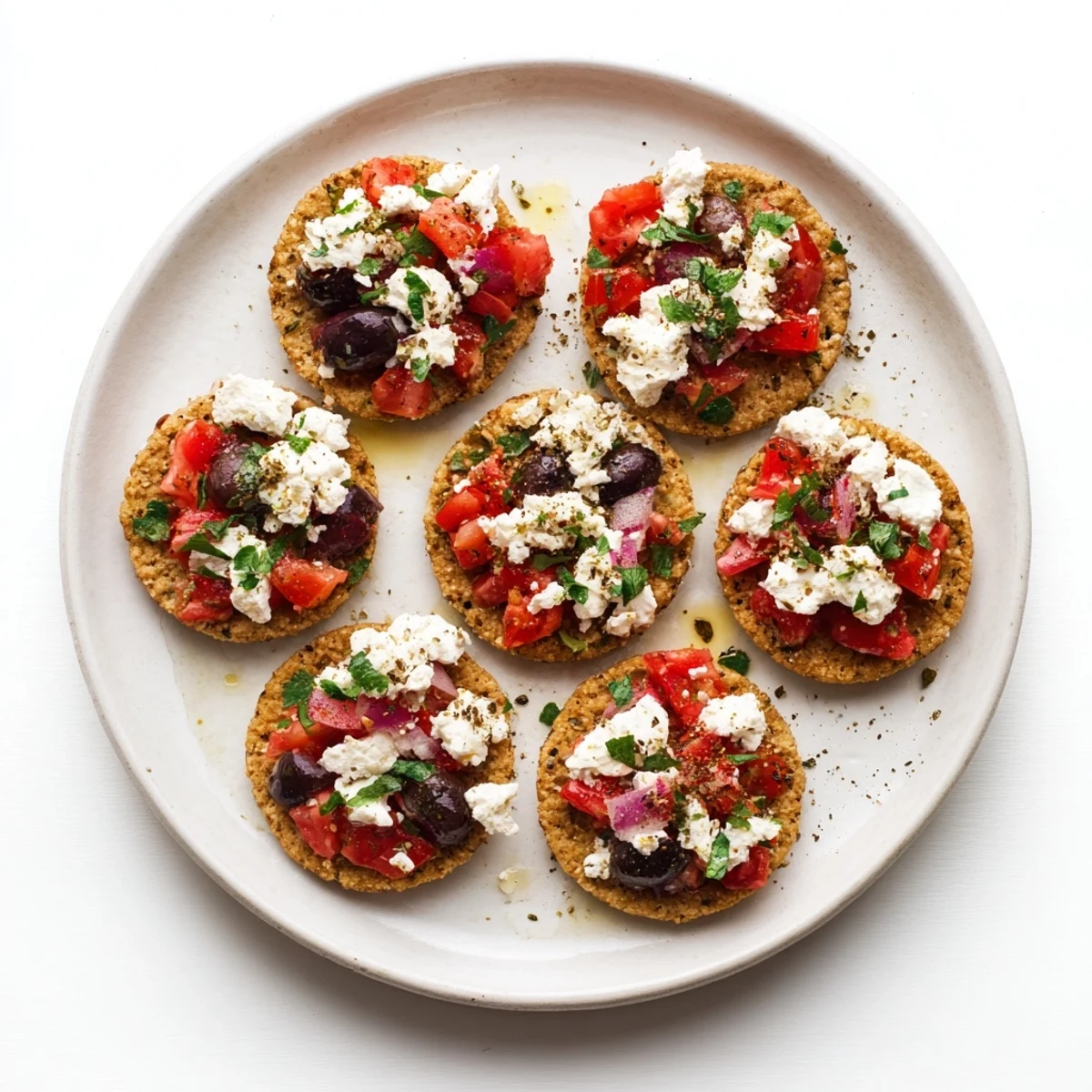
 Keep a stack of rusks and a block of feta in your pantry and you will never be caught without something wonderful to offer an unexpected guest.
Recipe FAQs
- → Can I use regular bread instead of Cretan barley rusks?
-
Regular bread won't provide the same crunch or rustic texture. If you can't find dakos, look for other hard whole-grain rusks or thick-cut sourdough toasties that hold up under toppings without becoming soggy.
- → How do I keep the rusks crunchy after topping them?
-
Assemble and serve immediately for the best crunch. Lightly toasting the rusks first and drizzling with just a small amount of olive oil creates a barrier that slows moisture from the tomatoes from seeping in.
- → What can I substitute for feta cheese?
-
Soft goat cheese works beautifully as an alternative, offering a tangier profile. For a vegan version, try crumbled firm tofu seasoned with lemon juice, nutritional yeast and a pinch of salt.
- → Are Cretan rusks gluten-free?
-
Traditional barley rusks contain gluten since they are made from barley flour and wheat. If you need a gluten-free option, substitute with gluten-free crispbreads or toasted gluten-free bread rounds.
- → What wine pairs well with feta rusks?
-
A crisp Assyrtiko from Santorini complements the salty feta and briny olives perfectly. Other great options include a dry Sauvignon Blanc, a light Pinot Grigio or even a chilled rosé.