 Pin it
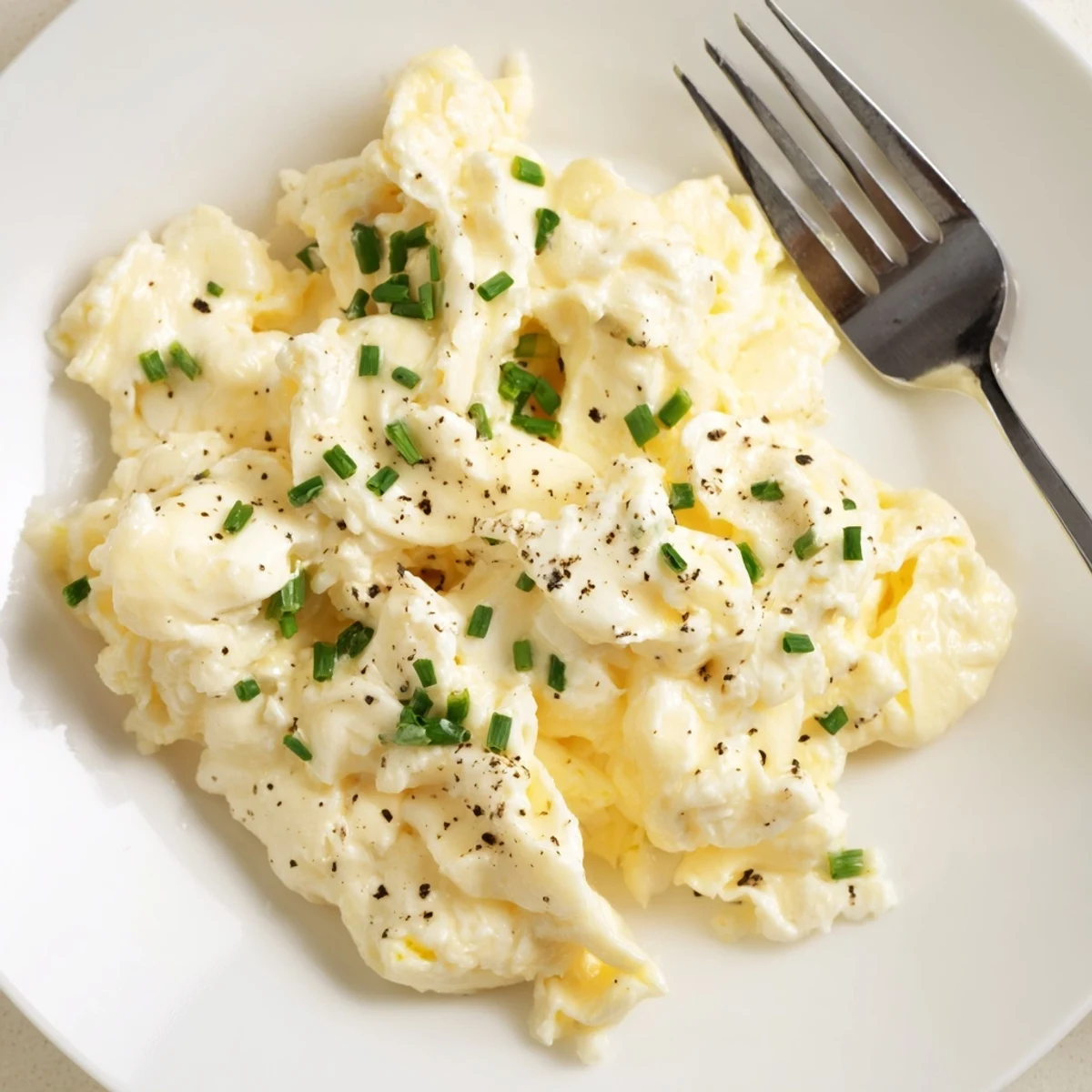
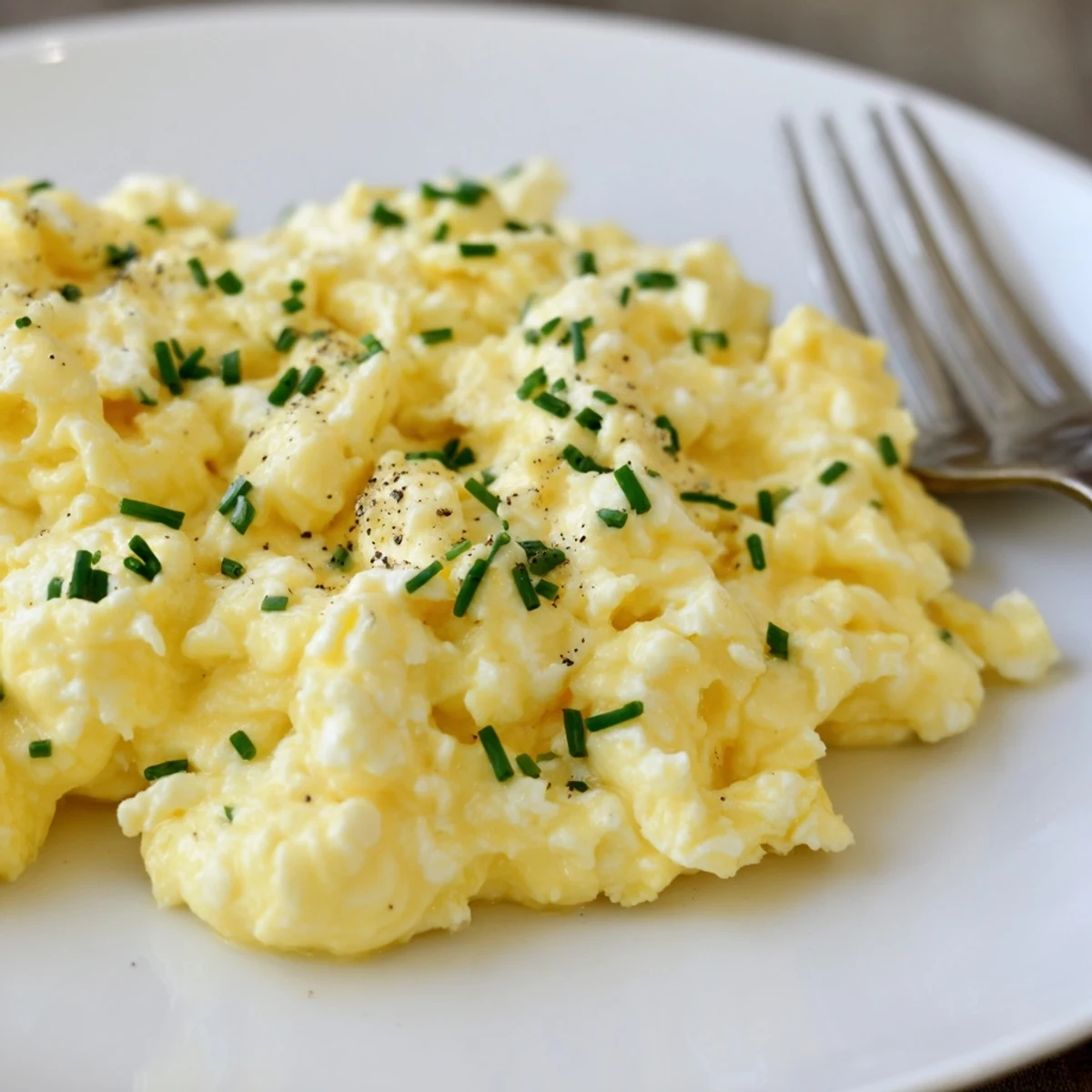
 In about 10 minutes, whisk eggs with salt and pepper, fold in cottage cheese and half the chopped chives, then cook gently in butter over medium-low heat. Stir slowly until soft, creamy curds form, then remove from heat while still slightly runny so residual heat finishes cooking. Finish with remaining chives and serve hot with toasted bread or smoked salmon for added richness.
My roommate in college used to swear by cottage cheese in her scrambled eggs, and honestly, I thought she was unhinged every time she scooped it into the pan at six in the morning. Turns out she was onto something extraordinary that I was too stubborn to appreciate for years. The curds melt into pockets of creamy tang that transform ordinary eggs into something that tastes like it took far more effort than five minutes.
One lazy Sunday I made these for my skeptical partner who grew up hating cottage cheese with a burning passion. He finished his entire plate before I even sat down, looked at me, and quietly admitted he might need to rethink his entire childhood stance on the stuff.
Ingredients
- 4 large eggs: Room temperature eggs whisk more evenly and produce a fluffier curd, so pull them out of the fridge first.
- 1/2 cup cottage cheese: Full fat gives you the creamiest result, but low fat works beautifully if that is what you have on hand.
- 1 tablespoon unsalted butter: Butter adds a richness that olive oil simply cannot replicate here, so do not substitute it.
- 2 tablespoons fresh chives: Their mild onion flavor cuts through the richness perfectly, and dried chives will not do this dish justice.
- 1/4 teaspoon salt: Cottage cheese is already seasoned, so start light and adjust at the end if needed.
- 1/8 teaspoon black pepper: Freshly cracked pepper makes a noticeable difference, so please skip the pre ground stuff.
Instructions
- Whisk everything together:
- Crack the eggs into a medium bowl, add salt and pepper, and whisk until you see no transparent streaks of white remaining. You want a uniform golden liquid that looks completely blended.
- Fold in the cottage cheese:
- Stir in the cottage cheese along with half your chopped chives. Do not overmix or you will break down the curds too much before they even hit the pan.
- Melt the butter slowly:
- Set your nonstick skillet over medium low heat and let the butter melt until it just starts to foam and bubble gently. If it browns, your heat is too high and you need to start over with fresh butter.
- Cook with patience:
- Pour in the egg mixture and use a flexible spatula to gently sweep the bottom and sides. Push slowly and let the liquid egg fill in behind your spatula strokes, creating large soft folds.
- Pull early and let rest:
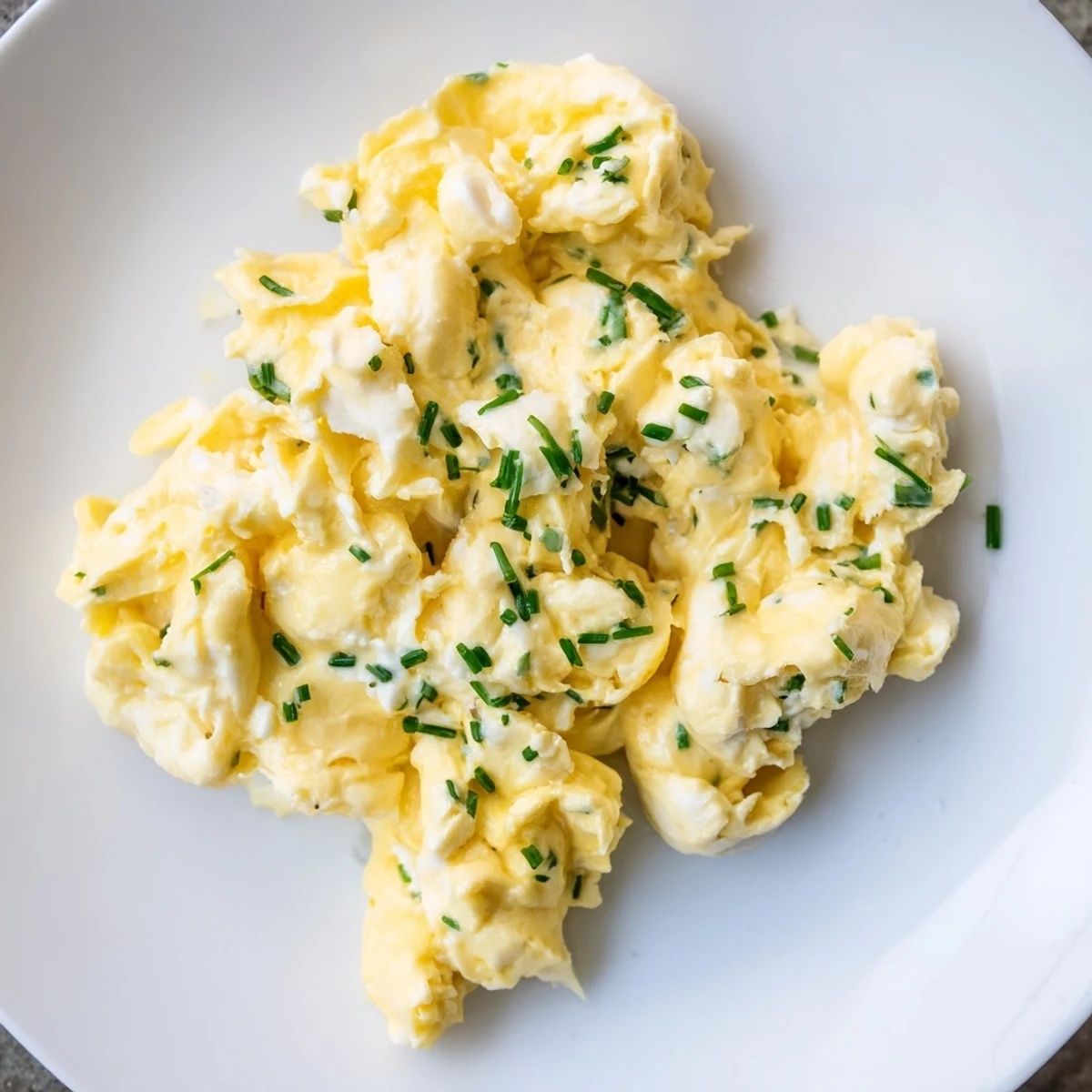
- Take the pan off the heat when the eggs look slightly wet and underdone in spots. They will finish cooking on the plate in the thirty seconds it takes you to walk to the table.
- Finish with chives:
- Scatter the remaining chives over the top and serve right away while the eggs are still steaming and jiggly in the center.
 Pin it
 I brought these to a potluck brunch once in a warm skillet wrapped in towels, and three people texted me later that week asking for the recipe.
Serving Ideas Worth Trying
A slice of toasted sourdough rubbed with a cut garlic clove is the ideal landing pad for these creamy eggs. A simple side salad of arugula dressed with lemon juice provides a peppery contrast that balances the richness on the plate.
Swaps and Additions
Ricotta works in place of cottage cheese if you want something milder and smoother in texture. A handful of baby spinach stirred in during the last minute of cooking wilts down beautifully and adds color without much effort.
Storage and Reheating
Scrambled eggs are always best the moment they leave the pan, but leftovers will keep in the refrigerator for up to two days in an airtight container. Reheat gently in a skillet over low heat with a tiny pat of butter to bring back some of the original creaminess.
- Never microwave them unless rubbery eggs are something you genuinely enjoy.
- A splash of cream beaten into the eggs before cooking buys you extra insurance against dryness on a reheat.
- Always taste before adding more salt since the cottage cheese contributes hidden seasoning.
 Pin it
 Some mornings call for elaborate breakfast projects and some mornings just need something warm and satisfying on the plate fast. These eggs live happily in that second category while still tasting like you went out of your way.
Recipe FAQs
- → How can I keep the eggs soft and creamy?
-
Cook over medium-low heat and stir gently so curds form slowly. Remove the pan while the eggs are still slightly runny; carryover heat will finish them. Folding in cottage cheese before cooking also helps maintain a moist, tender texture.
- → What can I use instead of cottage cheese?
-
Ricotta gives a milder, creamier finish, mascarpone adds richness, and Greek yogurt thinned with a little milk can work for tang and moisture. Each substitute shifts texture and flavor slightly.
- → Any tips for seasoning and balance?
-
Season lightly before cooking—cottage cheese may add salt—then finish with freshly ground pepper and extra chives. A small splash of cream or a pinch of lemon zest brightens the dish as needed.
- → How should leftovers be stored and reheated?
-
Cool promptly and refrigerate in an airtight container for up to 2 days. Reheat gently in a skillet over low heat with a tiny splash of milk or butter to loosen the curds, or microwave in short bursts, stirring between intervals.
- → What mix-ins pair well with these eggs?
-
Fresh spinach, smoked salmon, sautéed mushrooms, or a handful of grated cheese all complement the cottage cheese and chives. Add delicate ingredients at the end to preserve texture and flavor.
- → Is this dish suitable for special diets?
-
It fits vegetarian and low-carb plans. Choose low-fat cottage cheese to reduce calories and verify product labels if strict gluten-free or other allergen considerations are required.