
 Pin it
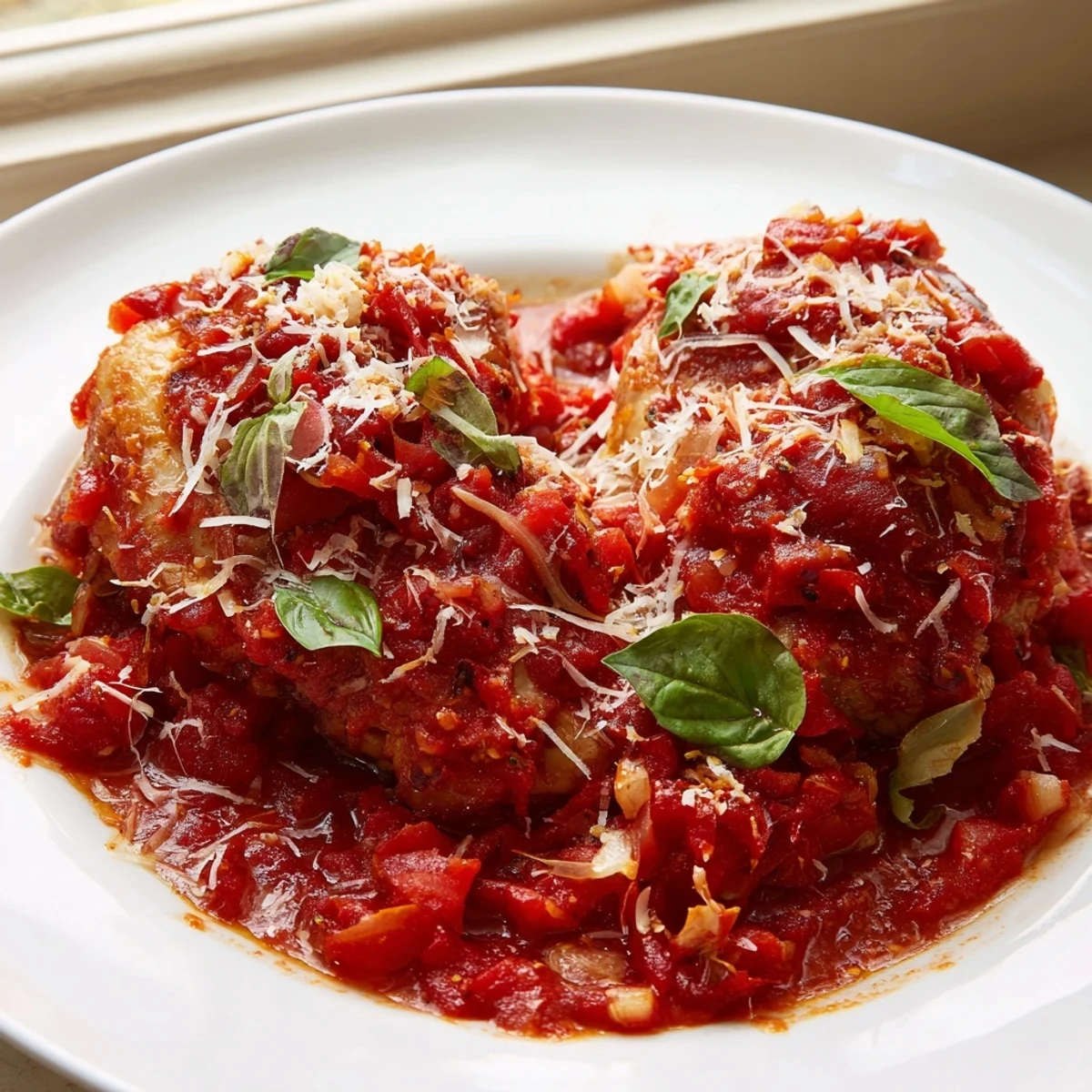
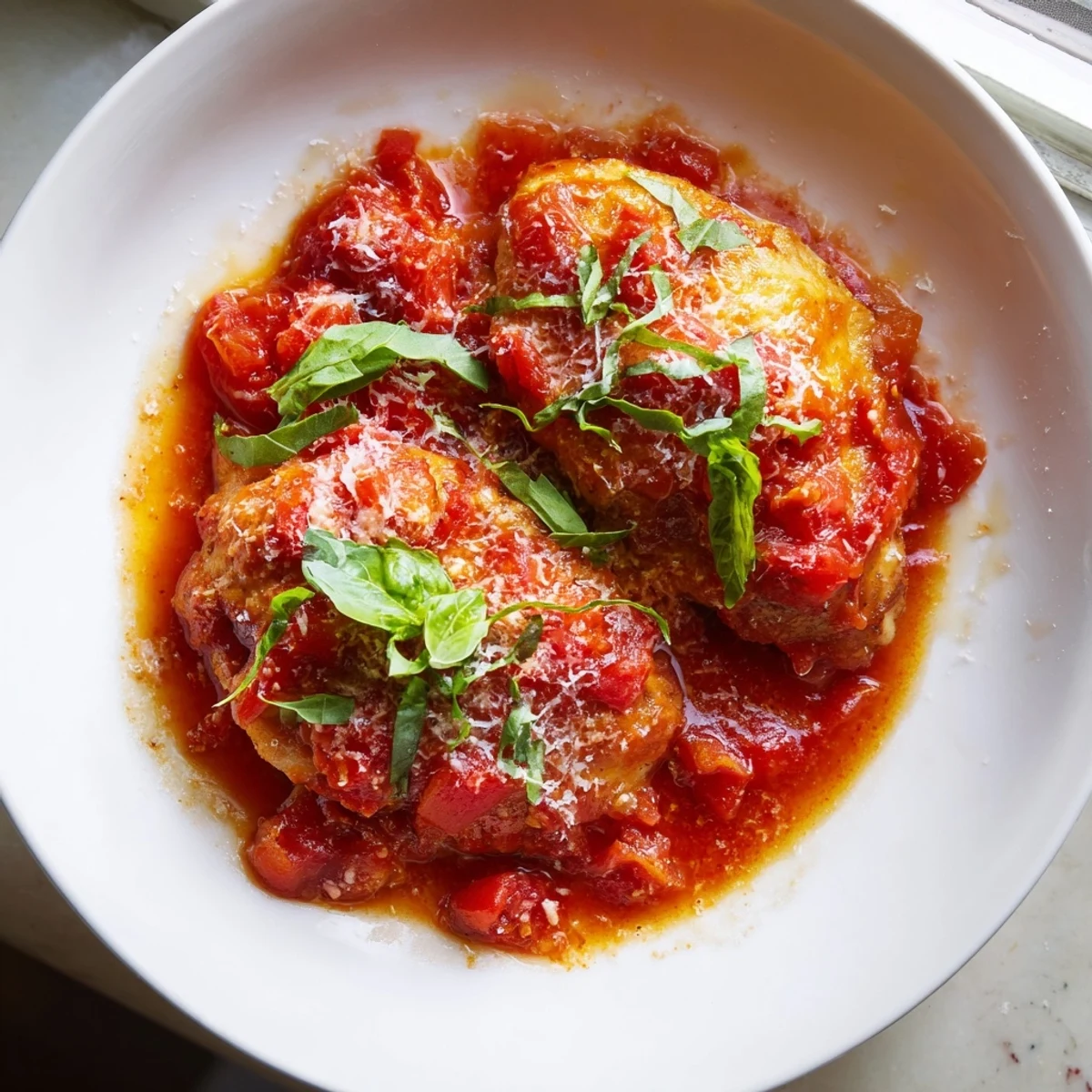
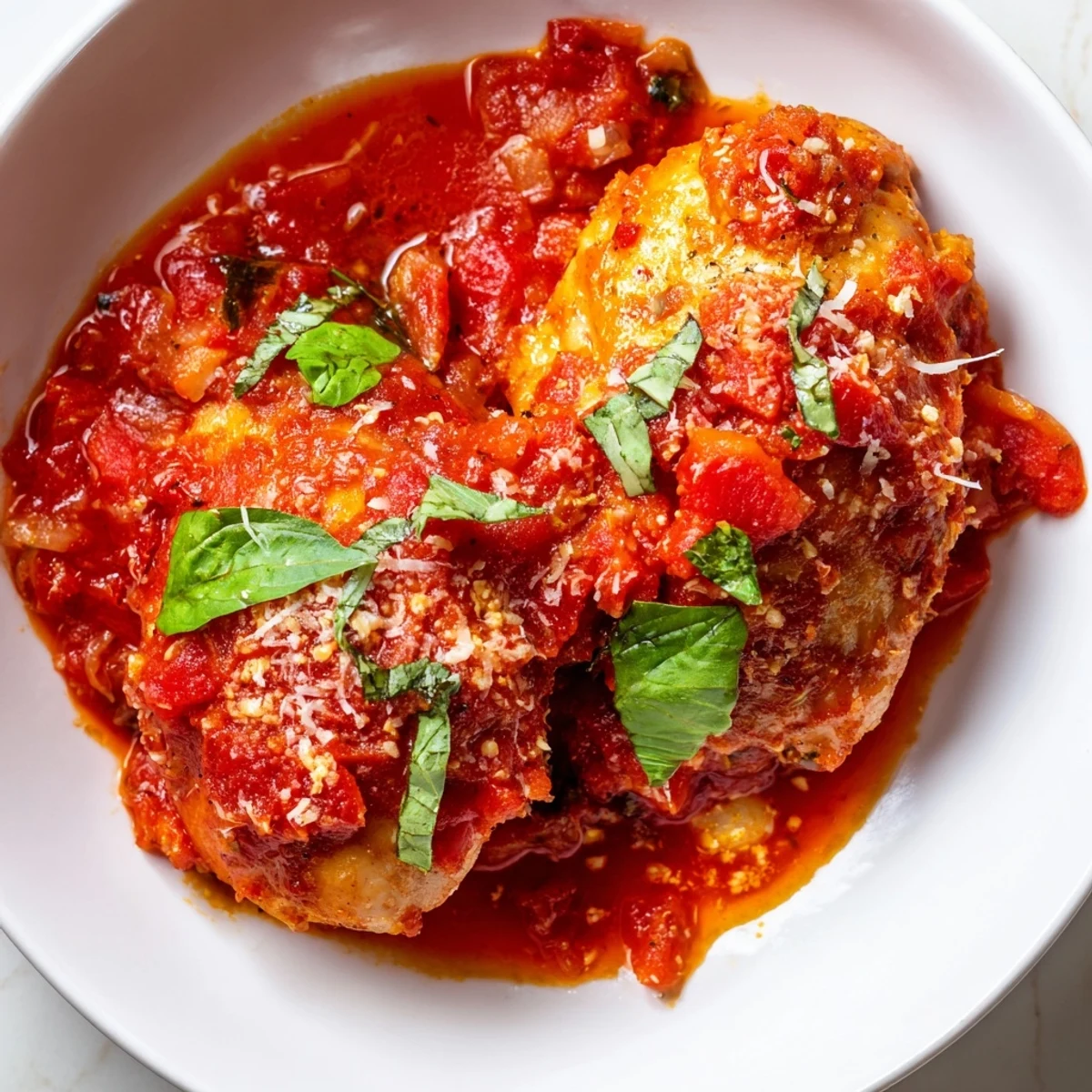
 This Italian-inspired chicken pomodoro features boneless chicken breasts seared to golden perfection, then gently braised in a rich, housemade tomato sauce. The sauce combines crushed and diced tomatoes with sautéed onion, garlic, oregano, and torn fresh basil for layers of Mediterranean flavor.
Ready in just 45 minutes with 15 minutes of prep, it's an easy weeknight dinner that feels special enough for entertaining. Each serving delivers 45g of protein while remaining naturally gluten-free.
Serve it straight from the skillet with grated Parmesan and extra basil, alongside your favorite pasta, rice, or roasted vegetables for a complete meal.
The summer my neighbor Carmine overloaded his garden with tomatoes, he left a grocery bag of them on my porch every Sunday morning for three weeks straight. By week two, I had run out of ideas and started throwing them into everything, including a half finished chicken braise that turned into the best accidental dinner of that entire year. The house smelled like a trattoria on a hillside in Umbria, and my kids actually set the table without being asked. That dish eventually became this Chicken Pomodoro Delight, and it still tastes like August to me no matter when I make it.
One rainy Tuesday I invited my sister over for dinner and made this, and she sat at my kitchen counter eating straight from the pan with a chunk of bread before I could even plate it. We stood there in comfortable silence, sauce dripping off the bread, the rain hammering the window, and she just nodded and said yeah this one stays. She now texts me every few months asking for the recipe again, claiming she lost it, and I send it every time because some rituals are worth keeping.
Ingredients
- 4 boneless, skinless chicken breasts: Pound them to even thickness so they cook uniformly and you avoid the dreaded dry edge and raw center problem.
- Salt and freshly ground black pepper: Season generously on both sides, more than you think you need, because the sauce will mellow everything out.
- 3 tbsp olive oil total, divided: Use a good quality extra virgin for the sauce but a milder oil for searing the chicken at high heat.
- 1 medium onion, finely chopped: A yellow onion works best here since it sweetens as it softens without overpowering the tomatoes.
- 3 garlic cloves, minced: Fresh garlic only, and mince it fine so it melts into the sauce rather than sitting in chunky bits.
- 1 can (400 g) crushed tomatoes: San Marzano if you can find them, the flavor difference is real and worth the extra dollar.
- 2 large ripe tomatoes, diced: These add freshness and a slight texture that canned tomatoes alone cannot achieve.
- 1 tsp dried oregano: Rub it between your palms as you add it to wake up the essential oils.
- 1/2 tsp chili flakes: Entirely optional but even a small amount gives the sauce a gentle warmth that keeps you reaching for another bite.
- 1 tsp sugar: This little spoonful tames the acidity of the tomatoes and makes the whole dish taste rounder and more complete.
- 20 fresh basil leaves, torn: Tear them by hand right before adding, never cut with a knife, because bruising the leaves releases the best aroma.
- 50 g grated Parmesan cheese: Grate it yourself from a block, the pre grated stuff has anti caking agents that make it sandy instead of creamy.
Instructions
- Season and Sear the Chicken:
- Pat the chicken breasts dry with paper towels and season both sides well with salt and pepper. Heat 2 tablespoons of olive oil in a large skillet over medium high heat until it shimmers, then lay the chicken in carefully away from you and let it brown undisturbed for 3 to 4 minutes per side until you get a deep golden crust.
- Build the Aromatics:
- Remove the chicken and set it aside on a plate. In the same skillet with all those beautiful browned bits, add the remaining tablespoon of oil and sauté the onion for 2 to 3 minutes until it softens and turns translucent, then stir in the garlic for about 30 seconds until your kitchen smells absolutely heavenly.
- Simmer the Pomodoro Sauce:
- Pour in the crushed tomatoes, diced fresh tomatoes, oregano, chili flakes, and sugar, stirring to scrape up every bit of fond from the bottom of the pan. Let the sauce simmer gently for 5 minutes so the flavors begin to marry and the fresh tomatoes start breaking down into the mix.
- Braise the Chicken in Sauce:
- Nestle the seared chicken breasts back into the sauce, spooning some over the top so they are halfway submerged. Cover the skillet, reduce the heat to low, and let everything bubble gently for 15 to 20 minutes until the chicken is cooked through and tender enough to cut with a fork.
- Finish with Basil and Serve:
- Stir the torn basil leaves into the sauce and let it simmer uncovered for 2 more minutes so the herbaceous fragrance blooms through the whole dish. Serve immediately with a generous shower of freshly grated Parmesan and a few extra basil leaves on top.
 Pin it
 The thing about this dish that gets me is how it turns a plain Tuesday into something that feels like a real meal, the kind where people linger at the table instead of carrying plates to the couch.
Picking the Right Tomatoes
Canned San Marzano tomatoes are the gold standard for a reason, grown in volcanic soil near Mount Vesuvius, they have a natural sweetness and lower acidity than standard canned varieties. If your grocery store does not carry them, look for any brand that lists only tomatoes and maybe salt on the ingredient label. For the fresh tomatoes, use whatever is ripest and most fragrant, even slightly bruised ones work beautifully here since they break down into the sauce anyway.
What to Serve Alongside
This chicken is saucy by nature, so you want something on the plate that can soak up every last drop. Gluten free pasta is the obvious choice, and a wide noodle like pappardelle or a ridged penne holds the sauce especially well. Steamed rice, crusty bread for dipping, or a bed of roasted vegetables all work beautifully, and honestly a simple side salad with a sharp vinaigrette cuts through the richness perfectly.
Storing and Reheating Like a Pro
This dish is one of those rare ones that actually tastes better the next day, after the sauce has had time to settle and the chicken has absorbed even more flavor overnight. Store it in an airtight container in the refrigerator for up to 3 days, and reheat it gently in a covered skillet over low heat rather than zapping it in the microwave.
- Freeze individual portions in freezer safe containers for up to 2 months for a ready made dinner on busy nights.
- Add a splash of water or broth when reheating if the sauce has thickened too much in the fridge.
- Always reheat gently over low heat to keep the chicken tender and the sauce from separating.
 Pin it
 Some dinners are just dinner, but this one has a way of pulling people into the kitchen and keeping them there. Make it once and it will quietly become part of your regular rotation without you even deciding to put it there.
Recipe FAQs
- → Can I use chicken thighs instead of breasts?
-
Yes, boneless chicken thighs work beautifully in this dish. They remain juicier and more forgiving during the braising process. Adjust the simmering time by a few extra minutes to ensure they cook through completely.
- → What can I serve with chicken pomodoro?
-
Gluten-free pasta, regular spaghetti, rice, or crusty bread are all excellent choices for soaking up the flavorful tomato sauce. A side of roasted vegetables or a simple green salad also pairs well.
- → How do I store and reheat leftovers?
-
Store leftovers in an airtight container in the refrigerator for up to 3 days. Reheat gently in a skillet over medium-low heat, adding a splash of water or broth to loosen the sauce. Microwave reheating works as well, covering the dish to retain moisture.
- → Can I make the pomodoro sauce ahead of time?
-
Absolutely. The tomato sauce can be prepared up to 2 days in advance and stored in the refrigerator. When ready to serve, reheat the sauce in a skillet, add the seared chicken breasts, and simmer until heated through and fully cooked.
- → Is this dish spicy?
-
The chili flakes are optional, so you control the heat level. Without them, the dish is mild and family-friendly. With the full ½ teaspoon, it has a gentle warming kick that doesn't overpower the tomato and basil flavors.
- → How do I know when the chicken is fully cooked?
-
The safest method is using a meat thermometer — chicken is done when the internal temperature reaches 165°F (74°C) at its thickest point. Visually, the meat should be opaque throughout with no pink centers, and the juices should run clear when pierced.