
 Pin it
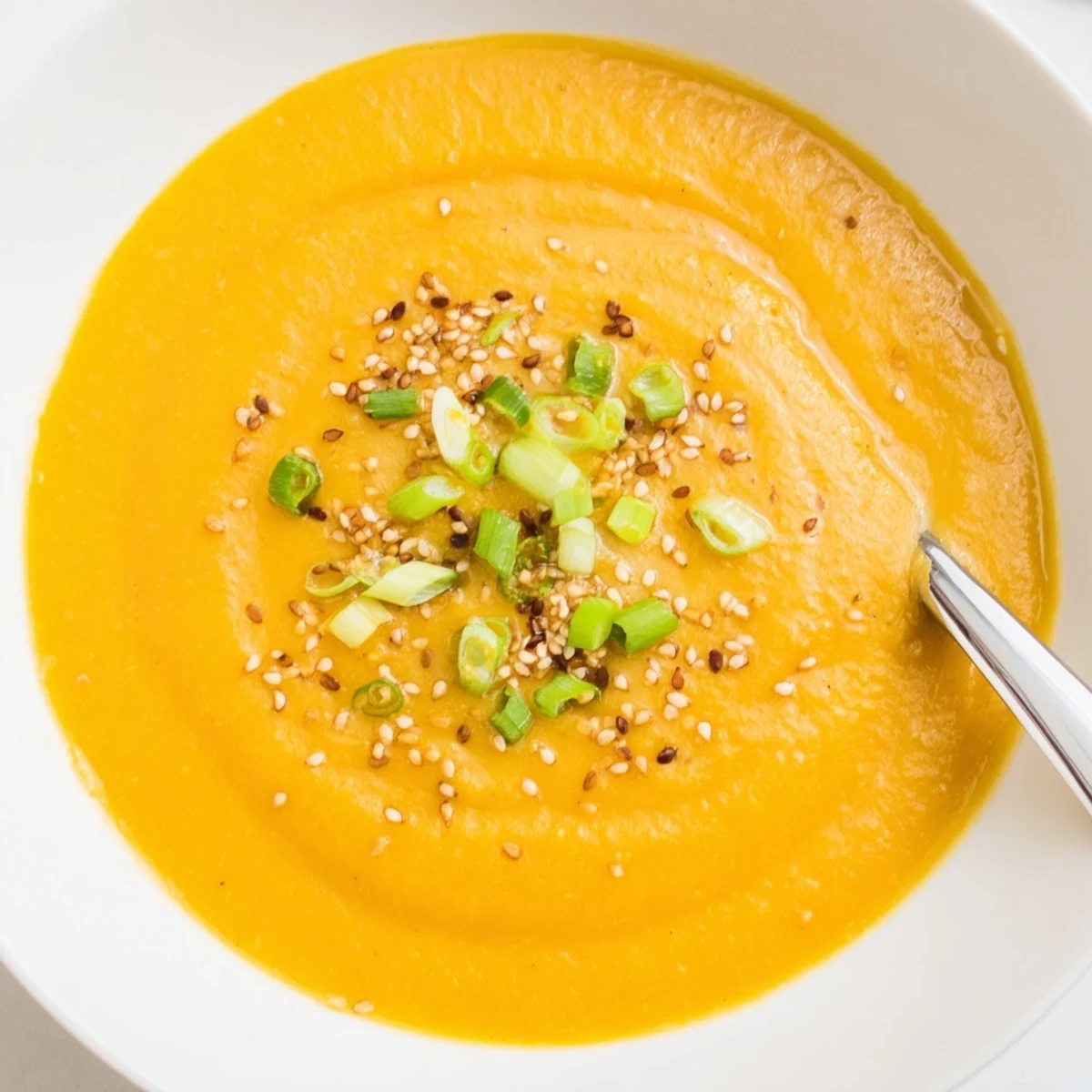
 Start by sautéing onion in olive oil until translucent, then add garlic and grated ginger. Stir in sliced carrots, pour in vegetable broth and simmer until very tender (18–20 minutes). Puree until smooth, then dissolve white miso in a ladle of hot soup and fold back in off the heat — do not boil. Finish with soy sauce, adjust seasoning, and garnish with scallions or toasted sesame; add a splash of coconut milk for extra creaminess.
There was a Tuesday in November when the rain would not stop and I had a bag of carrots staring at me from the crisper, daring me to do something interesting with them. I had miso paste sitting in the fridge door for weeks and a knobby piece of ginger that was about to shrivel past its prime. Twenty minutes later I was slurping something that made me close my eyes and forget the gray sky outside entirely.
I served this to my neighbor Sarah when she stopped by to return a borrowed book and she stood in the kitchen holding the mug with both hands, refusing to sit down until she finished every drop. She called it a hug in a bowl, and honestly that description has stuck with me longer than any cookbook critique ever could.
Ingredients
- Carrots (1 lb, peeled and sliced): The natural sweetness is the star here, so pick the freshest ones you can find and do not skip peeling them for the silkiest result.
- Onion (1 medium, diced): A quiet foundation that rounds out the sharpness of ginger and adds body to the puree.
- Garlic (2 cloves, minced): Just enough to warm things up without stealing the spotlight from miso.
- Fresh ginger (1 inch piece, peeled and grated): This is what makes the soup sing with a gentle, spicy brightness that lingers on your tongue.
- Vegetable broth (4 cups): Use a good quality one since it forms the base of every spoonful.
- White miso paste (2 tbsp): The soul of this recipe, bringing umami and a slightly sweet, fermented depth that nothing else can replicate.
- Olive oil (1 tbsp): For sweating the aromatics until they soften and release their fragrance.
- Soy sauce (1 tbsp, or tamari for gluten free): A splash of saltiness that ties the miso and ginger together beautifully.
- Salt and pepper (to taste): Season gently at the end since miso and soy sauce already carry a lot of salt.
- Scallions (2, thinly sliced, optional garnish): A fresh, oniony crunch on top that makes each bowl feel finished.
- Toasted sesame seeds (1 tbsp, optional garnish): Little nutty specks that add texture and a hint of warmth.
Instructions
- Wake up the aromatics:
- Heat the olive oil in a large pot over medium heat and cook the diced onions for about 4 minutes until they turn soft and translucent, stirring occasionally so they sweeten without browning.
- Add the fragrant duo:
- Toss in the minced garlic and grated ginger, stirring constantly for about a minute until your kitchen smells incredible and you can feel the warmth rising from the pot.
- Let the carrots join:
- Stir in the sliced carrots and let them cook for 2 minutes, just enough to coat them in the aromatics and start softening their edges.
- Simmer until tender:
- Pour in the vegetable broth, bring everything to a boil, then lower the heat and let it simmer gently for 18 to 20 minutes until the carrots yield completely when you press them with a fork.
- Blend until silky:
- Remove the pot from heat and use an immersion blender to puree the soup until it is completely smooth, or work in careful batches with a standard blender if that is what you have.
- Add the miso gently:
- Scoop a ladleful of hot soup into a small bowl and dissolve the miso paste into it before stirring it back into the pot along with the soy sauce, which keeps the probiotics in the miso from being destroyed by high heat.
- Warm through and serve:
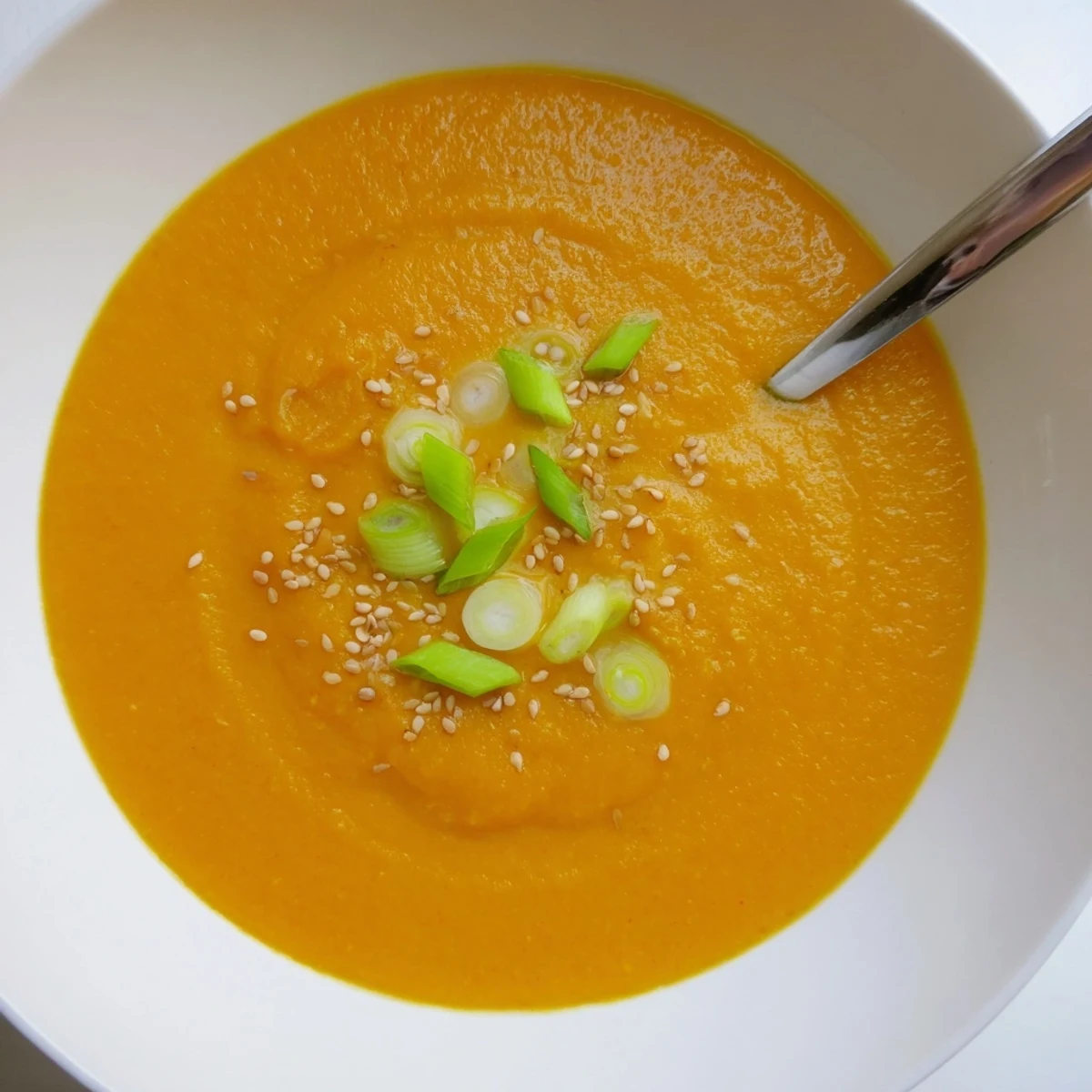
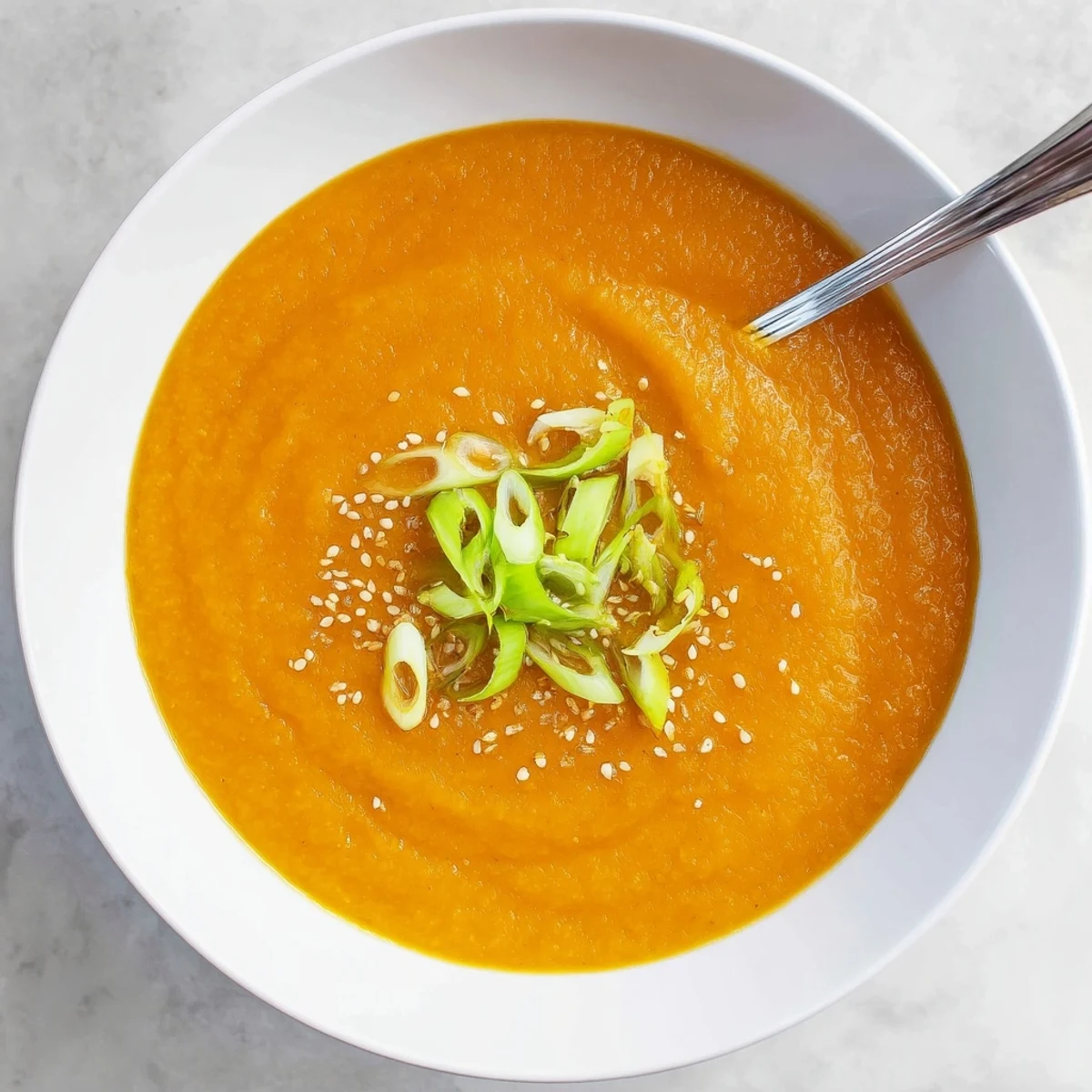
- Reheat the soup gently if needed but never let it boil after the miso goes in, then ladle into bowls and scatter scallions and sesame seeds over the top.
 Pin it
 This soup became my quiet ritual during a winter when I was between jobs and cooking was the one thing that made me feel productive and grounded.
Making It Your Own
A splash of coconut milk swirled in at the end turns this into something almost luxuriously creamy, and a pinch of chili flakes wakes up the ginger in a completely different way.
Swaps and Substitutions
Half the carrots can be replaced with sweet potatoes for a richer, earthier version that still blends up beautifully and tastes like something you would pay good money for at a cafe.
Tools That Make It Easy
An immersion blender is honestly the hero here because it lets you puree right in the pot without transferring hot liquid back and forth, though a regular blender works fine if you are patient and careful with the batches.
- A large heavy bottomed pot distributes heat evenly and prevents the onions from scorching at the edges.
- A ladle is essential for that miso dissolving trick, so keep one nearby before you start.
- Trust your fork test on the carrots more than the timer, since their tenderness is what guarantees a smooth puree.
 Pin it
 Keep extra soup in a jar in the fridge because it reheats beautifully the next day and somehow tastes even better when the flavors have had time to mingle overnight.
Recipe FAQs
- → Can I make this ahead and reheat?
-
Yes. Keep chilled in an airtight container for up to 3 days or freeze for longer. Reheat gently on low and avoid boiling once miso has been added to preserve its flavor and beneficial enzymes.
- → Which miso is best to use?
-
White miso gives a mild, sweet umami that complements carrots and ginger. You can use yellow or red miso for a stronger, saltier profile—adjust the amount and taste as you go.
- → How do I achieve a creamier texture?
-
Blend thoroughly until perfectly smooth, or add a splash of coconut milk or neutral oil while blending. Roasting the carrots before simmering also deepens flavor and can create a richer mouthfeel.
- → Can I substitute other vegetables for carrots?
-
Sweet potatoes or butternut squash work well for a sweeter, thicker finish. Use up to half swapped quantity to keep the bright carrot note and adjust simmering time until tender.
- → How should I adjust salt and umami?
-
Taste after adding dissolved miso and a little soy sauce or tamari. Because miso adds saltiness, add small amounts, tasting between additions. A squeeze of lemon or splash of rice vinegar can brighten if needed.
- → What garnishes and pairings work best?
-
Top with sliced scallions, toasted sesame seeds, or a drizzle of sesame oil for contrast. Pairs nicely with a crisp white wine like Riesling or simple steamed greens for a light meal.