
 Pin it
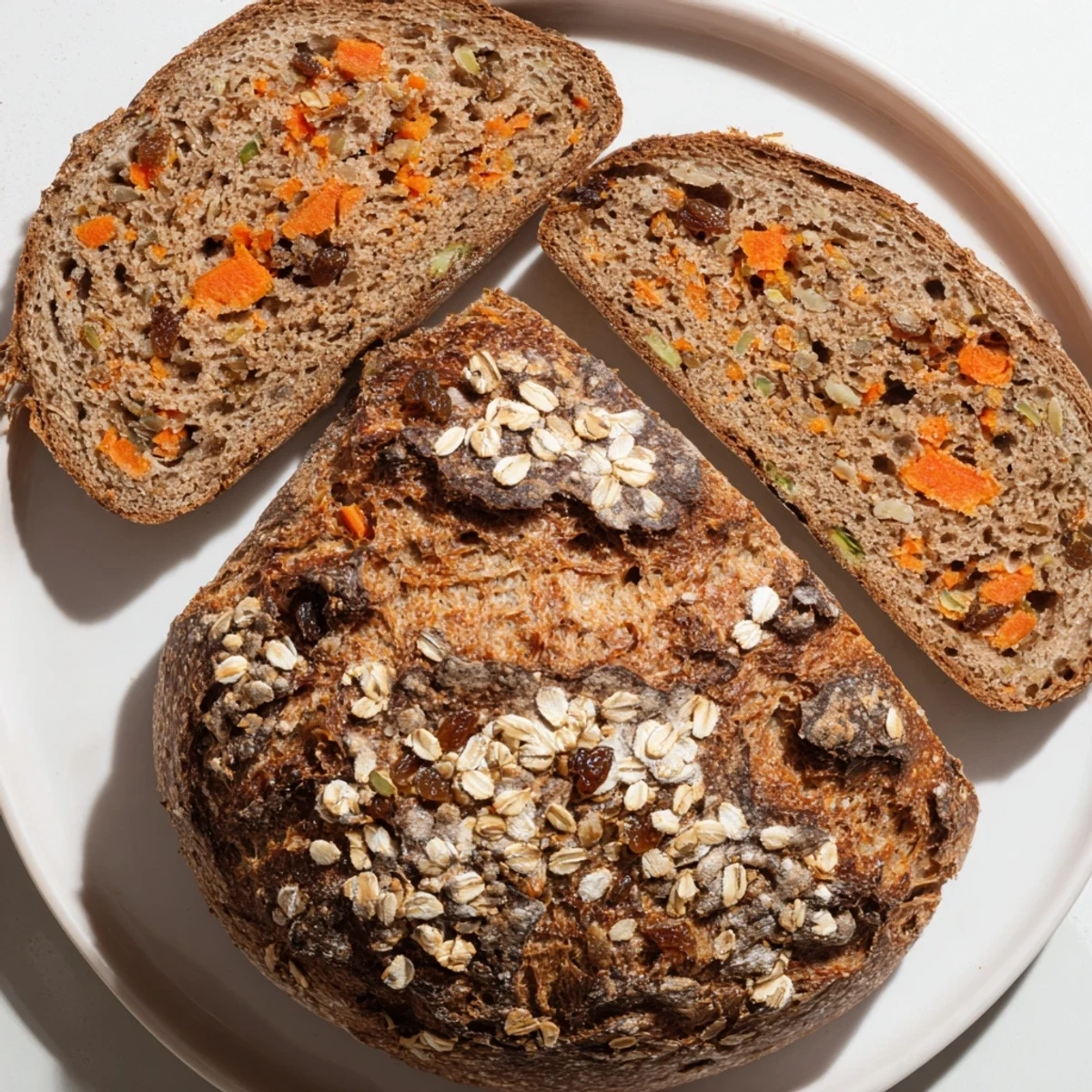
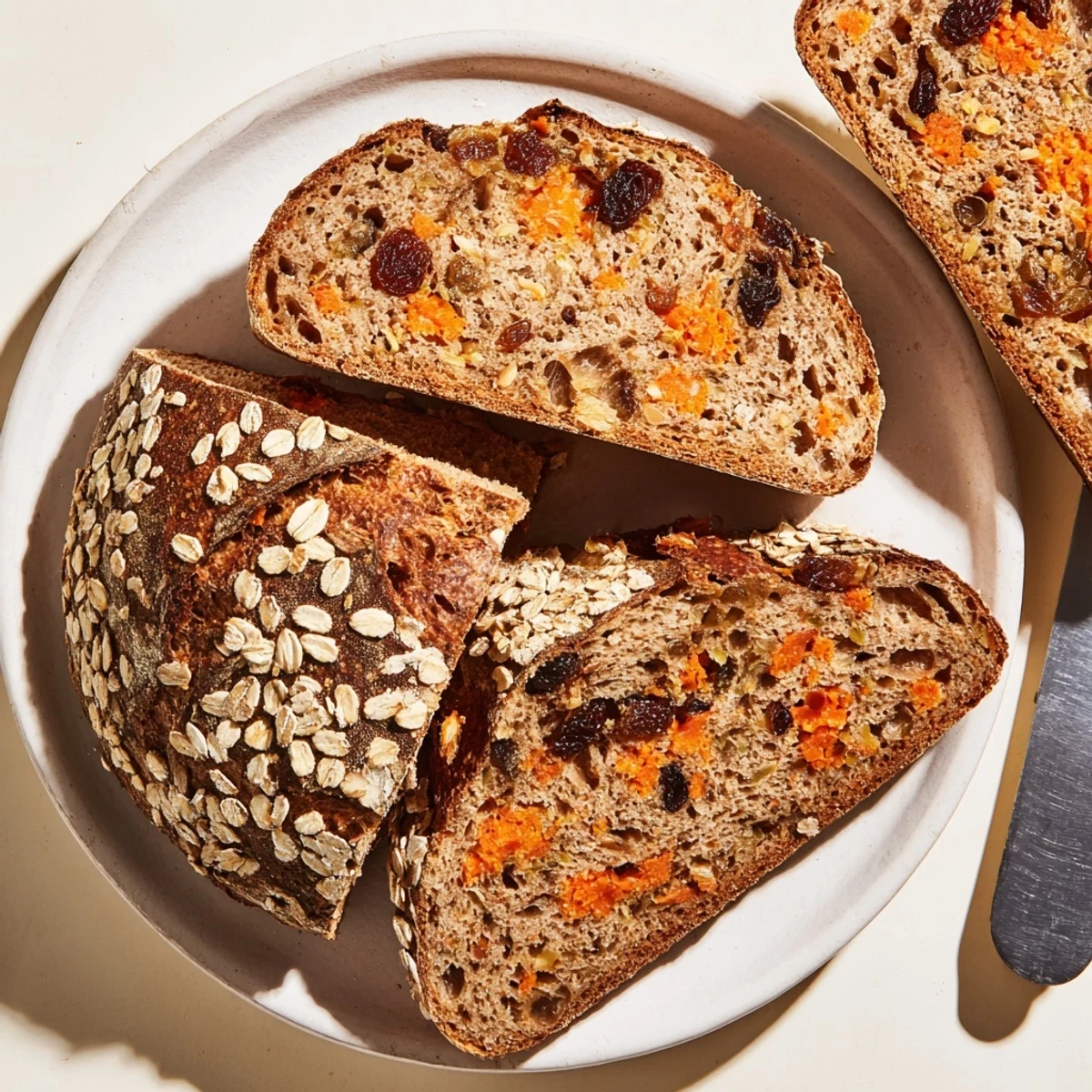
 This unique loaf bridges the gap between bread and dessert, bringing together the complex tanginess of traditional sourdough with warm spices and sweet grated carrots. The overnight fermentation develops deep flavor while creating that signature chewy crumb and crispy crust sourdough lovers crave.
Fold in optional raisins and toasted walnuts for extra texture and sweetness. The result is a versatile loaf that shines toasted with butter for breakfast, or served with cream cheese as an afternoon treat. The spice blend of cinnamon, nutmeg, and ginger evokes classic carrot cake while maintaining the structure and satisfaction of real artisan bread.
The first time I baked this bread, my apartment smelled like a bakery had collided with a grandmother's kitchen. Cinnamon and nutmeg mingled with that unmistakable sourdough tang, creating something I didn't know I needed until it happened. My roommate wandered in, confused by the combination, then proceeded to eat three slices warm from the oven.
I brought this to a brunch potluck last spring, tucked between a quiche and fruit salad. Within an hour, three different people had texted me for the recipe. Something about the familiar comfort of carrot cake spices meeting that satisfying sourdough crust creates this moment where everyone just stops talking and starts eating.
Ingredients
- Active sourdough starter: Use a starter that's been fed within the last 12 hours and is bubbling enthusiastically
- Bread flour: This provides the structure needed to support all those heavy add-ins without collapsing
- Whole wheat flour: Adds depth and complements the earthiness of the carrots
- Grated carrots: Don't squeeze out the moisture, that liquid keeps the bread tender through the long bake
- Brown sugar: The molasses notes play beautifully with warm spices and sourdough tang
- Warm spices: Cinnamon, nutmeg, and ginger create that classic carrot cake profile without overpowering the bread
- Fine salt: Essential for balancing sweetness and strengthening gluten structure
- Lukewarm water: Temperature matters, too cold and fermentation drags, too hot and you'll kill your starter
- Raisins and nuts: Completely optional but highly recommended for texture contrast
- Oats and seeds: These transform the crust into something extra special and rustic
Instructions
- Wake up your starter:
- Combine starter, water, and brown sugar in your largest bowl, stirring until the sugar completely disappears
- Build the dough:
- Add both flours, all your spices, and salt, then mix until everything comes together into a shaggy, sticky mass
- Add the good stuff:
- Fold in grated carrots, raisins, and nuts just until distributed, don't overwork it or you'll lose those orange flecks
- Gentle kneading:
- Work the dough briefly for just 3-4 minutes until it holds together, this isn't the time for intensive kneading
- Let it rest:
- Cover the bowl and walk away for 30 minutes, giving the flour time to hydrate fully
- Stretch and fold:
- Perform 3-4 sets of folds every 30 minutes, grabbing one side of the dough and stretching it up over the center
- Rise time:
- Let the dough bulk ferment at room temperature for 4-6 hours until it's noticeably puffy and doubled
- Shape for success:
- Form the dough into a tight boule or batard, then place it seam-side up in a lined proofing basket
- Overnight magic:
- Cover and refrigerate for 8-10 hours, this slow ferment develops incredible flavor complexity
- Preheat properly:
- Heat your oven to 230°C with the Dutch oven inside, getting everything seriously hot
- The moment of truth:
- Turn dough onto parchment, add your toppings, score with confidence, then transfer carefully into the scorching Dutch oven
- Bake with steam:
- Cover and bake for 25 minutes, then uncover for 20 more minutes until the crust sings when tapped
- Patience pays off:
- Let the bread cool completely on a wire rack, slicing while warm will ruin the texture you worked so hard for
 Pin it
 This bread became my go-to housewarming gift after moving to a new city. There's something about handing someone a warm loaf that says you're welcome better than any words could. Plus, it always guarantees a return invitation.
Making It Your Own
Play around with different grated vegetables, zucchini works beautifully in summer and sweet potato creates an autumn version that's absolutely stunning. The technique stays the same, just adjust the spices to complement whatever vegetable you choose.
Timing Your Bake
I've learned to start this in the late afternoon, doing the final shape before bed, then baking first thing in the morning. The whole house fills with incredible smells while coffee brews, which might just be the most perfect weekend morning I can imagine.
Storage And Serving
This bread actually improves on day two as the spices meld and moisture redistributes throughout the crumb. Store it wrapped in a cloth bag or sliced and frozen for later, though in my house it rarely lasts beyond 48 hours.
- Serve toasted with salted butter for the simplest perfect breakfast
- The cream cheese suggestion isn't optional, it's essential
- Leftovers make incredible French bread pudding
 Pin it
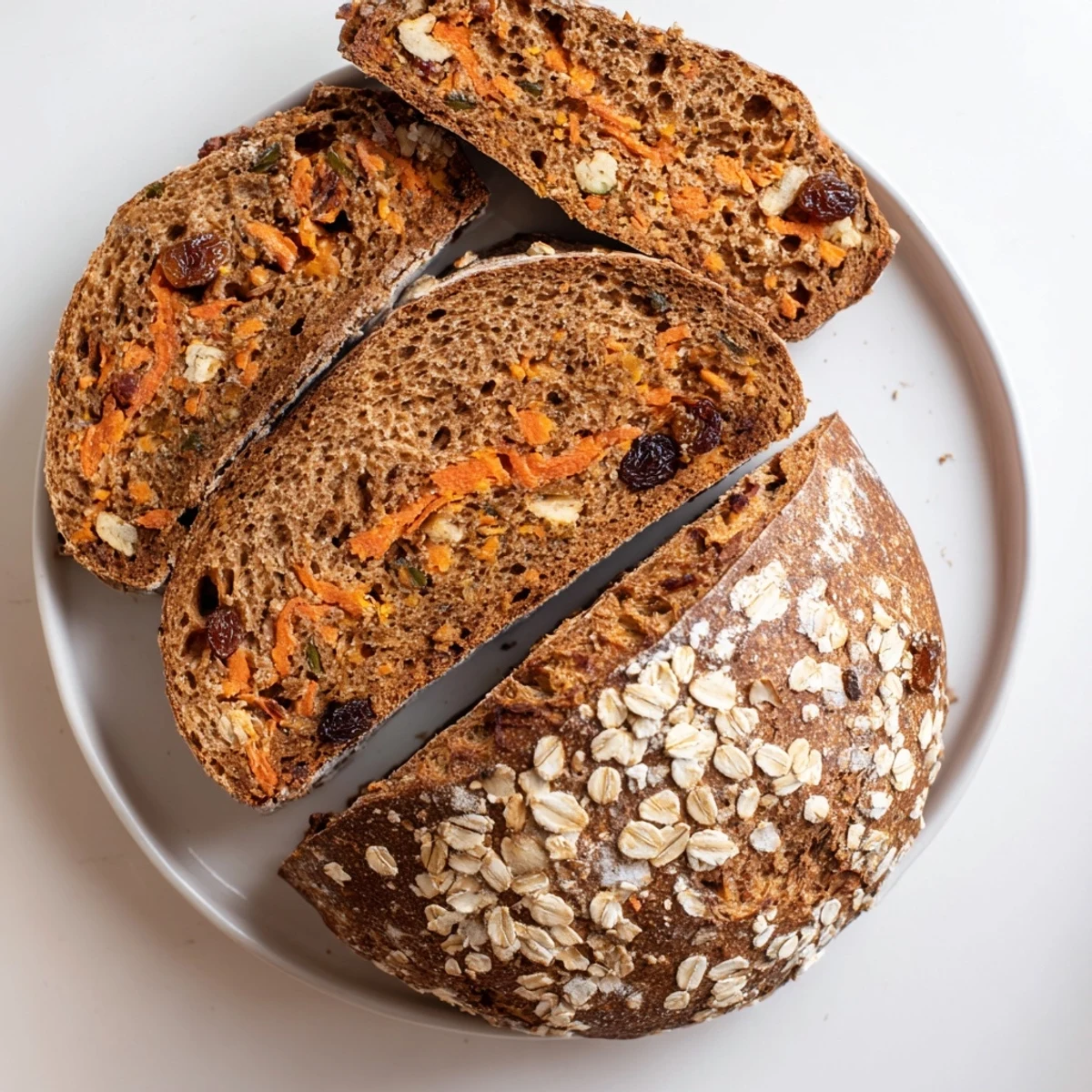
 Every time I pull this loaf from the oven, I'm still surprised that something so improbable works so beautifully. That's the joy of baking, sometimes the strangest ideas become the ones you can't live without.
Recipe FAQs
- → Can I make this without a sourdough starter?
-
You'll need an active starter for the authentic tang and fermentation. If you're new to sourdough, consider creating your own starter or obtaining some from a fellow baker. The starter is essential for both flavor and the dough's structure.
- → How long does the fermentation process take?
-
The entire process spans 10-12 hours, including a 4-6 hour room temperature rise and 8-10 hours overnight refrigeration. This slow fermentation is key to developing complex flavors and the characteristic sourdough texture.
- → Can I substitute the mix-ins?
-
Absolutely. Dried cranberries, chopped pecans, or even coconut work beautifully in place of raisins and walnuts. Feel free to adjust spices based on your preference—some bakers enjoy adding cardamom or allspice.
- → Why do I need a Dutch oven?
-
A Dutch oven creates steam during baking, essential for developing a crispy, blistered crust and impressive oven spring. If you don't have one, a heavy pot with a tight-fitting lid or a baking stone with a steam pan can work as alternatives.
- → How should I store this loaf?
-
Store at room temperature in a paper bag for up to 3 days. For longer storage, slice and freeze in a sealed container. The flavor continues to develop over time, making it even better on day two.
- → Is this suitable for beginners?
-
This medium-difficulty loaf requires familiarity with sourdough techniques like stretch and folds. If you're new to sourdough baking, practice with a basic loaf first to understand fermentation timing and dough handling.