
 Pin it
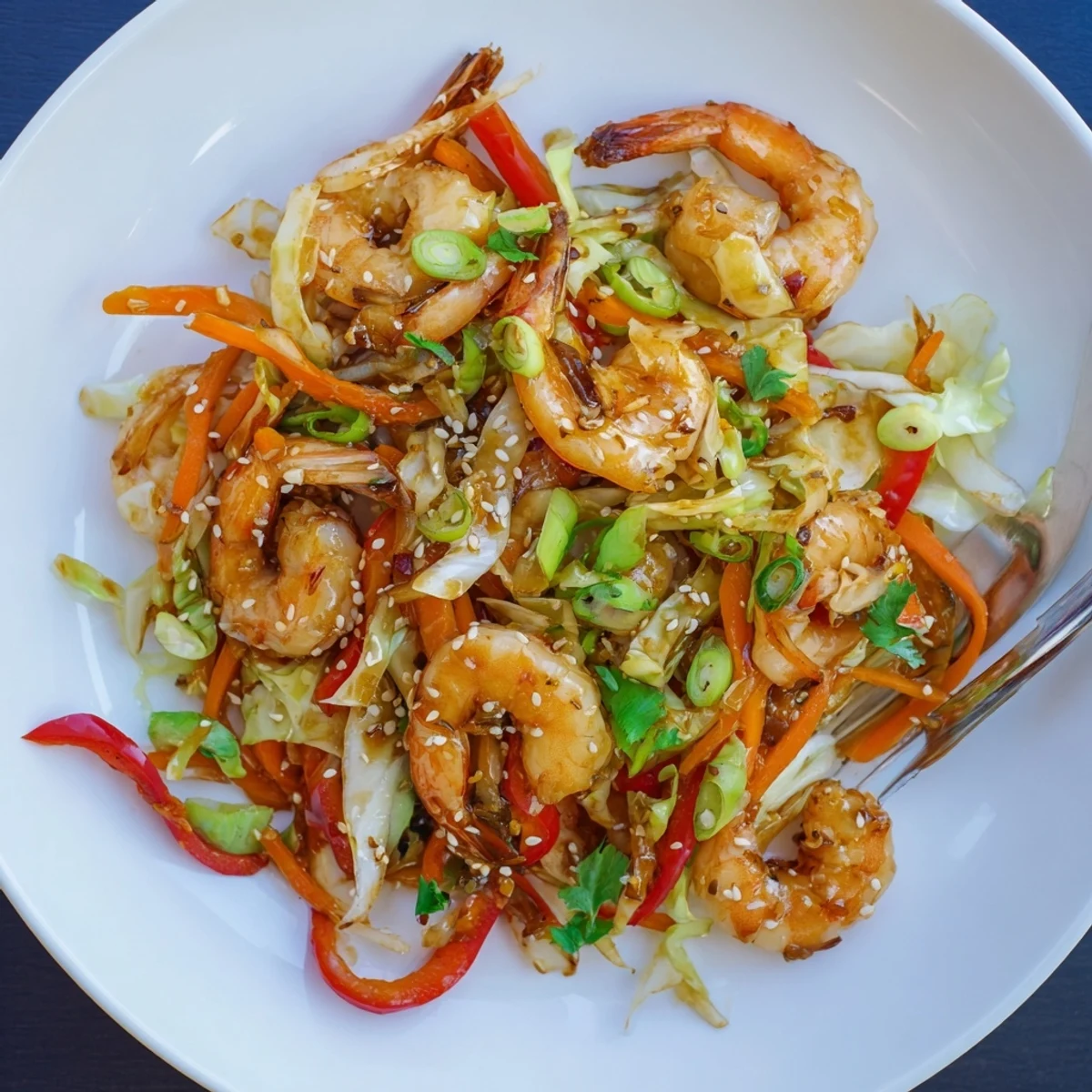
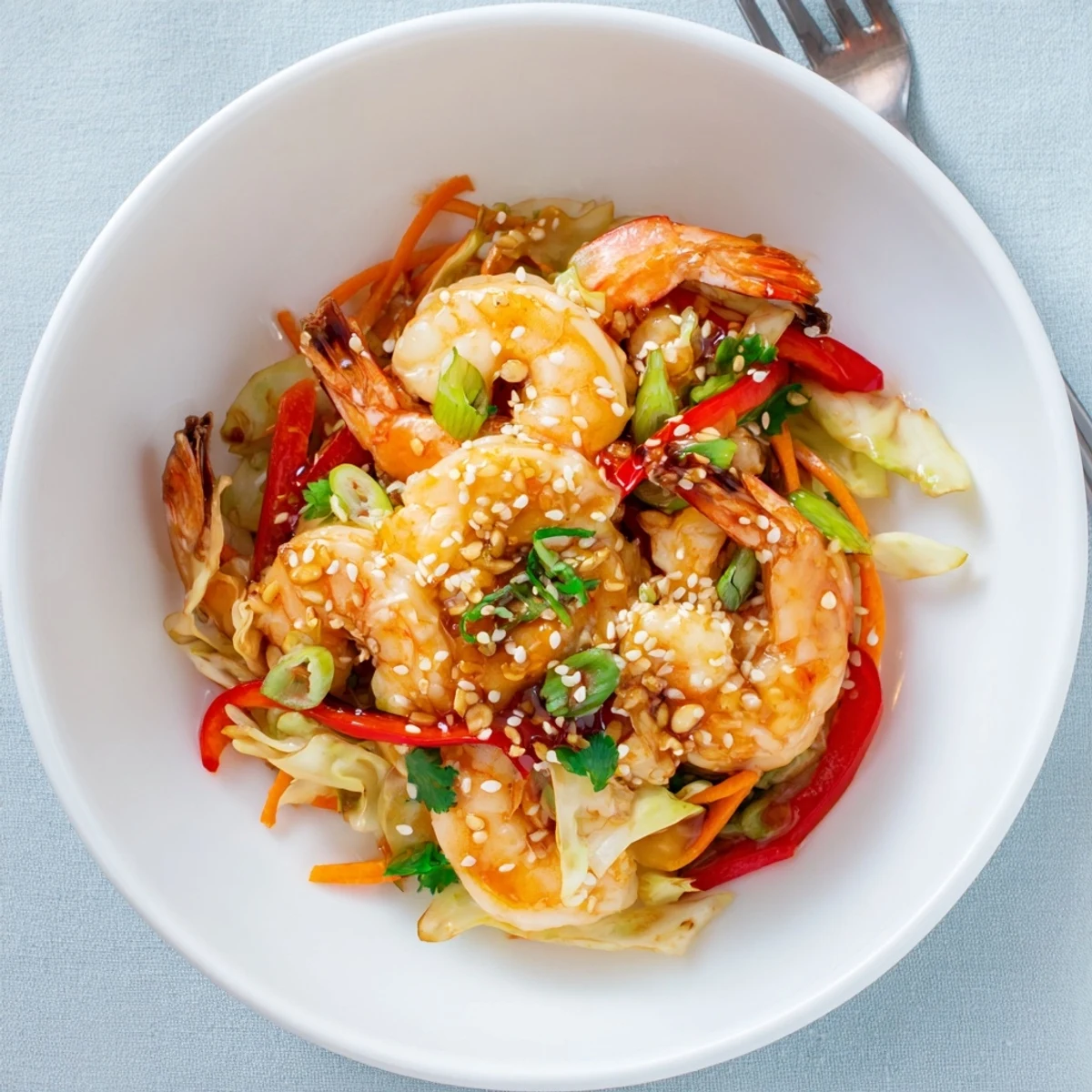
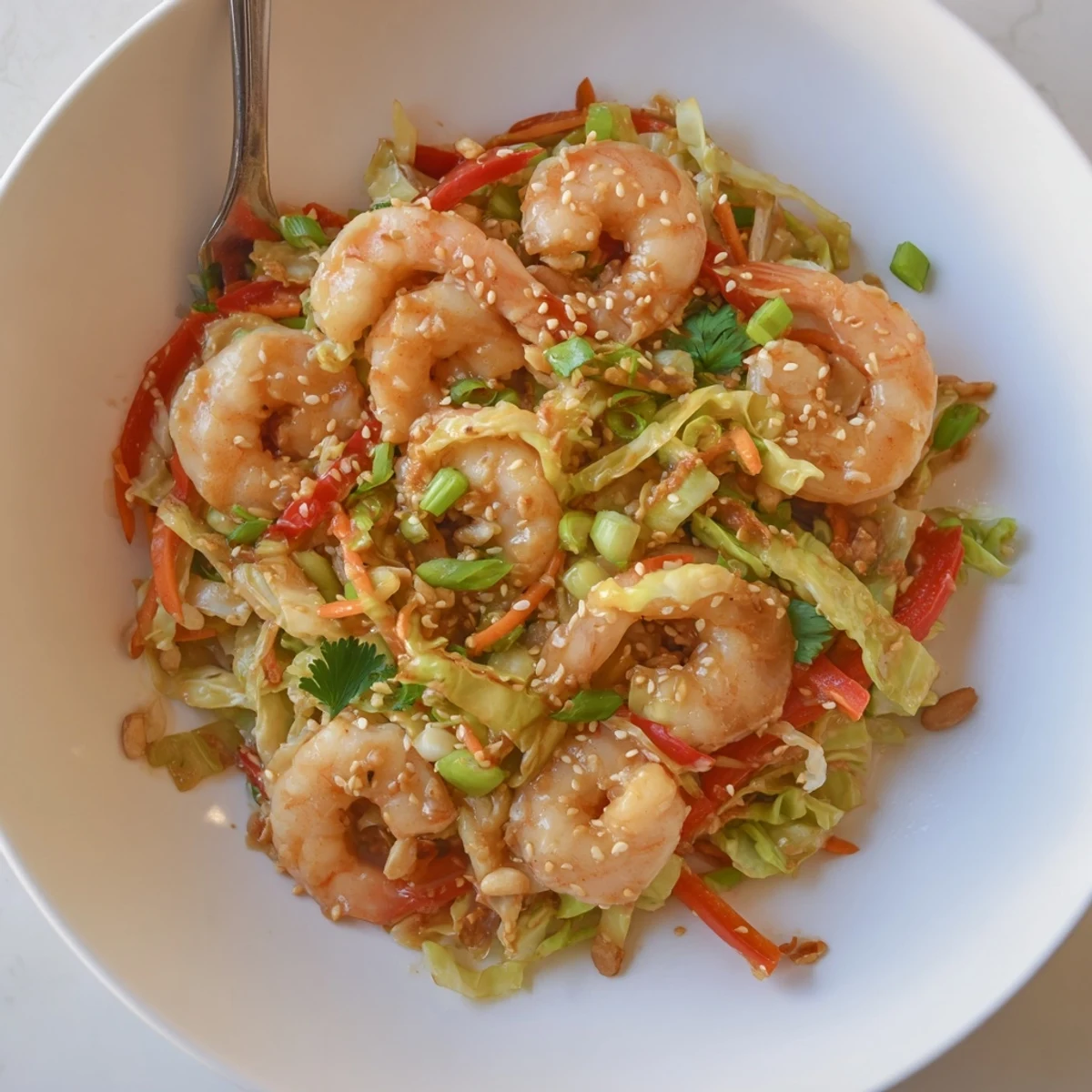
 This vibrant stir fry pairs tender shrimp with thinly sliced green cabbage, bell pepper and julienned carrot for bright color and crisp texture. A simple sauce of soy, oyster, rice vinegar and sesame oil, plus garlic and grated ginger, adds savory depth. Cook shrimp first, sauté aromatics, then vegetables until crisp-tender; return shrimp to toss briefly. Finish with scallions and toasted sesame for garnish.
The sizzle of shrimp hitting a smoking wok is one of those sounds that instantly makes a kitchen feel alive, and this cabbage stir fry delivers that thrill every single time. I threw it together on a rainy Tuesday when the fridge held nothing but half a head of cabbage and a bag of shrimp I had almost forgotten about. The sauce came together on instinct, a splash of this and a spoon of that, and by the time my partner wandered into the kitchen asking what smelled so good, the plates were already being wiped clean.
I once made this for my neighbor who swore she hated cabbage, and she quietly went back for a third helping without saying a word. That moment taught me never to underestimate what a hot wok and a bold sauce can do for an underrated vegetable.
Ingredients
- 1 lb large shrimp, peeled and deveined: Large shrimp hold their texture better against the high heat and give you that satisfying bite in every mouthful.
- 4 cups green cabbage, thinly sliced: Slice it as thin as you can manage because the thinner strands soak up more sauce and cook faster.
- 1 medium carrot, julienned: The carrot adds a subtle sweetness and a pop of orange that makes the whole dish look vibrant.
- 1 red bell pepper, thinly sliced: Its mild sweetness balances the salty depth of the soy sauce beautifully.
- 3 green onions, sliced: Save these for the end because their fresh bite cuts through the richness perfectly.
- 2 cloves garlic, minced: Fresh garlic is nonnegotiable here since the powdered stuff simply cannot replicate that thirty second bloom in hot oil.
- 1 inch fresh ginger, grated: Grating rather than mincing releases more of the warm, spicy oils into the dish.
- 3 tbsp soy sauce or tamari: This is the backbone of the sauce so use a brand you genuinely enjoy the taste of on its own.
- 1 tbsp oyster sauce: It adds a deep, rounded umami that soy sauce alone cannot quite reach.
- 1 tbsp rice vinegar: A little acidity wakes up all the other flavors and keeps the dish from feeling heavy.
- 2 tsp sesame oil: Just a small amount finishes the sauce with a nutty aroma that makes everything taste distinctly Asian.
- 1 tsp honey or brown sugar: This tiny bit of sweetness rounds off the sharp edges of the vinegar and soy.
- 1/4 tsp crushed red pepper flakes: Entirely optional but even a pinch gives the sauce a gentle warmth that lingers nicely.
- 2 tbsp vegetable oil: You need an oil with a high smoke point for proper stir frying so avoid olive oil here.
- Toasted sesame seeds and fresh cilantro for garnish: These finish the dish with crunch and color that make it feel restaurant worthy.
Instructions
- Mix the sauce first:
- Whisk together the soy sauce, oyster sauce, rice vinegar, sesame oil, honey, and red pepper flakes in a small bowl and set it beside the stove so it is ready the moment you need it.
- Sear the shrimp:
- Heat one tablespoon of oil in your wok over medium high heat until it shimmers, then toss in the shrimp and stir them for two to three minutes until they curl and turn pink. Pull them out immediately onto a plate so they do not overcook.
- Bloom the aromatics:
- With the remaining oil in the hot wok, drop in the garlic and ginger and keep them moving for about thirty seconds until your kitchen smells incredible.
- Toss the vegetables:
- Add the cabbage, carrot, and bell pepper all at once and stir fry for three to four minutes, letting the edges catch just a hint of color while the centers stay crisp.
- Bring it all together:
- Slide the shrimp back into the wok, pour the sauce over everything, and toss vigorously for one to two minutes until every strand of cabbage glistens and the shrimp are heated through.
- Finish and serve:
- Kill the heat, scatter the green onions, sesame seeds, and cilantro over the top, and get it straight to the table while it is still steaming.
 Pin it
 Somewhere between the third time I made this and the tenth, it stopped being a recipe and started being that dish I could cook with my eyes half closed while catching up with whoever was sitting at the kitchen counter.
What to Serve Alongside
Steamed jasmine rice is the obvious companion but I have also ladled it over cauliflower rice on nights when I wanted something lighter and it disappeared just as fast. A cold beer or a glass of dry riesling alongside turns a simple weeknight meal into something that feels almost like a mini celebration.
Swaps and Substitutions
If shrimp is not your thing, cubes of firm tofu pressed dry and browned in the wok work remarkably well, and thinly sliced chicken breast cooks in roughly the same time. The sauce is forgiving enough that you can play with the ratios, adding a little more honey if you like it sweeter or an extra pinch of pepper flakes if you want genuine heat.
Making It Your Own
Once you have the basic method down, this recipe becomes a canvas for whatever vegetables are wilting in your crisper drawer. Snap peas, broccoli florets, and sliced mushrooms all belong here just as much as the cabbage does.
- Toss in a handful of snap peas during the last minute of cooking for a satisfying crunch.
- A drizzle of sriracha over the finished plate changes the whole personality of the dish.
- Always taste the sauce before it goes into the wok because that is your one chance to adjust it to your liking.
 Pin it
 This is the kind of unpretentious, deeply satisfying dinner that reminds you how good simple food can be when you treat each step with just a little care. Keep this one in your back pocket and it will save you on more busy nights than you can count.
Recipe FAQs
- → How do I prevent shrimp from overcooking?
-
Pat shrimp dry and cook over medium-high heat in a single layer for 2–3 minutes until just pink. Remove from the pan early and return only to finish warming when combined with the vegetables.
- → Can I use frozen shrimp?
-
Yes. Thaw fully, pat dry to remove excess moisture, and proceed as with fresh shrimp. Excess water will lower the pan temperature and steam the ingredients.
- → How can I make this gluten-free?
-
Swap regular soy sauce for tamari or a gluten-free soy alternative and choose an oyster sauce labeled gluten-free, or omit and boost umami with a splash of mushroom sauce.
- → What vegetables work well as additions?
-
Mushrooms, snap peas, broccoli florets, bok choy or baby corn add variety. Add denser vegetables first and cut them small so everything finishes at the same time.
- → How do I increase heat without overpowering the dish?
-
Add crushed red pepper flakes to the sauce, a drizzle of sriracha when serving, or finely sliced fresh chilies sautéed briefly with the garlic and ginger for controlled heat.
- → Can this be prepared ahead of time?
-
Prep vegetables and whisk the sauce ahead, but cook shrimp and stir-fry at service for best texture. If making ahead, store components separately and combine in a hot pan to reheat briefly.